
When you sit down to watch a movie, you rarely think about who made it. But behind every blockbuster, indie gem, or streaming sensation is a production company pulling the strings. Today, a small group of studios control the majority of what ends up on screens worldwide. These aren’t just companies-they’re power centers that decide which stories get told, who gets hired, and how films are financed, marketed, and distributed.
Disney: The Empire That Owns the Franchises
Disney is no longer just about animated princesses. Since buying 21st Century Fox in 2019, it now owns Marvel, Star Wars, Pixar, National Geographic, and a huge chunk of the X-Men universe. In 2024, Disney released 14 films that made over $1 billion globally. Disney doesn’t just produce movies-it builds entire ecosystems. A Marvel movie isn’t just a film; it’s a launchpad for TV shows, video games, theme park rides, and merchandise. Their strategy? Lock in audiences with IP they already own. You don’t need to convince people to watch a new Spider-Man movie. They’ve been waiting since the last one ended.
But this dominance comes with risks. Critics say Disney prioritizes safe, franchise-driven content over original stories. In 2023, only 3 of their 12 theatrical releases were original films-not based on existing IP. That’s why indie filmmakers often feel shut out. Yet, Disney’s streaming arm, Hulu and Disney+, keeps growing. In 2025, they plan to spend $30 billion on content, more than any other studio.
Warner Bros. Pictures: The Studio That Survived the Chaos
Warner Bros. has been around since 1923. It’s the studio behind The Dark Knight, The Matrix, and Harry Potter. But in the last decade, it nearly collapsed under corporate infighting, leadership changes, and the rise of streaming. Then came the 2022 merger with Discovery to form Warner Bros. Discovery. The result? A leaner, more focused studio.
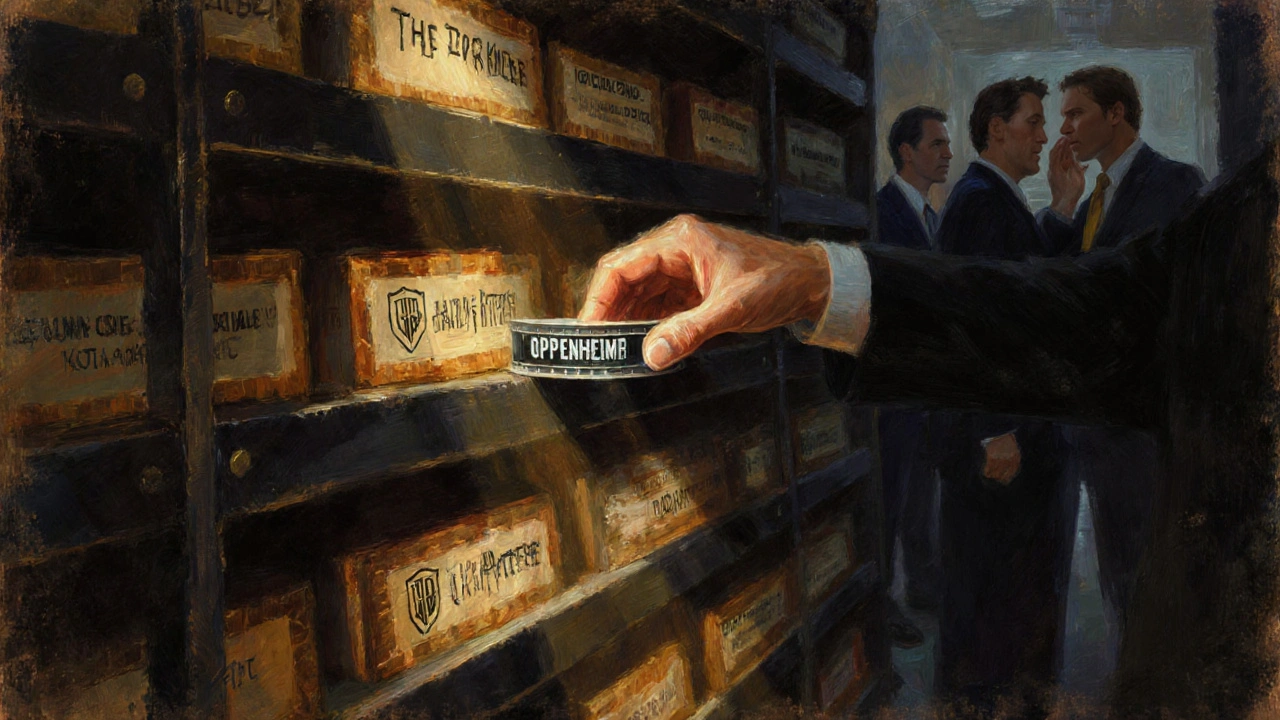
Today, Warner Bros. is betting big on DC films-especially after the box office success of The Batman (2022) and Joker (2019). They’ve also quietly revived their reputation for quality drama with films like Oppenheimer (2023), which they co-produced with Universal. That’s rare: two major studios sharing a hit. Warner Bros. is now more selective. They’re not chasing 10 movies a year anymore. They’re aiming for 5-7 high-impact releases, each with awards potential.
They still own a massive library. That’s their hidden strength. Every time someone subscribes to Max, they’re watching Warner Bros. films from the last 100 years. That library pays for new projects.
Universal Pictures: The Quiet Giant
Universal doesn’t shout like Disney or fight for headlines like Warner Bros. But they’re the most consistent hitmaker. In 2024, Universal released five films that each made over $500 million. They’re the studio behind Fast & Furious, Jurassic World, and Minions. Their secret? They know how to make sequels that feel fresh.
Universal also owns Illumination, the animation studio behind Despicable Me. That franchise alone has made over $4 billion. And unlike Disney, Universal still invests heavily in original adult comedies and horror. Movies like Talk to Me (2023) and The Holdovers (2023) were made for under $20 million and earned critical acclaim. Universal doesn’t need a superhero to win.
They also have a unique deal with A24. While A24 makes indie films, Universal handles distribution. That means A24 gets creative freedom, and Universal gets prestige without the risk. It’s a smart partnership that lets them dominate both ends of the market.
Sony Pictures: The Underdog With Big Ideas
Sony is the odd one out. They don’t own a streaming service. They don’t have a massive theme park. But they still make some of the most talked-about films every year. Spider-Man: Across the Spider-Verse (2023) broke records for animated films. They also produced Everything Everywhere All at Once (2022), which swept the Oscars.
How? Sony takes risks. They greenlight weird, bold projects that other studios pass on. They also have a long-standing deal with Marvel to keep Spider-Man in the MCU. That deal alone brings them $100 million+ per film. But they don’t stop there. Sony Pictures Classics handles arthouse films. Sony Pictures Releasing handles blockbusters. And they own the rights to James Bond. That’s three totally different audiences under one roof.
In 2025, Sony plans to release a new Venom film, a sequel to Jumanji, and an original sci-fi thriller starring Cillian Murphy. They’re not trying to be Disney. They’re trying to be the studio that makes the movie you didn’t expect.
Netflix: The Streaming Giant That Became a Studio
Netflix wasn’t always a film studio. It started as a DVD rental service. Then it became a streaming platform. Now, it’s the biggest buyer of movies in the world. In 2024, Netflix spent $17 billion on content. About $3 billion of that went to films.
They don’t make franchises. They make events. The Irishman (2019), Marriage Story (2019), and The Power of the Dog (2021) were all made for awards, not box offices. And it worked. Netflix has won more Oscars than any studio since 2020.
But things are changing. In 2024, Netflix announced it would cut back on theatrical releases. They’re focusing on TV. Still, they keep making films because they know: a great movie drives subscriptions. If you’re deciding between Netflix and Disney+, and Netflix has a new Martin Scorsese film, you pick Netflix.
They also own a growing library of international films. From Korea’s Parasite to India’s RRR, Netflix brings global stories to American audiences. That’s a new kind of power.
Amazon MGM Studios: The New Player With Deep Pockets
Amazon bought MGM in 2022 for $8.5 billion. That gave them the rights to James Bond (shared with Sony), Rocky, The Pink Panther, and a library of over 4,000 films. But Amazon isn’t trying to be Disney. They’re trying to be the studio that makes the kind of films Amazon Prime Video users want.
They’ve had hits with The Boys (TV), The Marvels (2023), and The Last of Us (TV). Their film division is still small, but growing. In 2025, they’ll release a new Lord of the Rings film, a biopic of Tupac, and a sci-fi thriller starring Zendaya.
Amazon’s edge? They don’t need to make money on movies alone. They make money when you subscribe to Prime. A good movie keeps you from canceling. That’s why they can afford to lose money on a film like The Creator (2023). It’s not about box office-it’s about retention.
Why This Matters
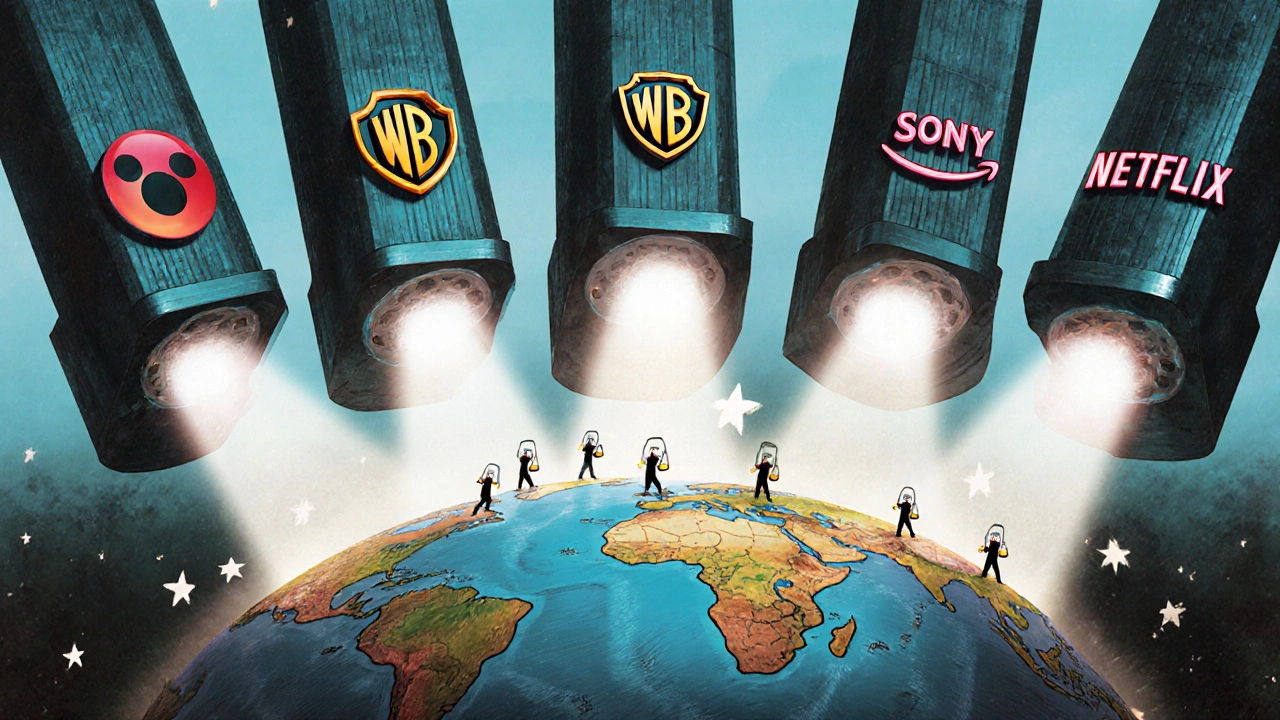
These six companies-Disney, Warner Bros., Universal, Sony, Netflix, and Amazon-control over 80% of all major studio films released in 2025. That means fewer chances for original ideas. Fewer chances for new directors. Fewer chances for stories that don’t fit a formula.
But it’s not all bad. These studios also have the money to take risks on bold projects. They can fund a $100 million film about a physicist, or a $20 million film about a grieving father. They can pay actors millions to take on challenging roles.
The real question isn’t whether these companies are powerful. It’s whether they’re using that power to tell stories that matter-or just to sell tickets. The answer, right now, is both.
What’s Next for Movie Studios?
The next five years will be defined by two trends: AI and global markets. Studios are testing AI tools to generate visual effects, write scripts, and even dub films into 50 languages overnight. That could cut costs-but it could also replace human jobs.
At the same time, China, India, and Latin America are becoming bigger markets than North America. Studios are now making films with global audiences in mind. That’s why you’re seeing more Korean, Nigerian, and Brazilian stories on Netflix and Disney+.
The future of cinema won’t be decided in Hollywood. It’ll be decided in Seoul, Lagos, and São Paulo. The big studios know that. And they’re adjusting.
Which production company makes the most money?
Disney makes the most money overall, thanks to its mix of box office hits, streaming subscriptions, and merchandise. In 2024, Disney’s film division brought in over $15 billion in revenue. But Netflix and Amazon spend more on content than they earn from films-they use movies to keep subscribers, not to make direct profits.
Are indie films still possible in today’s market?
Yes, but they rely on partnerships. Companies like A24, Neon, and Searchlight Pictures still make bold, low-budget films. They often partner with bigger studios like Universal or Disney for distribution. Films like Everything Everywhere All at Once and Past Lives made millions without studio backing. But they’re rare. The system favors franchises, so indie films need critical buzz to survive.
Why do studios keep making sequels and remakes?
Because they’re safer. A sequel to a hit movie already has an audience. Marketing costs are lower. People know what to expect. Studios are run by executives who answer to shareholders, not artists. Profit matters more than originality. That’s why 70% of 2025’s top 20 films are sequels, reboots, or based on existing IP.
Can a new studio break into the top tier?
It’s nearly impossible without massive funding. The cost of marketing a film now exceeds $100 million. Only companies with deep pockets-like Apple, Google, or Tencent-could try. Apple has made a few good films, but they don’t release enough to compete. Until a new player can match the distribution power of Disney or Netflix, the top six will stay in control.
How do streaming services affect movie theaters?
They’ve changed them. Movie theaters now only show big-budget films-those that need the big screen and loud sound. Smaller films go straight to streaming. That’s why you see fewer mid-budget dramas in theaters now. But when a film like Oppenheimer or Dune comes out, people still pack theaters. The experience still matters. It’s just not for every movie anymore.
Final Thoughts
The movies you watch today are shaped by decisions made years ago. Who owns the rights? Who has the money? Who’s willing to take a risk? The big studios hold the keys. But audiences are smarter than ever. When a film feels forced, people skip it. When a film feels real, it spreads on social media. That’s the new power: not just who makes the movie, but who decides it’s worth watching.




Comments(10)