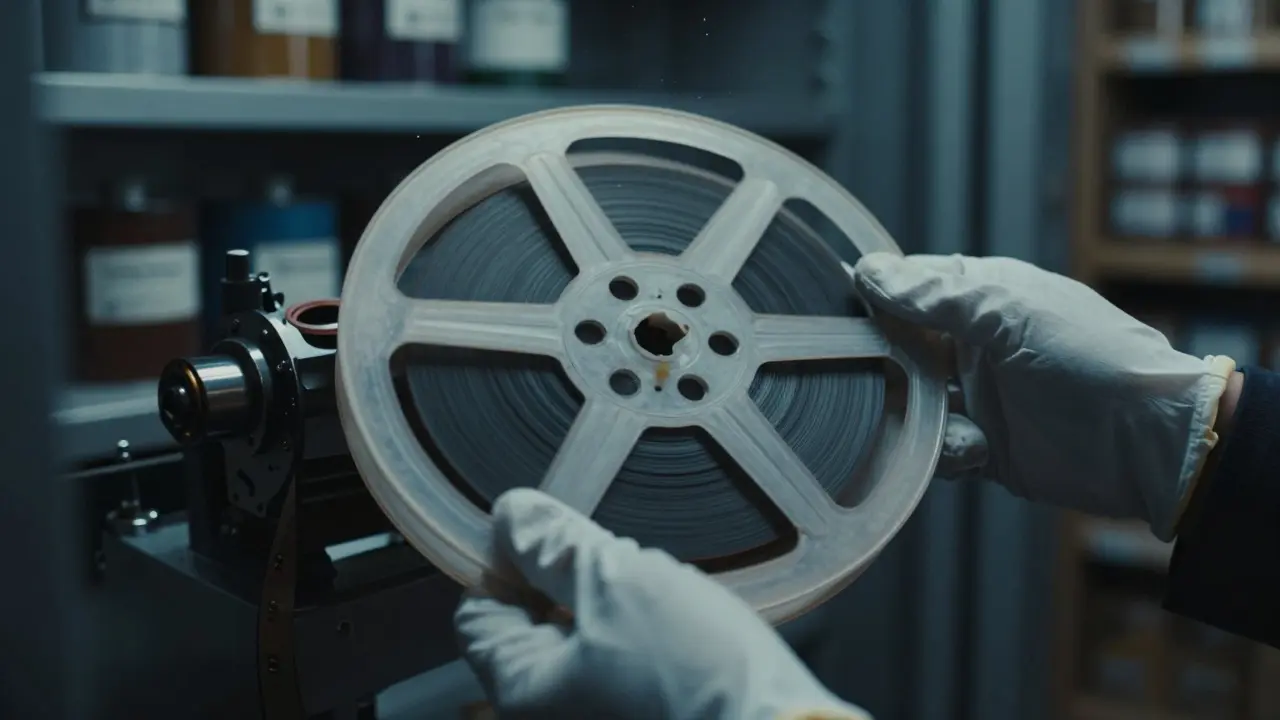
There is a specific magic in watching a film that has been painstakingly brought back from the brink of obscurity. When you hit play on a restored print is a digitally or physically cleaned version of a film that removes scratches, dust, and color fading while preserving the original artistic intent., you aren't just watching a movie; you are witnessing an act of preservation. For decades, many masterpieces from outside Hollywood were stuck on grainy VHS tapes or degraded 35mm reels. Today, thanks to dedicated archives and modern technology, these works are available in stunning 4K resolution on major streaming platforms. This guide highlights essential international films that have received top-tier restorations, allowing you to experience them exactly as the directors intended.
Why Restoration Changes Everything
You might think a film is a film, but the difference between a standard digital transfer and a proper restoration is night and day. A basic transfer often looks flat, with crushed blacks and washed-out colors. A true restoration involves scanning the original camera negative at high resolution, frame-by-frame cleaning, and careful color grading based on archival references. This process reveals details that were previously lost: the texture of a face in shadow, the depth of a landscape, or the subtle shifts in lighting that define a scene's mood. For fans of international cinema is film production and distribution originating from countries other than the United States, often characterized by distinct cultural perspectives and artistic styles., this level of detail is crucial because visual style is often the primary language of the art form.
The Japanese New Wave Revival
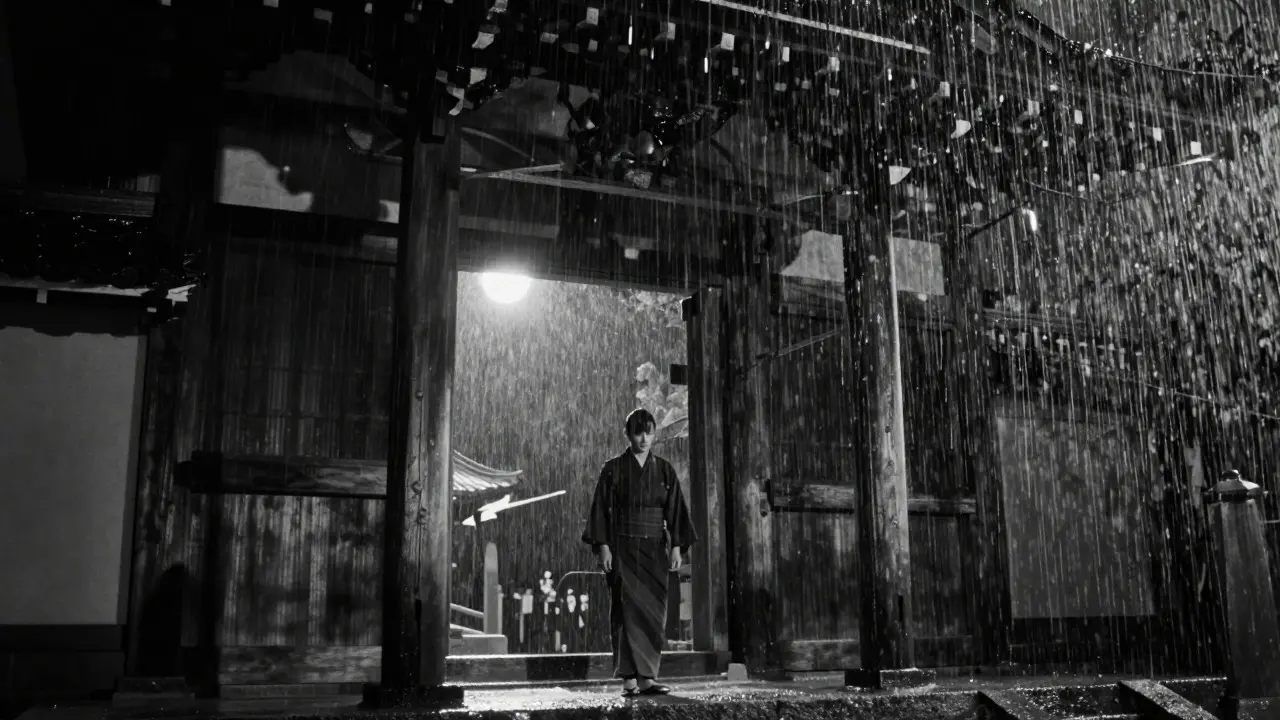
Japan has been at the forefront of film preservation, largely due to the efforts of institutions like the Japan Film Archive. One standout title is Rashomon (1950) by Akira Kurosawa. While it has been restored before, recent 4K releases offer unprecedented clarity in its rain-soaked sequences. The water droplets on the lens and the intricate woodwork of the temple are now visible in sharp detail. Another essential is Hiroshima Mon Amour (1959) by Alain Resnais, a French-Japanese collaboration. The black-and-white photography in the restored version possesses a luminosity that older copies lacked, making the emotional weight of the monologues even more palpable. These films demonstrate how technical fidelity supports narrative power.
European Masters in High Definition
Europe offers a vast library of restored classics, particularly from France and Italy. Ingmar Bergman’s Persona (1966) is a prime example. The close-ups in this Swedish psychological drama rely heavily on facial expressions. In the restored print, every pore and flicker of emotion is captured without the noise artifacts common in older transfers. Similarly, Federico Fellini’s 8½ (1963) benefits immensely from restoration. The dreamlike sequences, which blend reality and fantasy, require precise contrast management to maintain their surreal quality. The restored version allows the viewer to distinguish between the real world and the protagonist’s hallucinations with greater ease. These titles are staples for anyone studying the evolution of European art house cinema.
African and Latin American Gems
Restoration efforts have expanded significantly beyond Europe and Asia in recent years. Satana (1977), though primarily Italian, features significant African contexts, but let's look closer at homegrown talent. Black Girl (1966) by Ousmane Sembène, considered the first feature film made by an African director, has seen renewed attention through festival screenings and digital releases. The stark black-and-white imagery gains a new dimension when properly graded, highlighting the isolation of the protagonist in a foreign land. In Latin America, Chronicle of a Death Foretold (1987) by Francesco Rosi, based on Gabriel García Márquez’s novel, offers a gritty realism that shines in high definition. The dusty streets of Colombia feel tangible, grounding the tragic narrative in physical reality. These films challenge the dominance of Western narratives and provide diverse perspectives that are vital for a complete understanding of global cinema.
Where to Find These Restored Films
Not all streaming services handle classic films with equal care. Some platforms use compressed streams that degrade image quality, while others partner directly with archives to deliver high-bitrate files. Look for labels like "4K Ultra HD" or "Remastered" in the film’s description. Platforms such as Criterion Channel, MUBI, and Kanopy are known for curating restored versions with bonus materials that explain the restoration process. Even mainstream services like Netflix and Amazon Prime Video have improved their libraries, offering remastered versions of popular international titles. Always check the user reviews or technical specs if available, as they often note whether a film has been recently updated. Supporting these platforms helps fund further preservation efforts, creating a positive cycle for film history.
| Film Title | Director | Country | Year | Key Visual Element |
|---|---|---|---|---|
| Rashomon | Akira Kurosawa | Japan | 1950 | High-contrast rain and forest textures |
| Persona | Ingmar Bergman | Sweden | 1966 | Extreme close-ups and facial micro-expressions |
| 8½ | Federico Fellini | Italy | 1963 | Dreamlike lighting and surreal set designs |
| Black Girl | Ousmane Sembène | Senegal/France | 1966 | Stark black-and-white compositions |
| Hiroshima Mon Amour | Alain Resnais | France/Japan | 1959 | Luminous monochrome photography |
The Role of Archives in Preservation
Behind every restored film stands an archive. Organizations like the Library of Congress, the British Film Institute, and the Cinémathèque Française play critical roles. They store the original negatives in climate-controlled vaults, protecting them from heat and humidity. Technicians then scan these negatives using specialized equipment capable of capturing millions of pixels per frame. This data is then processed to remove damage without altering the artistic vision. It is a labor-intensive process that can take months for a single film. Understanding this background adds appreciation for the final product. When you watch a restored classic, you are seeing the result of hundreds of hours of meticulous work by archivists, technicians, and colorists who share a passion for cinematic heritage.
Common Pitfalls to Avoid
While finding restored films is easier than ever, there are still traps to avoid. First, don’t assume that a "digital copy" is a restoration. Many older films were transferred to digital formats in the early 2000s using low-quality scans. These versions may be free to stream but lack the fidelity of a true restoration. Second, be wary of aggressive color correction. Sometimes, restorers over-saturate colors to make a film look "new," which can distort the original aesthetic. A good restoration respects the source material. Finally, pay attention to aspect ratios. If a widescreen film is stretched to fit a different format, it indicates a poor transfer. Checking the technical specifications or watching a short clip before committing to a full viewing can save you time and frustration.
Frequently Asked Questions
What is the difference between a remaster and a restoration?
A remaster usually refers to updating the audio or video quality of an existing digital file, often without returning to the original source material. A restoration, however, involves going back to the original camera negative or best surviving print to clean, repair, and digitize the film from scratch. Restoration is a deeper, more comprehensive process that aims to preserve the historical integrity of the work.
Are restored films always available in 4K?
Not necessarily. While many recent restorations are released in 4K, some older films may only have high-definition (1080p) versions available depending on the condition of the source material and the budget of the project. However, even a well-executed 1080p restoration is vastly superior to a standard definition transfer. Always check the resolution listed in the streaming platform's details section.
Which streaming service has the best collection of restored international films?
Specialized platforms like Criterion Channel and MUBI are generally considered the gold standard for curated, high-quality restorations of international cinema. Mainstream services like Netflix and Amazon Prime Video have also expanded their libraries significantly, but the selection varies by region and changes frequently. For the most consistent access to top-tier restorations, specialized services are often the safer bet.
How do I know if a film has been recently restored?
Look for release notes or press kits associated with the film's digital launch. Streaming platforms often include a "Remastered" or "Restored" tag in the film's metadata. Additionally, fan communities and film forums frequently discuss new releases, noting any improvements in picture quality compared to previous versions. Checking the date of the last update on the platform can also provide clues.
Does the audio quality improve with restoration?
Yes, audio is often part of the restoration process. Archivists may restore the original optical soundtrack or magnetic track, removing hiss, crackle, and dropouts. This results in clearer dialogue and more immersive sound effects. For older films, this can be a dramatic improvement, making the viewing experience much more engaging and true to the director's original intent.



Comments(6)