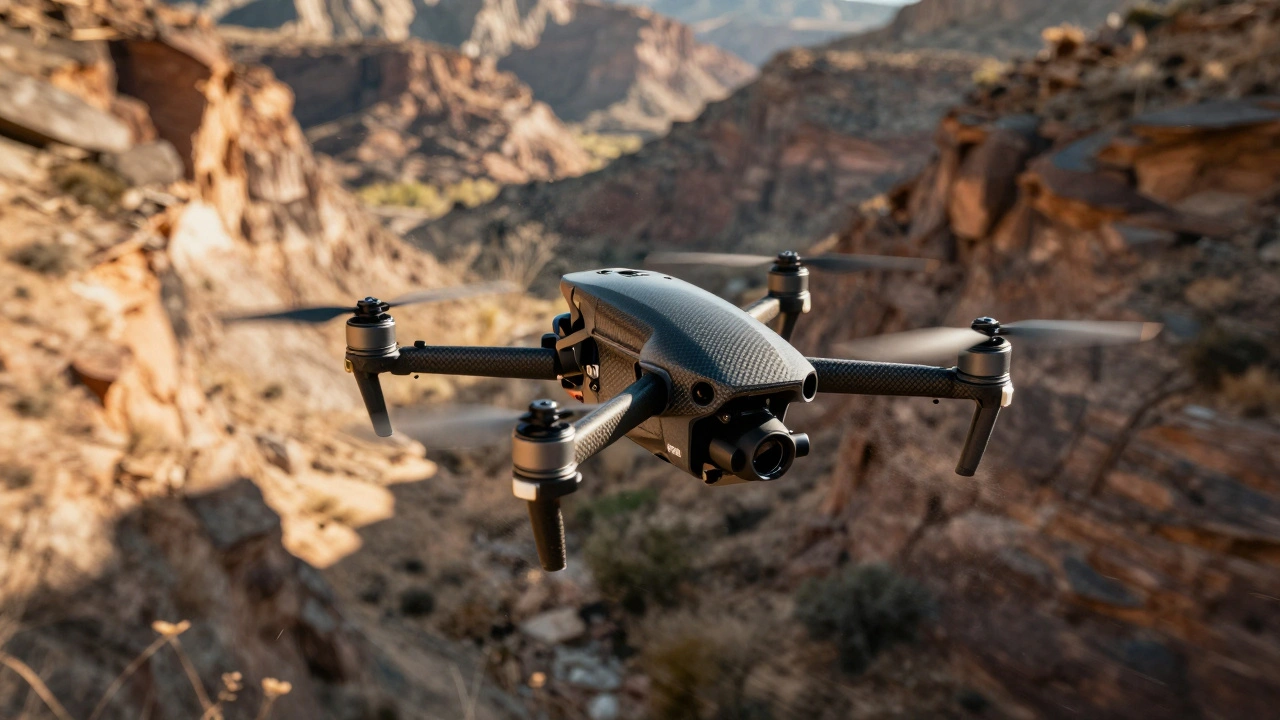
Movies have changed forever since we stopped looking down at our screens and started seeing through them.
In the world of FPV Drones is a type of unmanned aircraft where the pilot sees the live feed directly through a video transmitter and goggles. Unlike traditional quadcopters, these machines allow for immersive, high-speed movements that were once impossible. When you add First Person View Technology into professional filmmaking, you get shots that feel alive rather than static.
Filmmakers in 2026 know that smoothness matters less than energy sometimes. You can hover over a car crash scene beautifully with a gimbal drone, but nothing beats throwing a camera straight through a window or chasing a rally car at 60 miles per hour. That is where First Person View technology shines.
Understanding the Difference Between FPV and Standard Drone Cinema
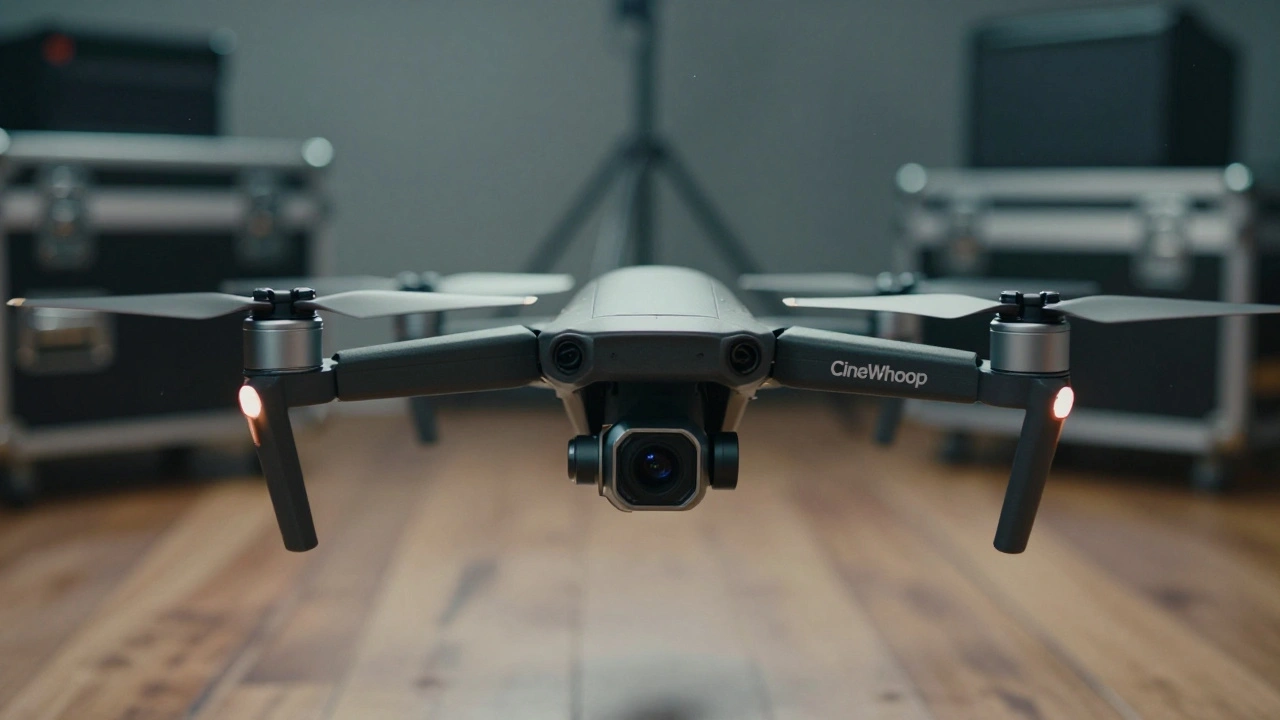
Most rental companies still rent out heavy lift drones with mechanical gimbals. They work great for establishing shots. However, they lack agility. CineWhoops is a specialized class of small FPV drones designed for stable, indoor or outdoor filming.
A standard drone uses GPS to stay in one spot. It fights your stick inputs to hold position. An FPV racer or hybrid relies on the pilot’s input alone. This creates a direct connection between the controller and the camera movement. The footage feels organic because it captures human reaction time instead of automated hovering algorithms.
The real advantage lies in the speed. Mechanical gimbals take time to turn. An FPV camera is fixed to the body. When the drone rolls, the horizon rolls. This adds tension. In action movies, audiences feel the danger because the camera isn't perfectly stabilized. It breathes with the environment.
Selecting the Right Hardware for Film Production
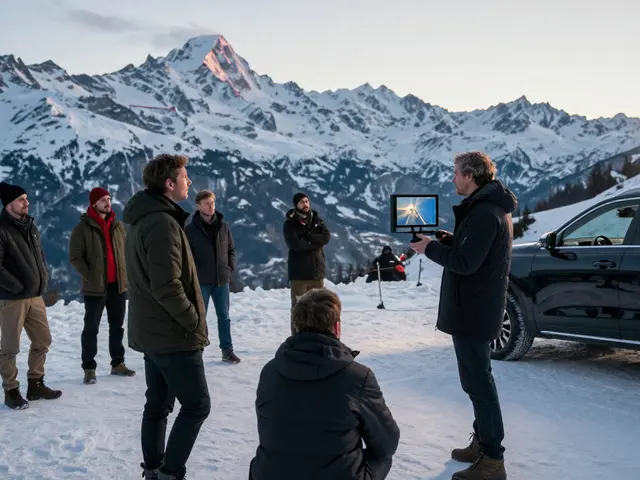
Picking the right rig depends on your shooting environment. You don’t need the same gear for a hallway chase scene as you do for a mountain valley sweep. Let’s break down the setups professionals use right now.
| Drone Type | Stabilization Method | Typical Use Case | Video Quality Limitation |
|---|---|---|---|
| Racing Drone | Electronic Stabilization | High-speed chases, stunts | Usually limited sensor size |
| CineWhoop | Propeller Guards + Gyro | Indoor scenes, proximity shoots | No optical zoom capability |
| Hybrid 5-inch | Digital Gimbal or Action Cam | Landscape, large scale action | Battery drain at higher power |
If you are shooting narrative content, you likely need a 5-inch hybrid. These carry better cameras like the DJI O3 Air Unit. It broadcasts 1080p video with low latency. This allows the director to monitor the shot exactly as the pilot sees it. The older analog transmitters often suffered from signal interference in urban environments filled with Wi-Fi noise.
For close-up work near actors, a CineWhoop offers safety. The propeller guards prevent injury if a collision occurs mid-air. This gives the cinematographer confidence to fly through tighter spaces without worrying about destroying expensive lenses. Many productions use multiple batteries to keep the shoot moving without waiting for charging cycles.
Mastering Flight Modes for Cinematic Flow
Flying for film is different from flying for fun. Racing focuses on speed. Filmmaking focuses on rhythm. You need to master specific flight modes to get usable footage. Most modern flight controllers offer Angle mode and Horizon mode. Angle mode keeps the drone level automatically. This is safe but boring. Horizon mode provides partial stabilization, allowing you to pitch forward while keeping roll level.
When you shoot high-speed action, manual mode gives you the most creative control. You are essentially holding the camera yourself. If you move the stick too quickly, the footage looks jerky. Practice smooth muscle memory. Move your left thumb stick gently to adjust yaw or rotation slowly.
Think about composition even while flying fast. Frame your subject in the center when entering a scene, then pull back slightly to reveal the surroundings. This is called a "follow-through" shot. It connects the viewer to the location rather than isolating the object.
One trick veterans use involves speed blending. Don't just fly fast constantly. Accelerate past the camera, slow down to drift alongside the subject, then accelerate away. This contrast in pace makes the fast sections look faster by comparison.
Navigating Legal Requirements in 2026
Flying a drone for commercial projects brings strict rules under the Federal Aviation Administration. Even with advanced tech, regulations haven't loosened significantly. You absolutely need your remote pilot certificate under Part 107.
The big change in recent years was the implementation of Remote ID. This acts like a license plate for your drone. Every broadcast includes your registration number and location data. Without this, law enforcement can ground your equipment immediately. Make sure your transmitter module supports these broadcast requirements before heading out.
Local airspace restrictions also apply heavily in dense cities like Asheville or New York. Some zones are completely off-limits near airports or government buildings. Always check the official UAS map before filing a flight plan. Fines for violations can exceed the cost of the entire production budget.
If you are hiring a third-party operator, verify their insurance coverage. Equipment failure is rare, but accidents happen. Liability coverage protects the production company from claims if the drone damages property.
Post-Processing Workflow Considerations
Raw footage from digital FPV systems often needs specific handling. While analog signals were compressed heavily on the radio frequency, digital units capture cleaner images. However, rolling shutters remain an issue. Fast spinning props create wavy distortions in the background.
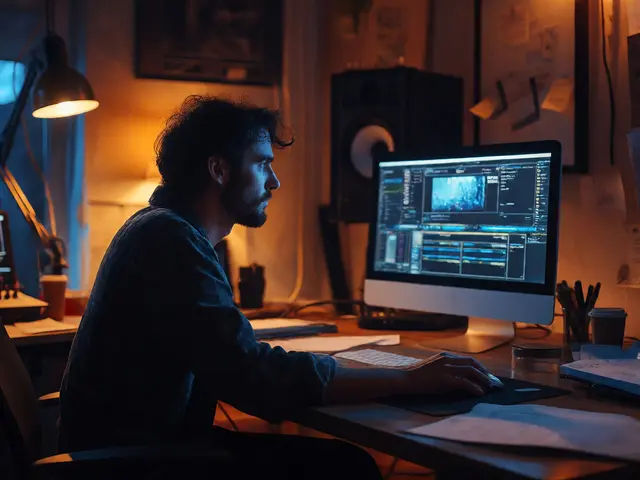
To fix this, editors rely on software like DaVinci Resolve. It has dedicated warp stabilizer tools. You can stabilize a shaky FPV shot and then reframe it digitally. But this comes at a cost. Cropping reduces resolution. Always try to get the stability right in-flight.
Color grading is another critical step. Small sensors in FPV cameras often struggle with dynamic range. Bright skies wash out clouds while shadows turn muddy black. Shooting in a flat profile log helps preserve highlights. This gives colorists more latitude to balance exposure in post-production.
Data management becomes important during larger shoots. You might shoot hundreds of gigabytes in a single day. Use dual SD card recorders if possible. It acts as instant backup. Losing a hard drive containing unique aerial angles ruins the edit.
Troubleshooting Common Technical Issues
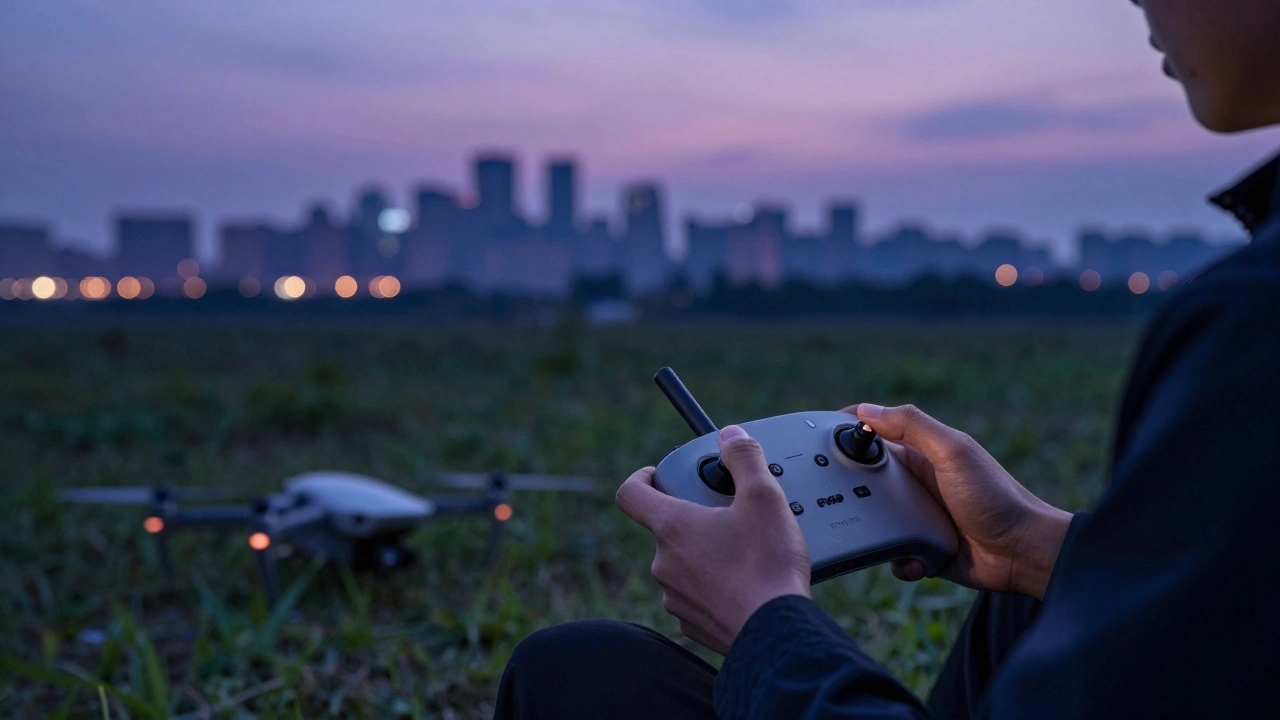
Even experienced pilots run into trouble. Signal loss remains the number one frustration. Walls absorb radio waves better than air does. Plan your path away from thick concrete barriers when flying indoors.
Battery voltage drops can kill flights unexpectedly. LiPo batteries degrade after many cycles. Monitor your voltage closely on the telemetry screen. Never land when the warning light flashes red. Crashing near populated areas creates dangerous situations with high-spinning blades.
Another frequent glitch involves overheating processors during summer shoots. Ventilation holes help dissipate heat. If your transmitter starts cutting out mid-flight, let it cool down on the ground. Electronics fail faster at extreme temperatures.
Building Confidence Through Training
Never fly a new camera setup outside for the first time. Start indoors or in a simulator. Apps like TBS Crossfire simulate real physics accurately. Muscle memory transfers easily from virtual to physical flight.
Find a local community group. Flying clubs usually share legal landing spots. Learning from others prevents costly mistakes. Someone else has already tested which grass fields have fewer wires overhead.
Finally, accept that crashes are part of the process. Every pilot has broken a motor arm or bent a prop. Repairing the drone teaches you exactly how it works. Knowledge translates into smoother flying next time.
Can I use FPV drones for wedding videos?
Yes, but CineWhoops are preferred over racers. Their slower speed allows for delicate shots around guests. Safety is paramount near people.
What video resolution do FPV drones support?
Modern digital units typically support 1080p at 60fps or 4K at 30fps. Analog systems generally cap out at lower resolutions around 720p.
Is a pilot license required for paid work?
Absolutely. Any compensated service requires an FAA Part 107 certification to operate legally within United States airspace boundaries.
How far can the video transmission reach?
Line-of-sight range varies by frequency. Digital transmission usually reaches 10 to 15 kilometers without significant lag in open areas.
Are FPV drones allowed near airports?
Generally no. Control zones extend five miles from airports. You must request special authorization from air traffic control beforehand.


Comments(6)