Think about the last movie that genuinely surprised you. Odds are, it wasn't a franchise sequel or a studio-mandated reboot. It was likely something raw, specific, and weirdly personal. That’s the gap directors launching new film production banners are trying to fill right now. In 2026, we’re seeing a massive shift where top-tier directors aren’t just calling shots on set-they’re owning the means of production. This isn’t just ego; it’s survival.
The trend has exploded since the mid-2010s when A24 proved that small, curated slates could outperform blockbusters culturally. Now, individual filmmakers like Jordan Peele, Greta Gerwig, and Barry Jenkins have launched their own entities-Monkeypaw Productions, Heyday Films (as producer/director partner), and Plan B Entertainment (collaborative). These aren't just vanity projects. They are strategic moves to bypass traditional gatekeepers who often kill risky scripts before they ever get greenlit.
Why Directors Are Becoming Producers
You might wonder why a director can’t just make movies for someone else. The answer is simple: money and freedom. Traditional studio deals pay well but come with strings attached. You lose final cut rights. You lose marketing control. You become an employee on your own vision.
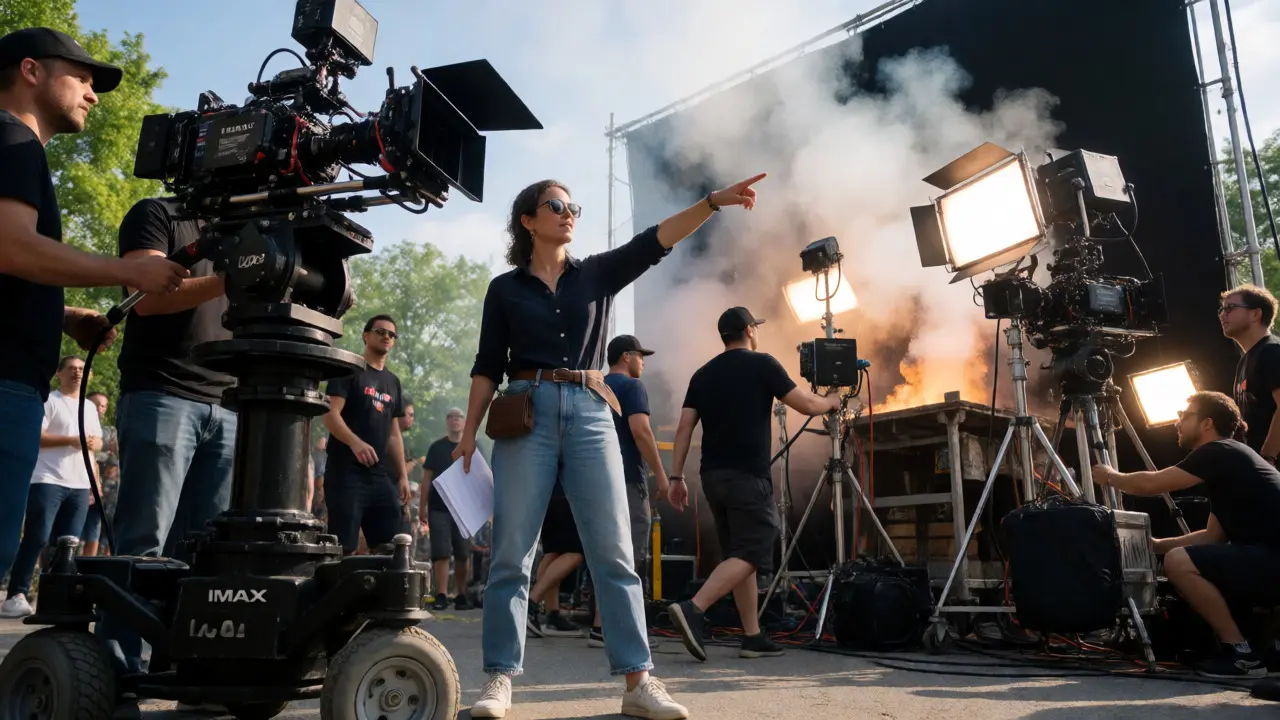
By starting a banner, a director flips the script. They package the project themselves. They find investors directly or use their own profits from previous hits to fund the next one. This structure allows them to take risks that a risk-averse executive at a major studio would never approve. For example, when Christopher Nolan works through Syncopy Inc., he retains significant leverage over budget and release strategy, ensuring his IMAX-heavy visions aren't diluted for streaming platforms.
The Financial Reality Behind the Banners
It’s not all artistic purity. There’s cold hard math involved. Studio overhead is brutal. If you’re working for Disney or Warner Bros., they take a huge cut for distribution, marketing, and office space. When a director launches a banner, they keep a larger percentage of the backend profits. If a movie makes $50 million on a $10 million budget, that margin belongs more to the creator than if they were hired hands.
But here’s the catch: you need capital. Most director-led banners start lean. They rely on:
- First-Look Deals: Partnerships with distributors like Neon or Searchlight Pictures. The distributor gets first dibs on projects, but the director keeps creative ownership.
- Equity Financing: Using personal wealth or private investors to cover initial development costs.
- Tax Incentives: Shooting in states like Georgia or Louisiana, which offer up to 30% rebates on qualified expenditures.
Case Study: The A24 Effect on Indie Filmmaking
You can’t talk about this trend without mentioning A24. Founded in 2012 by Daniel Katz, David Fenkel, and John Hodges, this company didn’t just distribute films; it created a brand identity around "cool." Directors noticed. They saw how Moonlight won Best Picture while being marketed almost entirely through social media buzz and critical acclaim rather than expensive TV spots.
This success inspired a wave of imitators. Directors realized they could replicate this model. Instead of waiting for a studio to say yes, they formed companies like PalmStar Media or partnered with existing indie houses. The result? A surge in high-quality, low-budget dramas and horror films that dominate festival circuits like Sundance and Toronto.
| Feature | Director-Led Banner | Traditional Studio Deal |
|---|---|---|
| Creative Control | High (Final Cut Rights) | Low (Studio Approval Required) |
| Profit Share | Higher Backend Points | Fixed Fee + Small Bonus |
| Risk Level | Personal Capital at Stake | Studio Absorbs Losses |
| Speed to Market | Slower (Independent Funding) | Faster (Pre-approved Budgets) |
Challenges Facing Independent Banners
So, why doesn’t every director do this? Because it’s exhausting. Running a production company means wearing ten hats. You’re not just directing; you’re hiring lawyers, negotiating with banks, managing accountants, and pitching to sales agents. Many talented directors burn out because they hate the business side of filmmaking.
Another hurdle is distribution. Making a movie is only half the battle. Getting people to see it is harder than ever. With streaming services pulling back on original content spending in 2025 and 2026, independent banners have to fight for shelf space against algorithm-driven content. Some turn to hybrid releases-a limited theatrical run followed quickly by digital rental-to maximize revenue without breaking the bank on wide-release prints.
How Audiences Benefit From This Shift
If you love cinema, this trend is great news. It means more variety. When directors control the purse strings, we get stories that reflect diverse perspectives, unconventional structures, and niche genres. We see fewer "safe" choices designed solely for global appeal and more films rooted in specific cultural experiences.
Consider Everything Everywhere All At Once. It was produced under the banner of AGBO (Anthony Russo, Joe Russo, and others) but driven by the Daniels' unique vision. Without that protective layer of a director-friendly production entity, a studio might have forced changes to simplify the multiverse concept for broader audiences. Instead, the weirdness remained-and it paid off with seven Oscars.
What to Watch For in 2026 and Beyond
As we move deeper into 2026, expect more collaborations between established stars and emerging directors. Stars want creative input too, so we’re seeing joint ventures where actors provide star power and financing clout while directors bring the vision. Look for announcements involving talent like Zendaya or Timothée Chalamet forming partnerships with rising directors.
Also, watch for international expansion. Non-US directors are increasingly setting up US-based banners to access Hollywood infrastructure while maintaining global storytelling roots. This cross-pollination enriches the industry, bringing fresh narratives to American screens.
Do directors make more money with their own production companies?
Generally, yes, but with higher risk. While upfront fees might be similar to studio deals, directors retain backend points (a percentage of profits). If a film succeeds, these points can amount to millions. However, if the film flops, the director may lose personal investment funds used to develop the project.
What is a "first-look deal" in film production?
A first-look deal is an agreement where a distributor agrees to review projects developed by a production company before they shop them elsewhere. The distributor usually pays a fee for this privilege. It provides financial stability for the production banner while giving the distributor early access to promising content.
Can any director start their own production banner?
Legally, yes. Practically, it helps to have track record and connections. New directors often struggle to attract investors without prior credits. Many wait until after their second or third feature to launch a banner, using earlier successes as proof of concept to secure funding.
How do streaming platforms affect director-led banners?
Streaming platforms are both customers and competitors. They buy finished films from banners, providing crucial revenue. However, they also produce in-house content, competing for audience attention. Successful banners navigate this by offering exclusive windows or leveraging prestige awards campaigns that streamers value highly.
Is there a downside to losing studio backing?
Yes. Studios provide massive marketing budgets and guaranteed wide releases. Independent banners must fund marketing themselves or rely on word-of-mouth. This limits reach initially, requiring clever guerrilla marketing strategies and strong festival presence to build momentum.