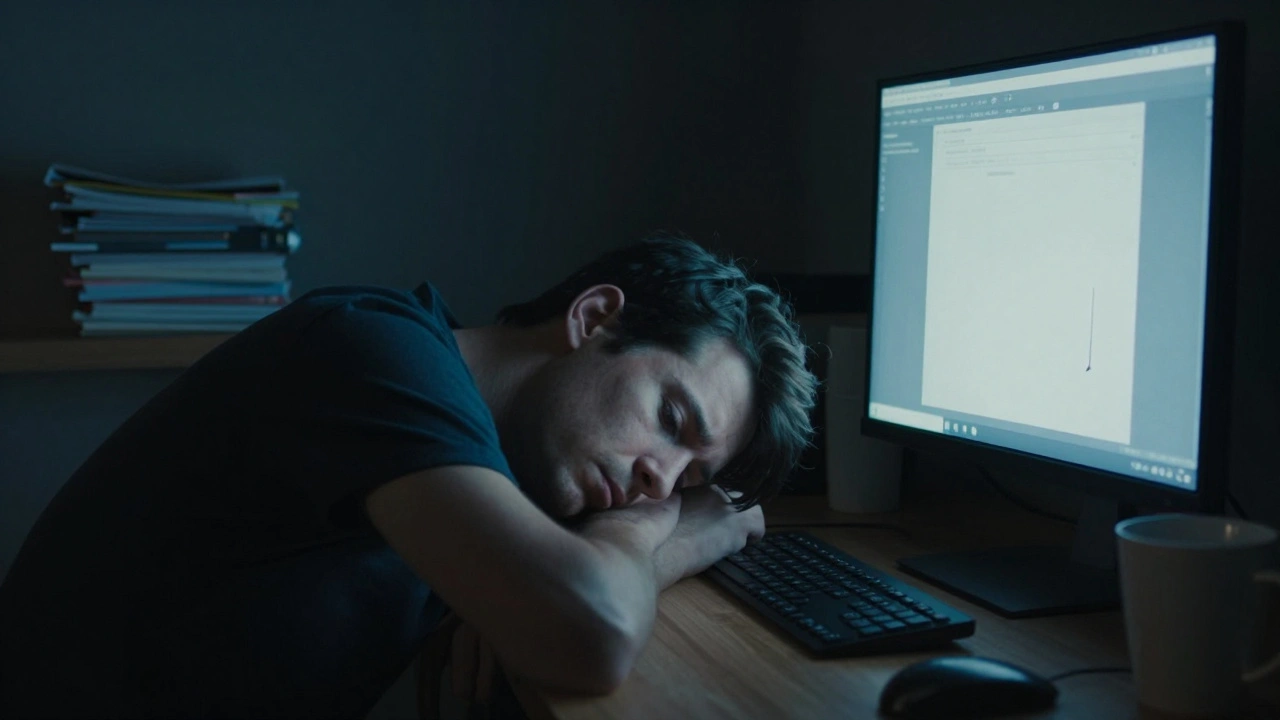
Writing a review for a movie you love is a rush. Writing one for a movie you hate is a challenge. But writing the fiftieth review of the season while staring at a blinking cursor at 3:00 AM? That is where the danger lies. For many, reviewer burnout isn't just feeling tired; it is a complete emotional disconnect from the art of cinema. When the magic of a dark theater is replaced by the stress of a ticking deadline, the quality of criticism suffers, and the critic's mental health takes a hit.
Key Takeaways for Sustainable Criticism
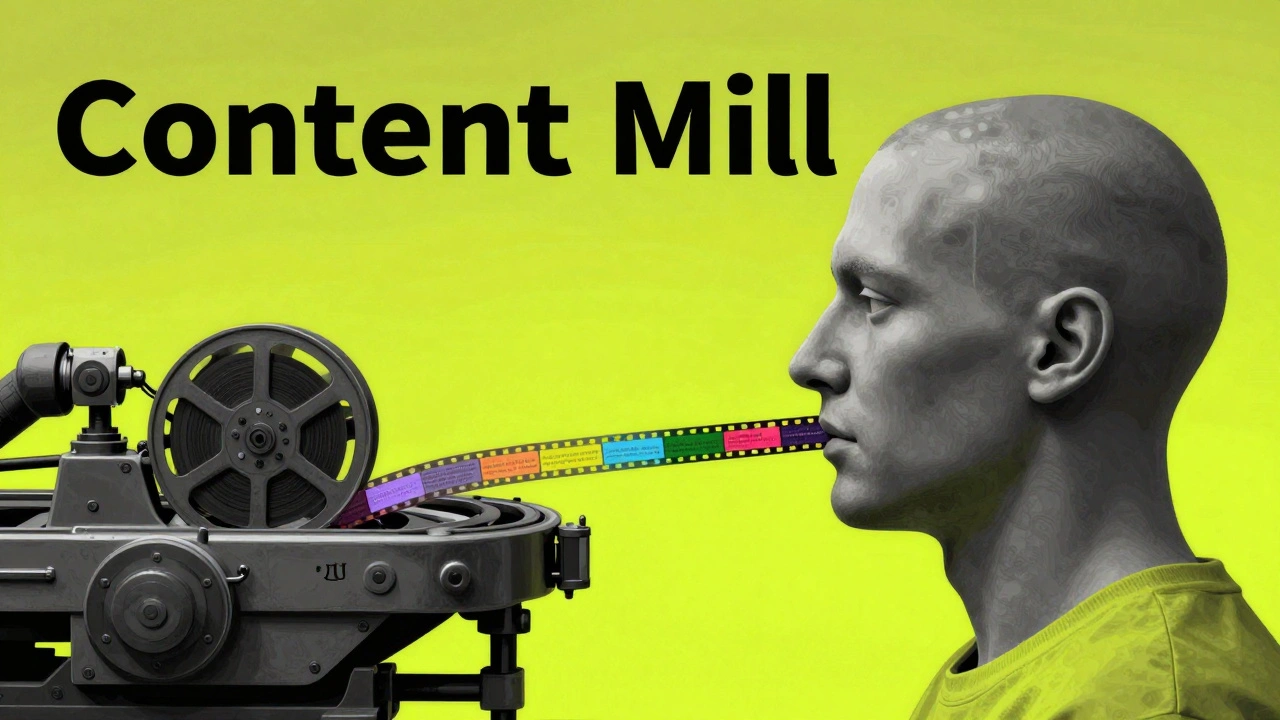
- The 'Content Mill' pressure creates a volume-over-value crisis in modern journalism.
- Emotional exhaustion stems from the gap between passionate analysis and rapid-fire output.
- Setting hard boundaries with digital platforms is essential for longevity.
- Diversifying your critical voice prevents the stagnation of your creative perspective.
The Content Mill Trap and the Death of Nuance
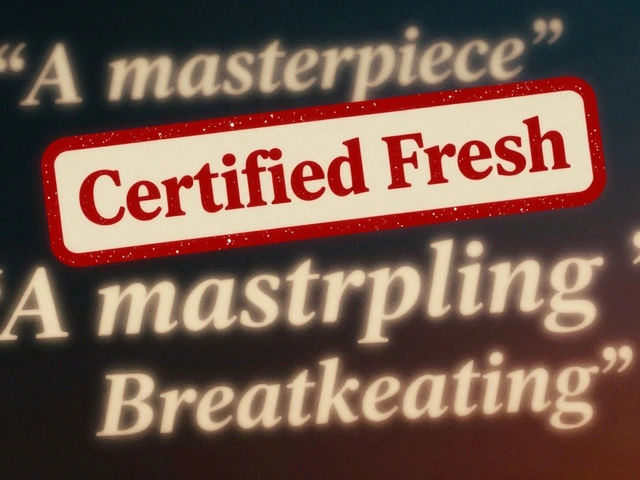
In the early days of cinema, a critic had a week to let a film breathe before publishing. Today, the industry is dominated by the Attention Economy, a system where information is treated as a commodity and speed of delivery determines visibility in search rankings. This has birthed the "content mill" culture. If you aren't the first to post a review the second the credits roll, you lose clicks.
This race to be first turns Film Journalism, the professional practice of analyzing and critiquing motion pictures for public consumption into a conveyor belt. When a writer is forced to produce three reviews a day to satisfy an algorithm, the brain switches from critical thinking to pattern recognition. You stop asking "Why does this scene matter?" and start asking "What keywords will make this rank?" This shift is the primary driver of burnout because it strips the intellectual reward from the work.
Identifying the Symptoms of Critical Fatigue
How do you know when you've crossed the line from "busy" to "burnt out"? It usually starts with a feeling of apathy. You find yourself watching a masterpiece and feeling absolutely nothing. Or, you start dreading the cinema. When the act of watching a film feels like an obligation rather than a pleasure, you're in the red zone.
Physical signs often follow. Insomnia, a constant feeling of brain fog, and a cynical attitude toward your audience are common. You might notice that your writing becomes formulaic. You use the same adjectives-"stunning," "visceral," "derivative"-without actually thinking about what they mean. This is a defense mechanism; your brain is trying to save energy by automating a task it no longer enjoys.
| Symptom | Normal Stress | Reviewer Burnout |
|---|---|---|
| Deadline Pressure | Stressful but motivating | Paralyzing anxiety or total apathy |
| Viewing Experience | Occasionally tedious | Active dread of the theater |
| Writing Quality | Varies by project | Repetitive and formulaic patterns |
| Recovery | Weekend off fixes it | Weeks of rest don't restore passion |
The Psychology of the 'Hate-Watch' and Emotional Labor
Film critics often perform a huge amount of Emotional Labor, the process of managing feelings and expressions to fulfill the emotional requirements of a job. Imagine spending two hours watching a movie that is genuinely offensive or painfully boring, knowing you have to spend another four hours analyzing it.
When you consistently engage with bad art for a living, it drains your mental battery. The "hate-watch"-watching something specifically to tear it apart-can be a temporary adrenaline rush, but over time, it breeds a toxic cynicism. If your brand is built on being the "harshest critic," you are essentially training your brain to look for flaws rather than merits. This creates a negative feedback loop that makes it nearly impossible to enjoy cinema as a hobby.
Strategies for a Sustainable Career in Criticism
So, how do you survive this without quitting the industry? The first step is reclaiming your time. You have to stop treating your brain like a 24/7 news cycle.
- The "Palate Cleanser" Rule: After a heavy streak of blockbuster reviews, watch something completely outside your beat. If you've been reviewing MCU movies, spend a weekend with 1960s French New Wave or an obscure documentary. This resets your aesthetic expectations.
- Batching and Buffering: Instead of writing the review immediately after the film, give yourself a 24-hour "soak period." Let the themes settle. This prevents the frantic, low-quality output that leads to burnout.
- Diversifying Mediums: If you write for a living, try discussing films via audio or video. Switching the medium of expression engages different parts of the brain and can make the process feel fresh again.
- Strict Digital Boundaries: The Social Media, interactive technologies that facilitate the creation and sharing of information via virtual communities feedback loop is a killer. Turn off notifications for X (Twitter) and Letterboxd for a few hours after publishing. The instant gratification of a "like" or the instant anger of a fan is an emotional rollercoaster that exhausts you faster than the writing itself.
Rebuilding Your Relationship with Cinema
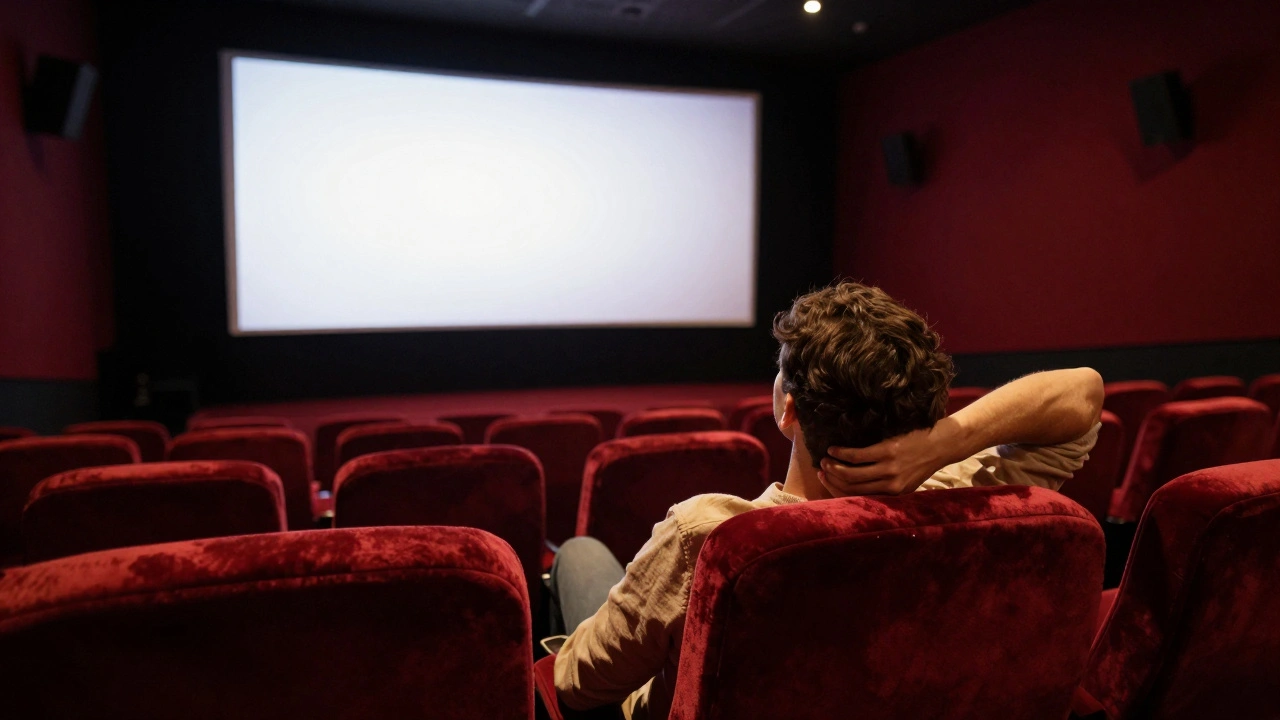
To stay sustainable, you must decouple your identity from your output. Many critics fall into the trap of believing that if they aren't "on," they are failing. In reality, the best critics are those who allow themselves to be silent. Silence is where the best insights are born.
Start a "Private Viewing" list. These are films you watch that you promise never to review. No notes, no rating, no social media post. By removing the expectation of a deliverable, you rediscover the joy of being a spectator. This creates a mental sanctuary where cinema is a source of replenishment rather than a resource to be mined.
The Role of Editorial Support and Industry Change
Individual self-care is great, but the systemic issues of Digital Publishing, the process of distributing content online through platforms like blogs, news sites, and social media need to change. Editors need to move away from "clicks per hour" as the only metric of success.
Publications that prioritize deep-dive essays over rapid-fire reviews tend to have critics with longer careers. When a publication values a "thought piece" that takes a week to write over ten "quick takes" that take an hour, it allows the writer to engage with the art on a human level. This structural shift is the only way to truly eliminate burnout on a wide scale.
Can I avoid burnout if I work as a freelance critic?
Freelancing offers more control, but it also creates "income anxiety," which can be just as draining as a content mill. The key is to diversify your clients so you aren't reliant on one platform's demanding algorithm. Set a hard limit on the number of reviews you take per month to ensure you have time for non-work viewing.
Does switching to a different genre help with burnout?
Yes, provided the change is genuine. If you are burnt out on "prestige cinema," moving to B-movies or animation can provide a fresh perspective and a different emotional rhythm. However, if the process of writing is what's exhausting you, a change in genre is only a temporary fix.
How do I deal with audience backlash without burning out?
Understand that most online reactions are a response to the idea of your review, not you as a person. Create a "buffer zone"-do not read comments for the first 24 hours after a review goes live. This allows you to detach your self-worth from the public reception of your work.
Is it possible to recover once you've already hit a wall?
Absolutely, but it requires a total break. A "cinema detox" where you avoid all movie-related media-including news and social media-for two to four weeks is often necessary. You need to let your brain forget the pressure of analysis before you can find the joy of watching again.
What is the best way to track my mental health while reviewing?
Keep a simple journal of your "energy levels" after each film. If you notice a trend where you feel consistently drained or angry after watching movies you used to enjoy, it's a sign that you need to scale back your workload immediately.




Comments(6)