
Most indie filmmakers treat the release window as a afterthought. They finish the edit, maybe get some festival buzz, and then throw the movie at every platform they can find. It’s a chaotic mess that often leaves money on the table. But if you look at the data from successful mid-budget independent films over the last few years, a clear pattern emerges. The biggest revenue spikes don't happen when the film is "available everywhere." They happen when the audience feels a sense of urgency to watch it now, or specifically here.
Window planning is the strategic sequencing of where and how your film is released. It isn't just about picking dates; it's about controlling scarcity. You are managing the transition from a limited-access event (theatrical or exclusive digital) to a mass-access commodity (streaming). Get this wrong, and you cannibalize your own revenue. Get it right, and you extend the life of your IP significantly.
The Core Pillars of Digital Distribution
To plan effectively, you need to understand the four main digital models. Each serves a different purpose in the lifecycle of your film. Confusing them leads to poor financial outcomes. Here is what each one actually does for your bottom line.
- PVOD (Premium Video On Demand): This is the digital equivalent of a theatrical ticket. The viewer pays a premium fee, typically between $19.99 and $24.99, to rent or buy the film. It requires high demand and strong marketing push because the price point is higher than standard streaming.
- TVOD (Transactional Video On Demand): Often used interchangeably with PVOD in casual conversation, but technically, TVOD covers both rental and purchase transactions. In practice, when we say "TVOD window," we usually mean the period where the film is available for rent ($5.99 - $7.99) or purchase ($14.99 - $19.99) on platforms like Apple TV, Amazon Prime Video Store, or Vudu.
- SVOD (Subscription Video On Demand): This is the Netflix, Hulu, or Max model. The viewer doesn't pay per title; they pay a monthly fee. For the filmmaker, this means lower upfront revenue but broader exposure. It is ideal for keeping the film visible without demanding immediate action from the viewer.
- AVOD (Advertising Video On Demand): Platforms like Tubi, Pluto TV, or Crackle. The viewer pays nothing, but watches ads. Revenue share is low, but the volume of views can be massive. This is the long-tail play.
Why Scarcity Drives Indie Revenue
You might think, "Why not just put it on everything at once? More eyes = more money." The data says otherwise. When a film is available on five platforms simultaneously, the perceived value drops. If I can see it free on Tubi, why would I pay $19.99 on Apple TV? This is known as price anchoring. By holding back the free options, you keep the premium option attractive.
For indie films, the first 30 days post-release are critical. This is when your core fanbase is most engaged. If you dilute that engagement by offering the film for free too early, you lose the leverage needed to drive those high-margin PVOD sales. A classic mistake is releasing a film to SVOD two weeks after its premiere. That kills the momentum for any subsequent PVOD or TVOD pushes. You need to let the hunger build.
Constructing Your Release Timeline
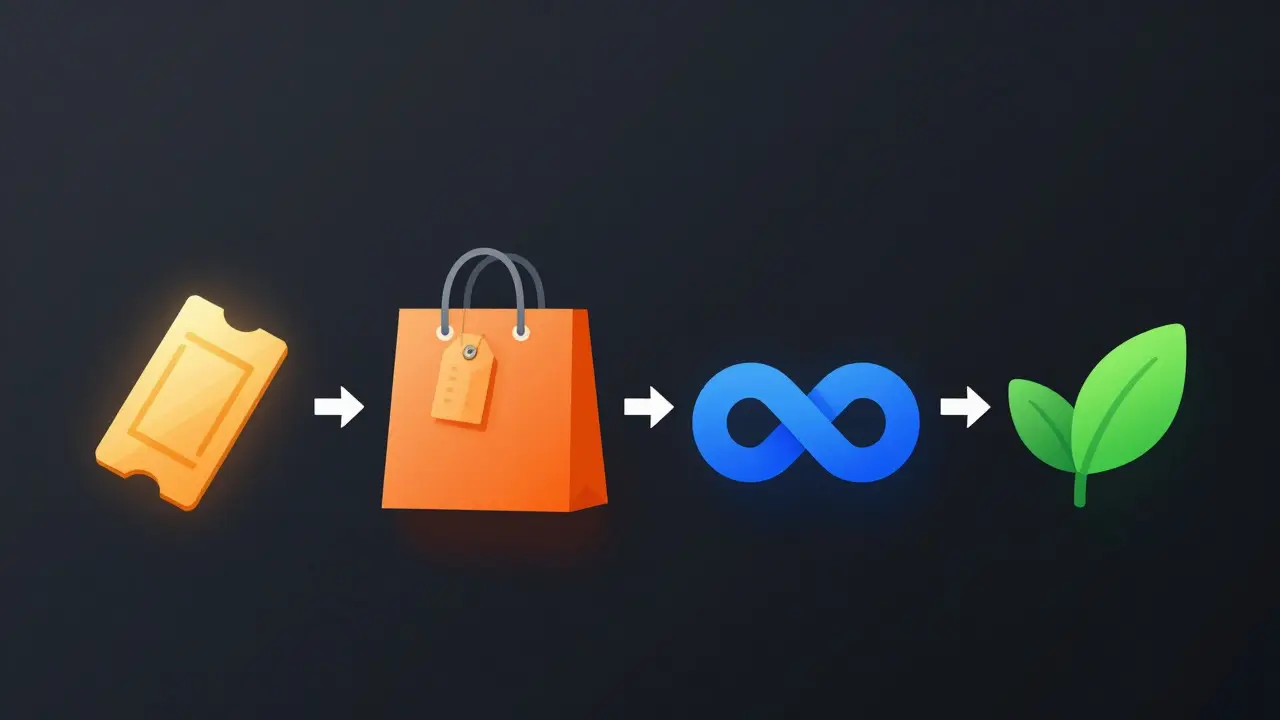
There is no single "correct" timeline, but there are proven structures that work for most indie features. The key is spacing out the windows so each one has a distinct reason to exist. Here is a practical framework you can adapt based on your budget and marketing reach.
- The Theatrical/Exclusive Launch (Days 0-30): Even if it's a small theatrical run or a limited online premiere, establish the film as an event. This builds press coverage and social proof.
- The PVOD/TVOD Window (Days 31-60): This is your money maker. Push hard here. Use trailers, influencer reviews, and targeted ads. The goal is to capture the audience who wants to watch it immediately but missed the theatrical window. Keep it exclusive to transactional platforms during this time.
- The SVOD Entry (Days 90-120): Once the initial hype settles, move the film to a major subscription service. This re-introduces the film to a broader audience. It’s not about making huge profits here; it’s about maintaining visibility and building a library presence.
- The AVOD/Freemium Phase (Day 180+): After the SVOD contract expires or alongside it (depending on exclusivity deals), drop the film onto ad-supported platforms. This is the long tail. It keeps the film alive for years and can even generate new interest if the film finds a cult following.
Navigating Platform Exclusivity
One of the biggest hurdles in modern distribution is exclusivity. Major SVOD platforms often want 12-month exclusivity. If you sign with Netflix for a year, you can't sell PVOD rights during that time. This changes your strategy entirely. If you go the SVOD-first route, you sacrifice the high-margin PVOD window. Is that worth it?
It depends on your goals. If you want maximum immediate cash flow, avoid long-term SVOD deals. Stick to PVOD and TVOD for the first six months, then shop around for shorter SVOD terms or AVOD deals. If you want brand recognition and prestige, a big SVOD deal might be worth the lower upfront payout. Just make sure you read the fine print regarding international rights and ancillary revenues like physical media or broadcast TV.
| Model | Typical Price Point | Revenue Share (Filmmaker) | Best For | Risk |
|---|---|---|---|---|
| PVOD | $19.99 - $24.99 | 50% - 70% | High-demand titles, strong marketing | Requires significant ad spend to convert |
| TVOD (Rental) | $5.99 - $7.99 | 50% - 60% | Casual viewers, impulse buys | Lower per-unit revenue |
| SVOD | Monthly Sub | Lump Sum or Low % | Visibility, brand building | Exclusivity locks out other revenue |
| AVOD | Free | Low % (per view) | Long-tail exposure, cult building | Minimal direct revenue |

Common Mistakes to Avoid
I’ve seen plenty of good films fail commercially simply because of bad timing. Here are the traps that catch most first-time distributors off guard.
- Simultaneous Releases: Dropping the film on SVOD and PVOD on the same day. This kills the premium feel and confuses the audience. Pick a lane for the first month.
- Ignoring Regional Differences: What works in the US might not work in Europe or Asia. Sometimes, you can release PVOD in the US while running a theatrical campaign in London. Don't assume a global one-size-fits-all schedule.
- Underestimating Marketing Costs: PVOD is expensive to market. If you don't have a budget for targeted social ads and email campaigns, you might get better ROI from a flat-fee SVOD deal.
- Forgetting Physical Media: Believe it or not, Blu-rays still sell for niche genres like horror, sci-fi, and documentary. Including a physical release in your window plan can tap into collector markets that digital ignores.
Measuring Success Beyond Box Office
When you plan your windows, define what success looks like before you start. Is it pure profit? Is it audience growth? Is it qualifying for awards? Different metrics require different strategies. If you're aiming for Oscar eligibility, you need a specific theatrical run duration. If you're aiming for quick recoupment, PVOD is your best friend. Align your window choices with your primary business goal, not just what feels easiest.
Ultimately, window planning is about respecting your audience's attention. You are asking them to invest time and money. Give them a reason to do it now, rather than waiting for it to appear in their feed next month. Control the narrative, control the timing, and you control the outcome.
What is the difference between PVOD and TVOD?
PVOD (Premium Video On Demand) refers to the high-price-point release phase, typically $19.99+, often mirroring theatrical pricing. TVOD (Transactional Video On Demand) is the broader category that includes both rentals and purchases. In practice, the "PVOD window" is the initial launch phase, while "TVOD" may refer to the ongoing availability for rent/buy at lower prices.
How long should the gap be between theatrical and digital release?
For indie films, a 30-to-45-day gap is common. This allows the theatrical buzz to settle and creates urgency for the digital release. However, if your theatrical run was very limited, you might shorten this to 21 days to maintain momentum.
Is AVOD worth it for small indie films?
Yes, but primarily for long-term exposure. The immediate revenue is low. However, being on platforms like Tubi or Pluto TV keeps your film discoverable for years, which can help with future projects or establishing a directorial brand.
Can I release my film on multiple SVOD platforms at once?
Rarely. Most major SVOD platforms require exclusivity periods. You might be able to license non-exclusive rights to smaller regional services, but competing against Netflix or Amazon usually means losing the deal. Plan for one primary SVOD partner at a time.
Does window planning affect award eligibility?
Yes. Organizations like the Academy of Motion Picture Arts and Sciences have specific rules about theatrical runs and digital releases. Releasing a film digitally too early can disqualify it from certain categories. Always check current eligibility rules before finalizing your schedule.






Comments(10)