For decades, independent cinema has been the heartbeat of bold storytelling-where budgets are tight, but vision is limitless. Yet behind the scenes, a quiet revolution has been unfolding, led by women of color who refused to wait for permission to tell their stories. They picked up cameras, pooled their savings, knocked on doors, and built movements from the ground up. Today, their films aren’t just being seen-they’re reshaping what cinema can be.
Breaking the Mold Before It Was Cool
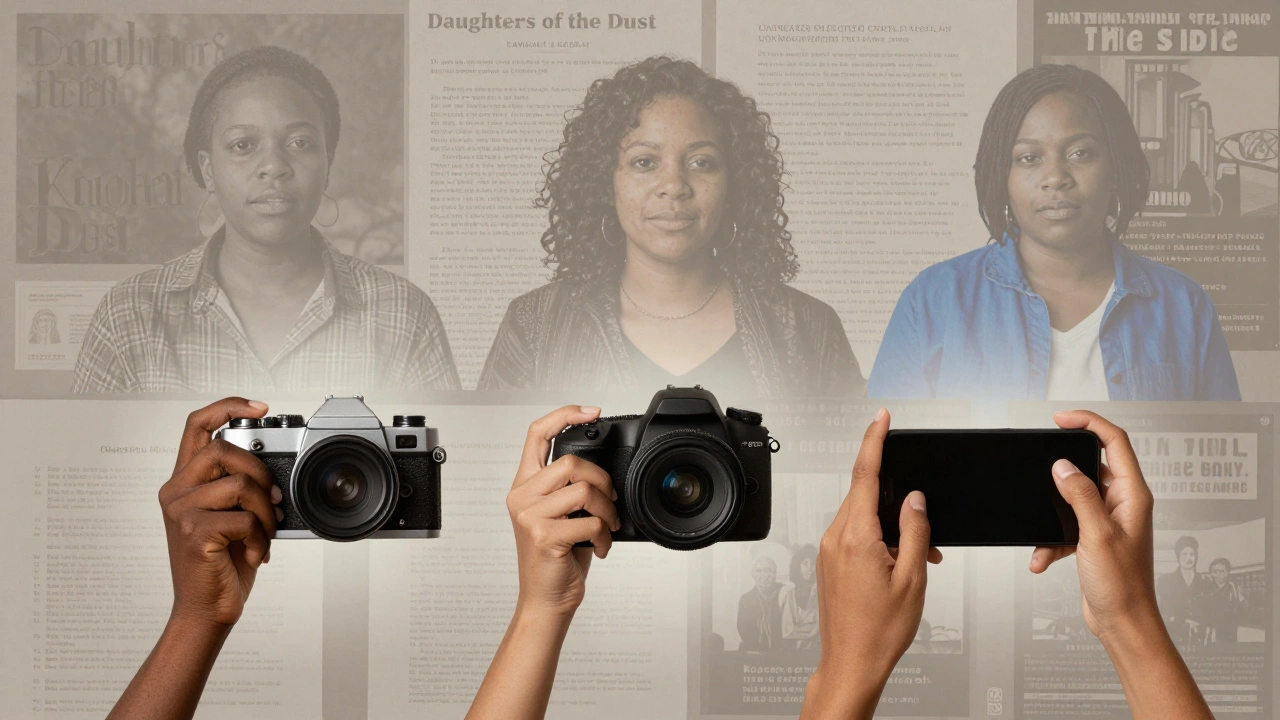
In the 1980s and 1990s, Hollywood rarely cast women of color as leads, let alone let them direct. When they did, it was often in roles that reinforced stereotypes. But filmmakers like Julie Dash, with her 1991 film Daughters of the Dust, proved that stories centered on Black women’s lives could be visually poetic, emotionally rich, and commercially viable-even without studio backing. Shot on a shoestring budget of $1.2 million, the film premiered at Sundance and was later added to the National Film Registry by the Library of Congress. It wasn’t an accident. It was a blueprint.
Across the Pacific, Latina filmmakers like Patricia Cardoso were doing the same. Her 2002 film Real Women Have Curves, made with $1.5 million raised from community donations and grants, became a cultural touchstone. It showed Mexican-American girls navigating identity, body image, and family pressure-not as side characters, but as the entire world of the story. The film didn’t need explosions or CGI. It just needed truth.
The Tools They Used (And Still Use)
These women didn’t have access to studio pipelines. So they built their own. They used affordable digital cameras. They shot in neighborhoods they knew-church basements, kitchen tables, street corners. They recruited friends as crew, bartered editing time for meals, and screened films in libraries and community centers.
By the 2010s, the rise of platforms like Vimeo and YouTube gave them new ways to reach audiences. But the real game-changer was crowdfunding. When Ava DuVernay launched her 2014 film Selma, she didn’t just raise money-she built a movement. Over 12,000 people donated, many giving $5 or $10. That grassroots energy became the foundation for her later work and inspired a generation.
Today, collectives like the Black Women Film Network and Latina Film Institute offer mentorship, equipment loans, and distribution help. These aren’t charity programs-they’re ecosystems. One filmmaker gets a grant, then hires three others. A director teaches a workshop, and five students go on to make their own films. The movement grows by multiplication, not by top-down funding.
What They’re Telling Now
The stories these filmmakers tell are not monolithic. They’re as diverse as the communities they come from.
- Indigenous filmmakers like Trudie Lamb-Richmond and Chloé Zhao (before her mainstream success) have centered Native sovereignty, land memory, and spiritual continuity in films like The Rider and Thunder Heart.
- South Asian women like Deepa Mehta and Radha Blank have explored diaspora, generational trauma, and the pressure to assimilate in films like Fire and The 40-Year-Old Version.
- East Asian women like Lee Sung Jin and Chloé Zhao have brought quiet, intimate portraits of immigrant families to life-no villains, no tropes, just real people trying to belong.
These aren’t niche stories. They’re universal. And audiences are responding. In 2024, films led by women of color accounted for 18% of all independent releases in the U.S.-up from just 3% in 2010. That’s not just progress. That’s a seismic shift.
How They’re Changing the Industry
It’s not enough to make great films. These filmmakers are changing the rules of the game.
They’re demanding equity in funding. The Women of Color Film Fund, launched in 2021, has distributed over $5 million to 127 projects-92% of which were directed by women of color. The fund doesn’t require a finished script. It funds development. That’s huge. Most grants demand polished pitches. These women get money to figure it out.
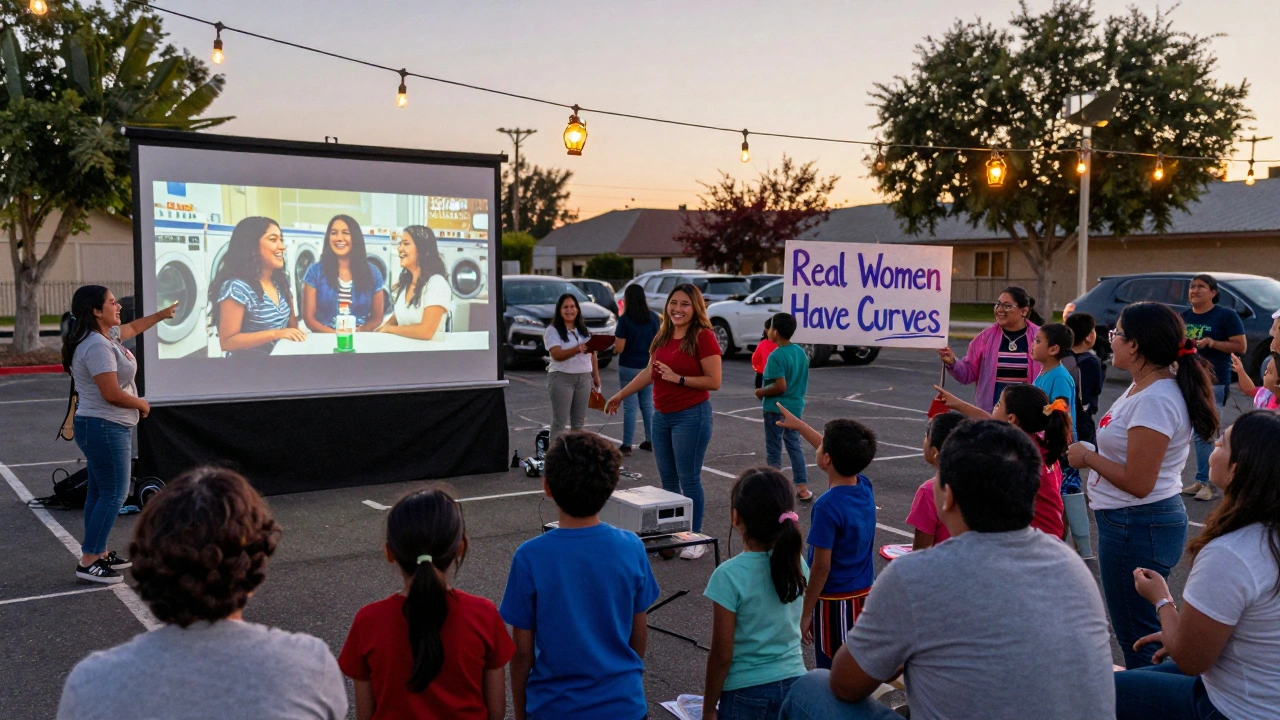
They’re also rewriting distribution. Instead of waiting for Netflix or Amazon to say yes, they’re creating their own networks. The Indigenous Film Circuit now tours 47 reservations and tribal centers, screening films for communities that mainstream distributors ignore. The Latina Film Collective partners with public libraries in 14 states to host monthly screenings, followed by Q&As with the filmmakers.
And they’re training the next wave. At film schools like NYU and USC, women of color now make up 31% of graduating directing students-up from 9% in 2015. That’s not luck. It’s strategy. They’re not just getting in the room. They’re building the room.
The Cost of Visibility
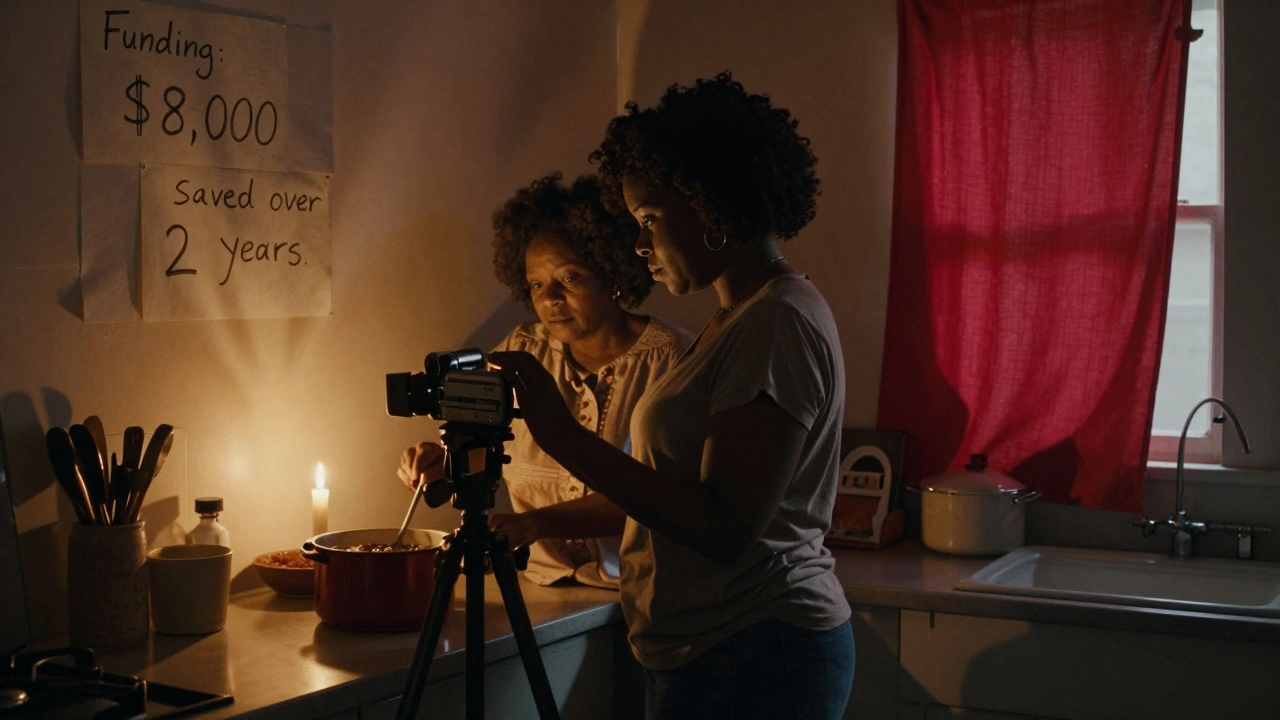
But this progress didn’t come without cost. Many of these filmmakers work two or three jobs to fund their projects. Some have taken out second mortgages. Others have gone without healthcare for years. One director in Oakland told me she spent two years saving just $8,000 to shoot her first short. She used her mother’s old camcorder. She edited on a laptop she bought from Craigslist.
And when they do get recognition, it often comes with strings attached. A studio might want them to “make it more universal”-meaning, less culturally specific. A festival might ask them to “tone down the politics.” These aren’t small requests. They’re erasures.
That’s why so many now choose to stay independent. They’d rather make $20,000 on a film they believe in than $2 million on one that dilutes their voice.
What’s Next?
The movement isn’t slowing down. In 2025, over 300 films directed by women of color are in pre-production across the U.S. and Canada. Many are funded through new models: community bonds, film cooperatives, and even blockchain-based token systems that let viewers invest small amounts and earn a share of future profits.
Streaming platforms are starting to notice. HBO’s new “Voices Unfiltered” initiative has committed $100 million over five years to support women of color-led projects. But the real power lies outside the corporate structures. The future of independent cinema isn’t in Silicon Valley-it’s in living rooms, community centers, and film festivals held in parking lots.
These women didn’t wait for a seat at the table. They built their own table. And now, everyone’s invited.
Why are women of color filmmakers considered the backbone of independent cinema today?
Women of color filmmakers are the backbone of independent cinema because they’ve consistently filled gaps left by mainstream Hollywood. While studios focused on formulaic stories, these filmmakers turned to their own communities for authentic narratives-stories about immigration, cultural identity, intergenerational trauma, and resilience. With limited funding, they used creativity, community networks, and digital tools to produce work that resonated globally. Their films often carry cultural specificity that studios avoid, making them essential to the diversity and emotional depth of modern cinema.
How do women of color filmmakers fund their projects without studio backing?
They rely on a mix of grassroots strategies: crowdfunding platforms like Kickstarter and Seed&Spark, community fundraising events, film grants from nonprofits like the Sundance Institute and the Ford Foundation, and personal savings. Many also form collectives that pool resources-lending cameras, sharing editing software, or trading skills (like sound design for childcare). Some now use innovative models like community bonds, where local audiences invest small amounts in exchange for future film profits or exclusive screenings.
What are some key organizations supporting women of color in film today?
Organizations like the Black Women Film Network, Latina Film Institute, Asian American International Film Festival, and the Women of Color Film Fund provide grants, mentorship, equipment access, and distribution support. The Indigenous Film Circuit and Latina Film Collective focus on community-based screenings and outreach. These groups don’t just fund films-they build ecosystems where filmmakers can thrive without conforming to mainstream norms.
Can independent films by women of color compete commercially?
Absolutely. Films like The 40-Year-Old Version and Minari (co-produced by a Latina producer) grossed over $20 million each on modest budgets. Daughters of the Dust was restored and re-released in theaters in 2017 and became a cult classic. Streaming platforms now actively seek out these films for their cultural authenticity and global appeal. Commercial success doesn’t mean big budgets-it means deep audience connection, and women of color filmmakers excel at that.
Why do some women of color filmmakers reject major studio deals?
Many reject studio deals because they come with creative compromises-changing character names, removing cultural details, or toning down political themes to make stories “more relatable” to white audiences. These changes often erase the very essence of the story. Some filmmakers choose to retain full creative control, even if it means smaller audiences. They’d rather make one honest film than ten diluted ones. Their independence isn’t a limitation-it’s their strength.
From the backrooms of community centers to the screens of Sundance, women of color are not just participating in independent cinema-they’re defining it. Their stories aren’t waiting to be told. They’ve already been told. And now, the world is finally listening.



Comments(5)