
The High Stakes of Going Global
Shipping a movie across borders isn't as simple as adding subtitles and hoping for the best. You're not just moving a file; you're trying to fit a cultural product into a completely different social ecosystem. If you treat the entire world as one giant market, you'll likely leave millions of dollars on the table-or worse, alienate the very audience you're trying to reach. The real challenge of International Film Distribution is balancing a consistent brand image with the hyper-local needs of different territories. Most indie filmmakers and mid-sized studios make the mistake of thinking a "global release" means hitting the same date everywhere. In reality, the gap between a premiere in Los Angeles and a release in Seoul involves vastly different regulatory hurdles, viewing habits, and competitive landscapes. To make it work, you need a strategy that treats each region as a unique puzzle to solve.Key Takeaways for Global Success
- Avoid "one-size-fits-all" release dates; stagger them based on regional holidays and competition.
- Localization goes beyond language; it involves cultural sensitivity and regional marketing hooks.
- Distribution windows are shifting; the gap between theaters and streaming varies wildly by country.
- Partnering with local distributors is usually safer than trying to manage foreign markets from a home office.
Decoding the Modern Distribution Window
For decades, the industry relied on a strict sequence: theaters, then DVD/Blu-ray, then cable, then network TV. That world is gone. In 2026, Distribution Windows is the period of time a film remains exclusive to a specific platform before moving to the next. But here's the catch: these windows are now fluid and differ by region.
In North America, we're seeing a trend toward shorter theatrical windows-sometimes as little as 17 to 45 days before a film hits a PVOD (Premium Video on Demand) service. However, in markets like France, strict laws protect the theatrical experience, forcing longer gaps before a movie can appear on streaming platforms. If you're a distributor, you can't apply a US-centric window to a European market without risking legal trouble or losing your theatrical partners.
Then you have the "Direct-to-Streaming" play. While this works for some niche documentaries or low-budget horror, it can kill the prestige of a film in markets where cinema-going is a major social event. If your goal is awards season recognition, you need a theatrical footprint in key cities like London, New York, and Tokyo, even if the bulk of your revenue comes from digital platforms.
Localization: More Than Just Subtitles
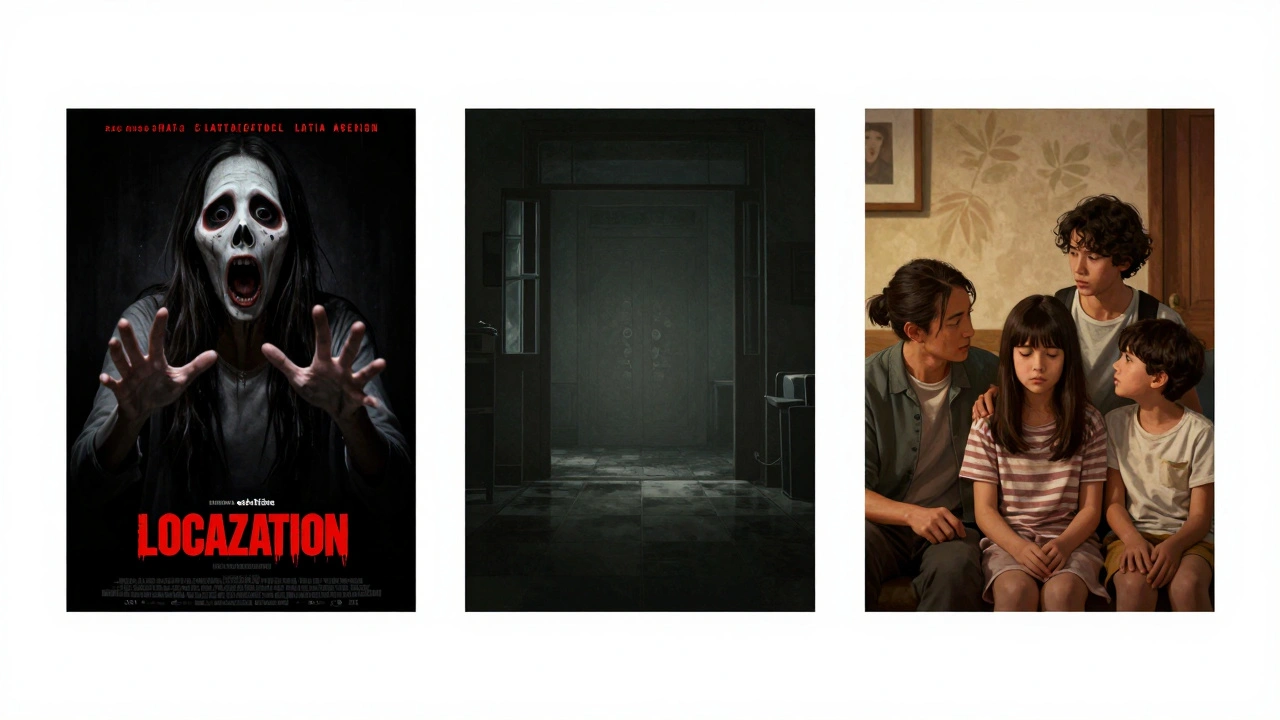
Many people mistake Localization for simple translation. In reality, localization is the process of adapting a film's entire presence to feel native to a specific region. This includes everything from the dialogue to the poster art and the trailer music.
Consider the psychological triggers of different audiences. A horror movie trailer that works in the US-relying on jump scares and loud noises-might feel cheap or unappealing in Japan, where psychological dread and atmospheric tension often carry more weight. You might need to edit a completely different trailer for the East Asian market to hit those specific emotional notes.
Then there's the matter of "Cultural Translation." Sometimes a joke that kills in English is completely nonsensical in Spanish. Instead of a literal translation, great localization teams use "transcreation," where they rewrite the line to evoke the same feeling or humor, even if the words change. If you're using Dubbing, the choice of voice actor can change the perceived class or personality of your lead character, which can either help or hinder your movie's reception.
| Market Region | Preferred Format | Key Localization Focus | Typical Window Strategy |
|---|---|---|---|
| North America | Subbed/Original | Digital Hype / Social Media | Short Theatrical → Fast PVOD |
| Latin America | Dubbed | Emotional Connection / Family | Mid-length Theatrical → SVOD |
| Western Europe | Mixed | Artistic Merit / Critical Reviews | Long Theatrical (Legal Protections) |
| East Asia | Subbed/Dubbed | Visual Aesthetics / Genre Tropes | High-impact Limited Release |
Navigating Regional Licensing and Regulations
You can't just upload a movie to a global server and call it a day. Each country has its own set of rules regarding Content Licensing, which are the legal agreements that grant a distributor the right to exhibit a film in a specific territory. These licenses are often split by "territories"-North America, UK/Ireland, Benelux, etc.
The biggest headache? Censorship and rating boards. In the US, the MPAA handles ratings, but in other countries, the process is far more intrusive. In some Middle Eastern markets, you may be required to cut specific scenes involving intimacy or politics to get a distribution license. The dilemma here is whether to provide a "clean" edit or refuse the market entirely. Most commercial distributors opt for the clean edit because a 10% cut in a script is better than a 100% loss of a million-person market.
Quotas are another hidden obstacle. Many European countries have laws requiring a certain percentage of screen time be dedicated to domestic films. This means your international blockbuster might find itself pushed out of prime time slots to make room for a local indie film. To get around this, smart distributors partner with local production houses to co-produce the film, which allows the movie to be classified as a "local" production.
The Role of the Sales Agent and Local Distributor
Trying to manage fifty different international markets from a single office in the US is a recipe for burnout. This is where Sales Agents come in. A sales agent acts as the bridge between the producer and the worldwide market. They attend festivals like Cannes or AFM to sell the film to local distributors.
The local distributor is your boots-on-the-ground partner. They know which cinema chains in Mexico are the most aggressive, which influencers in Brazil actually move tickets, and how to navigate the local tax laws. While you give up a percentage of the profit to these middlemen, the tradeoff is a massive increase in reach and a decrease in risk. They handle the P&A (Prints and Advertising) spend, which is the actual cost of getting eyes on the screen.
The key to a successful relationship with a local distributor is trust and flexibility. If you insist on total creative control over the marketing, you might ignore the distributor's warning that your lead image is offensive or boring in their culture. Let the locals lead the marketing; they know their audience better than you do.

Digital Transformation and the "Global Day-and-Date"
The rise of SVOD (Subscription Video on Demand) services like Netflix and Disney+ has introduced the concept of the "Day-and-Date" release. This is when a movie premieres in theaters and on a streaming platform simultaneously across the globe.
While this sounds efficient, it's a double-edged sword. On the plus side, it kills piracy. If a movie is available legally in every country at once, people are less likely to seek out a low-quality bootleg from a different region. On the downside, it annihilates the theatrical window and can lead to a conflict with cinema owners who feel cheated out of their exclusive run.
For high-budget tentpole films, the day-and-date approach is becoming rarer as studios realize that the theatrical experience drives the "event" status that makes the later streaming run more valuable. For indie films, however, a strategic digital-first release in smaller markets can build the necessary momentum to secure a limited theatrical run in larger cities.
What is the biggest risk of a simultaneous global release?
The primary risk is the loss of regional nuance. A marketing campaign that works in the US may fail in Asia, and if you launch everything at once, you don't have time to pivot based on early feedback from a "test" market. Additionally, you risk alienating cinema owners who rely on exclusivity to drive ticket sales.
How do I choose between dubbing and subtitling?
It depends on the target market. In countries like Germany, France, and Spain, dubbing is the standard for mainstream cinema and is often preferred by general audiences. In contrast, Nordic countries have a higher tolerance and preference for subtitles. For prestige or "art-house" films, subtitles are generally preferred globally to maintain the original performance's integrity.
Do I need a different trailer for every country?
Not necessarily a completely different one, but you should have "modular" trailers. This means having different hooks, music, or focal points that can be swapped out. For example, a romance-heavy trailer for a market that loves melodrama and an action-heavy version for a market that prefers thrillers.
What are "territory rights" in film distribution?
Territory rights are the legal permissions to distribute a film in a specific geographic area. A producer might sell the rights for North America to one company and the rights for Asia to another. This allows the producer to get upfront money (minimum guarantees) from multiple sources while letting local experts handle the actual release.
How has piracy affected international distribution strategies?
Piracy has forced the industry toward shorter windows and more simultaneous releases. When the gap between the US premiere and the international release was six months, piracy was rampant. By narrowing that window or using SVOD platforms, studios provide a convenient legal alternative that reduces the incentive to download illegally.
Next Steps for Independent Producers
If you're preparing to take your project international, start by identifying your "anchor markets." These are the 2-3 countries where your film's theme is most likely to resonate. Instead of a broad global push, focus your budget on these regions first to build a track record of success.
Next, build a "localization kit." This includes a high-quality script translation, a clean version of your master file for dubbing, and a variety of poster assets that aren't too dependent on a single image. Having these ready makes you much more attractive to potential sales agents and distributors.
Finally, decide on your priority: is it prestige or profit? If it's prestige, prioritize film festivals and curated theatrical runs. If it's profit, look for a strong SVOD partner who can give you a global footprint overnight, even if it means sacrificing the magic of the big screen in some territories.







Comments(8)