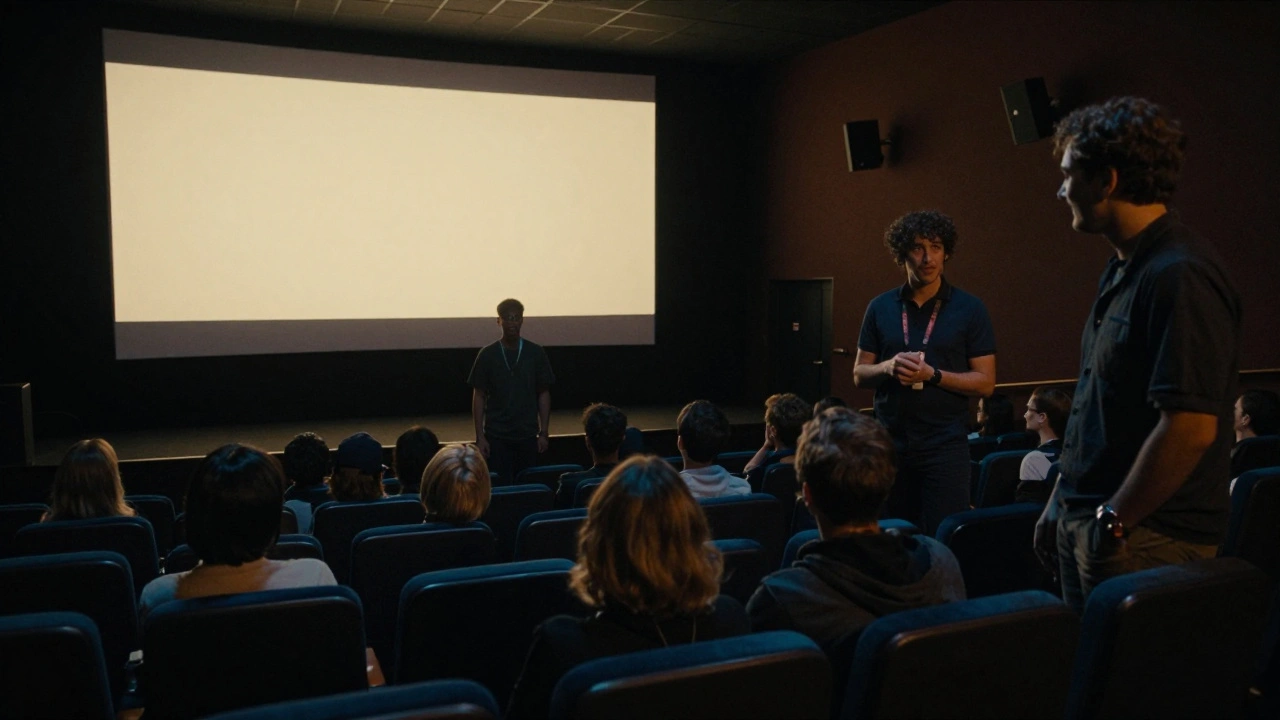
Most indie filmmakers think a film festival premiere is about awards, buzz, or bragging rights. But if you’re not using it to sell your movie, you’re leaving money on the table. The truth is, film festivals aren’t just showcases-they’re marketplaces. And the right premiere can turn your low-budget film into a deal that funds your next project.
Why Festivals Are the New Marketplace
Ten years ago, studios bought films at Sundance because they needed content. Today, streaming platforms, niche distributors, and international buyers rely on festivals to find films they can’t discover through traditional channels. A film that plays at Tribeca, Toronto, or Berlin doesn’t just get reviews-it gets seen by buyers who are actively hunting for titles to add to their libraries.
Take Little Miss Sunshine. It premiered at Sundance in 2006 and sold for $10.5 million. That’s not an outlier. In 2024, over 60% of films that secured U.S. distribution deals had their world premiere at a major festival. The same goes for international sales: a film that screens at Cannes’ Directors’ Fortnight or Venice’s Horizons section can attract buyers from Japan, Germany, Brazil, and South Korea-all in one week.
Festivals aren’t just about prestige. They’re where distributors make their buying decisions. And if you don’t have a plan to sell during that window, you’re wasting your shot.
Timing Your Premiere Matters More Than You Think
Not all festivals are created equal when it comes to sales. The timing of your premiere affects who sees your film and how much they’re willing to pay.
Here’s how the calendar works:
- January (Sundance): Best for U.S. indie dramas, comedies, and documentaries. Buyers here want emotional hooks and strong lead performances. If your film has a relatable story with a clear audience, this is your best bet for a North American deal.
- February (Berlin): Strong for European and international buyers. If your film has visual style, social commentary, or foreign language elements, Berlin can open doors in Germany, France, and Scandinavia.
- September (Toronto): The biggest sales festival. Streaming giants like Netflix, Amazon, and Apple are here in force. This is where mid-budget films get picked up for global rights. If you’re ready to sell worldwide, this is your stage.
- October (Telluride, New York): More about prestige than immediate sales. But a strong reception here can pressure buyers to act before the year ends.
- November (AFM): Not a festival-this is a market. If you didn’t sell earlier, AFM is your last chance to pitch to buyers before the year closes.
Don’t rush to Sundance if your film isn’t ready. A weak premiere can kill momentum. Wait until your film is polished, your trailer is sharp, and your sales agent is lined up. A bad premiere at Sundance can make distributors walk away for good.
How to Turn a Premiere Into a Deal
Getting your film into a festival is only half the battle. The real work happens after the screening.
Here’s what actually works:
- Get a sales agent. Most indie filmmakers try to sell their own films. That rarely works. Sales agents have relationships with buyers, know what’s selling, and can negotiate better terms. A good agent doesn’t just take a cut-they open doors you can’t access. Look for agents who specialize in your genre and have closed deals at the festivals you’re targeting.
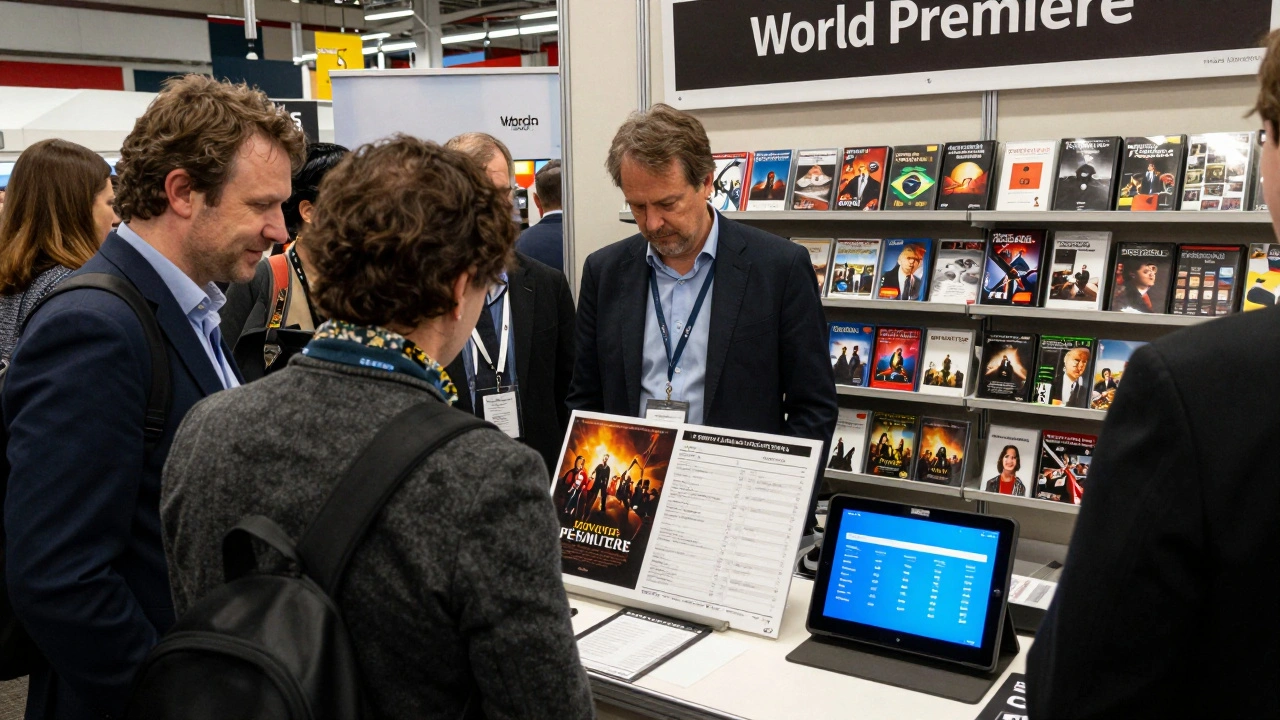
- Prepare a sales deck. Buyers don’t have time to watch your whole film. They need a one-pager: logline, target audience, comparable titles, key cast credits, festival status, and estimated budget. Include a link to your private screener. Make it easy for them to say yes.
- Book meetings in advance. Don’t wait until the festival starts. Reach out to distributors weeks before. Use LinkedIn, email, and festival networking apps. Schedule 10-15 meetings during the event. Show up prepared. Bring your sales deck, your trailer, and a clear ask: “We’re looking for a U.S. theatrical and VOD deal under $250,000.”
- Use your premiere as leverage. If your film gets a standing ovation or a glowing review from Variety or The Hollywood Reporter, send it to every buyer you’ve contacted. Say: “We had a 10-minute standing ovation at our premiere. Here’s the video. Are you still interested?”
- Be ready to negotiate. Buyers will ask for exclusivity, territorial rights, and revenue splits. Know your minimum. Don’t give away streaming rights for $50,000 if your film could earn $300,000 across platforms. Understand the difference between worldwide rights, North American rights, and theatrical-only deals.
One filmmaker I worked with premiered at Toronto with no agent. He had a $120,000 budget and a powerful documentary about refugee families. He sent out 20 emails before the festival. Got three meetings. One buyer offered $150,000 for North America. He said no. Two weeks later, after a positive review in IndieWire, he got a $400,000 offer from a streaming platform. He held out. He got the deal.
What Buyers Look For (And What They Avoid)
Buyers aren’t looking for art-they’re looking for audiences. They need to know who will watch your film and how they’ll find it.
Here’s what gets them excited:
- Clear audience targeting. “This is for women 35-55 who like The Farewell and Marriage Story.” That’s better than “it’s a drama.”
- Cast with recognition. Even a supporting actor who’s been on a popular TV show adds value. Name recognition reduces marketing risk.
- Strong visuals or tone. If your film has a unique look-like Parasite’s color grading or Everything Everywhere All at Once’s chaos-it stands out in a crowded market.
- Positive festival reception. A jury prize, audience award, or even a good review from a major outlet signals legitimacy.
Here’s what kills deals:
- Unclear rights. If you didn’t clear music, locations, or archival footage, buyers will walk away. No exceptions.
- Weak technical quality. A film shot on a phone might be emotionally powerful, but if the sound is muddy or the color grading is inconsistent, distributors won’t risk it.
- No marketing plan. Buyers don’t want to market your film. They want to know you’ve thought about how it will reach viewers.
What to Do If You Don’t Get Into a Major Festival
Not every film gets into Sundance or Cannes. That doesn’t mean you’re out of luck.
Smaller festivals like South by Southwest (SXSW), Slamdance, or the Nashville Film Festival can still attract buyers-especially if you’re strategic.
Here’s how:
- Use smaller festivals as proof of concept. If you win Best Documentary at Slamdance, use that to pitch to larger distributors.
- Partner with a virtual cinema platform like Kino Lorber or Oscilloscope. They’ll screen your film in theaters across the U.S. and split revenue.
- Run a targeted digital campaign. Use Facebook and Instagram ads to reach your niche audience. Drive traffic to your website or Vimeo On Demand. Prove you can sell tickets without a distributor.
- Approach niche distributors. Companies like Music Box Films, Zeitgeist, or Cohen Media specialize in foreign, arthouse, or documentary films. They don’t need big premieres-they need quality.
One filmmaker screened her film at the Santa Barbara Film Festival. It didn’t win anything. But she sent the screening link to 50 distributors. Three responded. One offered $75,000 for Latin America. She took it. That deal funded her next film.
Final Reality Check
Film festivals won’t save your movie. But they can give you the platform to sell it. The biggest mistake indie filmmakers make is thinking the premiere is the end goal. It’s not. It’s the starting line.
Before you submit to any festival, ask yourself:
- Do I have a sales agent or plan to get one?
- Have I prepared a sales deck and private screener?
- Do I know who my buyers are and how to reach them?
- Am I ready to negotiate-and walk away-if the offer isn’t right?
If you can answer yes to all four, you’re not just submitting a film. You’re launching a business.
The film industry doesn’t reward passion alone. It rewards preparation. And the festival circuit is the most direct path from your finished film to a check in the bank. Use it right, and you won’t just get seen-you’ll get paid.
Do I need a sales agent to sell my film at a festival?
You don’t absolutely need one, but your chances of getting a good deal drop dramatically without one. Sales agents have relationships with distributors, know what’s selling, and can negotiate better terms. Most buyers won’t even consider a film unless it’s represented by a reputable agent. If you can’t afford one upfront, look for agents who work on commission only and have a track record with indie films.
Can I sell my film without a festival premiere?
Yes, but it’s harder. Without a festival, you lose the built-in audience of buyers and the credibility that comes with selection. You’ll need to build your own marketing engine-social media, targeted ads, press outreach, and direct sales through platforms like Vimeo On Demand. Some films succeed this way, but it takes time, money, and persistence. Festivals give you a shortcut.
How much money can I realistically expect from a festival sale?
It varies wildly. Low-budget films ($50K-$200K) typically sell for $25K-$150K for North American rights. Mid-budget films ($500K+) can fetch $200K-$1M. International rights can add another $50K-$500K depending on territory. A breakout hit like Parasite or Minari can earn millions, but those are rare. Most indie films earn enough to break even or fund the next project-not retire.
Should I premiere my film at the biggest festival I can get into?
Not always. A premiere at a top-tier festival means more exposure, but also more competition. If your film is a quiet drama with no stars, it might get lost at Sundance. A smaller, genre-specific festival like Fantastic Fest (for horror) or True/False (for documentaries) might give you more attention and better buyer access. Choose the festival that matches your film’s tone and audience-not just its prestige.
What if my film gets great reviews but no offers?
That happens more often than you think. Reviews don’t guarantee sales. Buyers care about audience size, not critical acclaim. If you’re getting praise but no offers, revisit your sales deck. Is your target audience clearly defined? Is your cast recognizable? Is your film technically polished? Sometimes, you need to repackage your film-change the trailer, tighten the logline, or adjust your price point. Don’t give up. Keep pitching. Many deals happen weeks or months after the festival.




Comments(6)