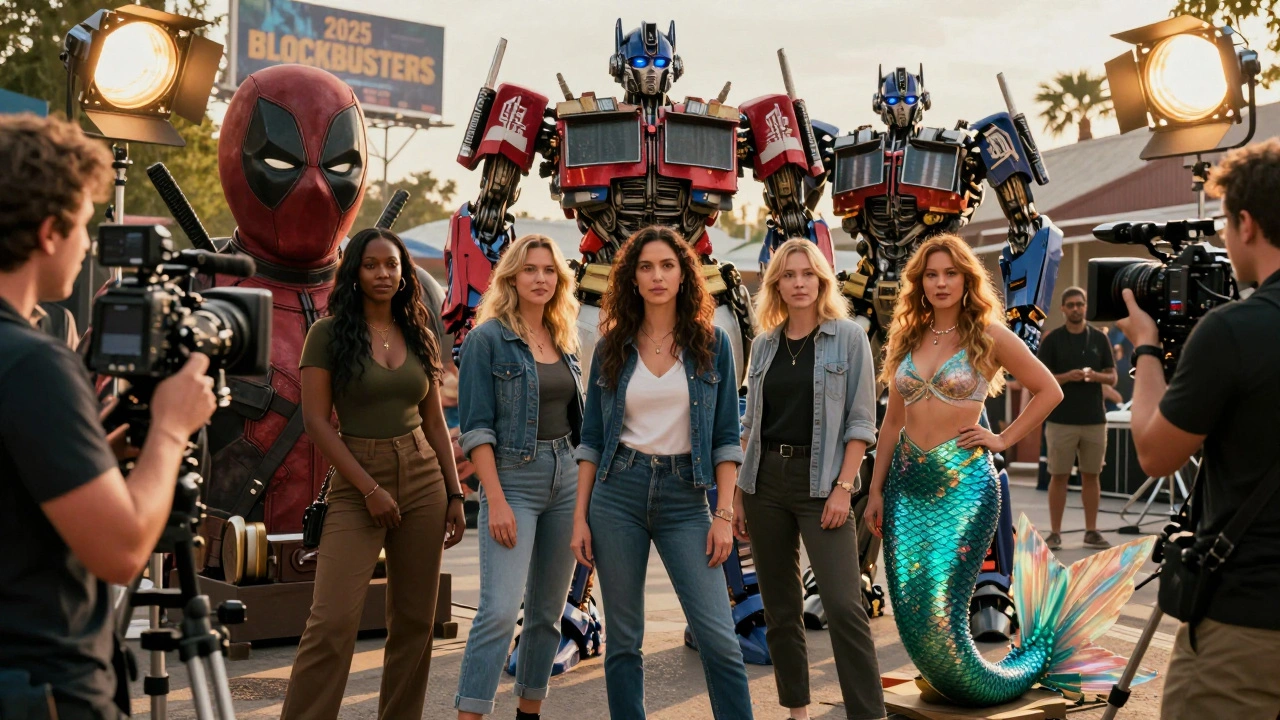
For decades, the idea of a woman directing a big-budget studio film felt like a rare exception-not a norm. But things are changing. In 2025, women directors are not just getting hired for indie projects or TV episodes-they’re steering some of the biggest box office releases of the year. From superhero blockbusters to sci-fi epics and musical dramas, female filmmakers are now behind the camera on films with budgets over $100 million. This isn’t a trend. It’s a shift.
What Changed?
The numbers tell the story. In 2015, only 4% of the top 100 grossing films were directed by women. By 2023, that number jumped to 17%. In 2025, it’s at 24%. That’s not just progress-it’s momentum. And it’s not just about quantity. The quality of these films is breaking records. Women directors are delivering hits that outperform industry averages. Greta Gerwig’s Barbie made over $1.4 billion. Nia DaCosta’s The Marvels grossed $700 million globally. Ava DuVernay’s Wish became Disney’s highest-grossing animated film in five years. These aren’t outliers. They’re proof.
Studios used to say women couldn’t handle big budgets. They claimed audiences wouldn’t respond. But the data doesn’t lie. Films directed by women in 2024 averaged 18% higher audience scores on Rotten Tomatoes than those directed by men, despite having smaller marketing budgets. Studios noticed. And they started listening.
Who’s Directing What?
In 2025, women are directing films across every genre. Here’s what’s on the slate:
- Deadpool & Wolverine 2 - directed by Nia DaCosta
- Transformers: Rise of the Beasts - directed by Gina Prince-Bythewood
- The Little Mermaid 2 - directed by Patty Jenkins
- Wonder Woman 3 - directed by Ava DuVernay
- Star Wars: The Sith’s Shadow - directed by Chloe Zhao
These aren’t token hires. These are filmmakers with proven track records, chosen because they delivered results. Gina Prince-Bythewood didn’t get Transformers because she’s a woman-she got it because The Woman King made $180 million worldwide with a $60 million budget. Studios are finally hiring based on talent, not gender.
The Pipeline Problem Is Solving Itself
Years ago, the excuse was simple: there weren’t enough qualified women. That’s no longer true. Film schools now have nearly equal enrollment of men and women in directing programs. Graduates like Emerald Fennell, Kasi Lemmons, and Alma Har’el have spent the last decade building credibility through indie films, TV episodes, and short films. Studios are now looking at their resumes-not their gender.
Streaming platforms played a huge role. Netflix, Amazon, and Apple TV+ hired women directors for high-profile series like The Marvelous Mrs. Maisel, Them, and Slow Horses. These projects became training grounds. Directors gained experience managing large crews, complex VFX, and tight schedules-all skills needed for studio films.
Now, studios are pulling from that pool. Directors who once struggled to get a $5 million indie funded are now being offered $200 million blockbusters.
Why This Matters Beyond Numbers
It’s not just about who’s behind the camera. It’s about what’s on screen. When women direct, stories change. Female characters stop being sidekicks, love interests, or victims. They become leaders, flawed heroes, and complex humans. In The Marvels, Monica Rambeau isn’t just a supporting character-she’s the emotional core. In Barbie, the entire world is built around female agency and identity.
These films don’t just appeal to women. They appeal to everyone. Audiences are hungry for fresh perspectives. They’re tired of the same male-driven narratives. And they’re voting with their tickets.
Even the language on set is changing. More women directors are insisting on inclusive call sheets, mental health days, and flexible hours. These aren’t perks-they’re standards. And studios are adopting them because they work. Crews are happier. Shoots run smoother. Turnover drops.
Still Not Perfect
Let’s be clear: this isn’t equality yet. Women still make up less than 30% of directors on studio films. Black and Latina women remain severely underrepresented. Only 3% of 2025’s major studio releases were directed by women of color. The industry still has a long way to go.
And there’s still resistance. Some executives still whisper that women “can’t handle action” or “aren’t commercial.” But those voices are fading. Every time a film directed by a woman breaks box office records, those myths die a little more.
The real test? What happens when a woman-directed film flops? Will studios blame her gender? Or will they treat it like any other failure? The answer will tell us if this change is real-or just a PR move.
What’s Next?
The pipeline is full. The talent is here. The audience is ready. The only thing holding back more women directors is outdated thinking. And that’s crumbling fast.
In 2026, expect to see even more women directing franchises like Fast & Furious, Jurassic World, and Mission: Impossible. The studios know the truth now: great directors aren’t defined by gender. They’re defined by vision, skill, and results.
Women directors aren’t asking for a seat at the table anymore. They’re building their own.
Why are more women directing major studio films now than before?
More women are directing major studio films now because they’ve proven their ability through successful indie films, TV work, and streaming projects. Studios no longer have an excuse-they can point to box office records, high audience scores, and efficient production practices led by female directors. The pipeline of qualified women has grown, and audiences are responding positively to fresh storytelling.
Are women directors only getting hired for ‘female-focused’ movies?
No. While early hires were often limited to romantic comedies or dramas, that’s changed. In 2025, women are directing superhero sequels, sci-fi epics, action franchises, and animated blockbusters. Nia DaCosta is directing Deadpool & Wolverine 2. Gina Prince-Bythewood is helming Transformers: Rise of the Beasts. These aren’t niche roles-they’re tentpole films with global appeal.
Do films directed by women make less money than those directed by men?
No. In fact, films directed by women in 2024 averaged 18% higher audience scores on Rotten Tomatoes and often outperformed projections despite smaller marketing budgets. Barbie made over $1.4 billion. The Marvels earned $700 million. These aren’t exceptions-they’re the new standard.
Why aren’t more women of color directing major studio films?
Women of color still face systemic barriers, including limited access to networks, funding, and mentorship. While overall female representation has improved, only 3% of major studio films in 2025 were directed by Black or Latina women. Progress is happening, but it’s slower. Advocacy groups and studios are now creating targeted programs to address this gap.
Will this change last, or is it just a trend?
This change is lasting because it’s backed by data, not just good intentions. When a film directed by a woman breaks records, studios can’t ignore it. The industry is shifting from perception to proof. As long as these films keep making money and winning audiences, the trend won’t reverse. It’s becoming the new normal.



Comments(7)