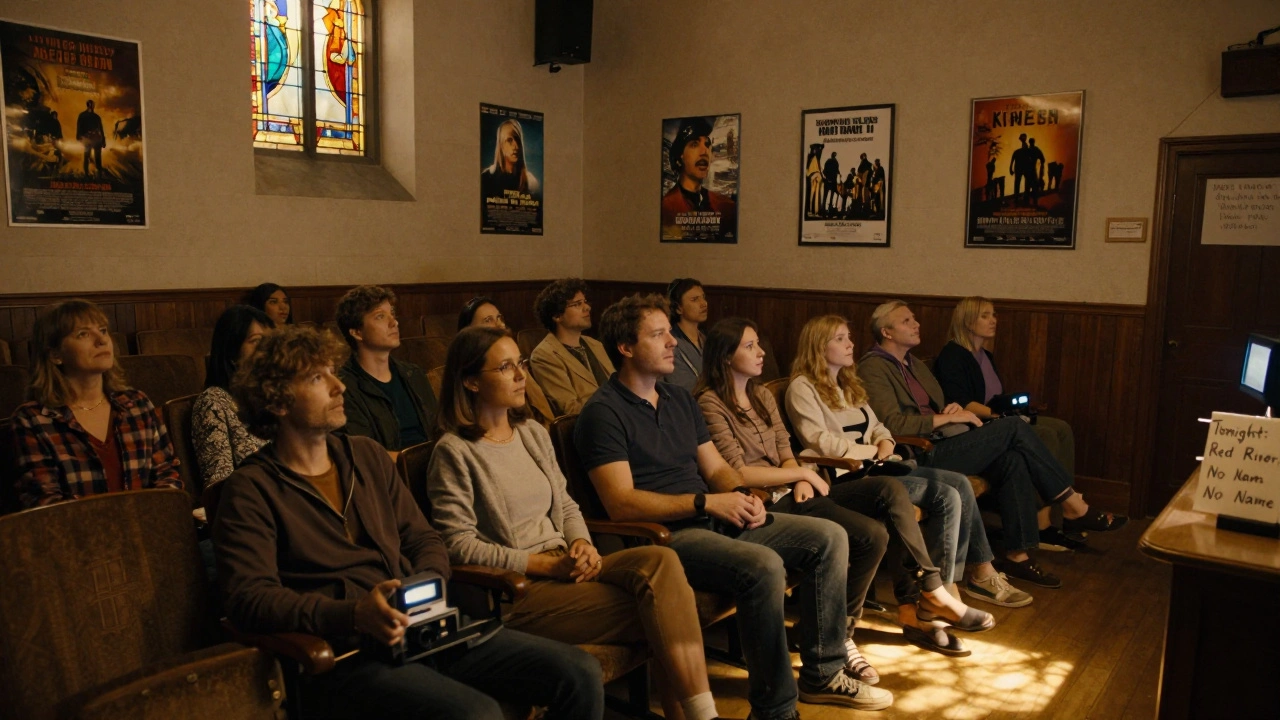
For every indie film that finds its way into a small town theater, there’s a chain of people working behind the scenes-none of whom get credit in the credits. It’s not just about the director or the lead actor. It’s about the distributor who takes a chance on a film no one else wants, the theater owner who books it on a Tuesday night when the crowd’s thin, and the festival programmer who gave it its first real audience. These aren’t separate players. They’re parts of a living system, one that keeps regional cinema alive even as streaming swallows up everything else.
The Distributor Who Stays Late
Most people think distributors are just middlemen who send DVDs or digital files to theaters. That’s not how it works in the indie world. Regional distributors like Kino Lorber, Janus Films, or smaller outfits like Oscilloscope Laboratories don’t just move films-they build relationships. They know which theaters in Ohio still show 35mm prints. They know which festivals in the Pacific Northwest have audiences that will stay for Q&As after midnight. They don’t rely on algorithms. They rely on phone calls.
A distributor in Portland might get a call from a theater owner in Missoula asking if they have anything with a strong female lead and a rural setting. Two weeks later, they send over a film called Red River, No Name, a low-budget drama shot in Idaho with no stars. The distributor doesn’t make a big profit on it. But they know the theater owner will screen it twice a week for six weeks. And they know that if the audience responds, the film might get picked up by a bigger festival. That’s the game.
These distributors don’t have marketing budgets of millions. They have spreadsheets with handwritten notes: “Saw this at Slamdance. 17 people stayed after. Asked for DVD. Theater owner called back.” That’s their CRM.
The Theater That Doesn’t Close
There are fewer than 1,200 art house theaters left in the U.S. Many of them are in towns with populations under 50,000. They don’t have multiplex screens. They don’t show Marvel movies. They show films that never make it to the big chains. And they survive because they’re not trying to be profitable. They’re trying to be necessary.
In Asheville, the Screen on the Wall has been running since 1998. It’s a converted church with 87 seats. The owner, a former film student, books one indie film a week. He doesn’t pay for advertising. He posts on Facebook. He calls local book clubs. He invites the director if they’re within a 200-mile radius. Last year, he screened a documentary about Appalachian coal miners. It made $427 in ticket sales. But two people emailed him afterward saying they’d never seen a film that spoke to their family’s history. That’s why he keeps going.
These theaters aren’t just screens. They’re community hubs. They host post-screening discussions. They partner with local colleges. They let filmmakers rent the space for free if they’re from the region. In return, those filmmakers bring their networks-friends, critics, festival programmers-back to the theater. It’s a cycle.
The Festival That Feeds the System
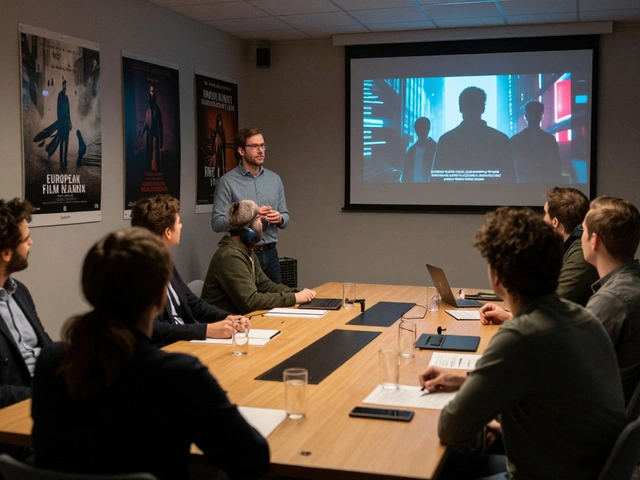
Festivals are the engine. Not the big ones like Sundance or TIFF. The small ones. The ones that don’t have red carpets or celebrity interviews. The ones that happen in libraries, community centers, or even a garage in Iowa.
The Mountain State Film Festival in West Virginia started in 2015 with 12 films and 120 attendees. This year, it screened 47 films and had 2,100 tickets sold. How? Because it doesn’t compete with the majors. It focuses on regional stories-films made by people who live within 300 miles. The festival doesn’t pay for travel. It doesn’t offer cash prizes. But it gives filmmakers something better: exposure to distributors who show up specifically to find new work.
In 2023, a film called Where the River Bends premiered there. It was shot on a smartphone by a high school teacher in Kentucky. No name actors. No studio backing. Two weeks after the festival, a distributor from Chicago reached out. By the end of the year, it was playing in 14 theaters across the Midwest. That film never would’ve gotten a look from Netflix. But it got a look from someone who was sitting in a folding chair in a library in Beckley, West Virginia.
Festivals like this are where the pipeline starts. They’re the testing ground. They’re where distributors learn what audiences actually respond to-not what focus groups say they should respond to.
The Feedback Loop
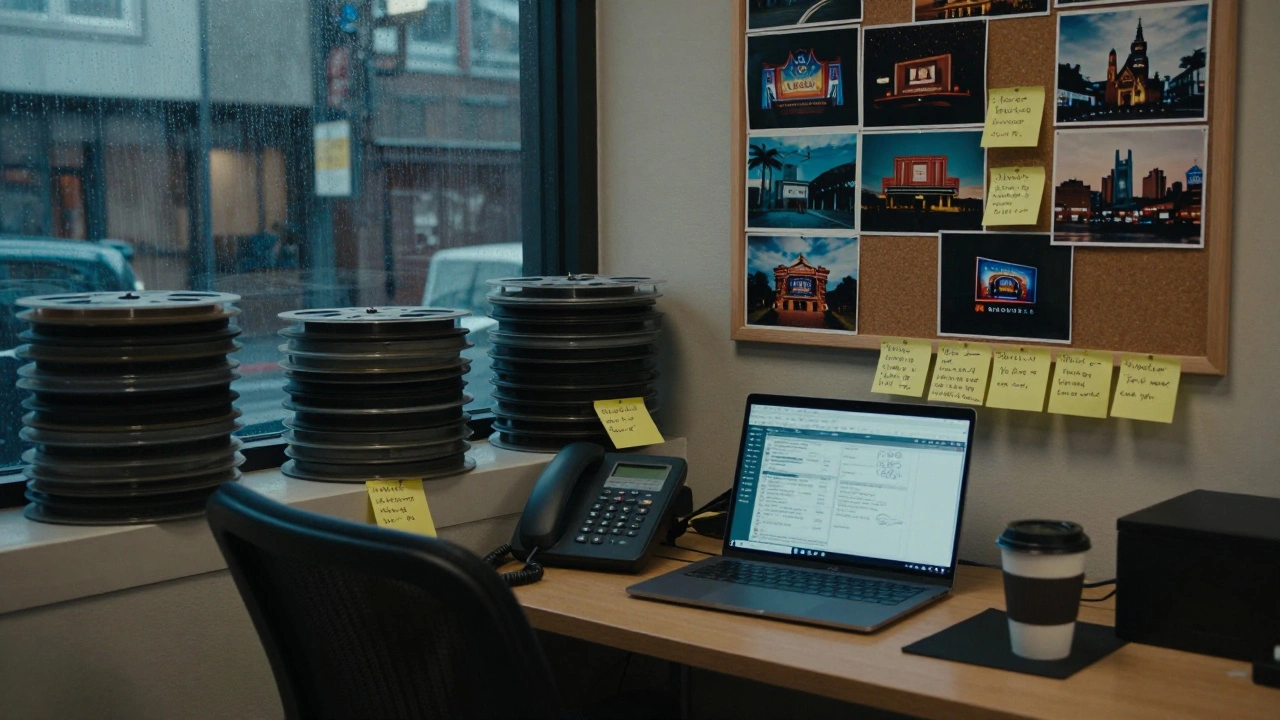
This isn’t a linear chain. It’s a loop. A film plays at a regional festival. A distributor sees it. They bring it to a small theater. The theater owner books it for six weeks. The audience leaves reviews. One of them writes a blog post. A filmmaker from another state reads it. They make a film with a similar tone. They submit it to the same festival. The distributor picks it up. The theater books it. The cycle repeats.
There’s no corporate playbook here. No ROI spreadsheet. Just a quiet understanding: if you support the next person, they’ll support you. The filmmaker doesn’t expect a big payday. The theater owner doesn’t expect to turn a profit. The distributor doesn’t expect to go public. But they all know-if this system dies, the next generation of storytellers won’t have a place to be heard.
And it’s not just about films. It’s about identity. In rural Tennessee, a film about queer farmers in the 1980s became a local talking point. In Maine, a documentary about lobstermen sparked a town hall meeting. In Arizona, a film about Indigenous water rights led to a donation drive for tribal clean water projects. These aren’t just movies. They’re catalysts.
What’s at Risk
There are more streaming services than ever. But most of them don’t care about regional stories. They want global hits. They want bingeable content. They want algorithm-friendly genres. Indie films that don’t fit that mold? They disappear into the void.
Between 2019 and 2024, over 200 independent theaters closed. Film festivals in small towns cut their budgets by 40%. Distributors who specialized in regional cinema folded or merged. The survivors are hanging on by threads.
But here’s what’s still working: the human connections. The distributor who texts the theater owner every Monday. The festival volunteer who calls the filmmaker personally after the screening. The audience member who buys a ticket because they remember the last film they saw there and it made them cry.
These aren’t just business relationships. They’re acts of faith.
How You Can Help
You don’t need to start a festival. You don’t need to fund a distributor. You don’t even need to be a filmmaker. You just need to show up.
- Go to your local indie theater. Even if it’s just one film a month.
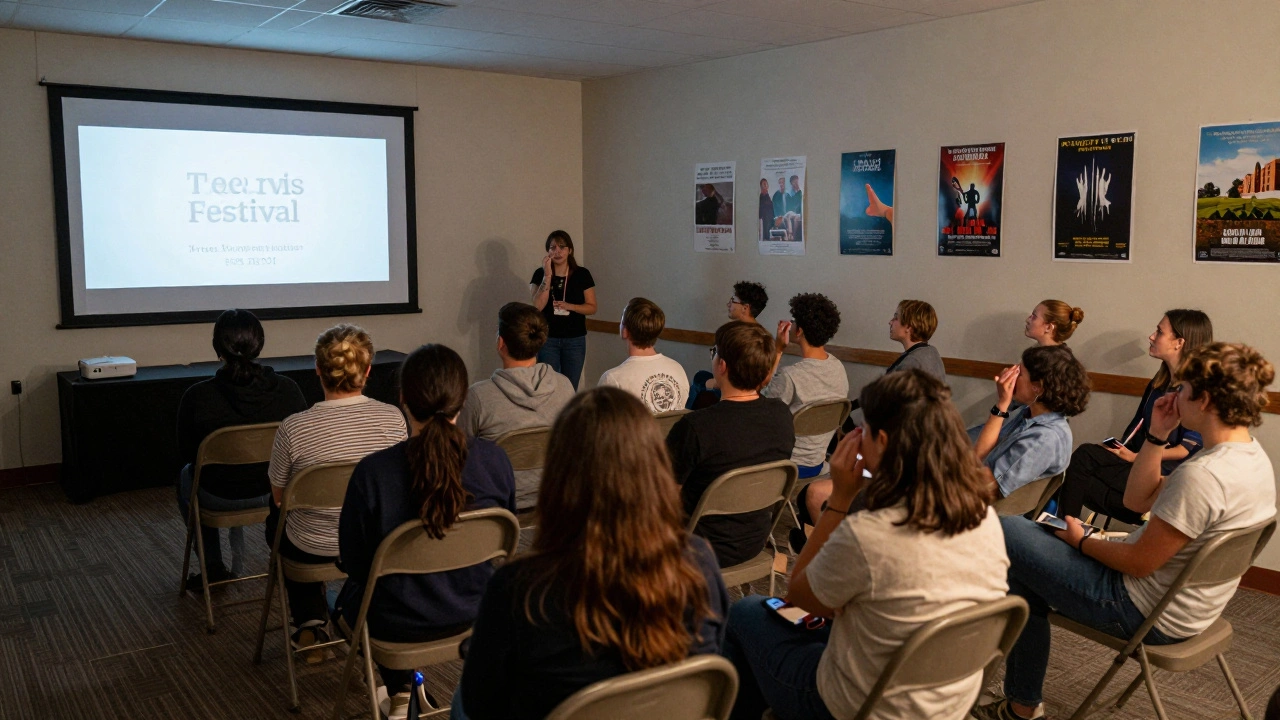
- Attend a small film festival. Bring a friend. Stay for the Q&A.
- Follow regional distributors on social media. Share their films.
- If you’re in a town without a theater, start a screening series in a library or café.
- Write a review. Even if it’s just a sentence on Letterboxd.
These systems don’t die because of lack of talent. They die because of lack of attention. One person showing up to a screening doesn’t change the world. But 50 people? 500? That’s how movements start.
It’s Not About the Movies. It’s About the People.
There’s a film called Still Here that played in 17 theaters across the Midwest last year. It was made by a husband and wife team in rural Wisconsin. They used their life savings. They shot it over three summers. They didn’t have a publicist. They didn’t have a budget for ads.
It got picked up by a distributor because a festival programmer in North Dakota saw it and sent a handwritten note: “This is the kind of film we need more of.” The theater owner in Grand Forks booked it because his daughter said, “Dad, this is what Grandpa would’ve liked.”
That film made $18,000 in ticket sales. Not enough to pay off the loan. But enough to prove that when people show up-for the film, for the filmmaker, for the theater, for the festival-it matters.
That’s the real ROI of the regional indie ecosystem. Not money. Not numbers. But proof that stories still have a place to live. And people still have a place to hear them.
How do regional indie film distributors make money?
They don’t make much. Most regional distributors operate on thin margins, often relying on a mix of film rental fees, modest ticket splits from theaters, and occasional grants from arts councils. Their goal isn’t profit-it’s sustainability. They keep films alive by building long-term relationships with theaters and festivals, not by chasing viral hits.
Why don’t big streaming platforms support regional indie films?
Streaming platforms prioritize content with broad, global appeal that can be algorithmically promoted. Regional indie films often lack celebrity names, high production value, or easily marketable hooks. They’re too niche for algorithms, too slow for binge culture, and too culturally specific for mass audiences. As a result, they’re rarely acquired unless they’ve already gained traction through festivals or theaters.
Can a small town theater survive without a film festival nearby?
Yes, but it’s harder. Theaters without festival support rely more on curated programming, community partnerships, and audience loyalty. Some host filmmaker Q&As via Zoom, screen classic indie films with themed events, or partner with local schools. The key is creating a reason for people to show up beyond just watching a movie-making it an experience.
What’s the difference between an indie film festival and a commercial one?
Commercial festivals like Sundance focus on acquiring films for distribution and media exposure. Regional festivals focus on community engagement and discovery. They don’t pay for travel, don’t offer big prizes, and often screen films in non-traditional venues. Their success is measured in audience connection, not acquisition deals.
Are there still filmmakers making regional indie films today?
Absolutely. Many are working with smartphones, local crews, and zero budgets. They’re teachers, librarians, farmers, and students who film in their own towns. Their stories are about place-about what it means to live somewhere overlooked. They’re not trying to go viral. They’re trying to be seen by the people who live next door.


Comments(10)