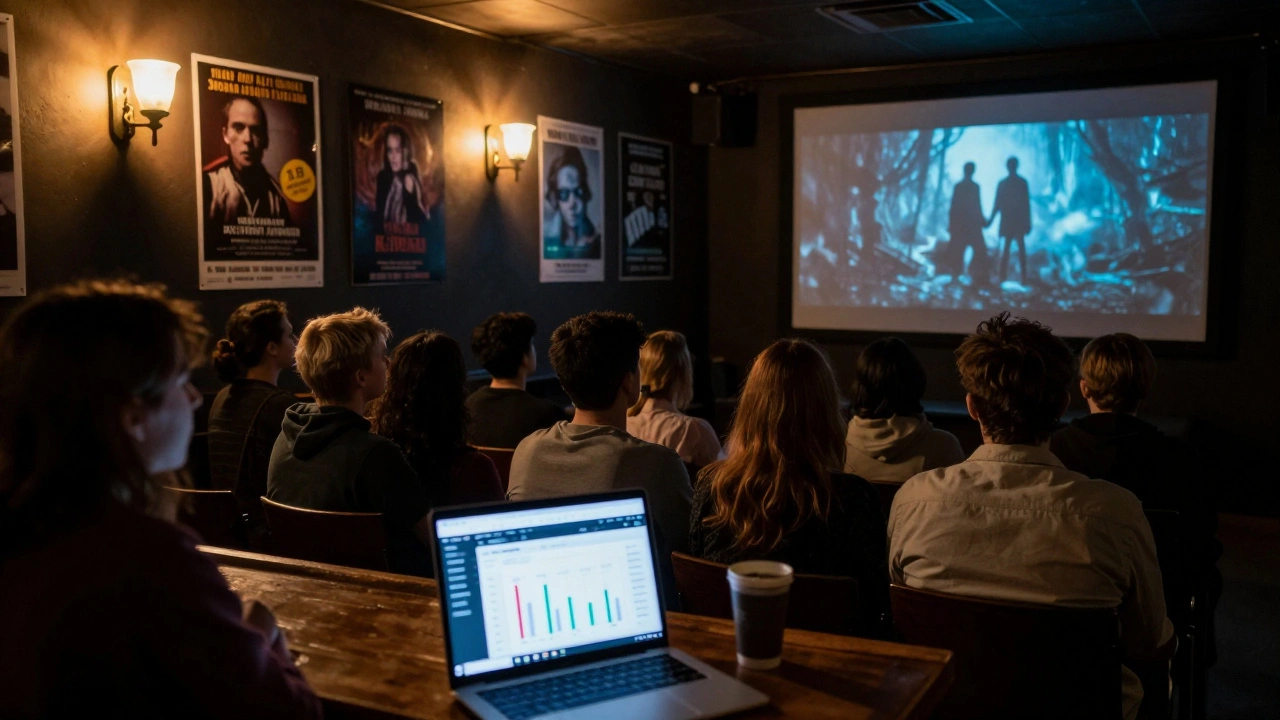
Small theaters across the U.S. are struggling to stay open. With streaming services dominating home viewing and big chains snapping up prime locations, indie theaters survive on a razor-thin margin-sometimes just one or two sold-out shows a week. But the ones that are thriving aren’t guessing what films to book. They’re using data. Not fancy enterprise software. Not million-dollar dashboards. Simple, affordable tools that tell them who their audience really is, when they show up, and which films actually move tickets.
Why Guessing Doesn’t Work Anymore
For decades, small theaters booked films based on gut feeling, word of mouth, or whatever distributor pushed hardest. A manager might pick a foreign drama because they loved it at Sundance. Or book a cult classic because it played well five years ago. But audiences change. Demographics shift. Attention spans shrink. What worked in 2018 doesn’t work in 2025.Take a theater in Asheville, North Carolina. In 2023, they booked a critically acclaimed Polish film about rural life. It had won awards. Critics raved. But only 18 people showed up over three nights. The same theater booked a low-budget horror film from a local filmmaker the next month. No press. No festival buzz. Sold out two nights in a row. Why? The data told them: 68% of their regular attendees were under 35, 82% followed indie horror on Instagram, and 73% had bought tickets to similar films in the past 12 months. The Polish film didn’t match their audience’s current tastes-it matched the programmer’s personal taste.
What Data Tools Actually Work for Small Theaters
You don’t need a custom-built analytics platform. Most small theaters use tools that cost less than $50 a month-or even free. Here’s what’s actually being used right now:- Box Office Mojo Pro (free tier): Tracks box office performance of indie films across 200+ U.S. theaters. See how a film did in similar-sized markets like Portland, Austin, or Burlington. If it pulled 120 people over a weekend in Portland, it’s likely to do the same in Asheville.
- Eventbrite for Events: Used by 80% of indie theaters for ticket sales. It tracks not just sales, but also customer demographics: age, location, purchase history. You can see if your audience is mostly 25-34-year-olds who buy tickets on Friday nights. That tells you when to schedule midnight screenings.
- Google Analytics on your theater website: Most theaters have a simple site. Google Analytics shows which films they’re clicking on, how long they stay on the page, and if they abandon the checkout. If 70% of people leave after seeing the film’s runtime, maybe your description is too long. If people click on a film but never buy, maybe the price is too high.
- Instagram Insights and TikTok Analytics: Not just for marketing. Track which posts get the most saves and shares. If a clip from a documentary about Appalachian coal miners gets 3x more saves than a trailer for a rom-com, that’s a signal. Your audience doesn’t want fluff-they want stories that feel real.
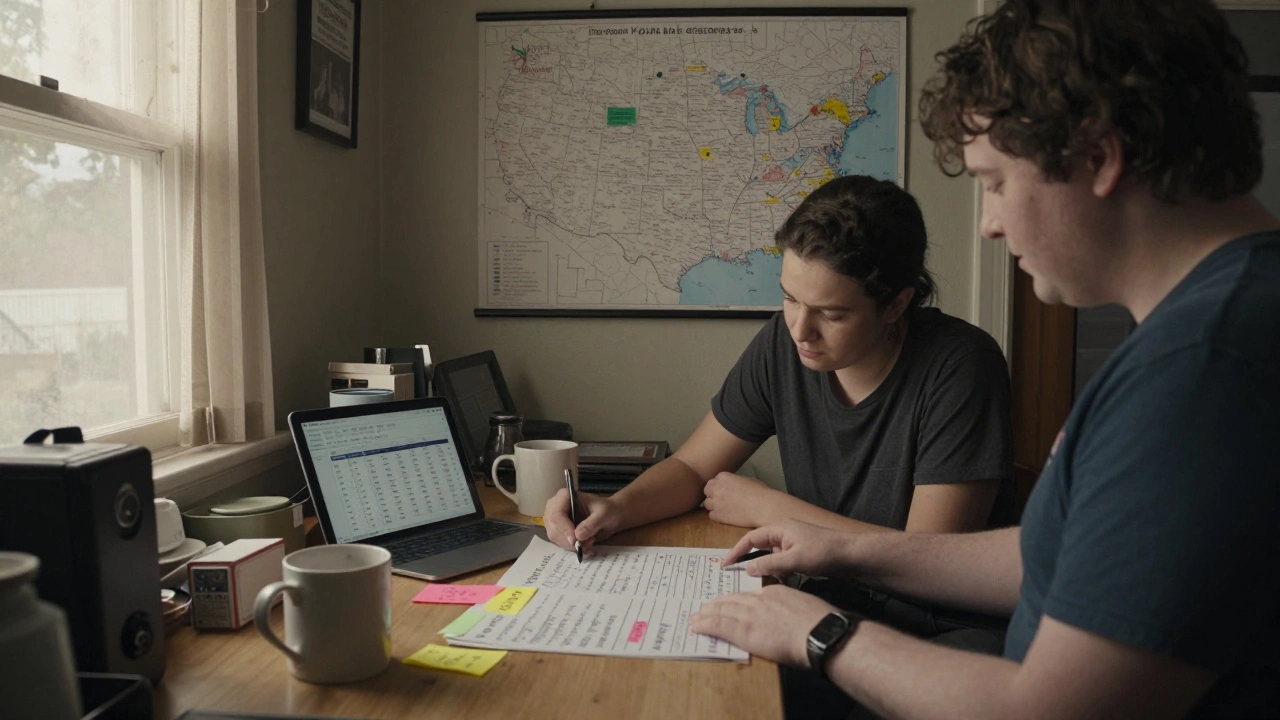
- Simple spreadsheets: Yes, Excel or Google Sheets. Many theaters log every screening: film title, attendance, ticket price, day of week, weather, local events (like a farmers market or concert), and even comments from patrons. After six months, patterns emerge. Rainy weekends? Higher turnout for cozy documentaries. Friday nights with live music? More sales for cult comedies.
How to Start Using Data Without Overwhelm
You don’t need to track everything. Start with three things:- Track attendance per film. Write it down. Even if it’s on a sticky note. After 10 films, you’ll see which genres consistently pull crowds.
- Ask one question at checkout. “How did you hear about this film?” Options: Instagram, friend, newsletter, local paper, poster. After 50 responses, you’ll know where your audience actually finds out about movies.
- Compare similar films. If you showed two documentaries last year-one about urban gardening, one about Appalachian folk music-check which had higher repeat viewers. That tells you what kind of stories your audience connects with emotionally.
One theater in Missoula, Montana, started doing this in early 2024. They noticed their most loyal viewers were women over 50 who came alone. They started booking more films about women’s lives in rural America-biopics, memoirs, quiet dramas. Attendance rose 40% in six months. They didn’t spend a dollar on ads. They just listened to their data.
What Data Won’t Tell You (And What You Still Need to Trust)
Data doesn’t replace passion. It just makes it smarter.You might see a film has low projected turnout in your region. But if it’s a restored 1972 Hungarian film that’s never been shown in your state-and you’re the only theater within 200 miles that can screen it-maybe you book it anyway. That’s cultural preservation. That’s why small theaters exist.
Data helps you know when to take risks. If you’ve booked five films that pulled under 30 people, and then you find one with similar themes that pulled 80 in a similar town, you’ve got a pattern. You’re not gambling-you’re betting on evidence.
Also, data won’t tell you if a film will make someone cry. But it can tell you if the people who cried at the last film you showed are the same ones who showed up for the next one. That’s the real connection.
How Indie Film Distributors Are Changing Too
Theaters aren’t the only ones using data. Distributors are now offering data-backed booking packages. Companies like IndieFlix, FilmRise, and Strand Releasing give small theaters access to real-time performance data from other venues. You can see how a film did in 12 other theaters of similar size, in similar regions, during the same season. Some even offer a “try before you commit” model: rent a film for a weekend with no upfront cost, pay only if you sell over 25 tickets.One theater in Santa Fe used this model to test a documentary about Navajo textile artists. They screened it once. Sold 31 tickets. Paid $150. Made $480 in revenue. They booked it again the next month-this time with a live Q&A with the filmmaker. Sold out. That’s the power of data paired with community.

Real Results: A Theater That Turned It Around
The Crystal Ballroom Cinema in Eugene, Oregon, was on the brink of closing in 2023. They showed art-house films, but attendance was down 60% from five years ago. They had no budget for marketing. No staff. Just two part-timers and a lot of heart.They started using Eventbrite’s built-in analytics and Google Trends. They noticed:
- People searching for “films about climate change” spiked every September.
- They had a loyal group of viewers who always bought tickets to films with female directors.
- Weekend matinees had 40% higher attendance than evening shows.
They adjusted. They booked four climate-themed films in September. All directed by women. All shown at 2 p.m. on Saturdays. They didn’t run ads. They just emailed their list and posted on local Facebook groups. Attendance jumped to 90 people per screening. They made more in three months than they had in the previous year.
They didn’t stop showing challenging films. They just started showing the right ones to the right people at the right time.
What’s Next: The Future of Small Theater Data
New tools are emerging. ScreenLabs is a startup that lets theaters upload their ticket sales data and get automated recommendations: “Book this film next-it did well in 14 theaters like yours.” TheaterPulse is a free app that lets you scan a QR code after a screening to get a one-question survey: “Would you recommend this film to a friend?”But the biggest shift isn’t in the tools. It’s in the mindset. Small theaters are no longer just venues. They’re community data hubs. Their most valuable asset isn’t the projector or the seats-it’s the knowledge of who walks through their doors, why they come, and what they feel after the lights come up.
If you run a small theater, you’re not just showing movies. You’re preserving culture. And now, with the right data, you’re doing it sustainably.
Do I need to spend money on data tools to use analytics for my theater?
No. Many small theaters use free tools like Google Analytics, Eventbrite’s built-in reports, and simple spreadsheets. The most important thing isn’t the tool-it’s consistency. Track attendance, ask one question at checkout, and look for patterns over time. You don’t need fancy software to see what your audience wants.
How do I know if a film will work in my town?
Look at similar markets. Box Office Mojo Pro shows how indie films performed in theaters of comparable size and region. If a film pulled 75 people in Portland and your theater seats 80, it’s a strong signal. Also, check if your past audiences responded to similar themes-like local history, social justice, or quiet character-driven stories. Don’t just rely on awards or reviews.
Can data help me book films that preserve local culture?
Absolutely. Data helps you find the right audience for culturally specific films. If you’re showing a film about Appalachian coal miners, check if your regular attendees have bought similar documentaries in the past. If they have, book it. Data doesn’t replace cultural value-it helps you connect that value to the people who care about it, so you can keep showing it without losing money.
What’s the biggest mistake small theaters make with data?
Trying to track too much too soon. You don’t need to know everything about every viewer. Start with attendance, one survey question, and one pattern to watch. Most theaters get overwhelmed and stop. Progress comes from small, consistent steps-not perfect systems.
How often should I review my data?
Every month. After each screening, log the basics: film title, attendance, day of week, weather, and one note like “crowd was young” or “lots of repeat customers.” At the end of the month, look for trends. What worked? What flopped? What surprised you? You don’t need a dashboard-just a notebook or a Google Sheet.






Comments(6)