
Most documentaries still follow the same old formula: talking heads, voiceover narration, and stock footage. But the best documentaries today don’t just inform-they pull you in, make you feel something, and change how you see the world. That’s not luck. It’s technique.
Breaking the Fourth Wall on Purpose
For decades, documentary filmmakers were taught to be invisible. The camera was supposed to be a fly on the wall. But some of the most powerful films today do the opposite-they make you aware of the filmmaker’s presence. Take The Act of Killing. The director doesn’t hide behind the lens. He sits across from ex-death squad leaders as they reenact their crimes in movie genres they love-westerns, musicals, gangster films. The camera isn’t neutral. It’s a tool for confrontation. When the subject starts to break down mid-reenactment, you don’t just learn about violence-you feel the weight of guilt, performed and unmasked.
This isn’t just about style. It’s about truth. When you see the filmmaker asking hard questions, when you hear their voice off-camera, you’re not watching a detached record. You’re watching a human conversation unfold. That vulnerability builds trust. Audiences don’t mind being reminded the film is constructed. They mind being lied to.
Using Fiction Tools for Real Stories
Why do narrative films use lighting, music, and pacing to control emotion? Because it works. Documentaries that ignore these tools feel flat. The ones that use them intentionally feel alive.
The Mole Agent follows an 83-year-old man hired to spy on a nursing home. The film uses thriller tropes: hidden cameras, suspicious glances, slow zooms. But the subject isn’t a criminal-it’s a lonely elderly woman nobody’s checking on. The tension isn’t manufactured. It’s real. The filmmaker didn’t stage it. He just used the language of genre to highlight what was already there.
Same with Boyhood-wait, no, that’s fiction. But Time by Garrett Bradley? It uses dreamlike slow motion, black-and-white imagery, and a haunting score to turn a husband’s 20-year prison sentence into a poetic meditation on love and time. It doesn’t need interviews to make you cry. The visuals do it.
Real stories don’t need to be boring to be true. They need to be felt.
Letting the Subject Speak Through Objects
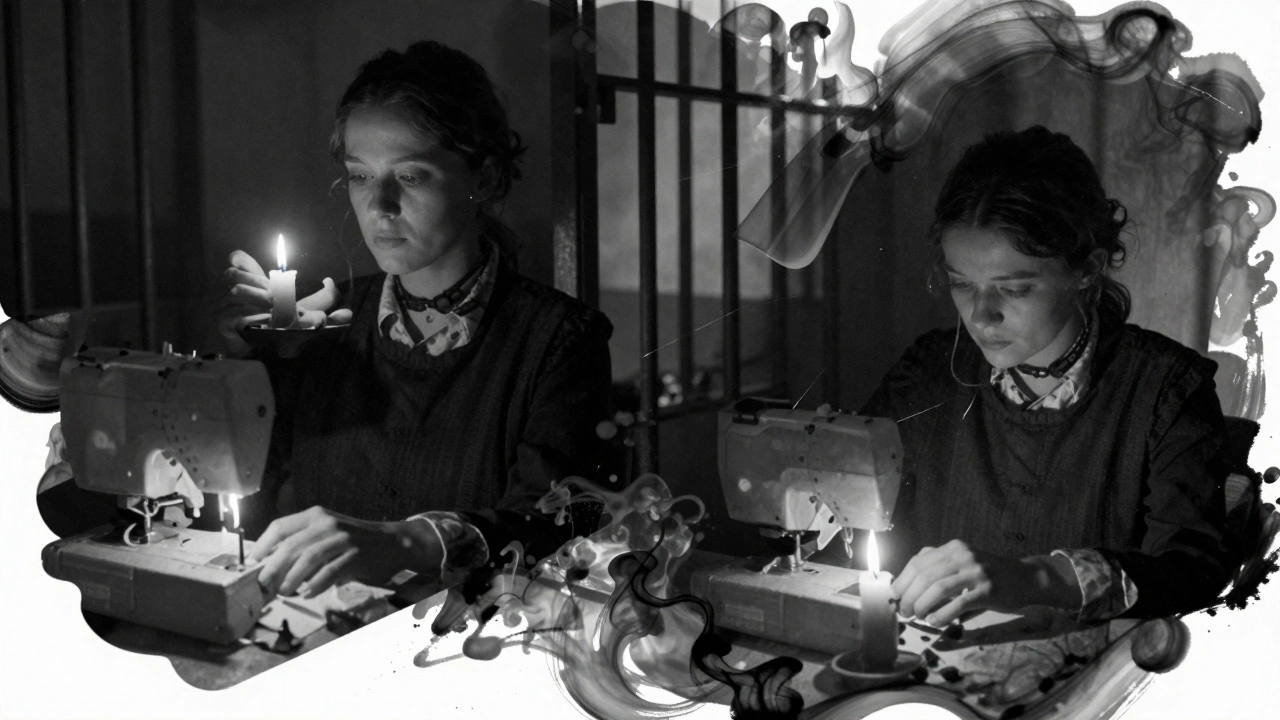
Not every story has a charismatic interviewee. Some stories live in things: a rusted bicycle, a child’s drawing, a stack of unpaid bills.
Minerita, a film about a woman who mined gold in Bolivia for 30 years, never shows her speaking directly to the camera. Instead, the film lingers on her hands-calloused, stained, trembling. It shows the worn-out boots she still wears. It films the empty chair at her kitchen table where her husband used to sit. The silence speaks louder than any interview could.
This technique is called “object-based storytelling.” It works because objects carry memory. A torn photo. A hospital bracelet. A broken radio. These aren’t props. They’re witnesses.
When you film an object for 15 seconds without narration, the audience starts to project their own meaning onto it. They start to care. That’s more powerful than any expert explaining why it matters.
Nonlinear Narratives That Mirror Real Memory
Life doesn’t happen in order. Memories jump. Emotions overlap. Trauma doesn’t follow a timeline.
Most documentaries try to force real life into a three-act structure. That’s why so many feel predictable. The breakthrough comes when filmmakers let the story breathe.
Daughter’s Dilemma tells the story of a woman uncovering her father’s abuse through old home videos, therapy notes, and fragmented phone calls. The film moves backward and forward in time, repeating moments with new context each time. One scene shows her laughing with her father at a birthday party. Later, after learning the truth, the same footage plays again-now you see his smile differently. The film doesn’t tell you how to feel. It lets you re-experience the memory as she did.
This isn’t confusing. It’s honest. Human memory isn’t linear. Why should documentaries be?
Interactive and Participatory Documentaries
What if the audience didn’t just watch the story-but helped shape it?
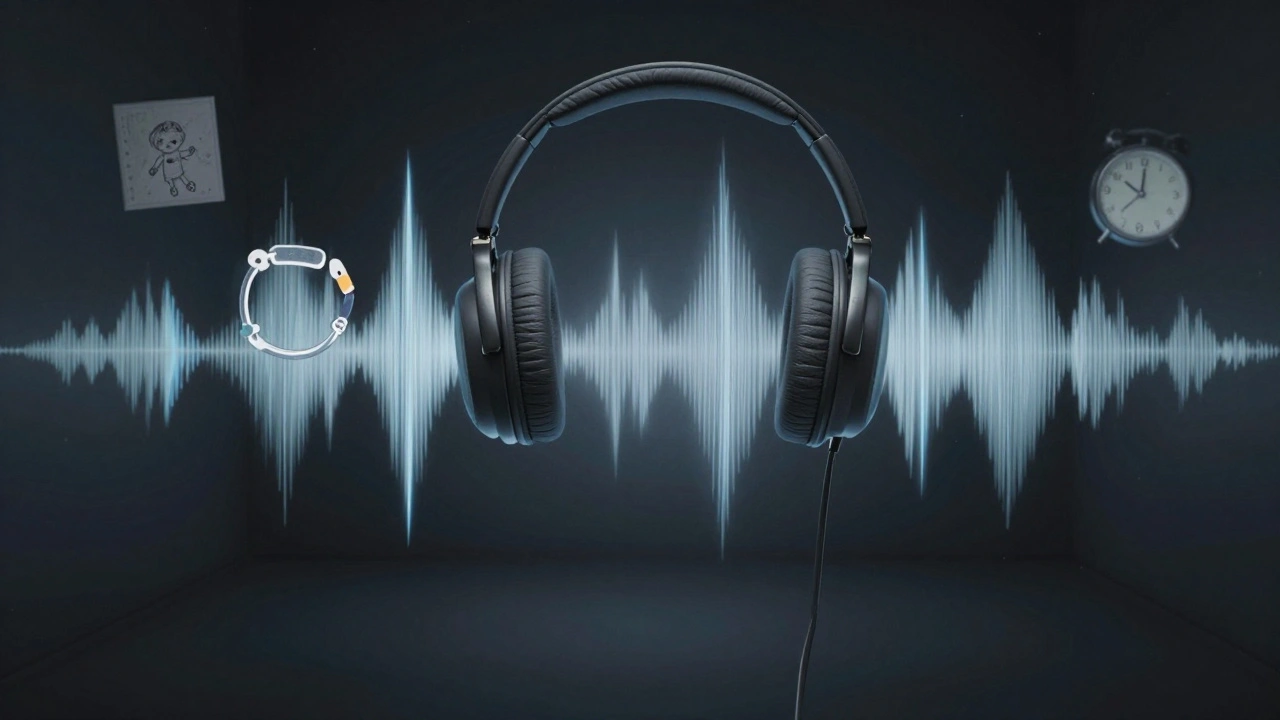
Notes on Blindness: Into Darkness lets viewers use headphones to experience what it’s like to lose sight. The audio isn’t just narration. It’s layered with ambient sounds, whispers, and silence-exactly how the filmmaker’s wife described her experience after going blind. Viewers can choose which audio tracks to focus on. There’s no right way to watch. The story changes depending on what you listen to.
Another example: Highrise, a Canadian project, lets users explore a 40-story apartment building through 100 personal stories. You click on a window, and you hear someone describe their first day in Canada. Another window, a woman talks about losing her husband. The film isn’t a single narrative. It’s a mosaic.
This isn’t just tech for tech’s sake. It’s about agency. When people feel like they’re part of the story, they remember it. They talk about it. They care.
Using Animation to Reveal What Cameras Can’t
Some stories are too painful, too private, or too dangerous to film directly. That’s where animation steps in-not to hide the truth, but to reveal it more clearly.
Waltz with Bashir uses animated sequences to reconstruct the filmmaker’s lost memories of the 1982 Lebanon War. He couldn’t film the massacre because he didn’t remember it. But he could draw it. The animation doesn’t soften the horror-it makes it surreal, haunting, and unforgettable.
Same with Flee, which tells the true story of a refugee escaping Afghanistan using animated reenactments. The animation protects his identity, but more importantly, it captures emotional truth. The way his body trembles when he runs, the way the colors shift when he feels safe-it’s all more vivid than live footage could be.
Animation isn’t for kids. It’s for when words fail and real footage is too dangerous, too blurry, or too incomplete.
Sound as the Main Character
Most documentaries treat sound like background noise. The best ones treat it like the lead actor.
Sound of Metal is fiction, but its approach influenced documentaries like Listening to the Silence, which follows a deaf community in rural Appalachia. The film doesn’t show sign language until the final 10 minutes. Instead, for the first hour, you hear muffled voices, distant echoes, and the hum of electricity. You feel what it’s like to live in a world where speech is distant, unclear, and often absent.
Another example: 1971, about the FBI break-in that exposed COINTELPRO, uses only audio recordings-no talking heads, no reenactments. You hear the rustle of papers, the click of a tape recorder, the nervous laughter of activists. The sound isn’t just support. It’s the story.
When you remove visuals, you force the audience to imagine. And imagination is more powerful than any archive footage.
What Works Now-And What Doesn’t
Here’s the hard truth: audiences are tired of the same old documentary playbook. They’ve seen the same three interview subjects: the expert, the victim, the hero. They’ve heard the same voiceover: calm, authoritative, detached.
What works now:
- Letting the subject’s environment tell the story
- Using emotion, not exposition, to drive the narrative
- Accepting that truth isn’t always linear
- Letting silence, sound, and image carry weight
- Trusting the audience to connect the dots
What doesn’t:
- Overusing stock footage of clouds, oceans, or slow-motion trees
- Using a narrator who sounds like a Wikipedia entry
- Feeding the audience answers instead of questions
- Ignoring the filmmaker’s role in shaping the story
The most innovative documentaries today aren’t the ones with the biggest budgets. They’re the ones with the boldest choices. They don’t ask, ‘What do we show?’ They ask, ‘What do we want the audience to feel?’ And then they build the whole film around that feeling.
What makes a documentary innovative?
An innovative documentary breaks from traditional formats by using creative techniques-like animation, nonlinear storytelling, sound design as narrative, or participatory elements-to evoke emotion and reveal truth in new ways. It’s not about fancy tech. It’s about choosing the right tool to match the story’s heart.
Do I need a big budget to use these techniques?
No. Many groundbreaking documentaries were made with little more than a smartphone and a microphone. Time used home videos shot over 20 years. Minerita relied on long, quiet shots of hands and objects. Innovation comes from perspective, not equipment. Focus on what you want the viewer to feel, then find the simplest way to get there.
Can I mix animation with real footage?
Absolutely. Films like Flee and Waltz with Bashir prove that animation and real footage can coexist powerfully. Animation fills gaps where video can’t go-due to privacy, memory loss, or danger. The key is consistency: if you use animation for emotional scenes, keep it there. Don’t switch styles randomly.
Why avoid voiceover narration?
Voiceover often tells the audience what to think instead of letting them discover it. When a narrator says, ‘This was a tragic event,’ you nod and move on. But when you see a mother holding her child’s shoe for 30 seconds, you feel the tragedy. Let visuals and sound do the work. Your job is to frame, not explain.
Are these techniques only for art films?
No. These methods work for advocacy, journalism, and even corporate storytelling. A nonprofit showing the impact of clean water? Skip the graphs. Show the water jug a girl carries every day. Let the weight of that image speak. Innovation isn’t about genre-it’s about honesty and emotional clarity.
If you’re making a documentary today, don’t ask, ‘What do people expect?’ Ask, ‘What haven’t they seen?’ The most powerful stories aren’t found in archives. They’re found in the spaces between the frames, in the silence after the last word, in the object no one else thought to film.




Comments(9)