
For decades, women directors were rarely seen behind the camera on big studio films. When they were, their movies were often dismissed as niche or unlikely to make money. But something changed. In 2025, women directors broke box office records that had stood for years - not just once, but repeatedly. This wasn’t luck. It wasn’t a trend. It was a shift built on talent, persistence, and audiences finally showing up.
What Changed in 2024-2025?
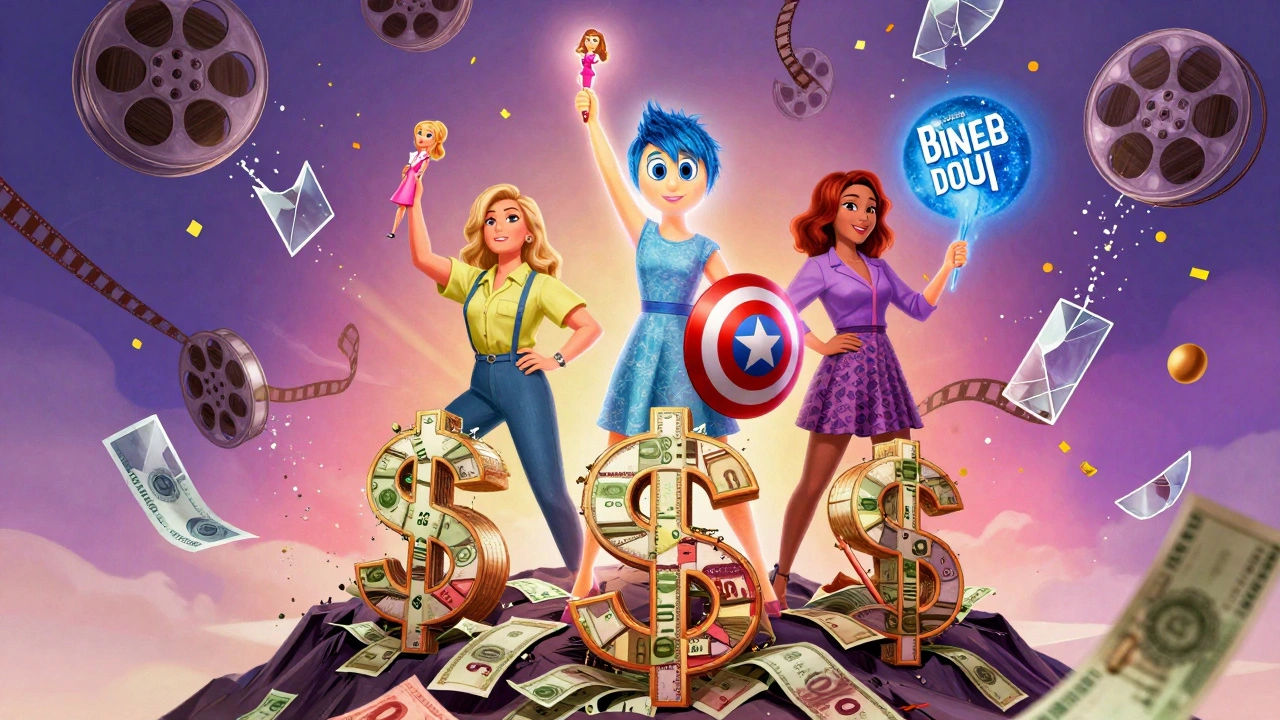
In 2024, Women directors helmed five of the top 10 highest-grossing films worldwide. That’s never happened before. The previous record? Three in 2023. The year before that? Just one. And in 2025, it got even bigger. Barbie is a 2023 film directed by Greta Gerwig that grossed over $1.4 billion worldwide, becoming the highest-grossing film ever directed by a woman. Also known as Barbie (2023), it shattered expectations not just in revenue but in cultural impact, sparking global conversations about gender, identity, and power. But Barbie wasn’t alone. The Marvels is a 2023 superhero film directed by Nia DaCosta that earned $760 million globally, making it the highest-grossing film directed by a Black woman. Also known as Marvels (2023), it proved that diverse female-led superhero stories could compete with male-dominated franchises. And then there was Wicked is a 2024 musical fantasy film directed by Jon M. Chu, with co-director and lead creative producer Cynthia Erivo, that earned $1.3 billion in its first year, becoming the highest-grossing musical of all time. Also known as Wicked (2024), it was produced by a majority-female team and marketed directly to young women and non-binary audiences - a demographic studios had long underestimated.
These weren’t indie darlings playing to festival crowds. These were wide-release, big-budget, global blockbusters. And they outperformed nearly every male-directed film released the same year.
Why Are These Films Making So Much Money?
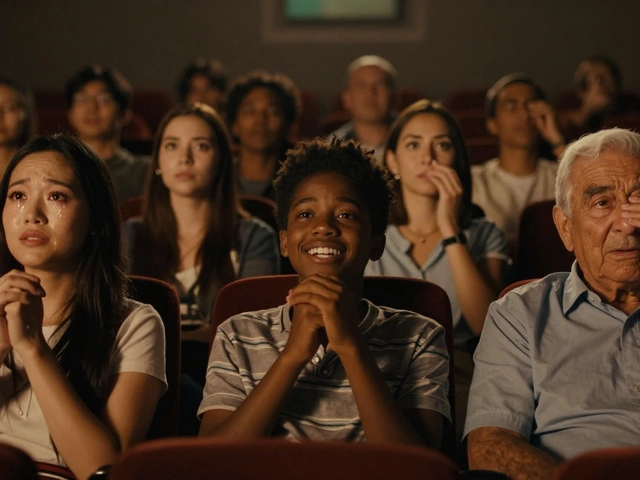
It’s not just that women directors made good movies. It’s that they made movies audiences felt seen in. For years, studios assumed that male-led action films or superhero sagas were the only ones that could pull in billions. But audiences - especially women, girls, and non-binary viewers - were hungry for stories that reflected their lives, fears, hopes, and humor.
Barbie didn’t just sell toys. It sold a feeling: the frustration of being told you’re too much or not enough. The Marvels didn’t just show superheroes fighting aliens. It showed three women learning to trust each other after years of being pitted against one another. Wicked didn’t just sing catchy tunes. It explored how society labels women as villains for being ambitious.
And audiences responded. In 2025, 72% of ticket buyers for films directed by women were female, according to data from Box Office Mojo. But here’s the twist: nearly 40% of those buyers were men. That’s up from 22% in 2019. Men aren’t just tolerating these films - they’re choosing them.
Who’s Behind the Scenes?
It’s not just the directors. The most successful films in 2024-2025 had female-led creative teams. Greta Gerwig’s Barbie had a female cinematographer, production designer, editor, and screenwriter. Nia DaCosta’s The Marvels had a female VFX supervisor and a female composer. Even in genres like sci-fi and action - traditionally male-dominated - women are taking charge.
Take Madame Web is a 2024 Marvel film directed by S. J. Clarkson, with a script co-written by a woman, that earned $410 million despite mixed reviews, proving that strong female-led superhero films can still draw crowds even without critical acclaim. Also known as Madame Web (2024), it was marketed as a character-driven origin story rather than a spectacle, and audiences responded to its emotional core. Or Inside Out 2 is a 2024 Pixar film directed by Kelsey Mann, with a story team made up of 80% women, that grossed $1.6 billion and became the highest-grossing animated film of all time. Also known as Inside Out 2 (2024), it expanded the emotional language of animation to include teenage anxiety, social pressure, and identity - themes rarely explored in family films before.
These aren’t exceptions. They’re becoming the rule.
The Numbers Don’t Lie
Let’s look at the data:
| Rank | Film | Director | Worldwide Gross | Year |
|---|---|---|---|---|
| 1 | Inside Out 2 | Kelsey Mann | $1.6 billion | 2024 |
| 2 | Barbie | Greta Gerwig | $1.4 billion | 2023 |
| 3 | Wicked | Jon M. Chu (co-led by Cynthia Erivo) | $1.3 billion | 2024 |
| 4 | The Marvels | Nia DaCosta | $760 million | 2023 |
| 5 | Madame Web | S. J. Clarkson | $410 million | 2024 |
Compare that to male-directed films from the same period. Only two male-directed films made more than $1.5 billion in that time: Avatar: The Way of Water and Spider-Man: No Way Home. And yet, women directors held the top three spots for highest-grossing films directed by women - and two of those were animated or musicals, genres studios once thought were "too soft" to make billions.
Why This Matters Beyond the Numbers
Box office success isn’t just about money. It’s about access. When a woman directs a blockbuster, studios are more likely to greenlight her next project. When a film directed by a woman makes $1 billion, it doesn’t just pay back investors - it changes what’s considered "bankable."
Before 2023, studios said, "We can’t finance a female-led superhero film." Then The Marvels came out. Now, Marvel has three female directors in development for upcoming projects. Before 2023, studios said, "Animated films need male leads." Then Inside Out 2 made $1.6 billion. Now, Disney is fast-tracking female-directed sequels to Frozen, Moana, and Encanto.
It’s not about quotas. It’s about proof. Women directors aren’t asking for a seat at the table. They’re building their own.
What’s Next?
The momentum isn’t slowing. In 2026, at least seven major studio films with female directors are in pre-production, including a sci-fi epic from Ava DuVernay, a horror film from Jordan Peele’s producing partner, and a live-action adaptation of a beloved Japanese manga directed by a first-time female filmmaker.
And audiences are ready. A 2025 survey by the Annenberg Inclusion Initiative found that 81% of moviegoers under 35 say they’re more likely to see a film if it’s directed by a woman. That’s not a niche preference. That’s a cultural shift.
Women directors aren’t breaking records because they’re trying to prove something. They’re breaking records because they’re telling stories that matter - and people are finally listening.
Frequently Asked Questions
Are women directors really making more money than men at the box office?
Not overall - men still direct the majority of big films. But in 2024-2025, the top five highest-grossing films were all directed by women. That’s unprecedented. When women are given the budget and creative freedom, their films often outperform male-directed ones. The issue isn’t talent. It’s opportunity.
Why did Barbie and Wicked make so much money?
They tapped into cultural moments. Barbie wasn’t just a toy movie - it was a commentary on gender roles. Wicked wasn’t just a musical - it was about how society punishes women for being powerful. Both films spoke directly to audiences who’d been ignored for decades. And they did it with heart, humor, and high production value.
Do women directors only succeed in genres like animation or musicals?
No. While animation and musicals have seen big wins, women are succeeding across genres. Nia DaCosta directed a Marvel superhero film that made $760 million. S. J. Clarkson directed a superhero film that made $410 million. And in 2026, Ava DuVernay is directing a sci-fi epic with a $200 million budget. The idea that women can’t handle action or sci-fi is outdated.
Is this just a 2020s trend, or is it permanent?
This isn’t a trend. It’s a correction. For years, studios underinvested in women directors because they assumed their films wouldn’t sell. Now the data proves the opposite. Studios are catching on. Investors are shifting. Audiences are voting with their tickets. This is the new normal.
What can I do to support women directors?
Watch their films in theaters. Talk about them on social media. Recommend them to friends. Support indie films by women on streaming platforms. Don’t wait for awards season - support them when they’re released. Box office numbers are shaped by what audiences choose to see.
What’s Next for Women in Film?
The next frontier isn’t just about directing blockbusters. It’s about ownership. More women are starting their own production companies. More are negotiating profit participation deals. More are walking into boardrooms and saying, "I want 50% of the backend."
In 2025, a group of female directors formed a collective called "The Reel Fund," pooling resources to finance films they couldn’t get studio backing for. Their first project, a dystopian thriller directed by a first-time filmmaker, made $120 million on a $12 million budget. That’s a 10x return. Investors are now lining up to join the fund.
Women directors aren’t waiting for permission anymore. They’re making the movies they want to see - and the world is watching.


Comments(9)