Indie filmmakers used to beg for distribution deals. Now, they can upload their films and start selling them within hours. Platforms like Filmhub have flipped the script on traditional film distribution-no more gatekeepers, no more waiting years for a festival slot. If you’ve made a movie on a budget and you’re tired of sending out DVDs to distributors who never reply, you’re not alone. Thousands of indie creators are using digital marketplaces to reach audiences directly. But not all platforms are the same. Some take 50% of your revenue. Others lock you into exclusivity. Some don’t even pay you until six months after your film sells. This is what you need to know before you pick a platform.
What Filmhub Actually Does
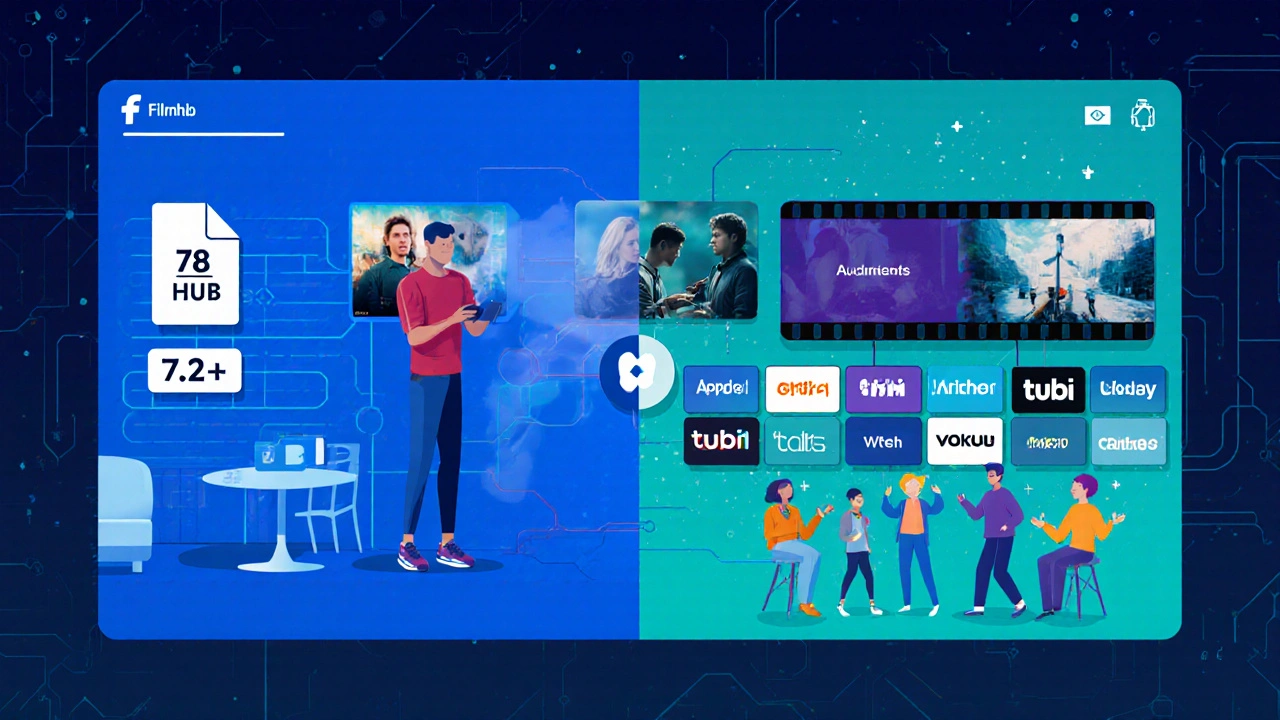
Filmhub is one of the most popular digital distributors for indie filmmakers. It’s not a streaming service like Netflix or Amazon Prime. It’s a middleman that connects your film to over 150 digital retailers-iTunes, Google Play, Vudu, Tubi, Roku Channel, and more. You upload your movie, add metadata, and Filmhub handles the technical delivery. They get your film onto platforms where viewers actually pay to watch or rent.
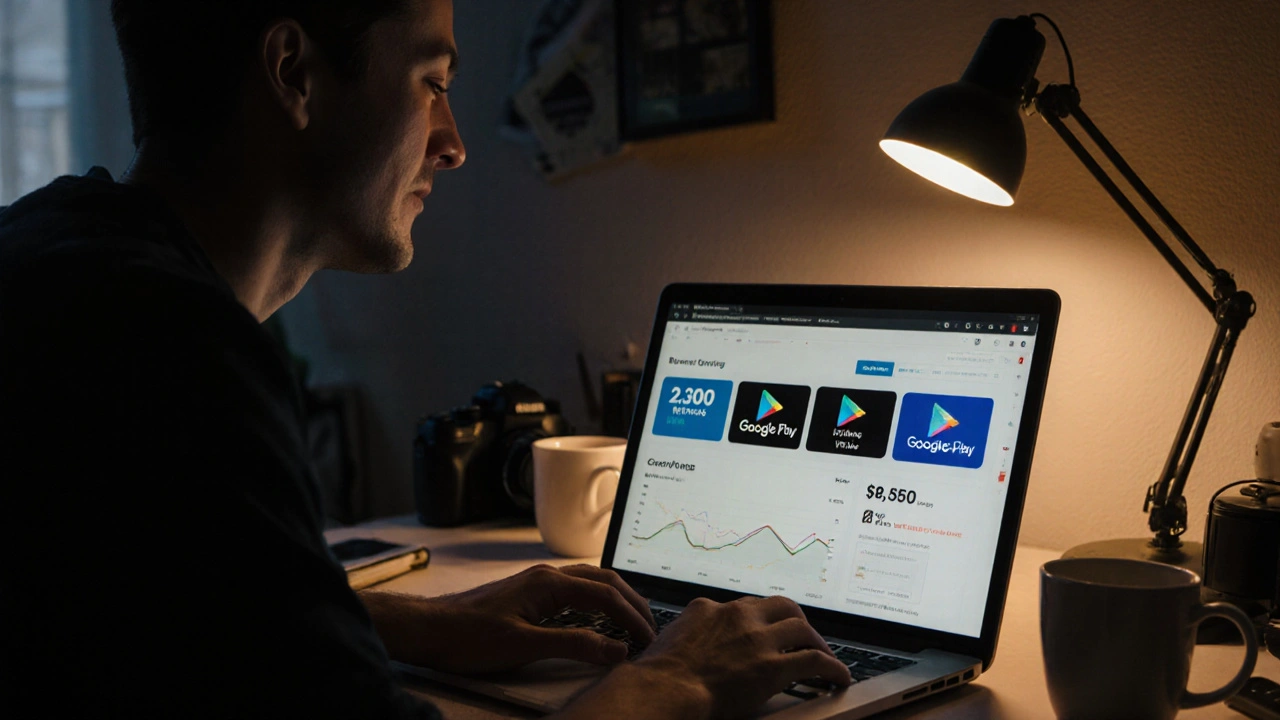
Here’s how it works in practice: A filmmaker in Ohio makes a low-budget horror film for $8,000. They upload it to Filmhub, set the rental price at $3.99 and the purchase price at $9.99. Within three weeks, the film is live on 40 platforms. It sells 2,300 rentals. After Filmhub’s 15% commission, the filmmaker earns $8,550. That’s more than their budget. No studio involved. No middleman demanding creative control. Just a film, a platform, and an audience.
Filmhub’s biggest strength? Speed. You can get your film live in under 72 hours if your files are clean. Compare that to traditional distribution, where you might wait 18 months just to get a meeting. Filmhub also pays monthly, with clear reports showing exactly where your film sold and how much.
Other Platforms Like Filmhub
Filmhub isn’t the only option. In fact, the indie film distribution space is crowded with platforms that all promise the same thing: get your film seen, get paid. But their terms vary wildly.
- Distrify lets you sell directly from your own website. You keep 90% of revenue, but you’re responsible for driving traffic. Great if you have a built-in audience, terrible if you don’t.
- Seed&Spark combines crowdfunding with distribution. You can pre-sell your film before it’s finished, then distribute it through their platform. They take 10% and offer marketing tools, but you need to hit a funding goal first.
- VHX (now part of Vimeo) is clean and simple. You upload, set your price, and Vimeo handles payments. They take 10%, but you can’t get your film on Apple or Google Play unless you go through their partner program.
- Reelhouse focuses on community screenings and virtual premieres. It’s great for building buzz, but not ideal if you just want to sell copies.
- Amazon Independent Film Program lets you upload directly to Amazon Prime Video. You keep 70% of revenue, but you need to get approved first. Approval can take weeks, and they reject films that don’t meet their quality standards.
Each platform has trade-offs. Filmhub gives you broad reach but takes 15%. Distrify gives you more money per sale but requires you to be your own marketer. Seed&Spark helps you fund your film but locks you into their ecosystem. The right choice depends on your goals: Do you want speed? Control? Maximum revenue? Or audience building?
How to Choose the Right Platform
Don’t just pick the one with the lowest commission. Look at what’s underneath.
- Which retailers do they distribute to? If a platform doesn’t list Apple, Google, or Roku, you’re missing 80% of the market. Filmhub includes all major ones. Some cheaper services only send to obscure ad-supported platforms that pay pennies.
- How long until you get paid? Some platforms pay quarterly. Others hold money for 90 days. Filmhub pays within 30 days of the end of each month. That’s critical if you’re funding your next project.
- Do they require exclusivity? Some platforms demand you take your film off other services. Filmhub doesn’t. You can use them alongside Distrify or Vimeo. That’s a huge advantage.
- What’s their customer support like? If your video file gets rejected, do you get a human to help? Filmhub has a responsive support team that responds within 24 hours. Others leave you in a ticket queue for weeks.
- Do they offer marketing tools? Seed&Spark gives you landing pages and email campaigns. Filmhub doesn’t. If you’re not good at promotion, you might need a platform that helps you sell.
Here’s a simple rule: If your film is under 15 minutes, go with Distrify. If it’s feature-length and you want maximum exposure, Filmhub is the safest bet. If you’re raising money before you finish, Seed&Spark makes sense. If you have a loyal fanbase, go direct with Vimeo or your own site.
What Happens After You Upload
Uploading isn’t the end-it’s the start. Most indie filmmakers think once their film is live, the sales will roll in. That’s rarely true.
After upload, you need to do three things:
- Optimize your metadata. Your title, description, and tags matter. Use keywords people actually search for: "indie horror 2025," "low-budget thriller," "female director documentary." Filmhub lets you edit these after upload-use it.
- Build a landing page. Even if you’re using Filmhub, create a simple webpage with your film’s trailer, cast, and a direct link to where it’s available. Use Linktree or Carrd. Share it on Instagram, Reddit, and film forums.
- Track your numbers. Filmhub gives you daily sales reports. Watch which regions sell best. If your film is doing well in Australia but not in Germany, adjust your ad spend. Test different thumbnails. One filmmaker changed their poster from a dark silhouette to a bright face-and rentals jumped 40%.
There’s no magic formula. But filmmakers who treat distribution like a product launch-testing, tweaking, promoting-earn 3 to 5 times more than those who just upload and wait.
Common Mistakes to Avoid
Even experienced filmmakers mess up distribution. Here are the top three errors:
- Uploading poor-quality files. If your video is 1080p but compressed to 500MB, platforms will reject it. Use H.264, 1920x1080, 25fps, and audio at 320kbps. Filmhub has a checklist-follow it.
- Forgetting rights clearance. Did you get permission for that song in your background? That stock footage? Even if it’s a small scene, you need a license. Platforms will pull your film if someone complains.
- Not setting a price. Too many filmmakers set their rental price at $1.99 because "it’s indie." That devalues your work. The average rental price for indie features on Filmhub is $3.99. Purchase price? $9.99. Don’t undersell.
One filmmaker uploaded a documentary about rural America and got rejected because the audio had background noise from a fan. He didn’t realize his camera’s mic was picking up HVAC. He re-recorded the audio in post and resubmitted. It sold 12,000 rentals. Don’t let a technical glitch kill your chances.

Can You Make Money With This?
Yes-but it’s not passive income. It’s a job.
Filmmaker Lisa Chen uploaded her debut feature, a romantic drama shot on her iPhone, to Filmhub in March 2024. She spent $200 on Instagram ads targeting women aged 28-45 who liked indie films. Within two months, her film earned $14,200. She paid herself a salary from the profits and used the rest to fund her next project.
Another filmmaker, Carlos Mendez, uploaded a 70-minute experimental short to Distrify. He didn’t spend a dime on ads. His film went viral on a Reddit thread about surreal cinema. It got 8,000 views and earned $6,700 in six weeks.
There’s no guarantee. But the barrier to entry is lower than ever. You don’t need a festival acceptance. You don’t need a distributor’s signature. You just need a good film, clean files, and the willingness to promote it.
What’s Next for Indie Distribution?
The market is shifting. More platforms are popping up. AI tools now help you generate thumbnails, write descriptions, and even translate subtitles. Some services offer AI-driven audience targeting-telling you exactly which cities or age groups are most likely to buy your film.
But the core hasn’t changed: Your film needs to be seen. And the only way that happens now is by putting it where people are already looking-on Apple, Google, and Roku. Platforms like Filmhub make that possible without asking for your soul.
If you’re ready to stop waiting and start earning, pick a platform, polish your files, and hit upload. The audience is waiting. They just need to know your film exists.
Is Filmhub the best platform for indie filmmakers?
Filmhub is one of the best for broad distribution-it gets your film on Apple, Google, Roku, and more with no exclusivity. But "best" depends on your goals. If you want to sell directly from your website, Distrify is better. If you need funding before production, Seed&Spark is ideal. Filmhub wins for speed, reach, and payout speed.
How much does Filmhub charge to distribute a film?
Filmhub takes a 15% commission on all sales. There are no upfront fees. You pay nothing to upload or get your film listed. You only pay when your film earns money. This makes it low-risk for indie creators with limited budgets.
Can I use multiple platforms at once?
Yes, and you should. Filmhub doesn’t require exclusivity, so you can distribute through them while also selling directly via Distrify or Vimeo. This multiplies your reach. Just make sure your pricing is consistent across platforms to avoid confusing viewers.
How long does it take to get paid from Filmhub?
Filmhub pays monthly. You’ll receive your earnings 30 days after the end of each month. For example, sales from January are paid out by the end of February. Payments are sent via PayPal or direct bank transfer, depending on your preference.
Do I need to own the rights to my film to use Filmhub?
Yes. You must have full legal rights to distribute your film, including music, footage, and trademarks. Filmhub requires you to confirm this during upload. If someone claims copyright infringement later, your film will be removed, and you may be liable. Always get written releases for music and locations.
What file format does Filmhub accept?
Filmhub requires H.264-encoded MP4 files with a minimum resolution of 1920x1080. Audio must be 320kbps stereo. Avoid uploading files smaller than 2GB-low-bitrate files get rejected. They provide a detailed upload checklist on their website.
Can I distribute documentaries on Filmhub?
Absolutely. Filmhub distributes all genres, including documentaries, shorts, and experimental films. In fact, many successful documentary filmmakers use Filmhub because it reaches ad-supported platforms like Tubi and Crackle, where documentary audiences are most active.





Comments(7)