
Every year, hundreds of child actors walk onto film sets across the U.S.-some for their first scene, others after years of working under tight schedules. But behind the smiles and camera lights, there’s a complex web of rules that must be followed-or else production halts, fines pile up, and careers get derailed. This isn’t about being overly cautious. It’s about protecting kids while still letting them do the work they love.
Why Compliance Isn’t Optional
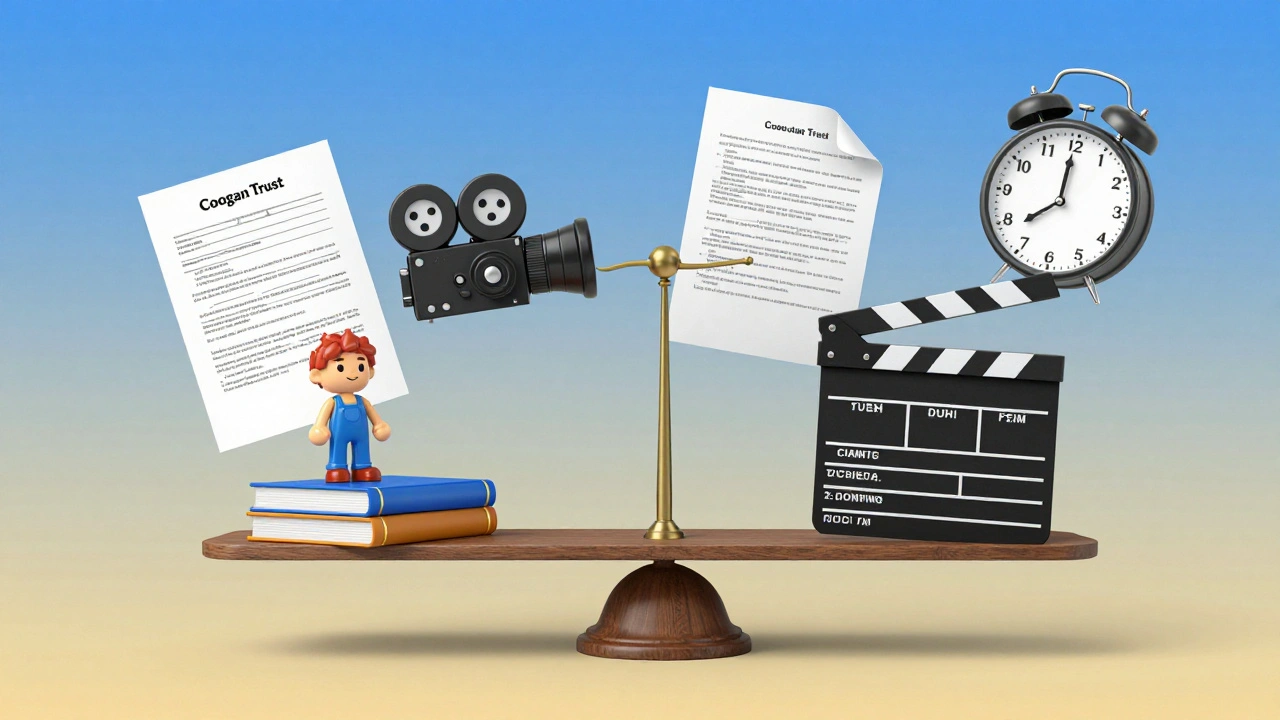
When you cast a child under 18, you’re not just hiring an actor. You’re bringing in a minor protected by state labor laws, federal child welfare standards, and union regulations. In California, where most film production happens, the Coogan Law requires that 15% of a child performer’s earnings be placed in a blocked trust account. In New York, minors can’t work more than eight hours a day without a mandatory break. In Texas, a studio teacher must be present whenever a child is on set.
These aren’t suggestions. They’re legal requirements. Skip one rule, and your entire shoot could be shut down by the Department of Labor. A single violation can cost tens of thousands in penalties-and damage your reputation with casting directors and unions. The industry doesn’t tolerate shortcuts when kids are involved.
Who Counts as a Guardian?
Not every parent is automatically the legal guardian on set. While most child actors are accompanied by a biological parent, that’s not always the case. Sometimes it’s a grandparent, aunt, or even a court-appointed guardian. What matters is who’s legally authorized to sign consent forms and make medical decisions.
Production companies must collect and verify:
- A signed parental consent form
- Proof of guardianship if someone other than a parent is present
- Government-issued ID for the guardian
- A copy of the child’s birth certificate or passport
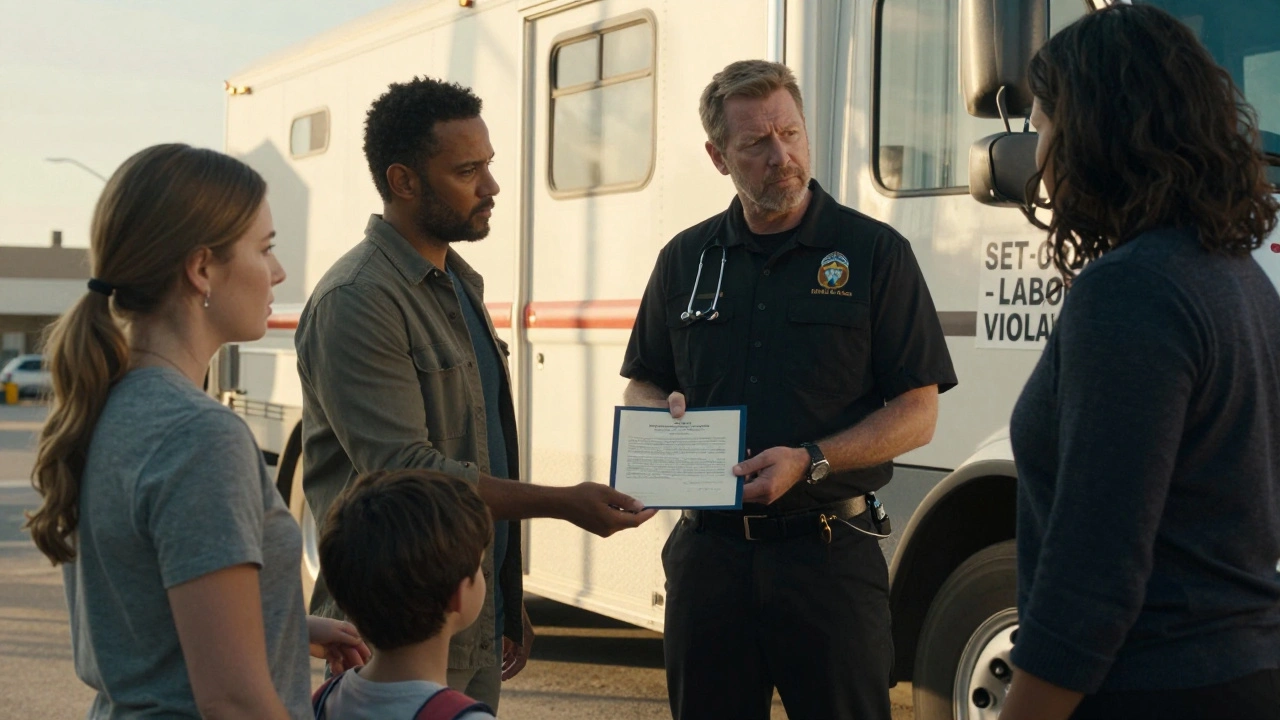
If the guardian isn’t physically present during filming, a notarized letter of authorization is required. No exceptions. I’ve seen sets delayed for hours because someone showed up with a text message saying, “My mom says it’s okay.” That’s not enough. The law demands paper, signatures, and verification.
On-Set Education: More Than Just a Tutor
Every state has rules about how many hours a child can work before they must receive education. In California, children under 16 must have at least three hours of schooling per day. In New York, it’s two hours. The difference? The teacher must be certified by the state’s Department of Education-and hired through an approved agency.
These aren’t just tutors who show up with flashcards. Studio teachers are trained in child development, special education accommodations, and trauma-informed practices. They track progress, coordinate with the child’s school, and file daily reports. If a child falls behind, the teacher notifies the production and the school district. If the child is struggling emotionally, the teacher has the authority to pause filming.
Some productions try to cut corners by using a college student as a “study buddy.” That’s illegal. Only certified studio teachers count. And they must be present during all instructional hours-not just when the camera rolls.
The Workday Rules That Save Kids
Children can’t work like adults. Their bodies and brains are still developing. That’s why work hours are strictly limited:
- Under 6 years old: Max 4 hours total per day, with 2 hours of work and 2 hours of rest or education
- 6-8 years old: Max 5 hours total, 3 hours of work
- 9-11 years old: Max 6 hours total, 4 hours of work
- 12-15 years old: Max 8 hours total, 6 hours of work
- 16-17 years old: Max 9 hours total, 7 hours of work
Breaks are mandatory. A 30-minute meal break after every 5 hours of work. A 15-minute rest break every 2 hours. No exceptions. No “we’re in the middle of a scene.” If a child is tired, sick, or upset, filming stops. Period.
And no night shoots. Children under 16 cannot work past 7 p.m. in most states. In California, even 16-year-olds can’t film past 10 p.m. unless it’s a holiday weekend and approved by the Labor Board. These rules exist because sleep deprivation in kids leads to anxiety, poor academic performance, and long-term emotional harm.
What Happens When Rules Are Broken?
In 2023, a major streaming series in Georgia was fined $47,000 after an 11-year-old actor worked 11 hours in one day without a studio teacher. The child was pulled from the set immediately. The show lost its tax credit. The casting director was banned from working on union projects for a year.
Another case in Louisiana involved a production that used a parent as a “study assistant.” The child’s school district filed a complaint. The state shut down filming for two weeks. The production had to rehire a certified studio teacher, retrain the entire crew, and pay back wages to the child’s Coogan account.
These aren’t rare incidents. They happen every year. And they’re preventable.
How to Get It Right from Day One
If you’re casting young performers, here’s your checklist before the first day of filming:
- Confirm the child’s age and state of residence (rules vary by state)
- Verify the guardian’s identity and legal authority
- Hire a certified studio teacher through an approved agency
- Open a Coogan account (if in California or New York)
- Submit all paperwork to the state labor board at least 72 hours before shooting
- Train your crew: every assistant director, prop master, and makeup artist must know the rules
- Post the daily schedule with work hours, breaks, and education blocks visibly on set
Don’t wait until the last minute. The labor board doesn’t grant extensions. If your paperwork is late, the child can’t work. That means your schedule collapses. Budgets blow up. And you lose trust.
The Bigger Picture: Why This Matters
This isn’t just about avoiding fines. It’s about creating a safe, respectful environment where kids can thrive. The best young performers aren’t the ones who work the longest-they’re the ones who feel supported, rested, and valued.
When a 10-year-old actor tells you they’re excited to come to set because their studio teacher remembers their favorite book, or their guardian is allowed to sit quietly in the corner, that’s when you know the system is working.
Compliance isn’t red tape. It’s the foundation of ethical filmmaking. And when you get it right, you don’t just avoid penalties-you build a legacy of trust that brings families back to your projects again and again.
What If You’re Casting Outside the U.S.?
International productions face different rules. In the UK, children under 16 need a performance license from their local council. In Canada, each province has its own child labor laws-Ontario requires a permit, while Quebec mandates a school liaison. In Australia, a child can’t work more than 4 hours on a school day without a teacher present.
Always check the local regulations. Don’t assume U.S. rules apply overseas. A crew member from Los Angeles once tried to use a California studio teacher on a shoot in Toronto. The Canadian labor board shut them down. They had to hire a local certified educator and restart the schedule.
Global casting means global compliance. There’s no shortcut.






Comments(9)