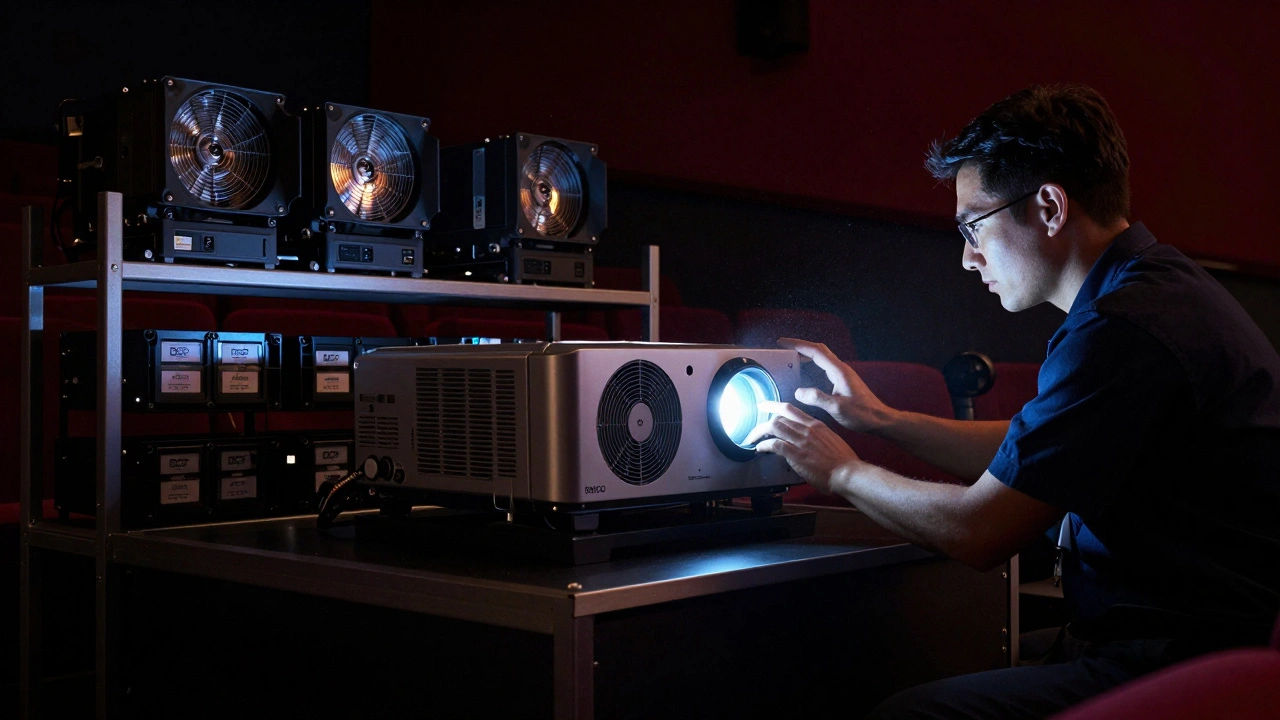
When a blockbuster movie hits theaters on a Friday night, most people don’t think about the projector in the back of the room. But if that projector is late, broken, or stuck in a shipping container halfway across the world, the movie doesn’t play - and theaters lose money before the first trailer even starts.
Why Projectors Are the Silent Backbone of Movie Theaters
Digital cinema projectors aren’t like your home TV. They’re high-end, specialized machines built to handle 4K, 3D, and HDR at 48 or 60 frames per second, 16 hours a day, seven days a week. These aren’t off-the-shelf gadgets. They’re custom-built for theaters by just a few manufacturers: Barco, Christie, and NEC. Each unit costs between $35,000 and $75,000. A single theater might have five or six of them. A major chain like AMC or Regal might own over 10,000.
These machines don’t just show movies. They’re tied into complex digital distribution networks. Every film is delivered via encrypted hard drives or satellite feeds, and the projector must authenticate each one before playing. If the projector’s firmware is outdated or its internal components fail, the movie won’t start - even if the theater has the latest release.
That’s why projector readiness isn’t optional. It’s a critical path item in every studio’s release plan. Studios like Disney, Warner Bros., and Universal lock in theater availability months in advance. If a theater can’t guarantee its projectors are working, the studio moves the premiere to another location - or delays the entire release.
The Supply Chain Breakdown: From Chip Shortages to Port Delays
Since 2021, projector supply chains have been under constant strain. The main culprit? Semiconductor shortages. Projectors rely on specialized image processing chips, high-speed memory, and custom optical controllers - all made by a handful of global suppliers. When the pandemic hit, factories in Taiwan and South Korea cut production. Even after demand stabilized, the chip backlog took years to clear.
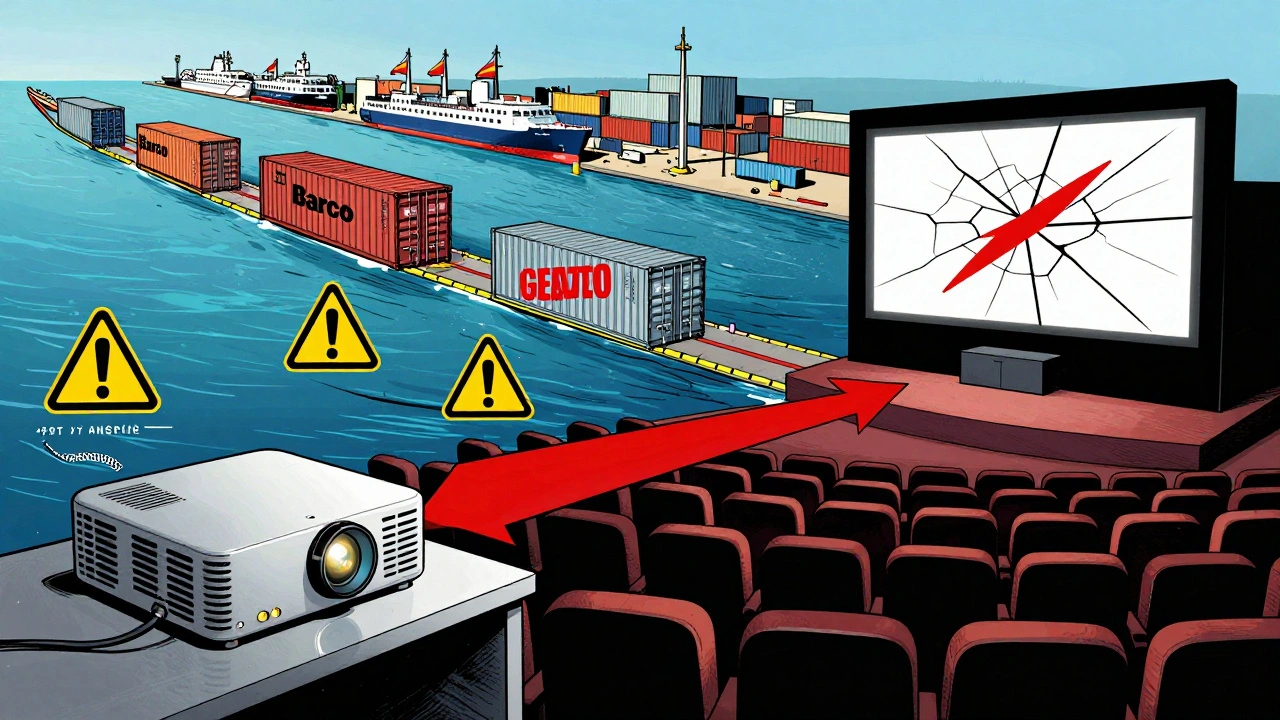
Then came logistics chaos. In 2022, the Port of Los Angeles was backed up for weeks. A single projector shipment from Barco’s factory in Belgium to a theater in Chicago could take 60 days instead of 20. Some theaters waited over four months for replacement units. In 2023, a fire at a key capacitor manufacturer in Japan delayed production for six weeks. That ripple effect hit theaters in the U.S. and Europe hard.
It’s not just about parts. Projectors need calibration tools, cooling systems, and firmware updates that are tied to specific hardware versions. If a theater gets a projector with the wrong firmware revision, it won’t be compatible with the latest DCP (Digital Cinema Package) standards. Studios require all projectors to be certified by the Digital Cinema Initiatives (DCI) before they’ll release a film. No certification? No screening.
How Delays Impact Film Release Schedules
Imagine this: Warner Bros. has set a December 15 release date for its next superhero film. They’ve spent $200 million on marketing. Theaters in 8,000 locations across North America are lined up. But in 1,200 of those theaters, the projectors are still waiting to be installed or repaired.
That’s not hypothetical. In 2023, a major studio delayed the wide release of a $150 million film by two weeks because 18% of theaters in the U.S. didn’t have certified projectors ready. The studio didn’t want to risk a poor opening weekend because the movie didn’t play in half the screens. Instead of showing the film on 8,000 screens, they limited it to 6,500 - and lost an estimated $22 million in potential revenue on opening day alone.
Smaller chains and independent theaters feel it even worse. Many don’t have backup projectors. When one fails, they shut down for days. In 2024, a theater in rural Ohio missed three days of showings because their Christie projector’s lamp assembly was on backorder. The studio didn’t reschedule. The film was pulled from their screen permanently.
Even when theaters get the hardware, installation isn’t quick. A single projector takes 4-8 hours to install, calibrate, and test. If the technician is booked for weeks, the theater can’t open on time. Some chains now hire in-house projection teams. Others pay premium fees to get priority service from certified installers - but those slots fill up fast.
What Theaters Are Doing to Survive
Smart theater operators aren’t waiting for the supply chain to fix itself. They’re changing how they manage hardware.
- Stockpiling spares: Chains like Cinemark now keep 10-15% of their projector count as backups. That’s expensive - each spare costs $40,000 - but cheaper than losing a blockbuster weekend.
- Pre-emptive upgrades: Instead of waiting for failure, some theaters replace projectors every 4-5 years, even if they’re still working. Newer models have better cooling, longer warranties, and built-in remote diagnostics.
- Partnering with distributors: Some theaters now sign contracts with projector manufacturers that guarantee 72-hour replacement service. If a unit fails, they get a loaner within three days - or they get paid.
- Switching to cloud-based systems: Newer projectors can receive firmware updates over the internet. That means fewer trips from technicians and faster compliance with studio requirements.
One theater owner in Portland told me he keeps three extra projectors in a climate-controlled warehouse. He pays $1,200 a month to maintain them. He says it’s the best insurance policy he’s ever bought.
The Bigger Picture: Why This Isn’t Just a Theater Problem
This isn’t just about movie nights. It’s about the entire film economy. Every delay in projector delivery affects:
- Marketing budgets - ads run for weeks, but if the movie doesn’t play, the money is wasted.
- Studio profits - box office revenue drops when fewer screens are available.
- Concession sales - popcorn and soda sales fall 70% on days when theaters are dark.
- Jobs - projectionists, ushers, and managers lose hours when screenings get canceled.
Even streaming platforms feel the ripple. If a film opens strong in theaters, it gets more traction on digital platforms later. A weak theatrical run can kill a movie’s entire lifecycle.
And it’s getting worse. Newer film formats like 8K, IMAX Laser, and Dolby Cinema require even more complex hardware. These projectors have more parts, more sensors, and tighter tolerances. They’re harder to repair. They take longer to build. And they’re even more expensive to replace.
What’s Next for Cinema Hardware?
There’s no magic fix. But some trends are emerging:
- Modular design: Projector makers are starting to build units with swappable components - lamps, lasers, processors - so repairs can happen faster.
- Local manufacturing: A few U.S.-based firms are starting to assemble projectors domestically, cutting shipping times and avoiding international tariffs.
- AI diagnostics: New projectors now predict failures before they happen. One Christie model sends alerts if a fan is slowing down or a color wheel is overheating. That lets theaters schedule fixes before the movie opens.
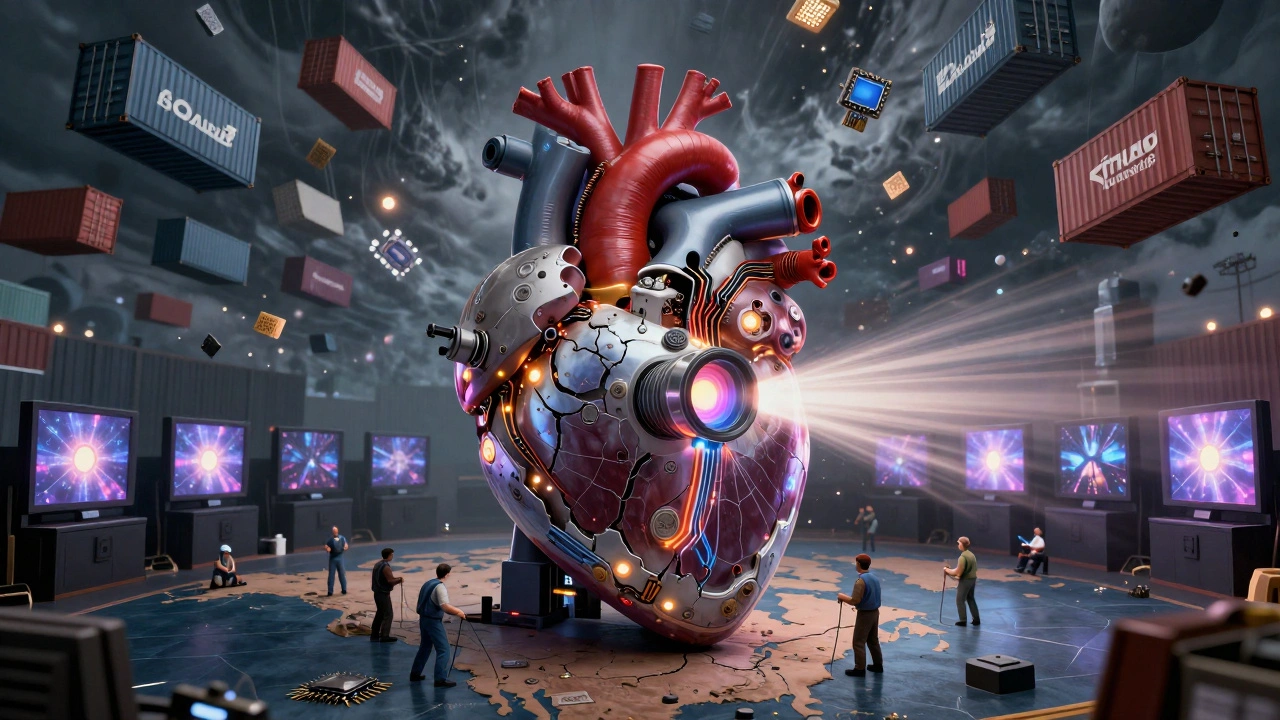
Still, the core problem remains: cinema hardware is a high-stakes, low-volume, high-complexity industry. It doesn’t benefit from the economies of scale that smartphones or laptops do. There’s no mass production. No Apple-level supply chain. Just a few manufacturers, a few suppliers, and a lot of fragile dependencies.
For now, theaters that plan ahead - and treat projectors like mission-critical infrastructure - are the ones still open when the lights go down.
Frequently Asked Questions
Why can’t theaters just use regular projectors for movies?
Regular home or business projectors can’t handle the brightness, resolution, color accuracy, or frame rates required for digital cinema. A theater projector must meet DCI standards - 4K resolution, 14-bit color depth, 14,000 lumens of brightness - to play studio releases. Consumer projectors max out at about 3,000 lumens and 1080p. They also lack the security features to decrypt digital film files.
How long does it take to get a replacement projector?
Under normal conditions, a replacement can arrive in 10-14 days. During supply chain disruptions, it can take 3-6 months. Some theaters now pay extra for expedited shipping or keep backup units on hand. Major chains have service agreements that guarantee replacement within 72 hours.
Do all theaters get new projectors at the same time?
No. Big chains like AMC and Regal upgrade in waves, often prioritizing urban markets. Independent theaters often wait years for upgrades - if they can afford them at all. Some still use projectors from 2012. That’s why a movie might open in a big city on Friday but not reach a small town until the following week - or not at all.
Can theaters rent projectors instead of buying them?
Yes, but it’s rare. Rental is expensive - around $1,500 per week per unit - and studios require certified equipment. Most rental companies don’t carry enough certified units to meet demand. It’s usually only done for special events, like film festivals or one-night premieres.
Are projectors the only hardware that can delay a film release?
No. Sound systems, servers, and digital cinema packages (DCPs) can also cause delays. But projectors are the most common bottleneck because they’re physical, expensive, and hard to replace quickly. A server issue can be fixed remotely. A broken projector needs a truck, a technician, and a new unit.





Comments(5)