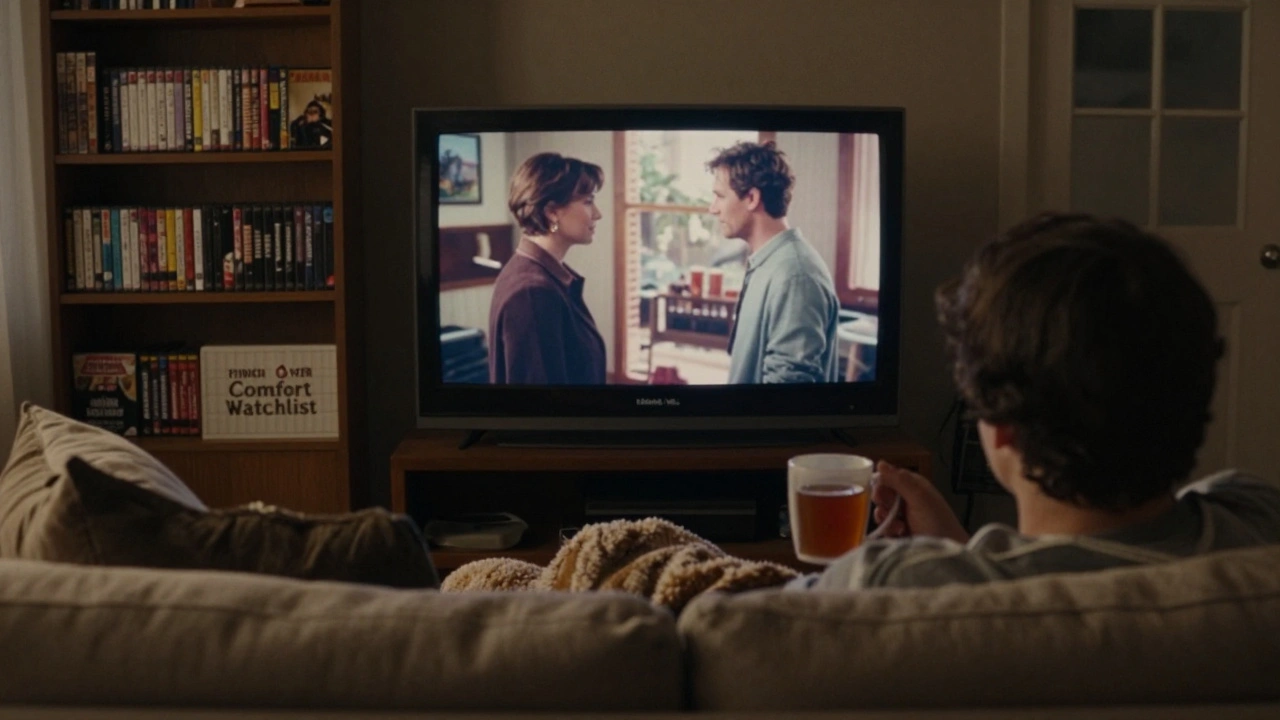
Streaming platforms don’t make money when they’re quiet. The big blockbuster drops-those tentpole films everyone talks about-are the fireworks. But fireworks don’t last. What keeps people subscribed in the months between them? The answer isn’t more new releases. It’s the quiet, forgotten, deeply loved movies sitting in your library.
Why Library Films Matter More Than You Think
Netflix, Hulu, Max, and Disney+ don’t just stream new movies. They stream thousands of older ones. These aren’t leftovers. They’re the backbone of daily engagement. A 2019 study by the University of Southern California found that 68% of users watched at least one library film per month. That’s not a side activity-it’s the core habit.
Think about it. You sign up for a service because of library films. Maybe it’s the Criterion Collection on Max, or the 90s Disney classics on Disney+. Maybe it’s the obscure indie dramas you stumbled on last winter and still rewatch when you need comfort. These aren’t accidental finds. They’re carefully placed.
When a tentpole film drops-say, a Marvel movie or a big-budget horror sequel-it spikes sign-ups. But that spike fades fast. Three weeks later, if the rest of the catalog feels empty, people cancel. Library films are the glue. They turn a one-time buyer into a monthly user.
How Platforms Curate Their Libraries
Not every old movie gets kept. Streaming services don’t just hoard everything. They use data to decide what stays. Here’s how it works:
- Watch time per title: If a 2007 drama gets 500,000 hours of viewing a year, it stays. If a 2015 action flick gets 12,000, it gets dropped.
- Completion rate: A film that people start but never finish? Gone. A film people watch all the way through, then restart? Promoted.
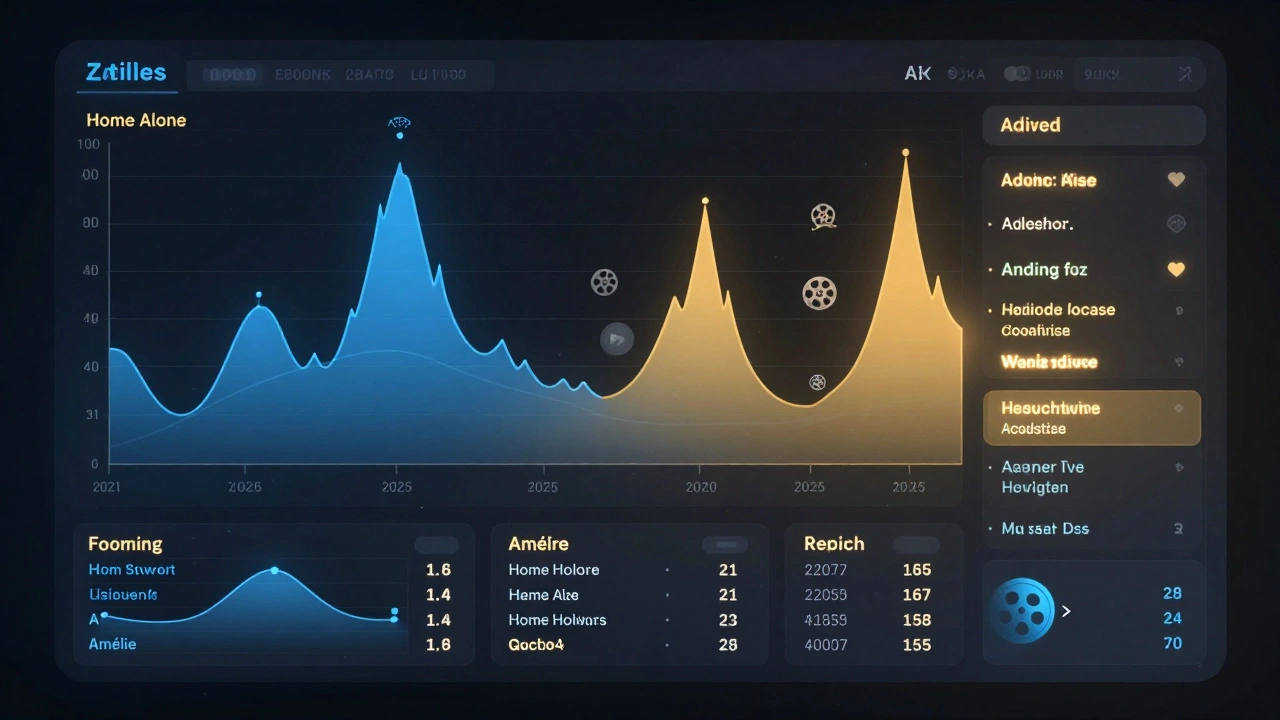
- Seasonal spikes: Holiday classics like It’s a Wonderful Life or Home Alone get boosted every December. They’re not just kept-they’re highlighted.
- Demographic alignment: A library film that performs well with users aged 35-49? It gets tagged for that group. If it also pulls in 18-24-year-olds who discovered it through TikTok, it gets a second life.
Platforms don’t just rely on internal data. They track external trends too. When a film like Barbie hits, suddenly people start searching for 2000s comedies with similar tones. Services notice and push those titles into recommendations.
The Psychology Behind Re-Watching
People don’t just watch library films because they’re there. They watch because they’re safe. New releases come with pressure: you have to like them. You have to talk about them. You have to keep up.
Library films don’t ask for that. They’re familiar. They’re predictable. You know the ending. You know the jokes. You know the music. That’s why rewatching is the most common behavior on streaming platforms. A 2024 report from Parrot Analytics showed that 41% of all streaming sessions were re-watches. That’s more than new releases.
It’s not laziness. It’s emotional comfort. A study from Stanford’s Media Lab found that viewers who regularly rewatched library films were 37% less likely to cancel their subscription in the next 90 days. The reason? They didn’t need the next big thing. They had their own personal soundtrack.
Library Films as Discovery Engines
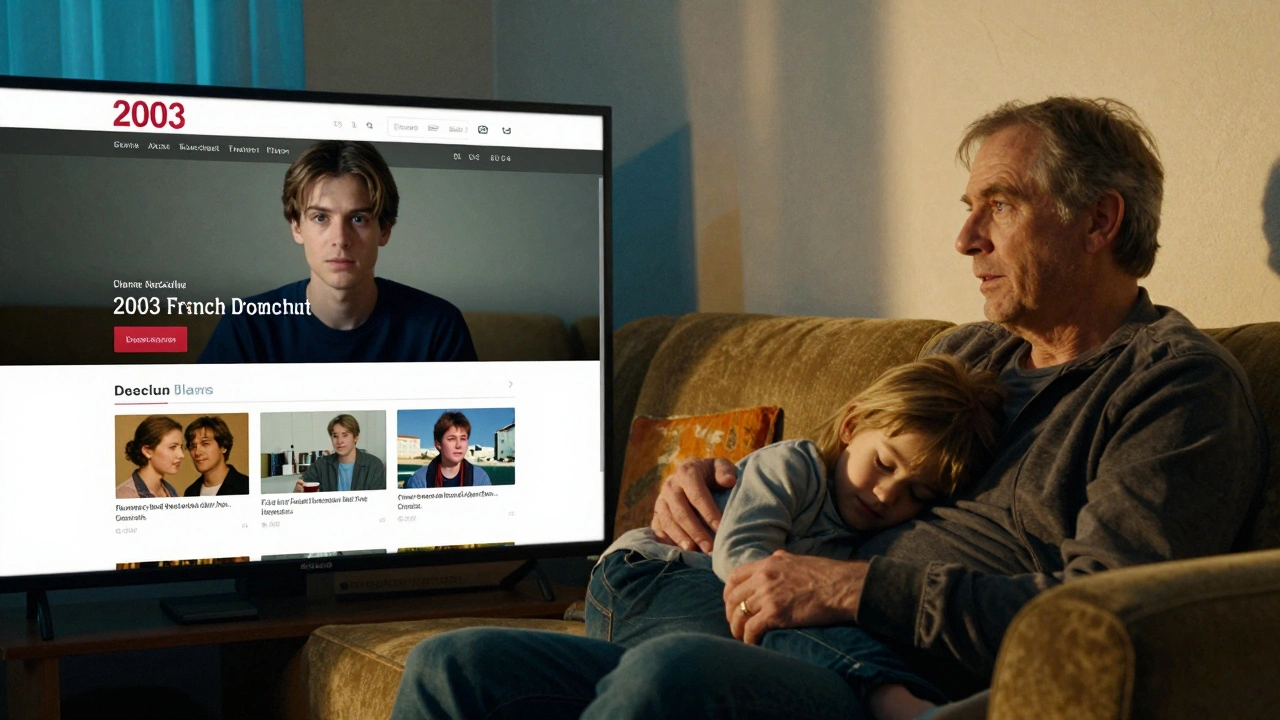
Here’s something most people don’t realize: library films are how you find new favorites. You watch a 1998 romantic comedy because it’s on the homepage. You like it. The algorithm notices. Then it suggests a 2003 French film with a similar tone. Then a 2010 Japanese drama. Suddenly, you’re watching foreign cinema. You didn’t sign up for that. But you stayed for it.
That’s the hidden engine. Library films aren’t just filler. They’re gateways. They pull users deeper into the platform’s ecosystem. A user who starts with Amélie might end up watching 12 other foreign films. That’s not accidental. That’s design.
Platforms know this. That’s why they invest in curation teams-not just for new releases, but for the back catalog. These teams build themed collections: "Films That Made You Cry in 2002," "Movies That Feel Like a Blanket," "Late-Night Watchlist: No Dialogue Needed." These aren’t just playlists. They’re emotional anchors.
What Happens When Libraries Shrink
When platforms cut library films, they don’t just lose content. They lose trust.
In 2023, Paramount+ removed over 200 classic films from its catalog to make room for new originals. Subscribers noticed. One Reddit thread titled "Where did all the good movies go?" got 17,000 upvotes. Churn increased by 18% in the following quarter. Not because of price hikes. Not because of ads. Because the comfort was gone.
Disney+ did the same thing in 2022-removing older Touchstone and Miramax titles. Fans didn’t just complain. They migrated. Some switched to Apple TV+, where those films still existed. Others turned to free, ad-supported services just to rewatch Clueless or Good Will Hunting.
Library films aren’t just content. They’re memories. And when you take them away, you’re not just deleting a file. You’re deleting a part of someone’s life.
How to Build a Retention-Focused Catalog
If you’re running a streaming service, here’s what you need to do:
- Track rewatch rates, not just views. A film watched once and forgotten is dead. One watched five times? That’s gold.
- Don’t remove films just because they’re old. Remove them only if they get zero views for 18 months.
- Create "Forever Collections"-films you promise never to remove. Make them visible. Put them on the homepage. Let users know they’re safe.
- Use library films to onboard new users. If someone signs up after a tentpole release, recommend three library films that match the tone. Don’t just push more new stuff.
- Let users curate their own lists. When someone saves a film to "My Comfort Zone," use that data to personalize recommendations for others.
The best streaming services don’t compete on how many new films they release. They compete on how many old films people still love.
What’s Next for Library Films
The next frontier? AI-powered restoration. Services are now using machine learning to restore old films-fixing color, reducing noise, even enhancing audio. Disney+ restored The Little Mermaid (1989) to 4K with AI last year. Viewership jumped 210%.
And it’s not just about looks. AI is also helping match films to moods. If you watch three sad films in a row, the system might suggest a 1980s comedy you haven’t seen in years. It’s not random. It’s emotional intelligence.
Library films are becoming smarter. And they’re becoming more essential. In 2026, the most valuable asset a streaming service can own isn’t a new franchise. It’s a catalog that feels like home.






Comments(5)