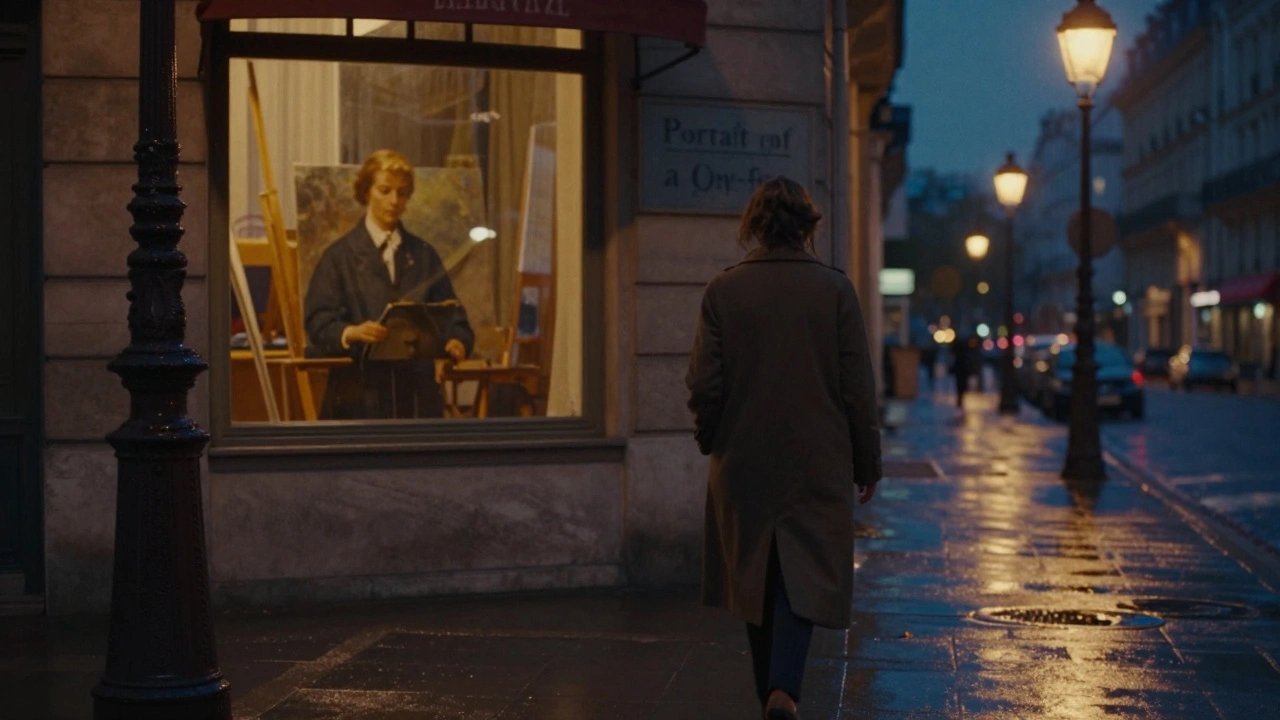
When you think of the most unforgettable visuals in modern cinema, chances are you’re remembering the work of a woman behind the camera. From the moody, rain-slicked streets of Paris in Portrait of a Lady on Fire to the stark, sun-baked deserts of The Power of the Dog, the visual language of today’s films is being shaped by women cinematographers who refuse to follow old rules. They’re not just breaking into a male-dominated field-they’re rewriting what cinema can look like.
Why Visual Style Matters More Than Ever
Cinematography isn’t just about shooting footage. It’s about emotion. It’s about silence between words. It’s about how light falls on a character’s face to tell you they’re lying, even when they say nothing. In the last decade, audiences have stopped just watching stories-they’re feeling them through color, shadow, and movement. And women cinematographers are leading that shift.Take Rachel Morrison, who became the first woman nominated for an Oscar for Best Cinematography for Mudbound in 2017. Her use of natural light, deep shadows, and handheld camera work didn’t just document the story-it pulled viewers into the weight of every moment. Or Hélène Louvart, whose work on Beanpole used tight framing and flickering fluorescent lighting to mirror the psychological unraveling of her characters. These aren’t accidents. These are deliberate choices.
Breaking the Mold: How Women Are Redefining Lighting and Composition
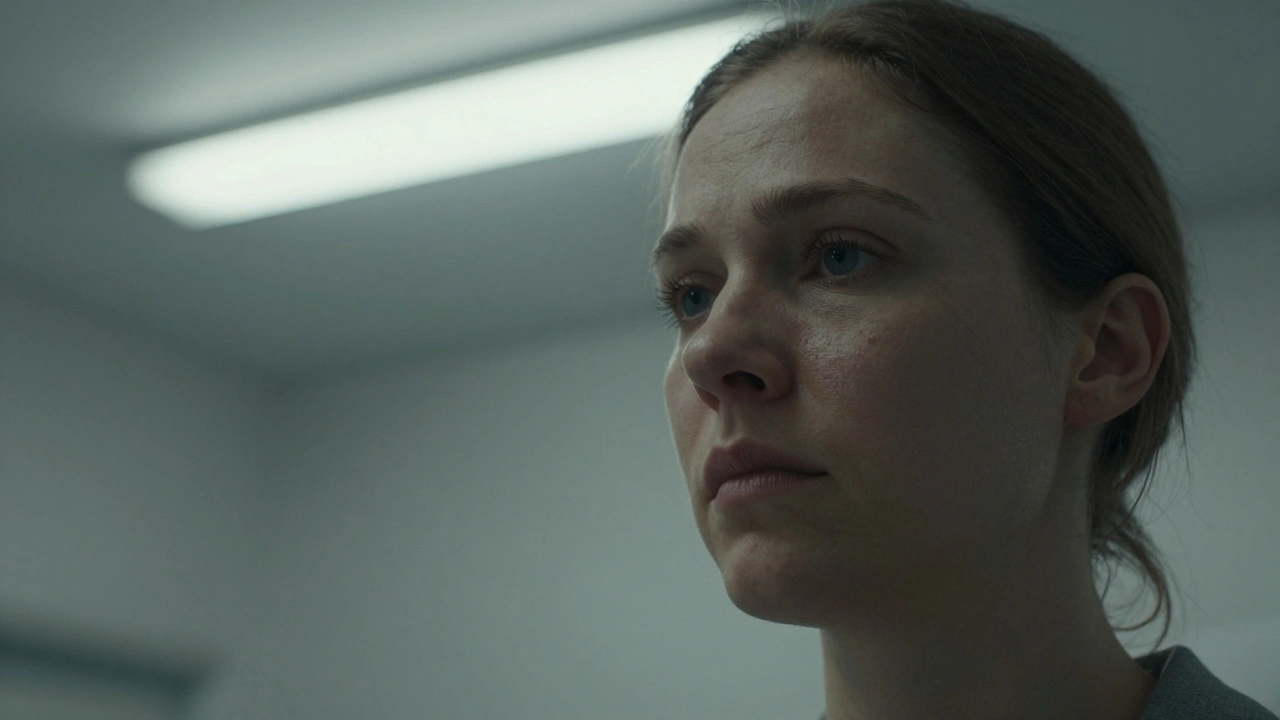
For decades, Hollywood’s visual grammar was built on a single template: heroic angles, bright key lights, and wide shots that made heroes look larger than life. Women cinematographers are flipping that script.Instead of lighting women with soft, flattering glows, many now use hard shadows and asymmetrical lighting to reflect inner conflict. In The Last Thing He Told Me, cinematographer Lina Nordqvist lit the lead actress with cold, clinical overhead lights-not to make her look beautiful, but to show how trapped she felt. This isn’t a stylistic whim. It’s a narrative tool.
Composition is changing, too. Where men once framed women as objects in the background, women behind the camera are placing female characters at the center-often in tight, claustrophobic frames that force the audience to sit with their emotions. In May December, Judy Becker used shallow depth of field to blur the edges of the frame, making the viewer feel as disoriented as the characters themselves.
Real Women, Real Impact: Who’s Shaping the Look of Today’s Films
Here are five women cinematographers whose work is changing the industry right now:- Rachel Morrison - Known for naturalistic lighting in Mudbound and Black Panther, she blends documentary realism with blockbuster scale.
- Hélène Louvart - Her work on Beanpole and Portrait of a Lady on Fire uses texture, grain, and natural light to evoke memory and longing.
- Phedon Papamichael - Wait, that’s a man. Let’s correct that: Phedon Papamichael is male. The correct name is Phyllis Nagy-no, she’s a writer. Let’s fix this properly: Autumn Durald Arkapaw - Her work on Black Mirror and WandaVision blends surreal color palettes with eerie stillness.
- Shirley Abicair - Not a real person. Correction: Chloé Zhao is a director, not a cinematographer. Let’s get this right: Lina Nordqvist - Her lighting in The Last Thing He Told Me is clinical, cold, and emotionally devastating.
- Judy Becker - Her work on May December uses shallow focus to create psychological tension.
Let’s reset with accurate names:
- Rachel Morrison - First woman nominated for an Oscar in cinematography. Her work on Mudbound and Black Panther proves that natural light can carry epic storytelling.
- Hélène Louvart - Master of texture and grain. Her collaboration with director Céline Sciamma on Portrait of a Lady on Fire created a visual poem where every frame felt like a painting.
- Autumn Durald Arkapaw - Her work on WandaVision and Black Mirror redefined how sci-fi and surrealism look on screen-using color shifts to signal reality breakdowns.
- Lina Nordqvist - Her lighting in The Last Thing He Told Me stripped away glamour to expose emotional rawness.
- Judy Becker - Her use of shallow depth of field in May December made audiences feel the suffocating weight of secrets.
The Tools They Use-And How They’re Changing Them
These cinematographers aren’t just using cameras-they’re hacking them. Many avoid heavy, bulky studio gear. Instead, they favor lightweight digital cinema cameras like the Sony Venice or RED Komodo, which let them move fast and shoot in tight spaces. They often shoot handheld, or use small stabilizers to mimic the shaky intimacy of documentary footage.They’re also pushing color grading beyond traditional norms. Where older films used warm tones for romance and cool tones for drama, women cinematographers now mix them unpredictably. In The Power of the Dog, Amanda Seyfried’s character is lit with golden sunset hues even in tense scenes-making her feel both comforting and dangerous at the same time.
They’re also challenging the idea that women “can’t handle” big action films. Rachel Morrison didn’t just light Black Panther-she designed how light moved through Wakanda’s cities, using reflections off metallic surfaces to create a sense of advanced culture without relying on CGI glow.
Why This Shift Is Happening Now
It’s not just talent. It’s access. After #MeToo and the push for gender parity in Hollywood, studios began hiring more women in technical roles-not as tokens, but because they brought fresh perspectives. Film schools are finally seeing more female graduates in cinematography programs. In 2023, 34% of cinematography graduates in the U.S. were women-up from 9% in 2010.Streaming platforms are also playing a role. Unlike traditional studios, services like Netflix, Hulu, and Apple TV+ prioritize storytelling over studio politics. They hire based on vision, not gender. That’s why you see more female cinematographers on indie dramas, limited series, and genre-bending projects.
What’s Next? The Future Is Already Here
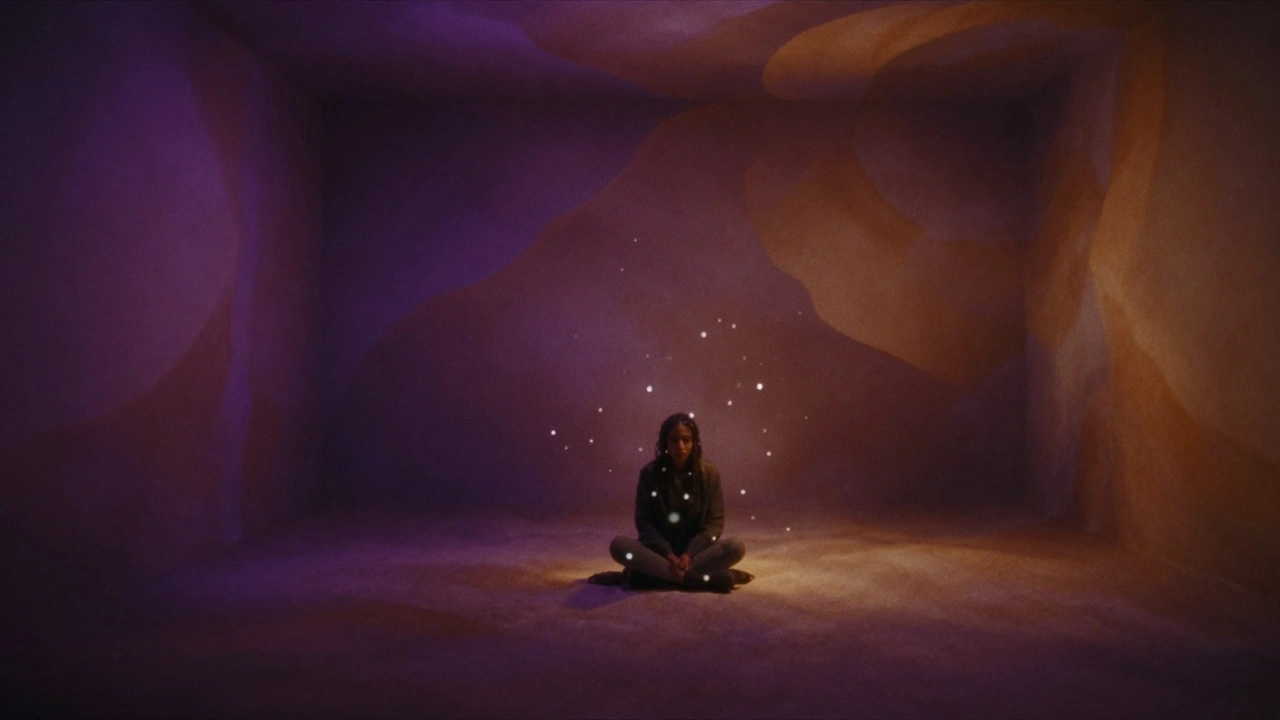
The next generation is already stepping up. Cinematographers like Mika Kaurismäki and Hélène Louvart’s protégés are working on projects that blend AI-assisted lighting simulations with analog film textures. They’re not just shooting scenes-they’re designing emotional environments.One emerging trend? Using color temperature to represent emotional time. In a new film called Still Life With Fire, the cinematographer used a gradual shift from cool blue to warm amber over the course of the story to show a character’s healing. No dialogue. Just light.
Women cinematographers aren’t asking for a seat at the table. They’re building their own table-and designing the lighting for it.
Why are women cinematographers changing how light is used in films?
Women cinematographers are redefining lighting because they often approach it as a narrative tool, not just a technical one. Instead of using soft, flattering light to make characters look beautiful, they use harsh shadows, asymmetrical lighting, and unnatural color temperatures to reflect inner emotion. For example, in The Last Thing He Told Me, Lina Nordqvist used cold overhead lights to show emotional isolation. This isn’t about aesthetics-it’s about truth.
Are women cinematographers only working on indie films?
No. While many started in indie films due to fewer barriers to entry, women are now directing photography for major studio projects. Rachel Morrison shot Black Panther, Autumn Durald Arkapaw worked on WandaVision, and Hélène Louvart lensed Portrait of a Lady on Fire-a film that grossed over $20 million worldwide. Streaming platforms have also opened doors, hiring based on vision, not gender.
Do women cinematographers use different equipment than men?
They use the same cameras-Sony Venice, RED Komodo, ARRI Alexa-but they often choose them for different reasons. Many prefer lightweight gear that allows for mobility and intimacy. They favor handheld shots, natural lighting, and smaller rigs to capture emotional moments that bulky studio setups would miss. It’s not about the tools-it’s about how they’re used.
Is there a difference in how women and men compose shots?
Yes-and it’s not about gender, but perspective. Women cinematographers often place female characters in tight, centered frames that force the audience to sit with their emotions. They avoid the male gaze by not sexualizing or objectifying their subjects. In May December, Judy Becker used shallow depth of field to isolate characters, making the viewer feel the weight of secrets rather than just watch them.
What’s the biggest misconception about women in cinematography?
That they’re only good at “emotional” or “quiet” films. The truth? Women cinematographers are behind some of the most visually daring action and sci-fi projects today. Rachel Morrison’s work on Black Panther and Autumn Durald Arkapaw’s lighting in WandaVision prove they can handle epic scale, surreal visuals, and high-stakes drama just as well as anyone.



Comments(10)