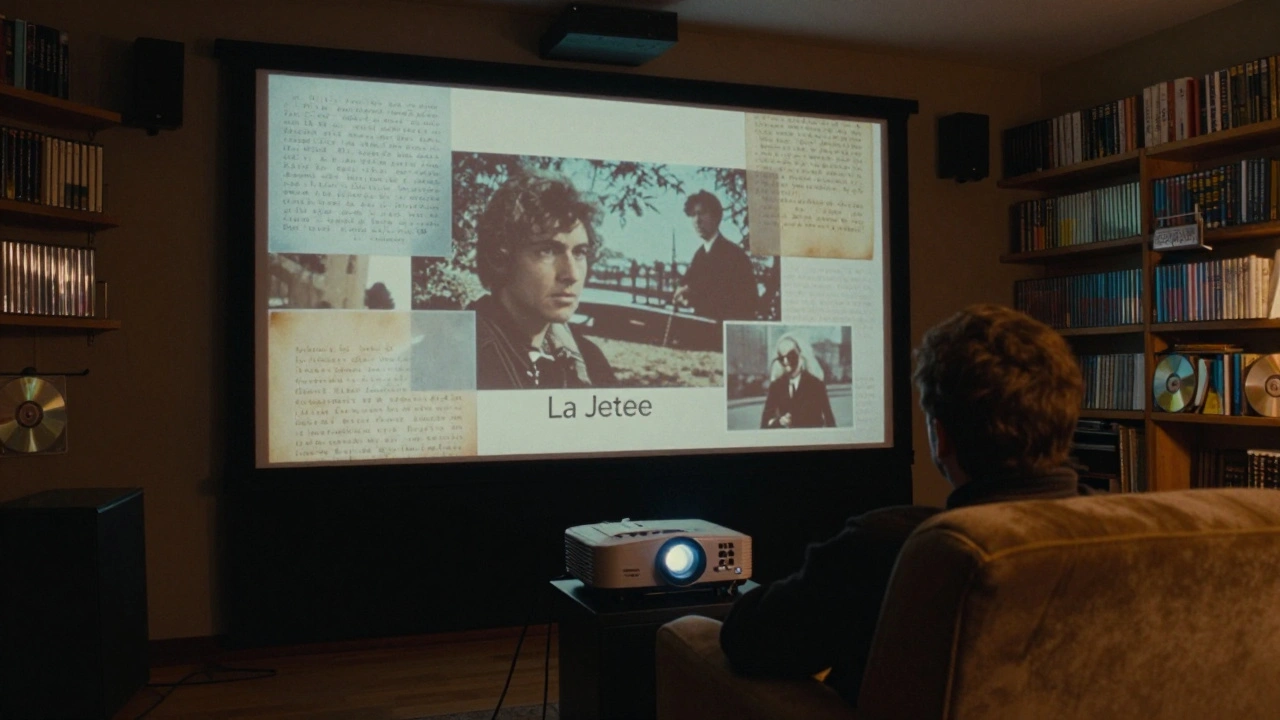
Most people think streaming is just about the latest blockbusters or binge-worthy TV shows. But for cinephiles - the ones who know the difference between a Bresson long take and a Tarkovsky slow zoom - streaming has become something quieter, deeper, and more personal. It’s not about what’s trending. It’s about what’s been forgotten, preserved, or never found in the first place.
What Niche Streaming Platforms Actually Do
Platforms like The Criterion Channel, MUBI, and FilmStruck (RIP, but its spirit lives on) don’t just host movies. They curate them. Like a museum curator, they pick films based on artistic merit, historical significance, or cultural impact. A single month on MUBI might focus on Japanese silent cinema. Another could spotlight post-colonial African directors. These aren’t random picks. They’re curated journeys.
Compare that to Netflix or Hulu. Their algorithms push what’s popular. They want you to watch the same thing everyone else is watching. Niche platforms want you to watch something you didn’t even know existed.
Take The Criterion Channel. It doesn’t just stream Seven Samurai. It streams the 2020 4K restoration with new audio commentary from film scholars. It pairs it with a 1963 documentary on Kurosawa’s editing room. It even includes handwritten notes from the original Japanese script supervisor. This isn’t entertainment. It’s education wrapped in celluloid.
The Cinephile’s Hidden Needs
Most streaming services treat viewers as data points. Niche platforms treat them as collectors.
Cinephiles don’t just want to watch a film. They want to:
- Understand its context - who made it, when, and why
- Compare versions - theatrical cut vs. director’s cut vs. restored print
- Discover connections - how one filmmaker influenced another
- Own the experience - not just the file, but the liner notes, essays, interviews
These aren’t luxury wants. They’re requirements. A cinephile who watches Stalker on YouTube without context is like reading a novel without knowing the language it was written in.
Platforms like Fandor and Kanopy serve this need by embedding scholarly essays directly into their player interface. Click on a film, and you’ll see a PDF of a 1982 journal article on its political symbolism. No login to a separate site. No hunting through JSTOR. It’s all there, built in.
How Curation Beats Algorithms
Algorithms thrive on repetition. They show you what you’ve watched before. Curation thrives on discovery. It shows you what you didn’t know you needed.
Consider this: in 2025, a study by the University of California’s Film Archive found that users of niche streaming platforms were 3.7 times more likely to watch a film outside their usual genre than users of mainstream services. Why? Because curation doesn’t ask, “What do you like?” It asks, “What should you see?”
Take the case of La Jetée - a 1962 French short film made almost entirely of still photos. It’s 11 minutes long. It’s obscure. It’s not on any mainstream platform. But on The Criterion Channel, it’s paired with Chris Marker’s later feature Sans Soleil, and a 20-minute interview with a French film historian explaining how it predicted the rise of digital media. That’s not a recommendation. That’s a revelation.
The Role of Physical Media in a Digital Age
Even though these platforms are digital, they’re deeply inspired by physical media. Many curators started as collectors of VHS tapes and LaserDiscs. They remember the thrill of finding a rare print at a flea market.
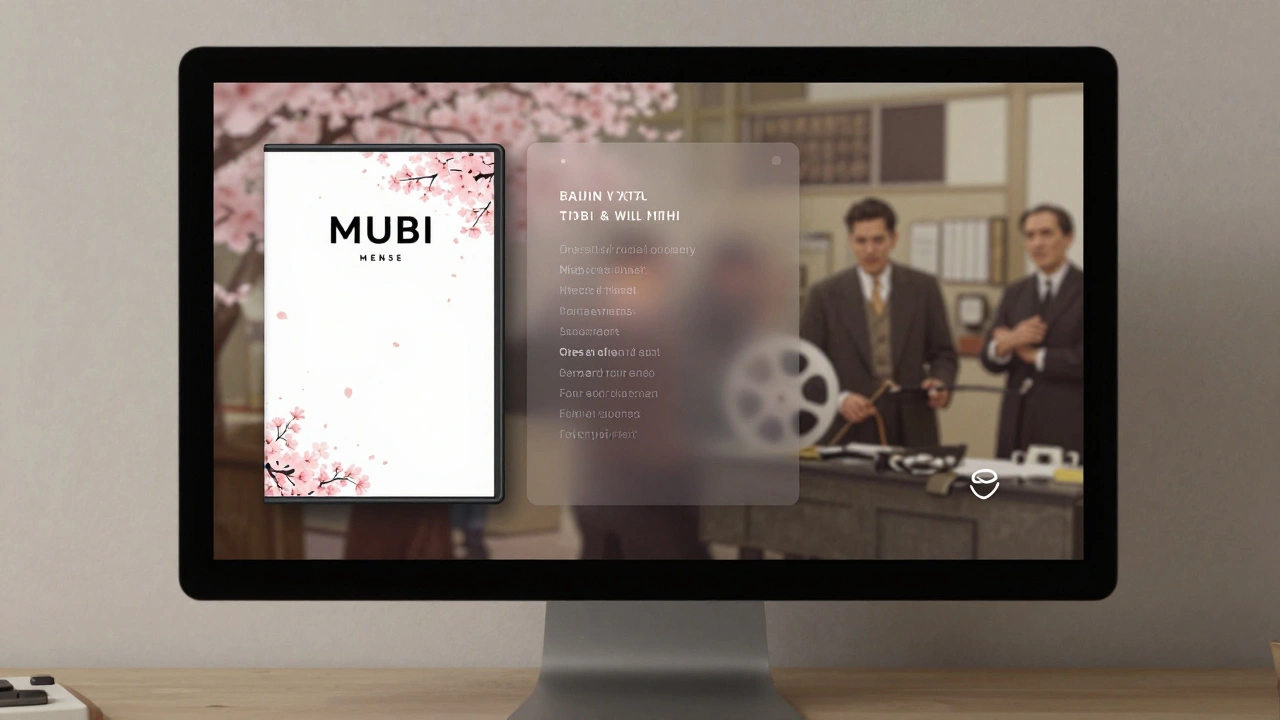
That’s why platforms like Criterion and MUBI mimic the packaging of physical releases. Their website layouts look like DVD box sets. Each film has its own “liner notes” - essays, production stills, behind-the-scenes photos. Even the playback interface feels like inserting a disc into a player: a loading screen with a slow fade-in, a subtle click sound when you start playback.
It’s not nostalgia. It’s intentionality. The design tells you: this isn’t just content. It’s an artifact.
Who Benefits Most From This Model?
It’s not just film students or academics. It’s the 42-year-old librarian in Des Moines who spent her twenties watching Godard in basement theaters. It’s the high school teacher in Boise who shows La Règle du Jeu to her class every spring. It’s the immigrant in Atlanta who finds echoes of his homeland in 1970s Iranian cinema.
Niche platforms don’t just offer films. They offer identity. For people who feel alienated by mainstream media, these platforms become communities - even if they never chat with anyone.
There’s a quiet power in knowing that somewhere, someone else is watching the same obscure 1959 Polish film you are. You don’t need to like it. You just need to know it exists.
The Future of Curation
Streaming is still young. But the curation model is already evolving.
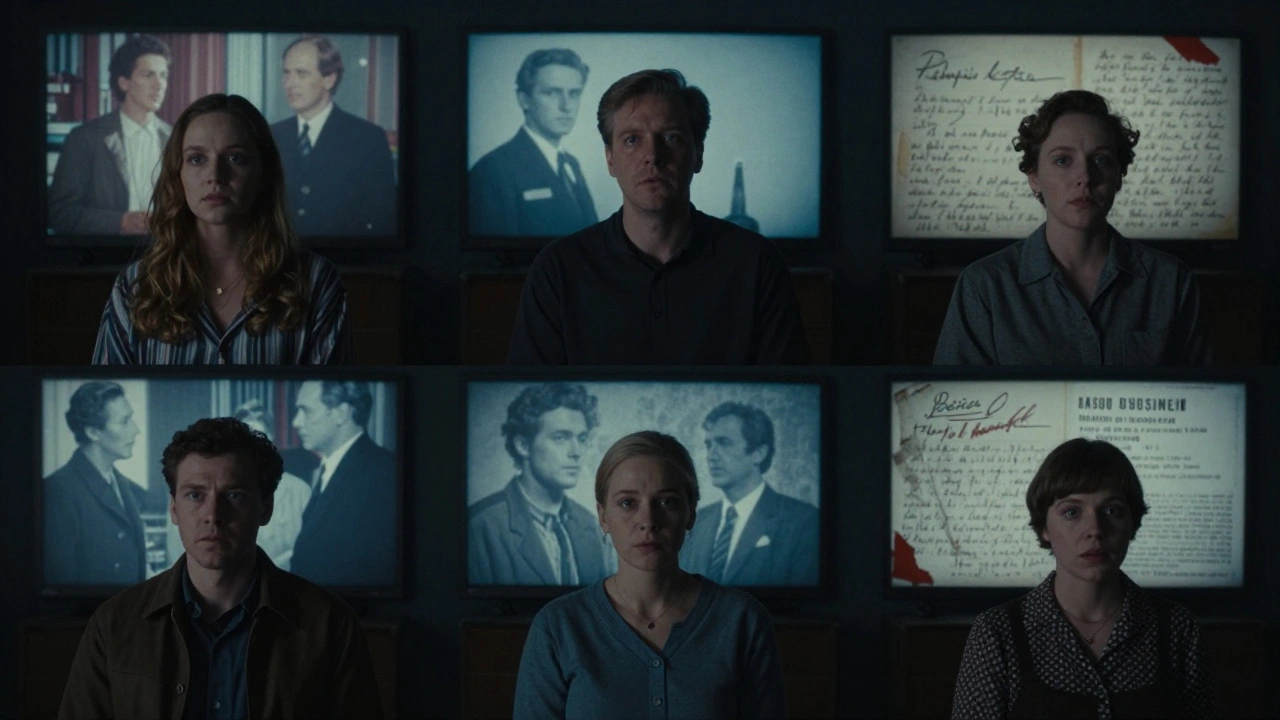
New platforms are popping up - like Reel Arch, which focuses on regional American cinema from the 1920s to 1970s. Or Global Lens, which partners with embassies to bring in films banned in their home countries. One platform, Refracted, even lets users submit their own curated collections - a film buff from Lagos can create a playlist of Nigerian New Wave films, and someone in Oslo can subscribe to it.
This isn’t just about access anymore. It’s about participation. The line between viewer and archivist is blurring.
And here’s the truth: mainstream platforms will never do this. Why? Because curation doesn’t scale. It doesn’t make money the way algorithm-driven content does. It’s slow. It’s expensive. It requires experts, historians, and archivists - not just engineers.
But for cinephiles, that’s the point. The best films weren’t made to be consumed quickly. They were made to be returned to.
Why This Matters Now
In 2026, over 80% of all streaming content is produced for mass appeal. The rest? The 20% that’s left - the arthouse, the experimental, the forgotten - is preserved almost entirely by niche platforms.
Without them, films like La Jetée, Man with a Movie Camera, or Yi Yi would vanish into obscurity. Not because they’re bad. But because they don’t fit the metric.
These platforms are the last libraries of cinema. And they’re not just keeping films alive. They’re keeping the idea of film as art alive.




Comments(7)