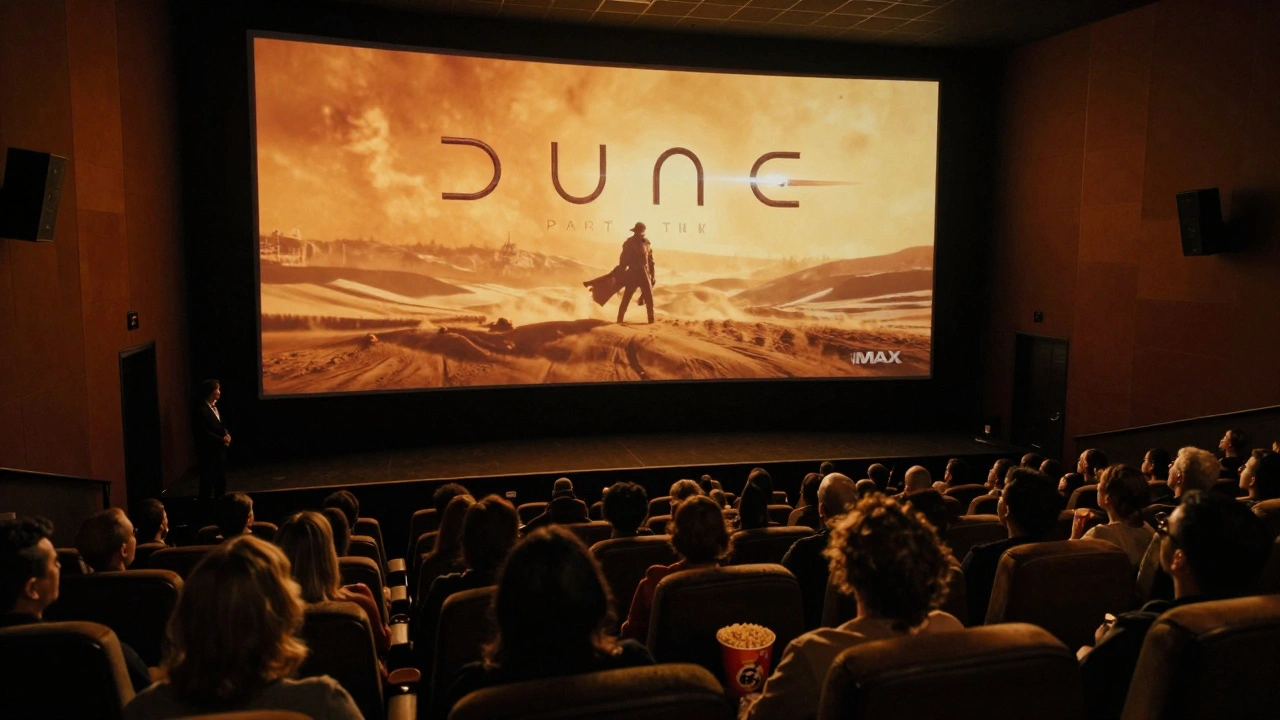
It used to be simple: a movie came out in theaters, stayed there for at least 90 days, then hit streaming or home video. That was the rule. But now? Some films open on streaming the same day as theaters. Others vanish from cinemas in just two weeks. The theatrical window-the time between a movie’s theater debut and its digital release-is shrinking fast. And it’s changing everything about how movies make money.
What Is the Theatrical Window, Really?
The theatrical window isn’t just a timeline. It’s a contract between studios, theaters, and audiences. For decades, the standard was 90 days. That gave theaters time to recoup their investment in prints, marketing, and staff. It gave audiences a reason to leave their homes and pay $15 for popcorn and a seat. But in 2020, everything cracked. Pandemic closures forced studios to experiment. Warner Bros. released its entire 2021 slate on HBO Max the same day as theaters. Disney followed with shorter windows for films like Black Widow and Shang-Chi. By 2023, the average window dropped to 45 days. In 2025, it’s down to 17 days for many major releases.
Why does this matter? Because theaters aren’t just venues-they’re data engines. They tell studios who’s watching, where, and when. Box office numbers aren’t just about profit. They’re signals. A strong opening in 3,000 theaters means a movie has mass appeal. A weak one tells studios to pivot marketing, cut losses, or shift strategy.
How Shortening the Window Hurts Theaters
Independent theaters are bleeding. In 2024, over 1,200 small theaters closed in the U.S. alone. Why? When a movie leaves theaters in 10 days, it doesn’t give audiences time to discover it. People don’t rush to see a film on opening weekend if they know it’s on Apple TV in two weeks. That’s not speculation-it’s data. A 2025 study from the Motion Picture Association showed that for every 10-day reduction in the theatrical window, average ticket sales dropped by 22% in markets outside major cities.
Think about it: if you’re in Boise, Idaho, and you hear about a new movie on Friday, you might wait until Saturday to go. But if you know it’s on streaming Tuesday? You’ll wait. And then you won’t go at all. Theaters rely on word-of-mouth momentum. Short windows kill that. Big studio films still draw crowds-Dune: Part Two made $1.1 billion because it stayed in theaters for 70 days. But smaller films? The Holdovers earned $50 million globally, but 80% of that came after its theatrical window was extended by two weeks. Studios didn’t plan that. Theaters fought for it.
Why Studios Still Push for Shorter Windows
For studios, the math is clear: streaming is the future. Subscription revenue is predictable. Box office? Volatile. A movie can make $80 million in theaters and still lose money after marketing, prints, and theater splits. But if it streams to 12 million households in its first week? That’s $72 million in subscription revenue before ads even kick in.
Disney’s 2025 earnings report showed that streaming revenue from theatrical releases now accounts for 43% of total film profits. That’s up from 18% in 2019. Studios don’t need theaters to break even anymore. They need them to generate buzz. A strong opening weekend creates headlines. Social media explodes. That drives subscriptions. The theater becomes a marketing tool, not a revenue source.
Look at The Marvels. It opened to $100 million but had a 14-day window. By the time it hit Disney+, it was already trending. That’s what studios want: the box office as a launchpad, not the finish line.
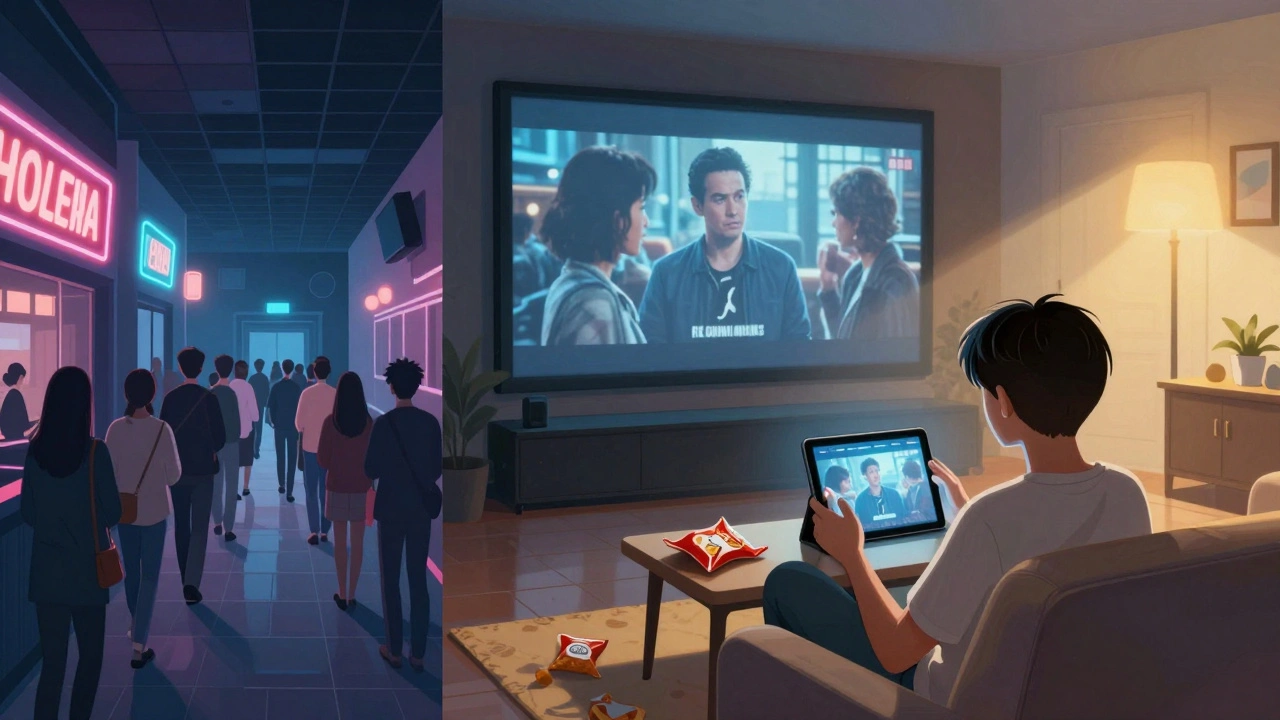
The Audience Is Split
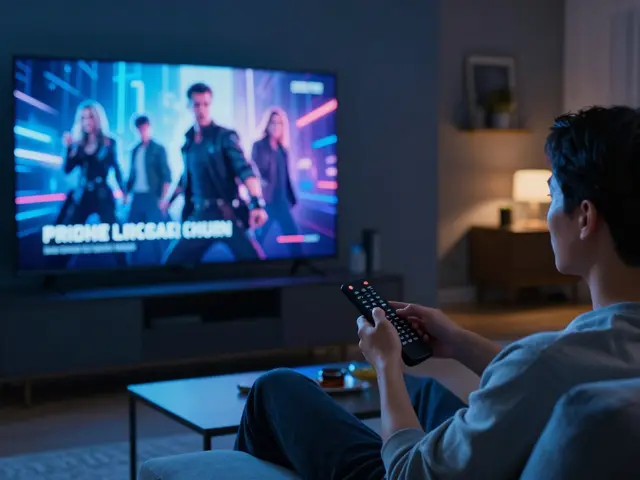
Not everyone agrees on this shift. A 2025 survey of 15,000 U.S. moviegoers found that 68% still prefer seeing new releases in theaters. But that number drops to 31% for viewers under 30. Why? Convenience. Cost. And the fact that many young audiences don’t even own a TV anymore-they stream on phones, tablets, and smart TVs in their bedrooms.
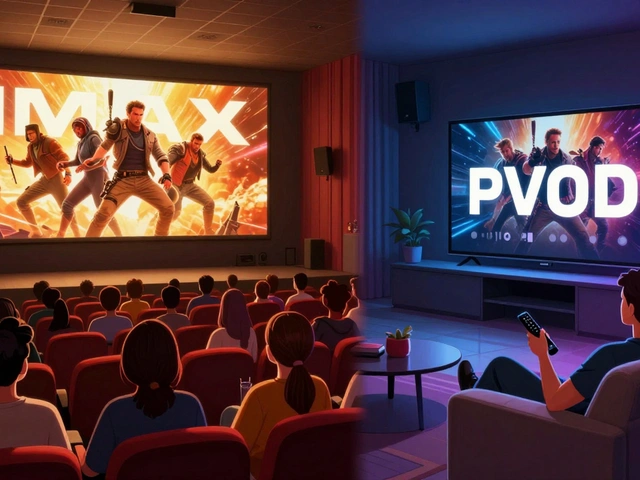
But here’s the twist: those same people still pay for premium experiences. IMAX, Dolby Cinema, and 4DX ticket sales are up 34% since 2022. People aren’t quitting theaters-they’re upgrading. They want the big screen for blockbusters, not for mid-budget dramas. That’s why studios are now splitting their release strategies: big action films get 60-day windows. Indie films get 10-day windows. Documentaries? Sometimes they skip theaters entirely.
What’s Really at Stake?
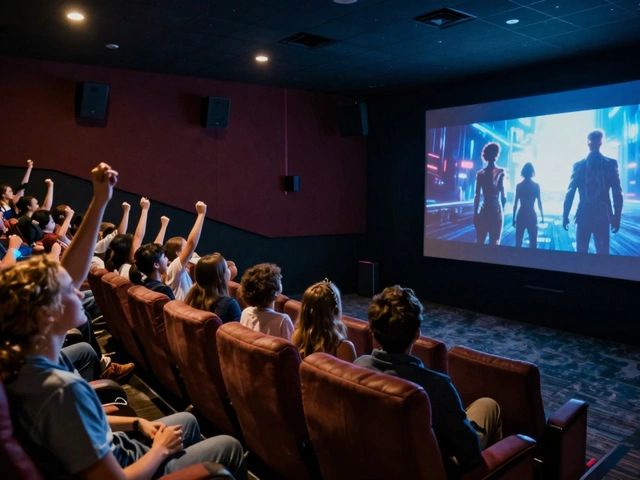
The real trade-off isn’t just dollars. It’s culture. Theaters are where movies become events. The shared silence before a twist. The gasps in the dark. The post-screening debates over coffee. That’s what made cinema special. When a movie drops on streaming the same day it hits theaters, it becomes content-not an experience.
And it’s not just about art. It’s about jobs. Projectionists, ushers, concession workers, maintenance crews-these are real people in small towns across America. When a theater closes, it doesn’t just lose revenue. It loses community. In Asheville, where I live, the historic Carolina Theatre survived 2020 by hosting live-streamed concerts and local film festivals. But if the window keeps shrinking, even that won’t be enough.
The Future: Hybrid, Not Either/Or
The answer isn’t to go back to 90 days. It’s not to eliminate theaters either. It’s balance. Some films need the big screen. Others don’t. Studios are starting to test tiered windows. Universal’s new model lets theaters bid for longer runs. If a film earns $2 million in its first week, it gets an extra 10 days. If it earns $5 million? It stays 30 days. That’s smart. It rewards success, not just scheduling.
Independent distributors are doing something even smarter: partnering with local theaters to offer exclusive screenings. A film might stream nationally on Tuesday, but in Asheville, you can see it in 70mm with a Q&A with the director on Friday. That’s not competition. That’s collaboration.
Box office numbers aren’t dying. They’re evolving. The goal isn’t to make every movie a $100 million hit. It’s to make the right movie the right experience at the right time. Theaters still matter. But they can’t survive if they’re treated like outdated billboards.
What You Can Do
If you love the theater experience, here’s what actually works:
- Go to the first weekend. Don’t wait. That’s when theaters get their revenue.
- Support indie films. They need the window more than blockbusters.
- Buy tickets online. It helps theaters track demand and negotiate better deals.
- Ask your local theater if they host exclusive events. Attend them.
- Don’t assume streaming is the only option. Sometimes, the best version of a movie is the one you see with strangers in the dark.
Why are theatrical windows getting shorter?
Studios are shifting focus from box office revenue to streaming subscriptions. Shorter windows let them monetize films faster through platforms like Disney+, Apple TV+, and Netflix. Theaters are no longer the primary profit center-they’re marketing tools.
Does shortening the window hurt box office numbers?
Yes, especially for mid-budget and indie films. Data from 2025 shows that reducing the theatrical window from 45 to 17 days cuts average ticket sales by 22% outside major cities. Big blockbusters still perform, but smaller films lose momentum.
Are theaters dying because of streaming?
Not entirely. Theaters are struggling because studios are abandoning them as revenue sources, not because audiences have stopped going. People still pay for premium experiences-IMAX, 4DX, and midnight screenings are growing. The issue is that studios aren’t giving theaters the time to build word-of-mouth for non-blockbuster films.
What’s the ideal theatrical window today?
There’s no one-size-fits-all answer. Blockbusters like Dune: Part Two benefit from 60-70 day windows. Mid-budget films thrive with 30-45 days. For documentaries or niche films, 10-14 days might be enough if paired with local theater events. The key is matching the window to the film’s audience and release strategy.
Can theaters survive without long windows?
Only if they evolve. Theaters that survive are the ones offering more than movies: live events, themed nights, community screenings, and exclusive content. They’re becoming cultural hubs, not just projection rooms. Studios need to see them that way too.



Comments(10)