Disney used to release a movie, then wait a year before it showed up on TV. Now, you can watch a new Marvel film on Disney+ the same day it hits theaters. That shift didn’t happen overnight. It was a calculated, sometimes messy, pivot that changed how billions of people consume movies. And it’s still evolving.
Why Disney Changed the Rules
In 2019, Disney bought 21st Century Fox and suddenly owned the biggest movie studio in the world. But streaming was already eating into theater attendance. Netflix had proven people would pay for content without leaving their couch. Disney needed its own platform to keep control - and profits - in-house. Disney+ launched in November 2019 with a library of classics and a few new originals. But the real test came in 2020.
When the pandemic hit, Disney made a bold move: it released Hamilton and Artemis Fowl directly on Disney+. No theaters. No waiting. That was the first crack in the old model. By 2021, they were testing the same strategy on big-budget films like Cruella and Black Widow. Some fans were angry. Theater chains threatened lawsuits. But the numbers didn’t lie. Black Widow brought in $60 million in digital rentals in its first weekend - more than many theaters made in a month.
The Dual Release Strategy
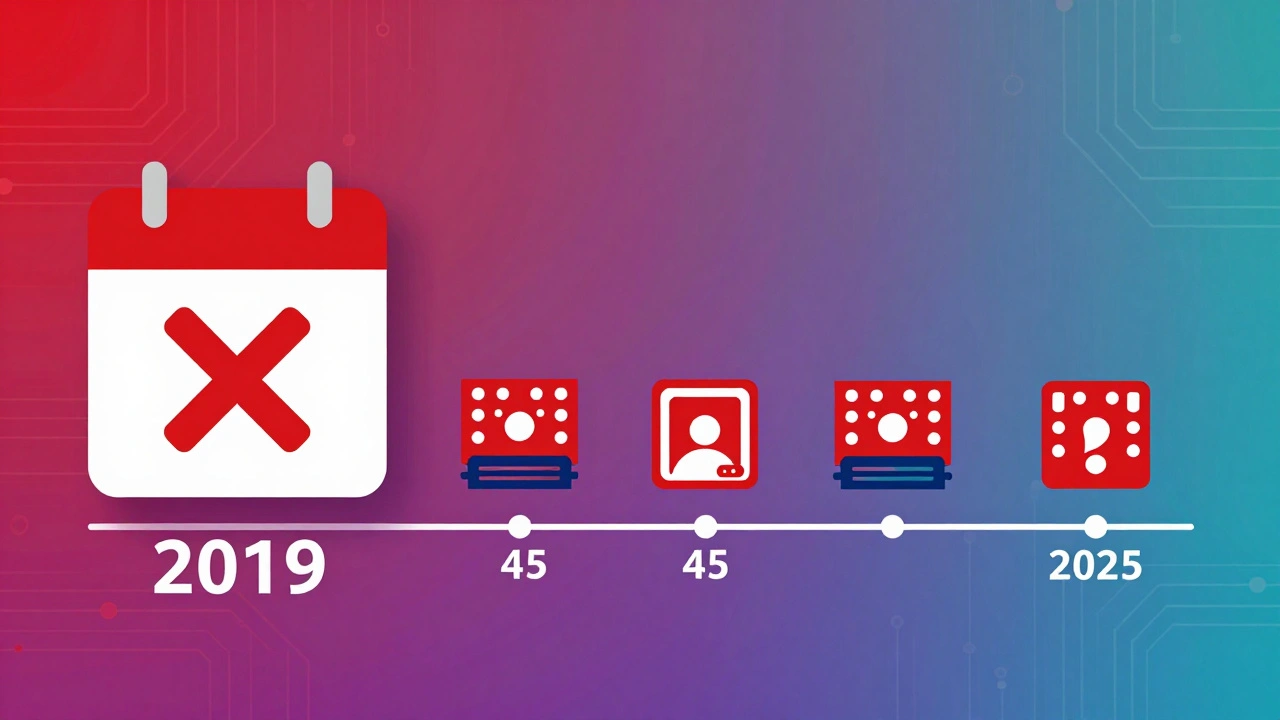
Today, Disney doesn’t just pick one path. They use a hybrid model. For most franchises, they release films in theaters first. But the window is shrinking. In 2024, the average gap between a Disney movie hitting theaters and appearing on Disney+ was just 45 days. That’s down from 90 days in 2019. For major franchises like Marvel and Star Wars, the theatrical release still matters. It’s a cultural event. But for smaller titles - animated sequels, live-action remakes, or mid-budget dramas - Disney+ is often the primary release.
Here’s how it breaks down:
- Marvel Cinematic Universe: Still gets a 45-60 day theatrical window. Deadpool & Wolverine (2024) had a 58-day gap. Disney wants the buzz, the box office, the merchandising surge.
- Star Wars: Theatrical only for mainline films. Ahsoka and The Mandalorian are streaming-only, but the big movies like Star Wars: Skeleton Crew still open in theaters.
- Disney Animation: Wish (2023) got a 45-day theatrical run. Moana 2 (2024) went straight to Disney+ after a one-week theater run for awards eligibility.
- Live-Action Remakes: The Little Mermaid (2023) had a 60-day window. Snow White (2025) will likely go straight to Disney+ after a limited theatrical release.
The rule of thumb? If the movie costs more than $150 million to make and market, it gets theaters. If it’s under $100 million and doesn’t need a global event to sell tickets, it goes to streaming.
Why Theaters Still Matter
Disney doesn’t want to kill theaters - they need them. Theaters are the only place where a movie can make $1 billion in 10 days. That kind of revenue funds the next project. A $200 million film needs to gross $500 million just to break even. Streaming doesn’t pay that much. Even with 10 million subscribers paying $13 a month, that’s only $130 million total. And Disney doesn’t get all of it.
Box office numbers also drive marketing. A hit movie like Guardians of the Galaxy Vol. 3 generates free publicity: news coverage, memes, YouTube reaction videos, TikTok trends. That’s worth billions in advertising value. Streaming success is quieter. You know a show is popular when it trends on social media - but that’s not the same as seeing a line wrap around a cinema.
Disney also uses theaters to test new franchises. Strange World (2022) flopped in theaters. But Disney didn’t give up on the IP. They quietly released the film on Disney+ and watched viewer data. The audience was smaller, but highly engaged. That’s why they’re developing a spin-off series - one that will never see a theater.
What Disney+ Gets from Theatrical Releases
Disney+ isn’t just a place to watch movies. It’s a content engine. Every big theatrical release becomes a streaming magnet. After Avengers: Endgame hit theaters, Disney+ saw a 40% spike in subscriptions. People signed up to rewatch it - and then they stayed for Loki, Ms. Marvel, and WandaVision.
That’s the real strategy: use theaters to drive subscriptions. Disney doesn’t just sell tickets - they sell access. Theatrical releases are loss leaders for the streaming service. A $30 movie ticket might cost Disney $15 to produce. But if that movie brings in 500,000 new subscribers who pay $13 a month? That’s $6.5 million in new revenue in the first month alone.
Disney also uses theatrical releases to promote Disney+ originals. When Indiana Jones and the Dial of Destiny came out in 2023, Disney+ ran ads during the movie’s trailers: “Watch all four Indiana Jones films on Disney+.” That’s how they turn one movie into a 20-hour binge.
The Franchise Trap
Disney’s biggest challenge isn’t balancing theaters and streaming - it’s overloading the pipeline. In 2024, Disney released 11 Marvel films and series, 4 Star Wars projects, and 3 Disney Animation titles. That’s one new franchise entry every 33 days. Fans are overwhelmed. WandaVision got critical praise. Agatha All Along got 8 million views in its first week. But Secret Invasion got canceled after one season. Why? Because the audience didn’t have room for it.
Disney’s strategy now is to focus on fewer, bigger franchises. They’re cutting back on spin-offs that don’t connect. Howard the Duck won’t get a reboot. The Muppets are being retooled as a streaming-only show. And they’re doubling down on what works: Marvel, Star Wars, Pixar, and classic Disney animation.
The result? Less content, but more impact. In 2025, Disney plans to release only 7 major franchise titles across all platforms - down from 18 in 2023. That’s a 60% reduction. It’s not about making more. It’s about making sure each one matters.
What Comes Next
Disney is testing something new: simultaneous releases. In early 2025, Chip 'n Dale: Rescue Rangers 2 launched in theaters and on Disney+ on the same day. No window. No delay. It was a low-budget animated sequel - perfect for the test. The results? Theater attendance was down 20% compared to the first film. But Disney+ sign-ups jumped 18% in the first week. The movie didn’t make back its budget in theaters. But it drove 1.2 million new subscribers.
That’s the future. Theatrical releases aren’t disappearing. But they’re becoming more like marketing events - expensive, flashy, and temporary. Disney+ is the real product. It’s where the money stays. Where the data lives. Where the fanbase grows.
Disney isn’t choosing between theaters and streaming. They’re using theaters to fuel streaming. And that’s the only strategy that works now.
Why does Disney still release movies in theaters if streaming is more profitable?
Disney uses theatrical releases to generate buzz, drive subscriptions, and fund future projects. A blockbuster like Avengers: Endgame makes $2.8 billion globally - far more than any streaming subscription model can match. Theaters act as marketing engines that bring in new subscribers who then stay for Disney+ originals.
Do all Disney movies now go straight to Disney+?
No. Big-budget franchises like Marvel and Star Wars still get theatrical releases. Smaller films - like animated sequels, live-action remakes, and mid-budget originals - often skip theaters entirely. Disney uses a cost-based rule: if a film costs over $150 million to make and market, it goes to theaters. Otherwise, it goes to streaming.
How long is the wait between a Disney movie in theaters and on Disney+?
In 2025, the average window is 45 days. For major franchises like Marvel, it’s 50-60 days. For smaller films, it can be as short as 14 days - or zero days if it’s a streaming-first release. Disney has cut the window by more than half since 2019.
Is Disney killing movie theaters?
Not intentionally. Disney still needs theaters to create cultural moments and drive box office revenue. But they’re reducing their dependence. Theaters are becoming promotional tools - events that lead people to Disney+. The real business is in the subscription service, not the ticket booth.
What’s the future of Disney’s streaming strategy?
Disney is shifting to fewer, higher-quality releases. They’re cutting back on spin-offs and focusing on Marvel, Star Wars, Pixar, and classic animation. Simultaneous releases are being tested, and Disney+ is becoming the primary platform. The goal isn’t to replace theaters - it’s to use them to grow the streaming service.





Comments(9)