Some of the most unforgettable moments in film weren’t written down. They were born in the heat of the moment-when an actor looked at the camera and said something totally off-script, and the director yelled, "Keep rolling." Improvisation on film sets isn’t just a fun side gig for actors. It’s a powerful tool that can turn a good scene into a legendary one.
Why Scripts Don’t Always Capture Reality
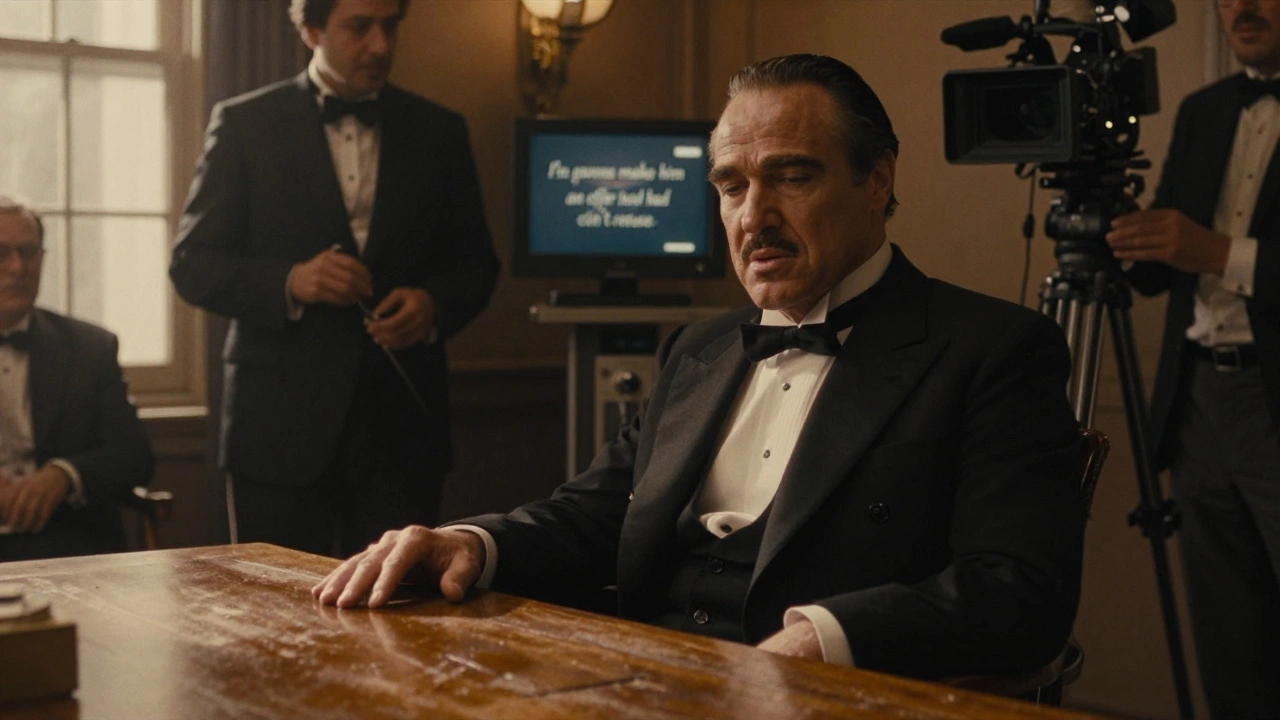
Scripts are blueprints, not live experiences. No matter how detailed, they’re written in a quiet room, often weeks or months before filming. Real human reactions-awkward pauses, sudden laughter, nervous tics-don’t fit neatly into dialogue blocks. That’s where actors who can improvise step in.Take the famous "I’m gonna make him an offer he can’t refuse" scene in The Godfather. Marlon Brando didn’t say it that way in the script. He ad-libbed the rhythm, the weight, the pause before "refuse." The crew didn’t know it was coming. They just reacted. That version stuck because it felt real, not rehearsed.
Good scripts give structure. Great actors give life. And sometimes, that life comes from breaking the rules.
When Improvisation Works-And When It Doesn’t
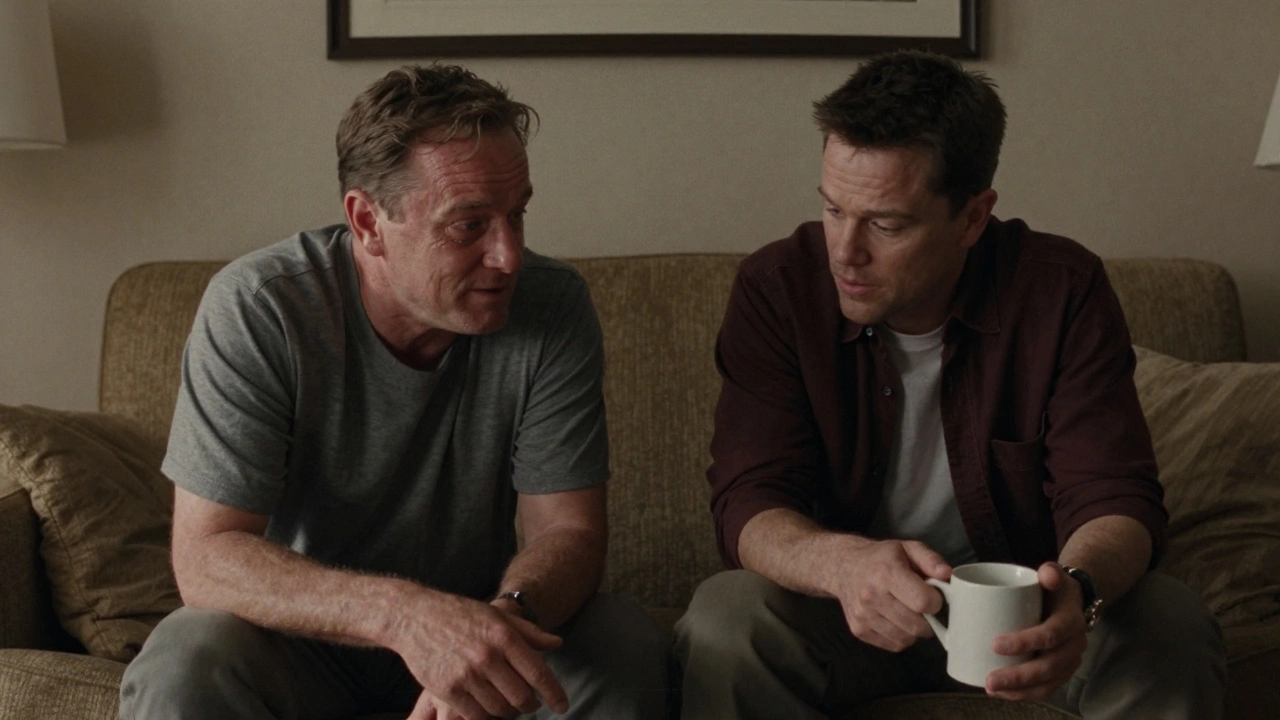
Not every improvised line lands. But when it does, it’s because the actor understands the character, the tone, and the emotional truth of the moment. Improvisation isn’t random. It’s disciplined creativity.Robin Williams was a master of this. In Good Will Hunting, his scenes with Matt Damon weren’t fully scripted. Williams would throw out lines, change cadences, even switch topics mid-sentence. The director, Gus Van Sant, kept most of it because Williams wasn’t just being funny-he was revealing grief, vulnerability, and paternal longing. Each improvised moment deepened the character.
But improvisation fails when it’s disconnected. If an actor starts riffing about their weekend or drops a pop culture joke that doesn’t fit the world of the film, it breaks immersion. That’s why the best on-set improvisers don’t just speak off-script-they listen, react, and build.
Directors Who Trust the Moment
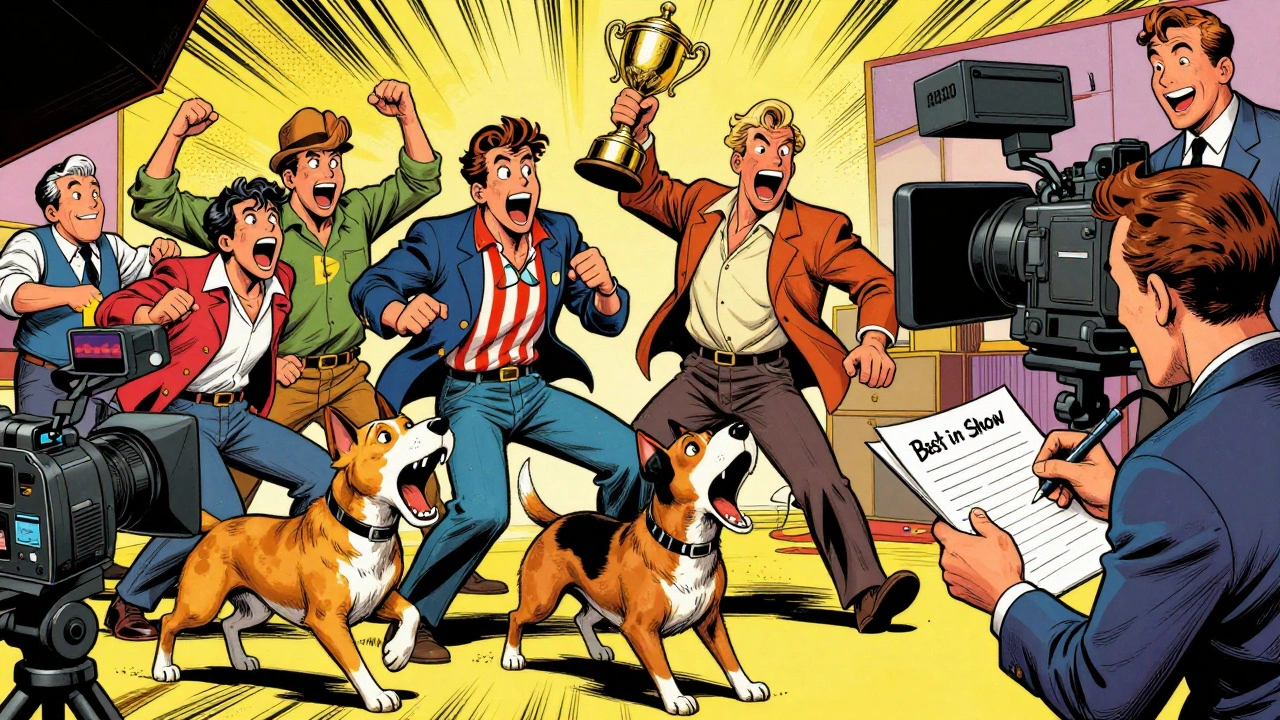
Some directors actively encourage improvisation. Others fear it. The difference shows in the final cut.Christopher Guest’s mockumentaries-Best in Show, Waiting for Guffman-are built on improvisation. Actors were given character backgrounds and scene goals, but no lines. They created dialogue, reactions, and even physical comedy on the spot. The result? Scenes that feel like real people caught in absurd situations. It’s not chaos. It’s choreographed spontaneity.
On the other end, Steven Spielberg often gives actors room to breathe. In Close Encounters of the Third Kind, Richard Dreyfuss’s character smashes his mashed potatoes on the table in frustration. That wasn’t in the script. Dreyfuss was feeling the character’s mounting obsession, and he acted on it. Spielberg loved it. The moment became iconic.
These directors don’t just allow improvisation-they create the conditions for it. They build trust. They give actors space. They’re not afraid of silence or messiness.
How Actors Prepare to Improvise
Improvisation isn’t magic. It’s a skill. The best on-set improvisers don’t wing it-they train for it.- Know the character inside out. If you understand their fears, desires, and history, your off-script lines will still feel true.
- Listen more than you speak. Improvisation thrives on reaction. Watch your scene partner. Let their energy guide you.
- Stay in the world. Don’t break character to make a joke. Even a silly line should feel like it belongs in the story.
- Practice improv regularly. Many actors take improv classes at places like The Second City or Upright Citizens Brigade. It’s not just for comedy-it’s for emotional flexibility.
- Know when to shut up. Sometimes the best improvisation is a look, a pause, or a sigh. Silence can be more powerful than words.
Look at Meryl Streep in Marriage Story. There’s a scene where she’s talking to her husband, and she suddenly stops mid-sentence, looks away, and takes a slow breath. That wasn’t scripted. It was instinct. And it made the entire scene collapse into raw, quiet grief.
Behind the Scenes: How Improv Gets Approved
You might think actors just start talking and the crew says, "Cool, that’s in the movie." But it’s more complicated.On most sets, the script supervisor tracks every line, every movement. If an actor improvises, they note it. The director decides in real time whether to keep going. If they do, the camera operator and sound team adjust on the fly. No one wants to miss a golden moment.
After filming, the editor has the final say. Sometimes, the improvised line is the best take. Other times, it’s too long, too loud, or just doesn’t fit the rhythm. That’s why actors often do multiple versions-scripted, then improvised-so the editor has choices.
For example, in Superbad, Jonah Hill and Michael Cera improvised most of their car ride conversation. The writers, Seth Rogen and Evan Goldberg, were on set and laughed so hard they kept filming. The final version used 90% of the ad-libs. That’s rare. But it happened because the actors were in sync, the tone was consistent, and the director trusted the process.
The Hidden Cost of Improvisation
Improvisation sounds free. It’s not. It takes time. More takes. More rehearsals. More trust between cast and crew.On a tight schedule, directors can’t afford to stop and explore. Budgets shrink. Deadlines loom. That’s why improvisation is often reserved for scenes with emotional weight or comedic timing-moments where authenticity matters more than precision.
It also requires a certain kind of actor. Not everyone can do it. Some performers thrive on structure. Others freeze without a script. That’s okay. Not every actor needs to improvise. But the ones who can? They become invaluable.
Iconic Improvised Moments That Changed Films
Here are a few moments that didn’t exist on paper-and became defining scenes:- Die Hard: "Yippee-ki-yay, motherf***er." Bruce Willis ad-libbed the line after the script called for a milder version. The director kept it. It became the movie’s catchphrase.
- The Office (U.S. version): Michael Scott’s "That’s what she said" jokes were mostly improvised by Steve Carell. The writers loved them so much they started writing them into future episodes.
- Goodfellas: "Funny how?" Henry Hill’s response to Tommy’s outburst was improvised by Ray Liotta. The pause before he says it? Pure tension.
- Amélie: The scene where Amélie pretends to be a fortune-teller on the street? Most of her dialogue was made up on the spot by Audrey Tautou. The director, Jean-Pierre Jeunet, said it felt like watching a real person invent magic.
These moments didn’t happen by accident. They happened because the actors were brave enough to try, and the directors were brave enough to let them.
What Makes an Improvised Line Stick?
Not every off-script line becomes famous. But the ones that do share something in common:- They reveal character. Not just what someone says, but who they are.
- They feel inevitable. Like the character had to say it.
- They’re specific. "I hate when people chew with their mouth open" is better than "People are annoying."
- They fit the tone. A dark comedy can’t suddenly turn into a romantic monologue.
- They’re not trying too hard. The best improvisation feels effortless.
That’s why audiences remember them. We don’t remember perfect lines. We remember honest ones.
How to Spot Improvisation in a Movie
You don’t need to be a film student to tell when something was made up on set. Look for these signs:- A line that feels too real to be written-like someone just thought of it.
- A pause that lasts a beat too long, then breaks into laughter or silence.
- A physical gesture that doesn’t match the blocking-like someone suddenly turning away or fidgeting.
- A joke that doesn’t land with the rest of the script’s tone.
- Two actors reacting to each other like they’re having a real conversation, not reciting lines.
When you notice these, pause the movie. That’s where the magic happened.
Improvisation Isn’t a Trick-It’s a Trust
At its core, improvisation on film sets is about trust. Trust between actors. Between actors and directors. Between the crew and the process.It’s not about being funny or clever. It’s about being present. About letting the moment lead you instead of the script.
Some of the greatest performances in cinema history weren’t written. They were felt. And they stayed because they were real.
Next time you watch a scene that makes you laugh, cry, or sit up straight-ask yourself: Was that in the script? Or did someone just decide, in that moment, to tell the truth?
Can any actor improvise on set?
Not every actor is comfortable or skilled at improvising. Some thrive on structure and script precision. Others need the freedom to explore. The best on-set improvisers combine deep character understanding with strong listening skills. It’s a learned ability, not a natural gift.
Do directors always approve improvised lines?
No. Directors decide in real time whether to keep rolling. The script supervisor records every ad-lib, and the editor later chooses what fits best. Sometimes the improvised version is better. Sometimes it’s too long, off-tone, or distracting. It’s not automatic-it’s evaluated.
Is improvisation common in big-budget films?
Yes, but it’s selective. Big-budget films often have tight schedules, so improvisation is usually limited to key emotional or comedic scenes where authenticity matters most. It’s more common in indie films or projects led by directors who prioritize realism over precision.
Can improvisation ruin a scene?
Absolutely. If an actor breaks character, introduces an unrelated joke, or ignores the tone of the scene, it can disrupt the entire sequence. Improvisation only works when it serves the story-not when it’s just about being funny or showing off.
Do writers ever rewrite scenes based on improvisation?
Yes, especially in comedies or character-driven dramas. If an improvised line lands perfectly, writers may adopt it into future scenes or even rewrite dialogue to match the new rhythm. This happened in Superbad and The Office, where ad-libs became part of the official script.



Comments(9)