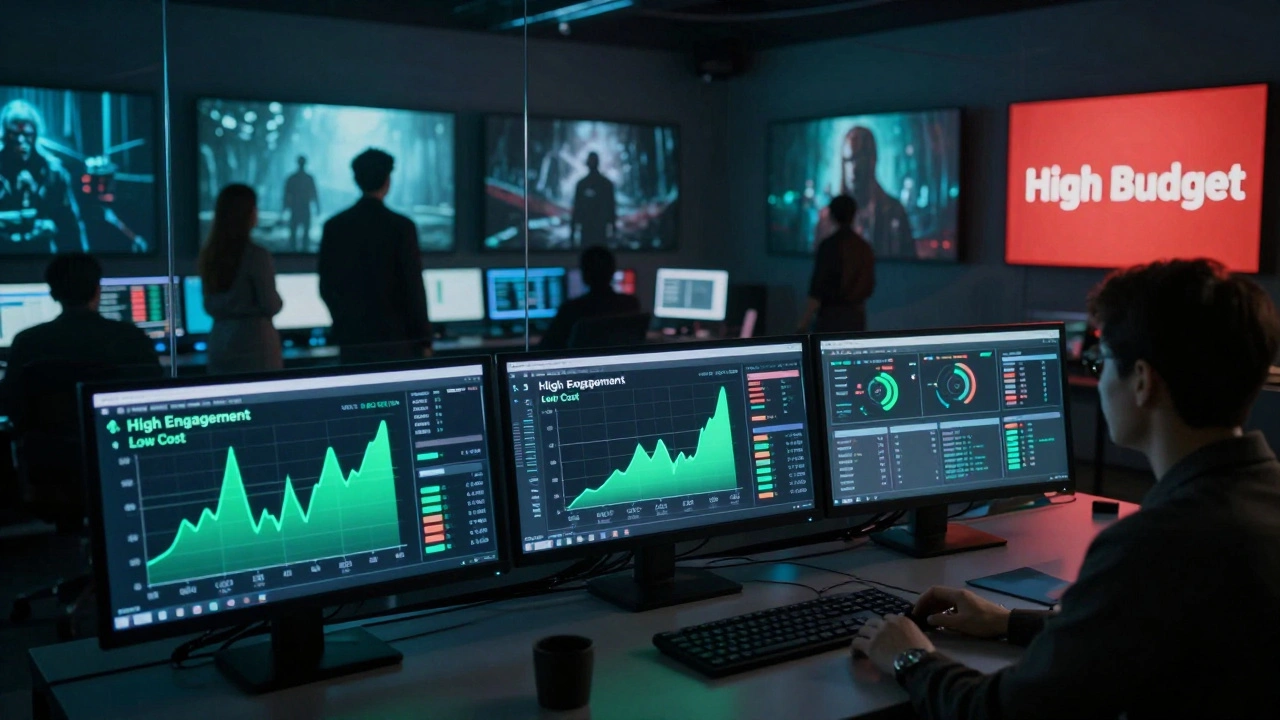
Horror is no longer just a niche genre for midnight screenings. It has become the secret weapon of major streaming platforms. For services like Netflix, Amazon Prime Video, and Apple TV+, horror offers a unique combination that few other genres can match: it is cheap to make, easy to market, and incredibly effective at keeping subscribers engaged. This low-cost, high-engagement model has reshaped how studios produce content, turning terrifying stories into one of the most profitable segments in the streaming industry.
The Economics of Fear: Why Budgets Are So Low
When you look at the numbers, the appeal is obvious. A typical action blockbuster might cost $150 million to produce, plus another $100 million for marketing. In contrast, a successful horror film often comes in under $20 million. Some micro-budget hits have been made for less than $500,000. This massive difference in production costs changes the risk profile entirely.
Streaming originals need volume. Platforms release dozens of titles every month. They cannot afford to bet everything on tentpole franchises alone. Horror fills this gap perfectly. Because these films rely on atmosphere, tension, and practical effects rather than expensive CGI or star salaries, they offer a higher return on investment (ROI). If a horror movie flops, the financial loss is manageable. If it succeeds, it becomes a cultural moment with minimal overhead.
This economic efficiency allows streamers to take risks on new directors and unconventional stories. Instead of relying solely on established IP, they can greenlight original scripts that might have been rejected by traditional theatrical distributors. The result is a diverse slate of content that feels fresh and unpredictable, which is exactly what audiences are looking for in an era of content fatigue.
Driving Engagement: The Binge-Worthy Factor
Cost is only half the story. The other half is engagement. Metrics matter more than box office receipts for subscription-based models. Horror drives some of the highest engagement rates across all genres. Why? Because fear triggers a visceral response. Viewers don't just watch horror; they experience it. This emotional intensity leads to higher completion rates, more social media discussion, and stronger word-of-mouth promotion.
Consider the phenomenon of "binge-watching." While often associated with long-form series, horror anthologies and connected universes work beautifully here. Shows like The Haunting of Hill House or Midnight Mass proved that serialized horror could keep viewers hooked for entire seasons. These shows generate intense online conversations, memes, and fan theories, creating a sense of community around the content. This organic buzz is invaluable for streamers, as it reduces the need for expensive traditional advertising.
Furthermore, horror has a built-in repeat-viewability factor. Fans often rewatch their favorite scary movies to catch details they missed or simply to relive the thrill. This increases total viewing hours, a key metric for platform algorithms. When a user spends more time on a platform, they are less likely to cancel their subscription. Horror acts as a retention tool, keeping users engaged during periods when other content might be scarce.
Global Appeal and Cultural Adaptation
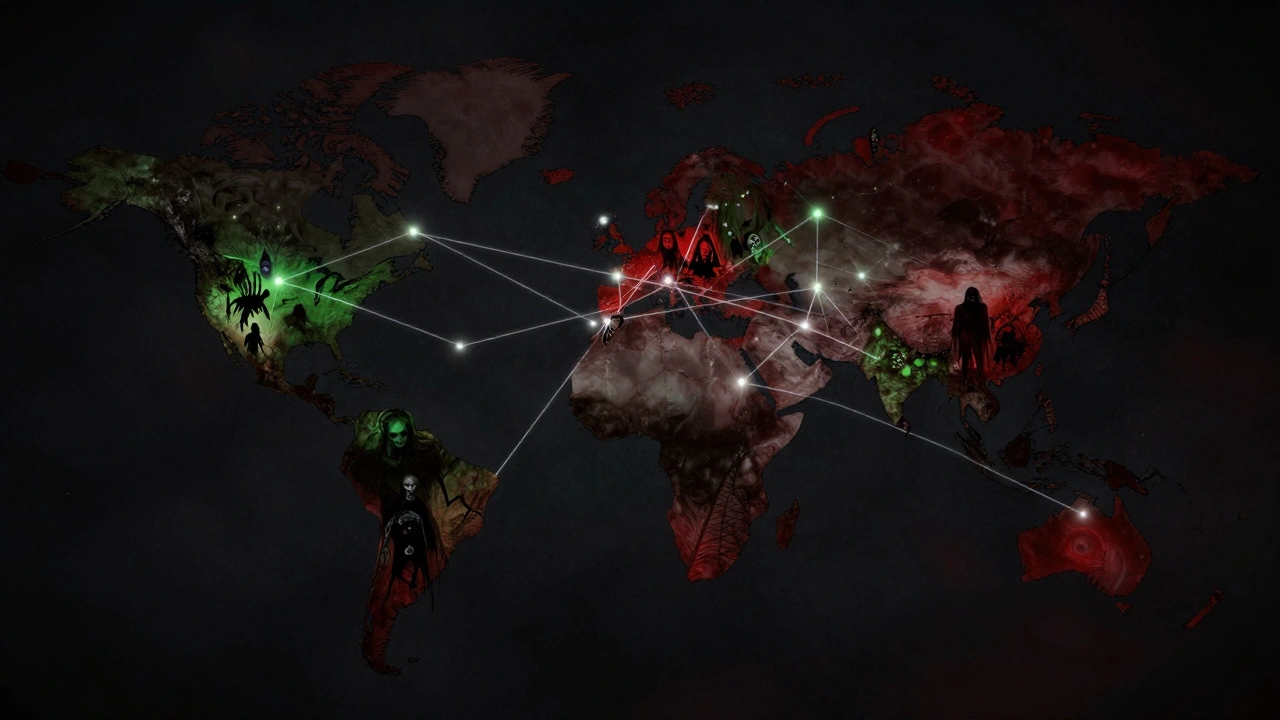
Fear is universal, but its expression varies by culture. One of the biggest advantages of the streaming model is the ability to tap into global markets. International horror cinema has always been strong, particularly from countries like South Korea, Japan, and Mexico. Streaming platforms have leveraged this by investing in local productions that resonate globally.
A Quiet Place might be American, but the success of Korean thrillers like Squid Game (which has horror elements) showed the world's appetite for non-English storytelling. Similarly, Mexican horror films like The Invisible Man (2020) or Fantasma have found massive audiences abroad. By producing horror content in multiple languages, streamers expand their reach without significantly increasing costs. Localization is cheaper for dialogue-heavy or atmospheric genres compared to action-heavy spectacles.
This global approach also helps diversify the talent pool. Directors and actors from different regions bring unique perspectives to the genre, avoiding the stagnation that can happen when Hollywood relies too heavily on the same formulas. For example, the rise of folk horror in Europe and Asia has introduced new subgenres that blend local mythology with modern fears, offering something distinct from standard zombie or slasher fare.
| Feature | Horror Films | Action Blockbusters |
|---|---|---|
| Average Production Cost | $2M - $20M | $100M - $250M+ |
| Marketing Strategy | Viral/Social Media | Traditional Ads/Trailers |
| Star Power Dependency | Low | High |
| Global Scalability | High (Universal Fear) | Moderate (Cultural Nuances) |
| Risk Profile | Low | Very High |
The Role of Algorithms and Personalization
Streaming platforms use sophisticated algorithms to recommend content. Horror fits neatly into these systems because it is highly categorizable. Users who enjoy suspense, mystery, or supernatural themes are easily identified. Once a platform knows your preferences, it can serve you targeted horror recommendations, increasing the likelihood of clicks.
This personalization creates a feedback loop. The more you watch horror, the more horror you see. This keeps you within the ecosystem, reducing churn. Additionally, horror thumbnails and trailers are designed to evoke curiosity and fear, which are powerful psychological triggers for clicking. A well-designed thumbnail featuring a shadowy figure or a distorted face can outperform a generic image of a smiling actor.
Data analytics also help producers understand what works. Which scenes cause viewers to pause? Which endings leave them wanting more? This real-time data allows creators to refine their storytelling techniques. For instance, if data shows that jump scares are becoming less effective, writers might shift toward psychological dread. This agility is impossible in traditional cinema, where feedback comes weeks or months after release.
Challenges and Criticisms
Despite its success, the low-cost horror model isn't without challenges. One major criticism is the potential for quality dilution. With so many titles being produced quickly, some films may feel rushed or formulaic. Audiences are becoming more discerning, and they can tell when a film is made purely to fill a quota. To combat this, top streamers are investing in prestige horror, hiring acclaimed directors like Ari Aster or Jordan Peele to elevate the genre.
Another issue is discoverability. With thousands of titles available, even good horror films can get lost in the noise. Marketing plays a crucial role here. Without a theatrical release, there are no posters on buses or reviews in newspapers. Streamers must rely on digital campaigns and influencer partnerships to build hype. This requires creativity and strategic planning to ensure that the right audience finds the right content.
Finally, there is the question of artistic integrity. Some critics argue that the pressure to produce content quickly stifles creativity. However, many filmmakers find that the freedom from studio interference allows them to experiment more. As long as the budget remains reasonable, directors can take bold creative risks that might not be possible in larger productions.
Future Trends: Where Horror Goes Next
Looking ahead, the horror genre on streamers will continue to evolve. We are likely to see more interactive experiences, where viewers make choices that affect the outcome. Games like Black Mirror: Bandersnatch paved the way for this, and horror is a natural fit due to its branching narrative potential. Imagine choosing whether to open the door or stay hidden, with each choice leading to a different ending.
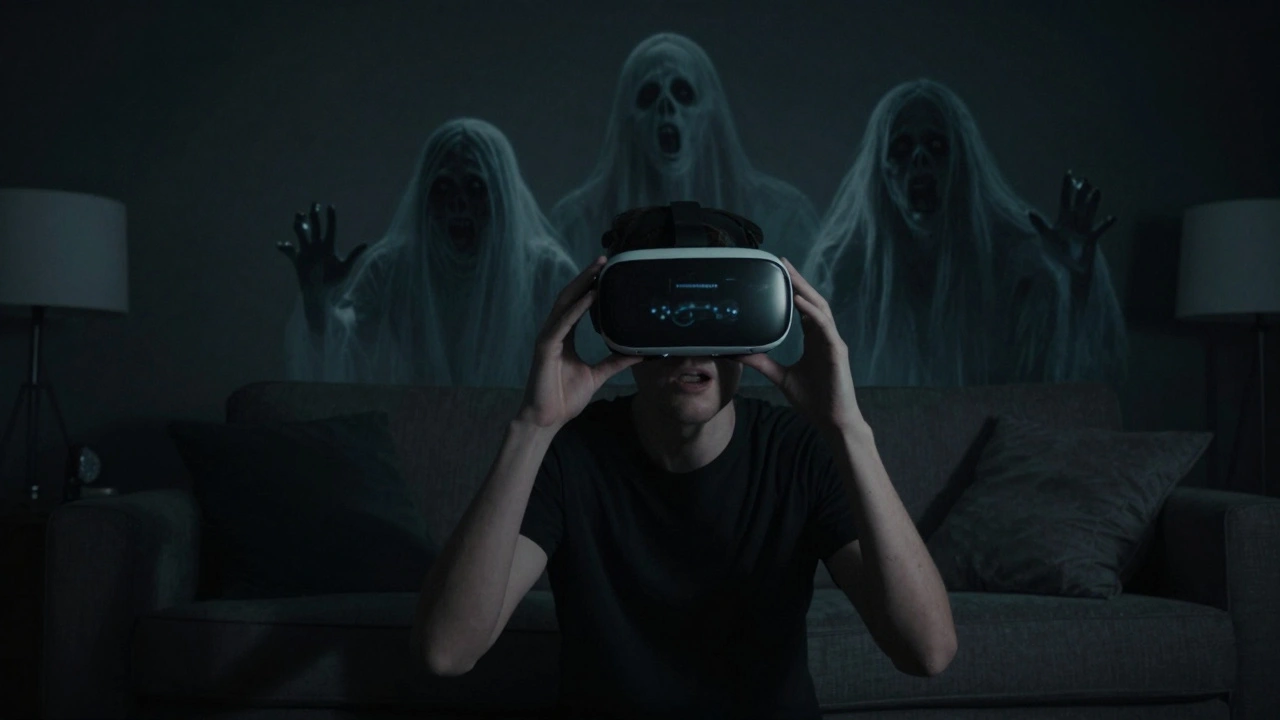
We will also see more integration with emerging technologies. Virtual reality (VR) and augmented reality (AR) could transform horror into an immersive experience. While still in early stages, VR horror promises to deliver unprecedented levels of immersion. Imagine feeling the presence of a ghost in your living room through a headset. This technology could redefine what it means to be scared.
Additionally, the line between horror and thriller will continue to blur. Psychological dramas with dark undertones will become more common, appealing to broader audiences. This hybrid approach allows streamers to capture viewers who might not typically watch horror but enjoy intense, character-driven stories.
Why do streamers prefer horror over other genres?
Streamers prefer horror because it is significantly cheaper to produce than action or sci-fi blockbusters while generating high viewer engagement. The genre relies on atmosphere and storytelling rather than expensive special effects or A-list stars, resulting in a better return on investment.
How does horror help retain subscribers?
Horror generates intense emotional responses, leading to higher completion rates and social media discussion. This organic buzz keeps users engaged and reduces churn. Additionally, horror fans often rewatch content, increasing total viewing hours on the platform.
What is the average budget for a streaming horror movie?
Most streaming horror films have budgets ranging from $2 million to $20 million. This is a fraction of the cost of traditional theatrical releases, allowing platforms to produce a larger volume of content with lower financial risk.
Can international horror films succeed on global streamers?
Yes, international horror films often perform very well. Fear is a universal emotion, and local cultures offer unique perspectives that resonate globally. Successes like Squid Game and various Asian thrillers demonstrate the power of non-English content on streaming platforms.
Is the quality of horror declining due to high volume?
While some lower-quality films exist, top streamers are investing in prestige horror by hiring renowned directors. This ensures a mix of accessible content and high-art cinematic experiences, maintaining overall quality standards despite the high output volume.