Turning Obsession Into Equity
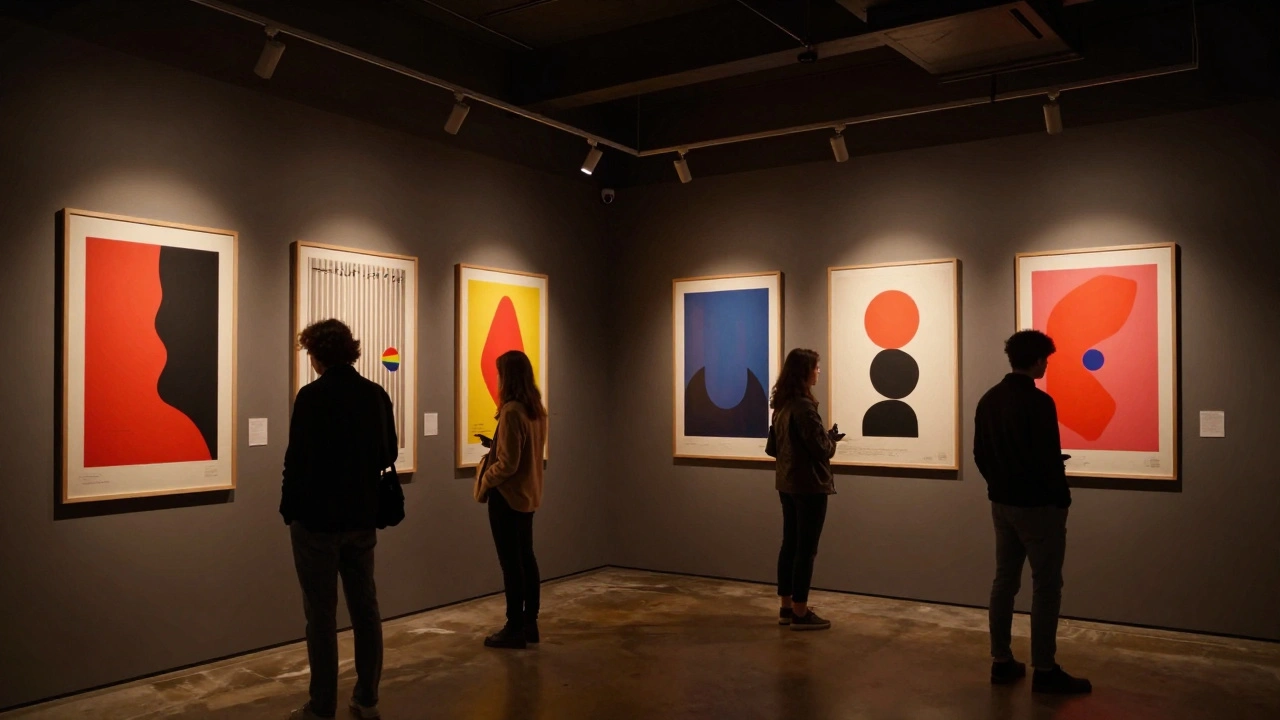
Ever walked into a tiny gallery or scrolled through a specialty shop and seen a movie poster that looks nothing like the official studio release? Maybe it's a minimalist sketch of a cult horror flick or a screen-printed masterpiece of a 70s Japanese noir film. That isn't just art; it's a high-growth business model. The world of niche cinema merch is a specialized market where creators design high-end collectibles and apparel for dedicated film enthusiasts. Unlike mass-market toys from a big-budget franchise, these items rely on scarcity, artistic prestige, and a deep understanding of a film's soul.
The real magic happens when you stop thinking about "products" and start thinking about "artifacts." A fan doesn't just want a t-shirt; they want a piece of the movie's atmosphere. If you can capture that feeling, you've moved from selling a commodity to owning a piece of a community's identity. But how do you actually scale this without losing the "indie" soul that makes it valuable?
Key Takeaways for Film Entrepreneurs
- Focus on artistic interpretation over literal reproduction to avoid copyright traps.
- Use limited runs (drops) to create urgency and maintain high resale value.
- Target "micro-fandoms"-the enthusiasts of specific directors or genres rather than general movie-goers.
- Prioritize tactile quality (heavy paper stock, screen printing) to justify premium pricing.
The Rise of the Alternative Movie Poster
For decades, movie posters were just advertising tools. Today, Alternative Movie Posters (AMPs) have evolved into a legitimate art movement. These are pieces created by independent artists who reinterpret a film's themes. The shift happened when fans realized that a studio's "floating head" collage is boring, but a hand-drawn tribute to a Cult Film is a conversation piece.
The business of AMPs relies on the "drop" model. You don't just list a poster on a website for three years. You announce a date, release 100 signed and numbered prints, and watch them sell out in seconds. This creates a secondary market on sites like eBay or specialized forums where prices can triple. When an artist captures the exact aesthetic of a film like The Lighthouse or Mandy, they aren't just selling paper; they are selling a curated experience of that film's mood.
To make this work, you need to understand the difference between a fan and a collector. A fan likes the movie. A collector likes the rarity of the object associated with the movie. By limiting the supply, you pivot the value from the cost of ink and paper to the prestige of ownership.
Navigating the Legal Minefield of Intellectual Property
Here is where most people trip up. You can't just slap a studio logo on a shirt and hope for the best. Intellectual Property (IP) law is brutal, and Copyright holders like Disney or Warner Bros. have teams dedicated to finding unauthorized merch. However, there is a gray area called "transformative work."
The goal is to create something that adds new expression or meaning to the original work. If you draw a stylized, abstract representation of a character, you have a much stronger case for it being original art than if you use a screenshot from the movie. Many successful niche brands operate on a "small batch" basis, which often keeps them under the radar of massive corporate legal departments. But as you grow, getting a formal license or partnering with the original director can turn a risky side-hustle into a legitimate corporate entity.
| Feature | Mass Market Merch | Niche Boutique Art |
|---|---|---|
| Production | Mass-produced (thousands) | Limited runs (50-250) |
| Pricing | Low to Mid ($15 - $30) | Premium ($60 - $500+) |
| Value Driver | Brand recognition | Artistic rarity & scarcity |
| Target Audience | General Audience | Hardcore Cinephiles |
Finding Your Micro-Fandom
Don't try to compete with the Avengers. You'll lose. Instead, look for the gaps. Maybe there's a forgotten 80s synth-wave horror movie that has a small but incredibly passionate following on Reddit. Or perhaps a specific wave of Korean New Wave cinema that lacks any decent physical merchandise. This is where the opportunity lies.
The secret is to identify "semantic triggers"-visual motifs that only a true fan would recognize. For example, instead of putting the main character's face on a shirt, use a recurring symbol from the movie's background or a specific quote in a unique typeface. When a fan sees that, they feel a secret handshake connection. That emotional pay-off is what drives the purchase.
Building this community requires you to be a fan first. Spend time in the forums, follow the film historians on Twitter, and understand the memes. If you can speak the language of the fandom, your marketing won't feel like sales-it will feel like a contribution to the culture. This trust is the only way to sell a $100 print to someone who doesn't know you.
The Logistics of High-End Production
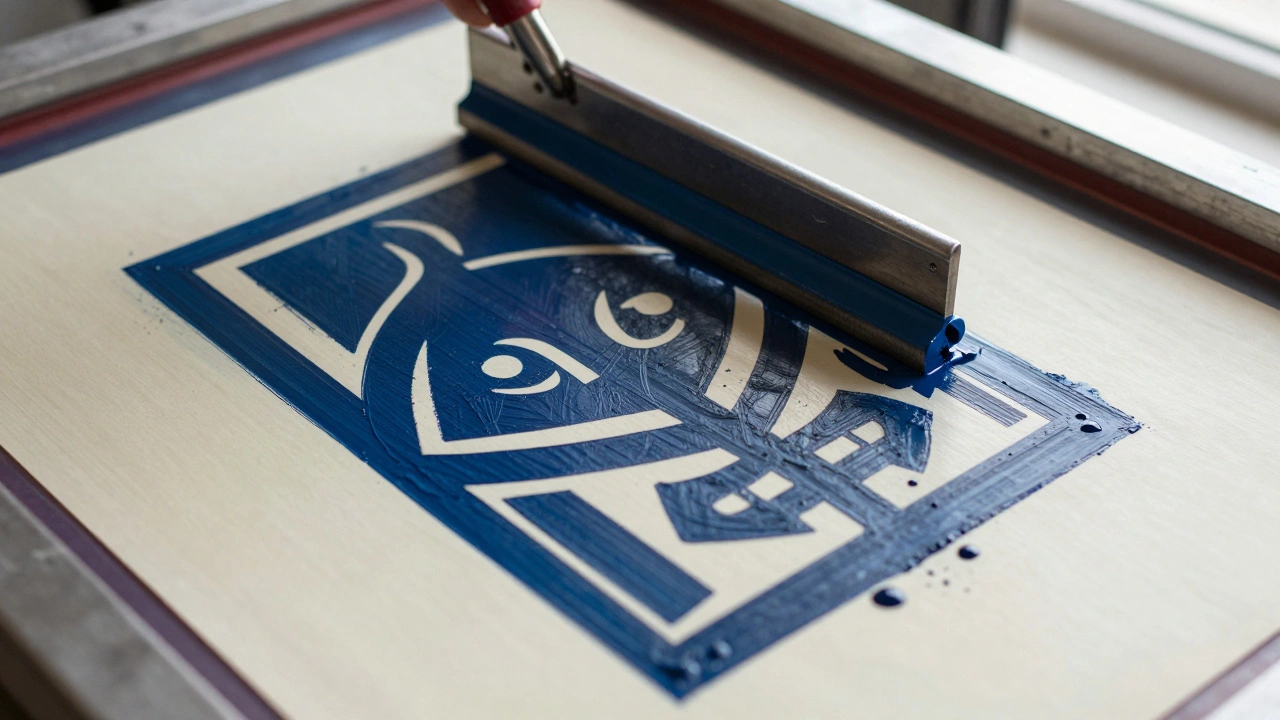
If you're selling a premium product, you can't use a cheap print-on-demand service. A Screen Print on 300gsm archival paper is a completely different product than a digital print from a home inkjet. The tactile feel-the thickness of the paper and the slight raise of the ink-is where the value lives.
Consider these production standards to maintain a luxury feel:
- Giclée Printing: Use this for high-detail digital art. It uses archival inks that don't fade over time, which is a huge selling point for collectors.
- Seregraphy: This is traditional screen printing. Each color is a different layer, creating a vibrant, physical texture that collectors love.
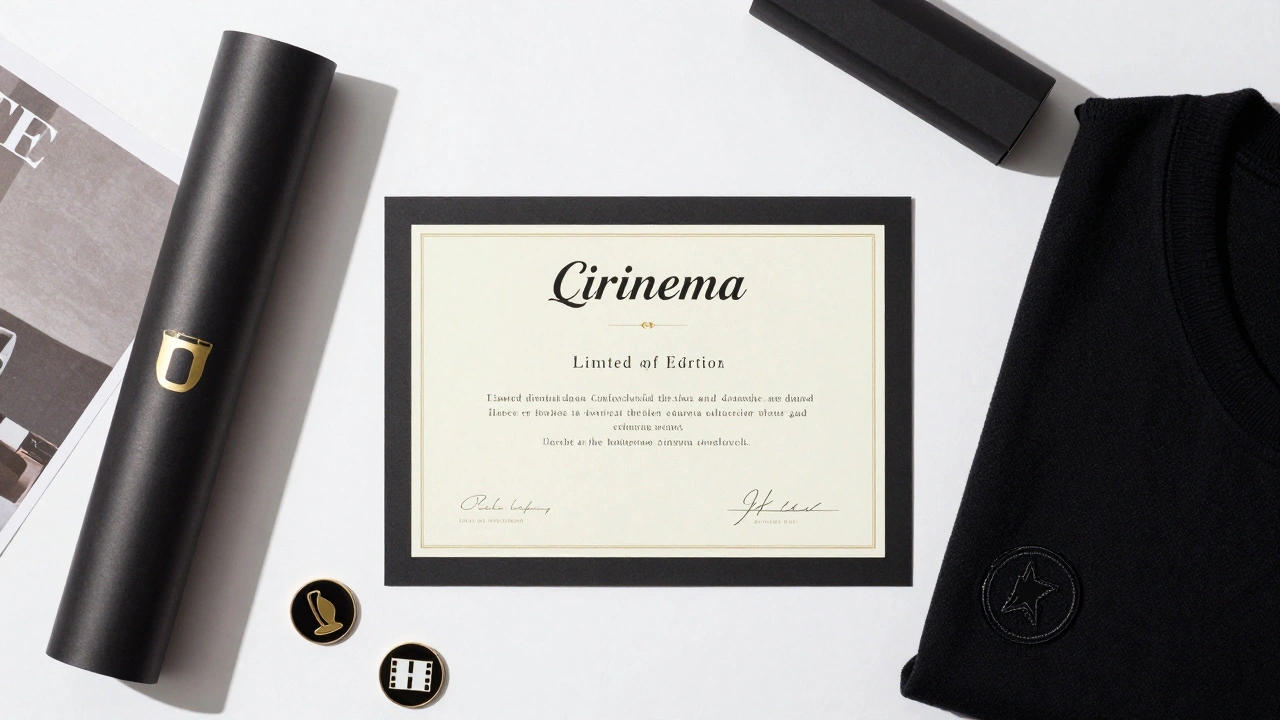
- Limited Edition Numbering: Every piece should be hand-numbered (e.g., 12/100). This transforms a piece of art into a financial asset.
- Custom Packaging: Don't just use a cardboard tube. Use branded wraps and certificates of authenticity. The unboxing experience is part of the product.
By investing in quality, you shift the conversation from "Why is this poster so expensive?" to "This is a piece of art that will hold its value." This is the fundamental pivot from a hobbyist to a business owner in the cinema art space.
Scaling Without Selling Out
The biggest challenge in the fandom business is growth. If you suddenly start producing 5,000 units of everything, the "niche" appeal vanishes and your core collectors will leave. The solution is a tiered product strategy. Keep your ultra-limited prints for the whales (the big collectors) and introduce a "standard" line of apparel or smaller prints for the casual fans.
Another way to scale is by diversifying the medium. Why stop at posters? Enamel Pins, high-quality apparel, and even limited-edition soundtracks or zines can expand your revenue streams without diluting the brand. The key is to ensure that every new product maintains the same aesthetic rigor as your original art.
Collaborations are also a powerful tool. Partnering with an indie filmmaker for an official "limited edition" release gives you the legal safety of a license and the marketing boost of the filmmaker's own following. It turns your business into an official partner of the cinema, rather than just a fan project.
Can I get sued for selling fan art of famous movies?
Yes, it is possible. Large studios protect their IP aggressively. To minimize risk, focus on "transformative" art-don't use official logos, screenshots, or direct copies of characters. Creating a unique artistic interpretation is generally safer, but the only 100% safe route is obtaining a formal license from the rights holder.
What is the best way to market to a niche movie community?
Avoid broad ads. Instead, engage in the communities where these fans hang out-specific subreddits, Discord servers, and film blogs. Share your process, show the sketches, and talk about why you love the film. Authenticity is the highest currency in fandom businesses.
How do I price my limited edition posters?
Price based on scarcity and quality, not just cost. Calculate your production cost (ink, paper, shipping) and then add a premium based on the edition size. A run of 25 will be significantly more expensive than a run of 250. Check the secondary market for similar artists to see what collectors are actually paying.
Do I need a physical store to sell cinema merch?
Not at all. Most niche cinema art businesses thrive entirely online. A clean Shopify store or a dedicated Instagram page is often better because it allows you to reach a global audience of collectors who might live in different cities or countries but love the same obscure film.
What is the difference between Giclée and screen printing?
Giclée is a high-end inkjet process that is great for photographs and complex digital paintings with millions of colors. Screen printing involves pushing ink through a mesh screen for each color. Screen printing is often more prized by collectors because it has a tactile, physical quality and feels more like a traditional art piece.
Next Steps for Your Business
If you're starting today, don't launch a full store. Start with one single, incredibly well-executed piece for one specific film. Test the reaction on social media, gather a waitlist, and then do a limited drop. This builds the urgency and desire that defines the niche cinema market.
For those who already have art, focus on the "unboxing." Find a custom tube or a heavy-duty mailer that feels like a gift. In a world of digital downloads and cheap plastic, the physical weight and feel of your product are what will make a customer come back for your next release.




Comments(5)