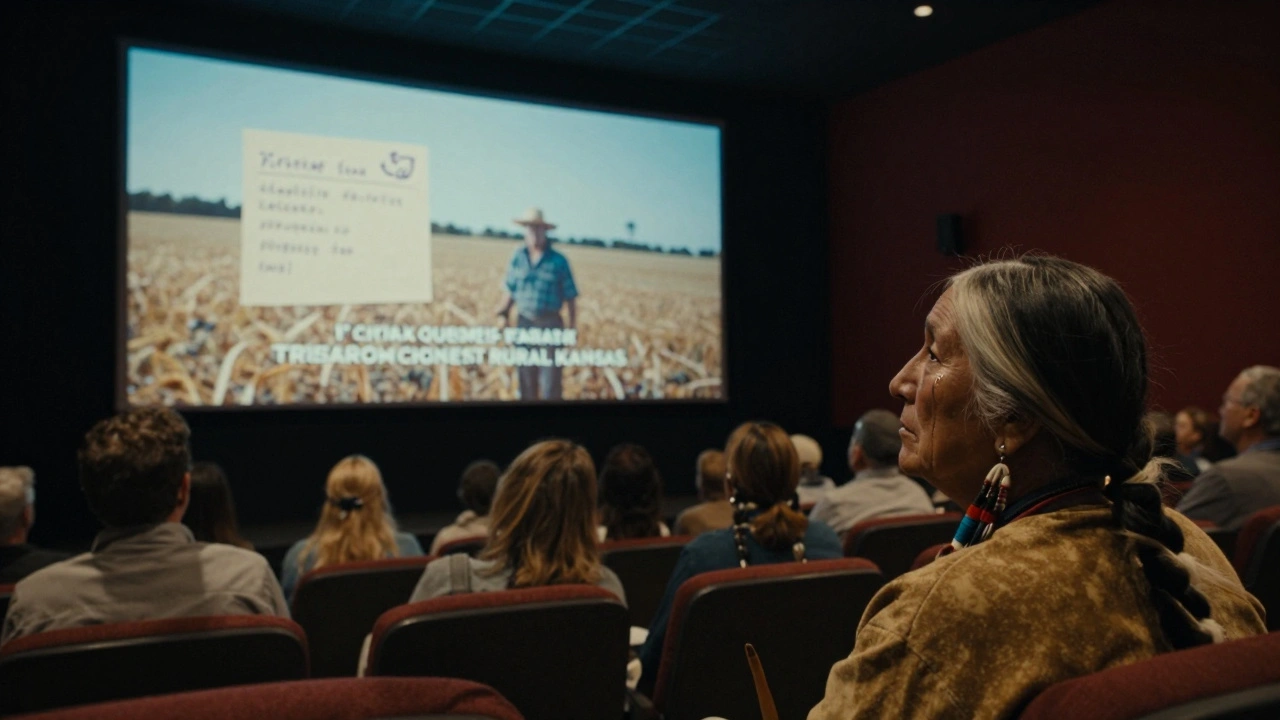
When a film festival opens its submission portal, it doesn’t just collect movies-it collects stories. And those stories come from people who’ve been ignored, silenced, or misrepresented for generations. The question isn’t whether festivals should care about who gets shown. It’s whether they’re ready to face what happens when they do.
What Gets Seen-and Who Gets Left Out
Every year, thousands of films flood into festivals like Sundance, TIFF, and Cannes. But not all voices get equal footing. A 2023 study from the University of Southern California’s Annenberg Inclusion Initiative found that only 14% of films selected at major festivals featured a lead character from a marginalized racial or ethnic group. Even fewer had LGBTQ+ directors, disabled creators, or women of color in key creative roles. This isn’t an accident. It’s a pattern.Festivals often say they’re looking for "quality" or "artistic merit." But what does that mean when the gatekeepers come from the same backgrounds as the old guard? If your programming team has never worked with a deaf filmmaker, how do you recognize the brilliance in a silent film that uses visual rhythm instead of dialogue? If your selection committee has never lived in a rural Indigenous community, how do you tell the difference between cultural appropriation and authentic storytelling?
The Hidden Rules of Selection
Most festivals don’t publish their selection criteria. They don’t list what they’re looking for beyond vague phrases like "compelling narrative" or "strong directorial voice." That silence isn’t neutral-it’s a shield. Without transparency, biases slip in unnoticed.Take the case of the 2025 Berlinale. A documentary about a transgender farmer in rural Kansas was rejected because the panel called it "too niche." Meanwhile, a similar film about a white farmer in Scotland was accepted and went on to win a prize. The difference? One had a familiar European aesthetic. The other didn’t. The unspoken rule? If it looks like something you’ve seen before, it’s "universal." If it doesn’t, it’s "too specific."
That’s not taste. That’s exclusion dressed up as curation.
How Some Festivals Are Changing
Not all festivals are stuck in the past. A few have started building ethics into their programming-not as an afterthought, but as a core requirement.The True/False Film Festival in Columbia, Missouri, now requires all submitted films to include a diversity statement from the filmmaker. It’s not a checklist. It’s a conversation starter: "Who told this story? Who helped make it? Who might be hurt by its release?" This simple shift has led to more films from Indigenous communities, formerly incarcerated artists, and rural LGBTQ+ youth.
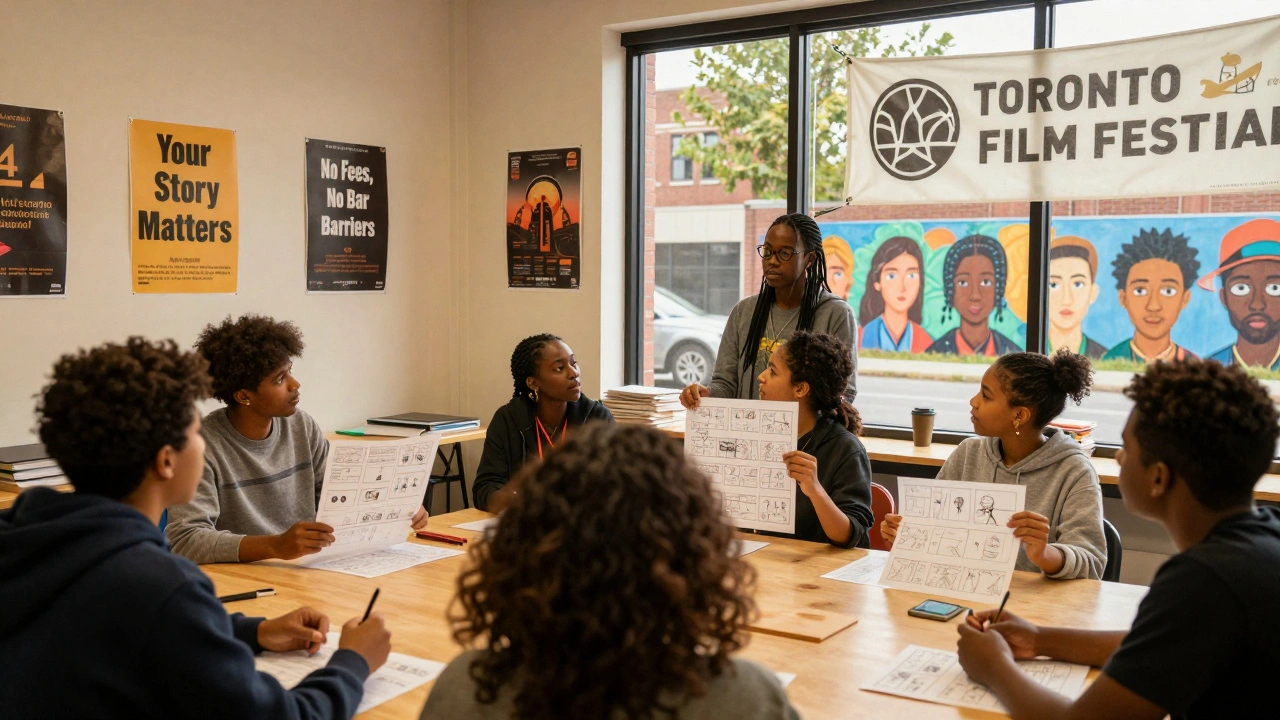
Similarly, the Toronto Black Film Festival (TBFF) doesn’t just accept films-it partners with community organizations to co-curate. They don’t rely on submissions. They go out and find stories. They host workshops in housing projects. They train local teens to review films. And they pay filmmakers upfront, even if the film doesn’t get selected. That’s not charity. That’s repair.
What Ethical Programming Looks Like
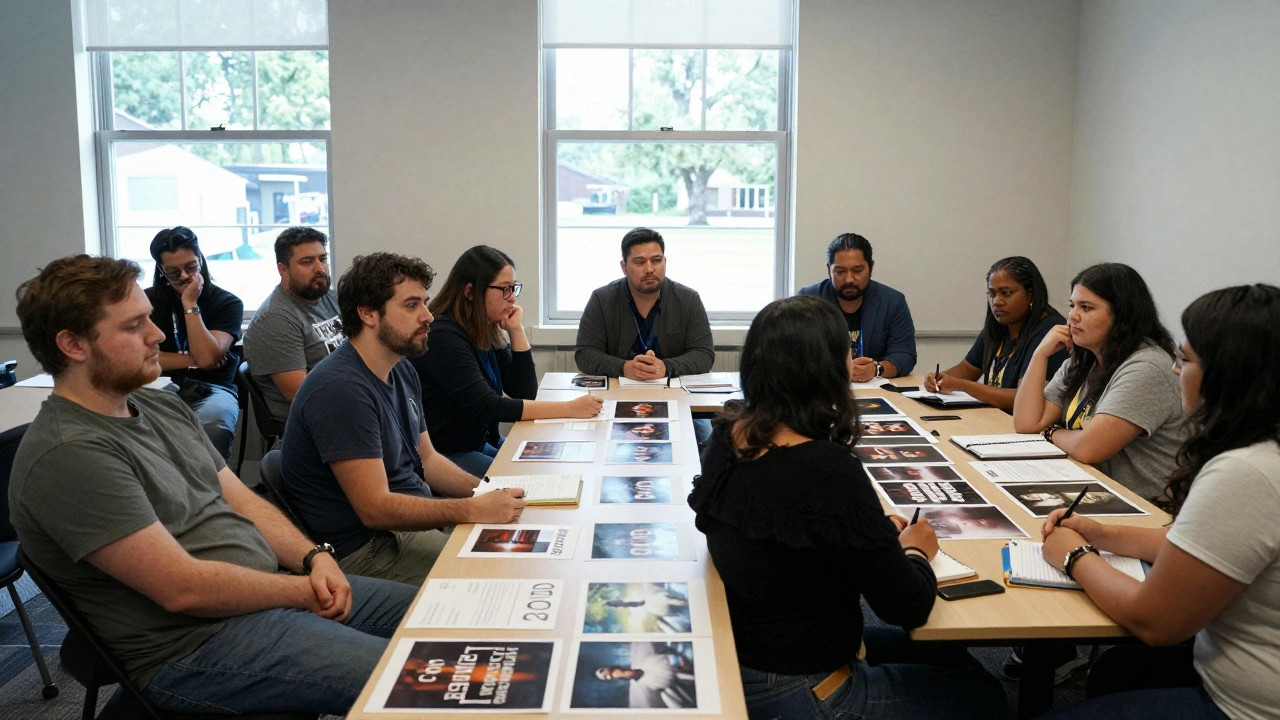
Ethical film selection isn’t about quotas. It’s about equity. Here’s what it looks like in practice:- Blind review panels-where the filmmaker’s name, gender, and nationality are hidden during initial screening-reduce unconscious bias by up to 40%, according to a 2024 study in Journal of Film Studies.
- Community advisory boards-made up of people from the cultures being represented-help festivals avoid harmful stereotypes before a film even screens.
- Pay-to-play elimination-charging filmmakers submission fees disproportionately blocks low-income creators. Festivals like Slamdance removed fees in 2022 and saw submissions from 78 more countries.
- Post-screening dialogue-not Q&As with directors, but facilitated discussions with local activists, scholars, and impacted communities. This turns a screening into a moment of accountability.
These aren’t radical ideas. They’re basic fairness.
The Cost of Getting It Wrong
When festivals get representation wrong, the damage isn’t just reputational-it’s real.In 2024, a documentary about Native American boarding schools premiered at a major festival without consulting any tribal historians. The film used archival footage taken without consent and portrayed survivors as passive victims. The backlash wasn’t just online. Tribal leaders organized protests outside the theater. The festival pulled the film. But the harm was done. Survivors told reporters they felt retraumatized-not by the film’s content, but by the fact that no one asked them if it was okay to tell their story.
That’s the difference between representation and exploitation. One gives power. The other takes it.
What You Can Do-Even If You’re Not a Programmer
You don’t need to run a festival to push for change. Here’s how you can help:- Ask festivals: "Do you have a diversity policy? Who’s on your selection committee? Are submissions free?" Public pressure works.
- Support smaller festivals: Indigenous, disability-led, and immigrant-run festivals often have better representation because they’re built on trust, not prestige.
- Watch critically: When you see a film, ask: "Who made this? Who’s missing? Who benefits?" Your voice matters.
- Donate to film equity funds: Organizations like the Film Independent Diversity Fund and the National Association of Latino Independent Producers help underrepresented creators get funding and access.
Representation isn’t about checking boxes. It’s about who gets to tell their own story-and who gets to decide that they can.
It’s Not About Politics. It’s About Power.
This isn’t a debate about political correctness. It’s about who holds the microphone. For decades, film festivals were the last bastions of cultural gatekeeping. They decided what was "important," what was "art," and who was "worthy." That power didn’t disappear. It just got quieter.Now, audiences are watching. And they’re asking harder questions. Are we here to celebrate the same stories we’ve always seen? Or are we here to listen to the ones we’ve been too comfortable ignoring?
The answer will define not just which films get shown-but who gets to believe their story matters.
Do film festivals really have a diversity problem?
Yes. Multiple studies, including data from the Annenberg Inclusion Initiative and the Sundance Institute, show that films by women, people of color, LGBTQ+ creators, and disabled filmmakers are consistently underrepresented in major festival lineups-even when they’re submitted in equal numbers. The issue isn’t lack of talent. It’s lack of access, biased selection processes, and institutional inertia.
Why don’t festivals just pick the best films?
The problem is that "best" is often defined by who’s doing the judging. If your selection committee has never worked with a Deaf director, they might not recognize the artistic innovation in a film that uses visual storytelling instead of sound. Bias isn’t always intentional-it’s just invisible. Blind reviews and diverse panels help level the field.
Do submission fees exclude underrepresented filmmakers?
Absolutely. Submission fees can range from $25 to $100 per film. For independent filmmakers without funding, that’s a barrier. Slamdance removed all fees in 2022 and saw submissions increase by 37%, with a significant rise in films from low-income and global South creators. Fees aren’t about quality-they’re about who can afford to play.
What’s the difference between representation and tokenism?
Representation means giving space to voices that have been silenced. Tokenism means including one person from a marginalized group to look diverse-while the system stays the same. A festival that programs one Black filmmaker while ignoring 20 others from the same community isn’t being inclusive. It’s performing inclusion.
Can festivals change without losing artistic quality?
The data says yes. Festivals that implemented ethical programming practices-like blind reviews, community advisory boards, and fee waivers-saw no drop in critical acclaim. In fact, films from underrepresented creators often won top awards. Quality doesn’t disappear when you expand who’s included. It multiplies.




Comments(7)