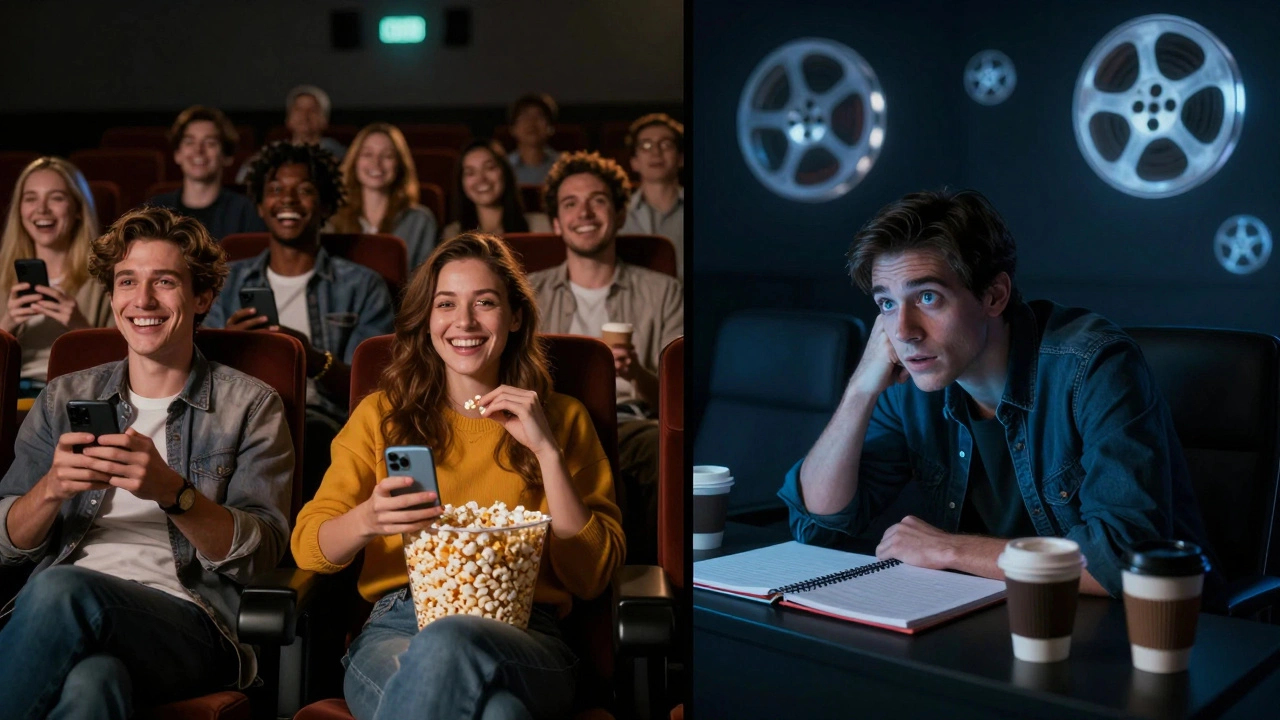
Every year, a few movies come out that audiences trash-rolling eyes, walking out, leaving one-star reviews by the thousands. Yet critics, the same ones who once praised the director’s last film, give it glowing reviews. Why? Why does critic vs audience disagreement happen so often? It’s not about taste alone. It’s about different systems, different goals, and different expectations.
What Critics Are Actually Looking For
Critics don’t watch movies the way you do. You want to be entertained, moved, or distracted. Critics are trained to analyze. They look for how a film fits into a larger tradition. Did the director break new ground? Was the cinematography pushing boundaries? Did the script subvert genre expectations? These aren’t questions most viewers ask while grabbing popcorn.
Take The Last Airbender (2010). Audiences hated it for its wooden acting and dull pacing. Critics, though, were split. Some called it a technical failure. Others praised its ambition to adapt a beloved animated series into a live-action epic, even if it stumbled. That’s the key: critics measure films against their own internal standards-innovation, craft, context-not just whether it was fun.
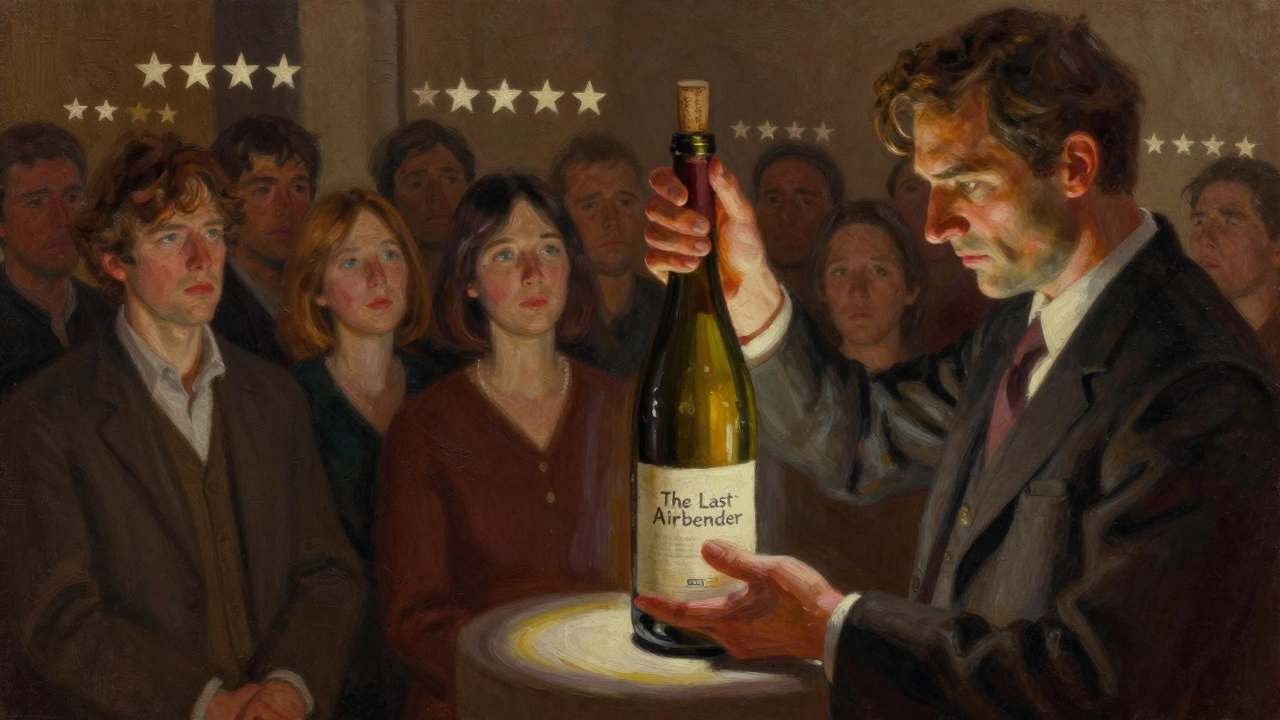
Think of it like wine tasting. A sommelier doesn’t care if you like the flavor. They care about terroir, aging process, balance. You just want something that tastes good with dinner. That’s the gap.
How Audience Reviews Work (And Why They’re Different)
Audience ratings on sites like IMDb or Rotten Tomatoes come from millions of people. Most of them aren’t film students. They’re parents, students, office workers, retirees. They watch movies to relax, escape, or spend time with friends. If a film feels slow, confusing, or emotionally flat, they’ll say so. No filters.
And here’s the twist: audience reviews are emotional. If you’ve had a bad day, a movie that’s too dark might feel like salt in the wound. If you grew up loving the source material, like a book or TV show, and the film changes too much, your disappointment isn’t just about quality-it’s personal. Critics are trained to separate personal feelings from artistic merit. Most viewers can’t-or won’t.
Look at Star Wars: The Last Jedi. Critics praised its bold storytelling and character risks. Audiences split down the middle. Why? Because for many, it didn’t feel like the Star Wars they knew. The film challenged expectations. Critics expected that. Fans didn’t.
The Role of Industry and Exposure
Critics don’t just watch movies. They live them. They attend festivals like Sundance, Cannes, and Toronto. They see hundreds of films a year-many of them low-budget, experimental, or foreign. They’re used to films that demand patience. They’re trained to find beauty in the imperfect.
Most viewers see maybe five or six movies a year, mostly big studio releases. They’re not exposed to the same range. When a critic praises a slow, dialogue-heavy indie film like The Lighthouse (2019), audiences might call it pretentious. But critics see a masterclass in lighting, sound design, and psychological tension. They recognize the influences-Friedrich, Dreyer, Bergman. You just see two guys screaming on a rock.
It’s not that critics are smarter. They’re just more familiar with the language of cinema. Think of it like jazz. A trained musician hears complex harmonies. A casual listener hears noise. Both are right. But only one can explain why.
Marketing and Expectations
Big studios spend hundreds of millions on marketing. They promise action, laughs, romance, or spectacle. When a film like Annihilation (2018) delivers something surreal and cerebral instead, audiences feel misled. Critics don’t have those expectations. They know director Alex Garland isn’t making a blockbuster. They watch expecting ambiguity, symbolism, and unease.
That’s why Annihilation got 88% from critics and 62% from audiences on Rotten Tomatoes. Critics appreciated its visual poetry and philosophical depth. Audiences wanted a monster movie. They got a meditation on self-destruction.
Marketing sets the stage. When the stage doesn’t match the play, people walk out. Critics don’t pay for tickets. They don’t have the same emotional investment in the promise.
The Rise of the Algorithm
Today, algorithms shape what we see. YouTube recommends more of what you’ve already liked. Netflix shows you similar genres. That creates echo chambers. If you love superhero movies, you’ll rarely see a slow-burn arthouse film unless someone pushes it to you.
Critics, on the other hand, are often assigned films they didn’t choose. They’re forced to watch things outside their comfort zone. That exposure makes them more flexible. They learn to appreciate things they wouldn’t pick on their own.
Meanwhile, audiences get more and more of what they already know. That makes them less tolerant of deviation. When a film breaks the mold, it doesn’t just feel different-it feels wrong.
It’s Not About Right or Wrong
There’s no universal standard for what makes a good movie. Critics and audiences aren’t wrong. They’re just using different scales.
Critics judge by craftsmanship, originality, and cultural context. Audiences judge by emotional impact, clarity, and enjoyment. One isn’t better. They’re just different tools for different jobs.
When you see a 20% audience score and a 90% critic score, don’t assume the audience is clueless. Don’t assume the critic is elitist. You’re seeing two valid responses to the same experience.
Some films are meant to be loved by a few. Others are meant for everyone. The divide isn’t a flaw. It’s a feature of art.
What This Means for You
Next time you see a movie that critics rave about but audiences hate, don’t skip it. Watch it. Not to prove anyone right or wrong. Just to see what the critic saw.
Try watching without popcorn. Turn off your phone. Pay attention to the silence between lines. Notice how the light changes. Ask yourself: Is this trying to do something new? Is it brave? Is it honest?
Then ask yourself: Did it move me? Did it entertain me? Did it make me think?
There’s room for both answers. You don’t have to love what the critics love. But you might learn something by understanding why they do.
Why This Divide Isn’t Going Away
The gap between critics and audiences isn’t going to close. Why? Because cinema is too broad. It’s not one thing. It’s hundreds of genres, styles, and intentions.
Some movies are designed to be mass-market experiences. Others are meant to challenge, unsettle, or provoke. The same film can be both. But audiences and critics rarely see it that way.
As streaming grows, studios will keep pushing for viral hits. Critics will keep digging for hidden gems. Algorithms will keep feeding us what we already like. And the divide? It’ll keep growing.
That’s okay. Art isn’t supposed to please everyone. It’s supposed to make someone feel something. Sometimes, that’s a critic. Sometimes, it’s you. And sometimes, it’s neither.



Comments(6)