What Makes a Film a Cult Classic?
Not every odd movie becomes a cult film. Some are too weird, too slow, or too forgotten. But a few? They stick. They spread. People quote them. They watch them every Halloween. They dress up as the characters. They scream along in theaters. That’s not luck. That’s chemistry.
A cult film doesn’t need a big budget. It doesn’t need awards. It doesn’t even need to be good by traditional standards. What it needs is a spark - something raw, rebellious, or wildly out of step with the mainstream. Cult films thrive on misfit energy. They speak to people who feel like outsiders. They reward repeat viewings. They turn audiences into communities.
Take The Rocky Horror Picture Show. It flopped in 1975. Critics hated it. Theaters dropped it after two weeks. But then, a handful of college kids in New York started showing up in costumes, shouting lines back at the screen, throwing toast at the actors. Within a year, it was playing every Friday night across the country. Today, it’s the longest-running theatrical release in history. Not because it was perfect. Because it was alive.
The Birth of the Cult Audience
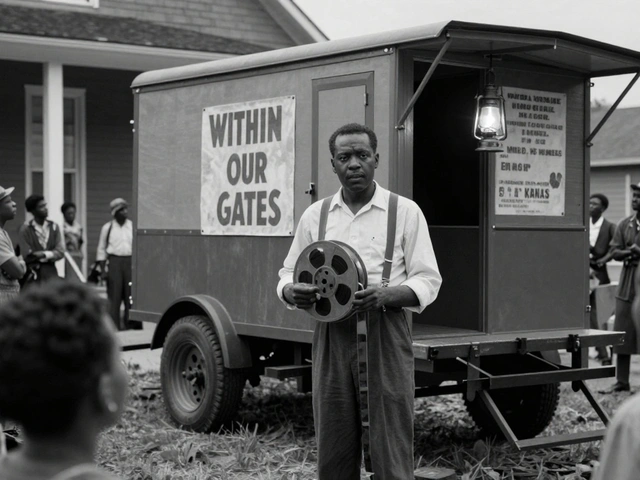
Cult audiences didn’t start in theaters. They started in basements, in dorm rooms, on VHS tapes passed hand to hand. Before the internet, finding a cult film meant tracking down a bootleg copy, sneaking into a midnight screening, or begging a friend who had a rare VHS. That scarcity made them sacred.
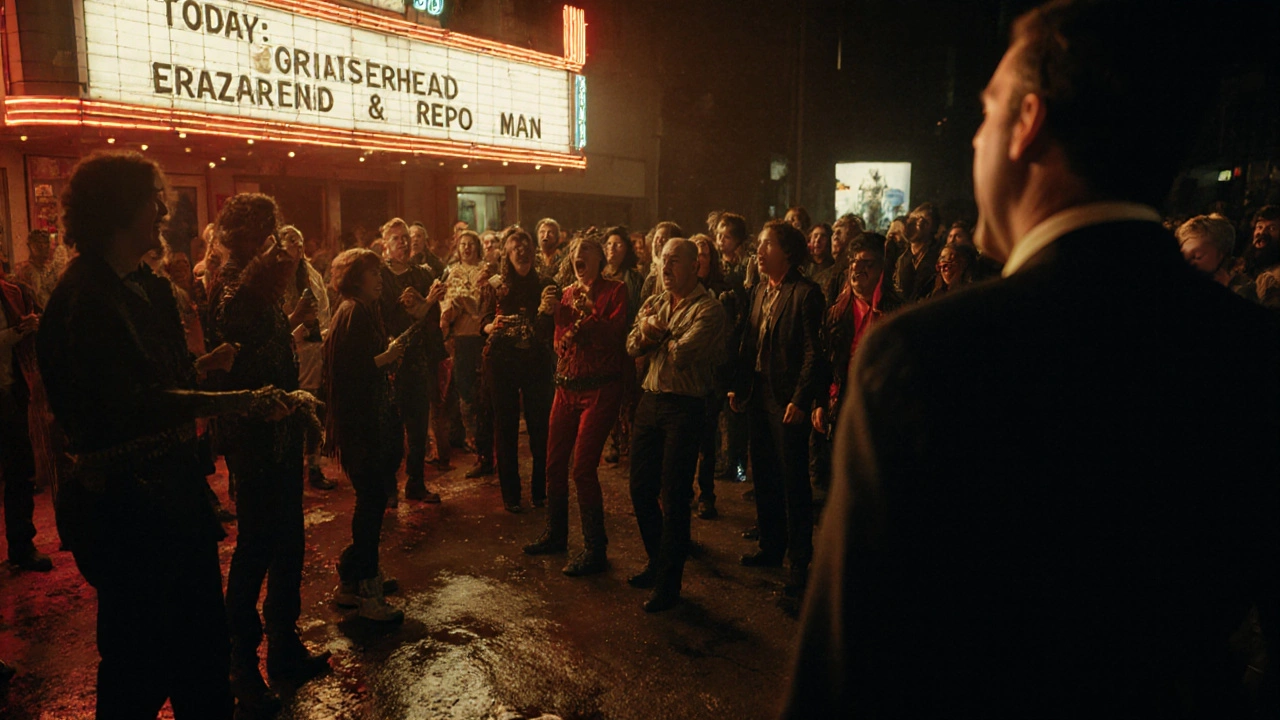
In the 1970s and 80s, grindhouse theaters in cities like Los Angeles, Chicago, and New York became the first real cult hubs. These were run-down places showing double features of low-budget horror, blaxploitation, and kung fu flicks. No one expected them to last. But people kept coming - not for the production value, but for the ritual. The smell of popcorn mixed with stale beer. The guy in the back yelling at the screen. The way the whole room laughed when the robot exploded for the third time.
These weren’t just moviegoers. They were participants. They turned watching into performance. And that’s when the cult took root.
Key Films That Started It All
Some titles keep showing up in every cult film conversation. They’re not random. Each one cracked open a new kind of audience.
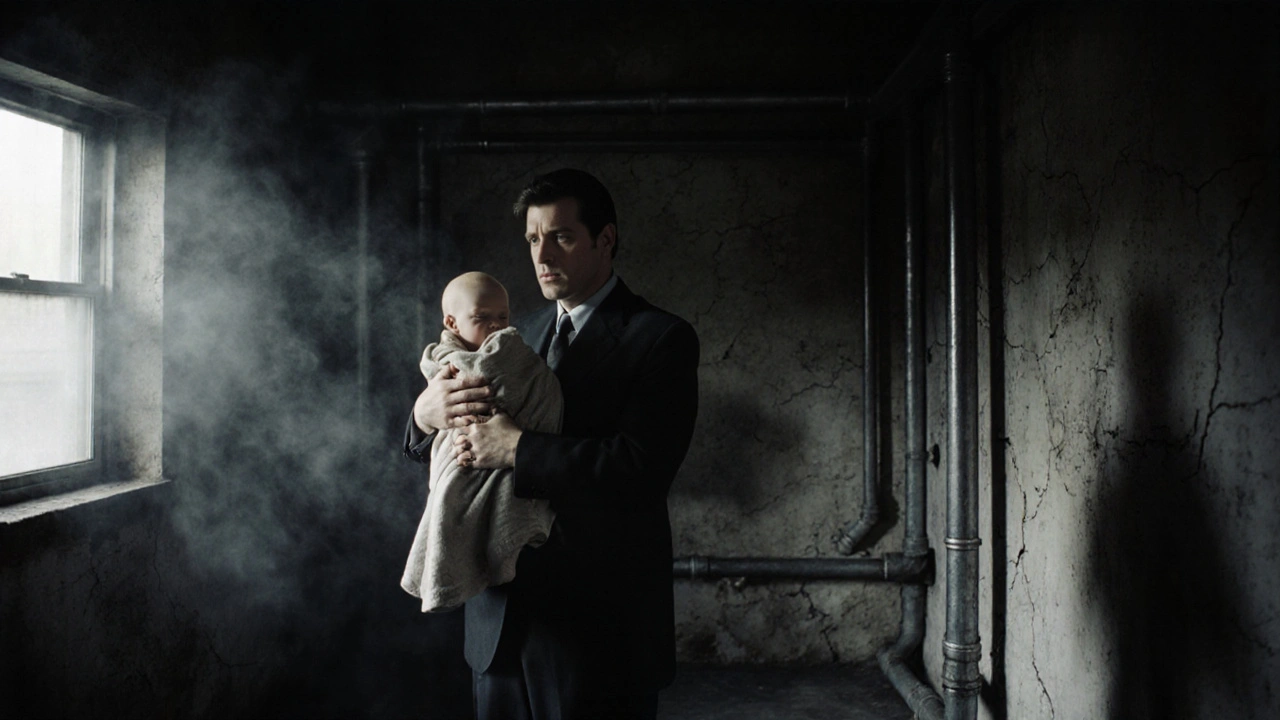
- Eraserhead (1977) - David Lynch’s surreal nightmare about a man raising a deformed baby. No plot. Just atmosphere. People watch it to feel unsettled. And they keep coming back.
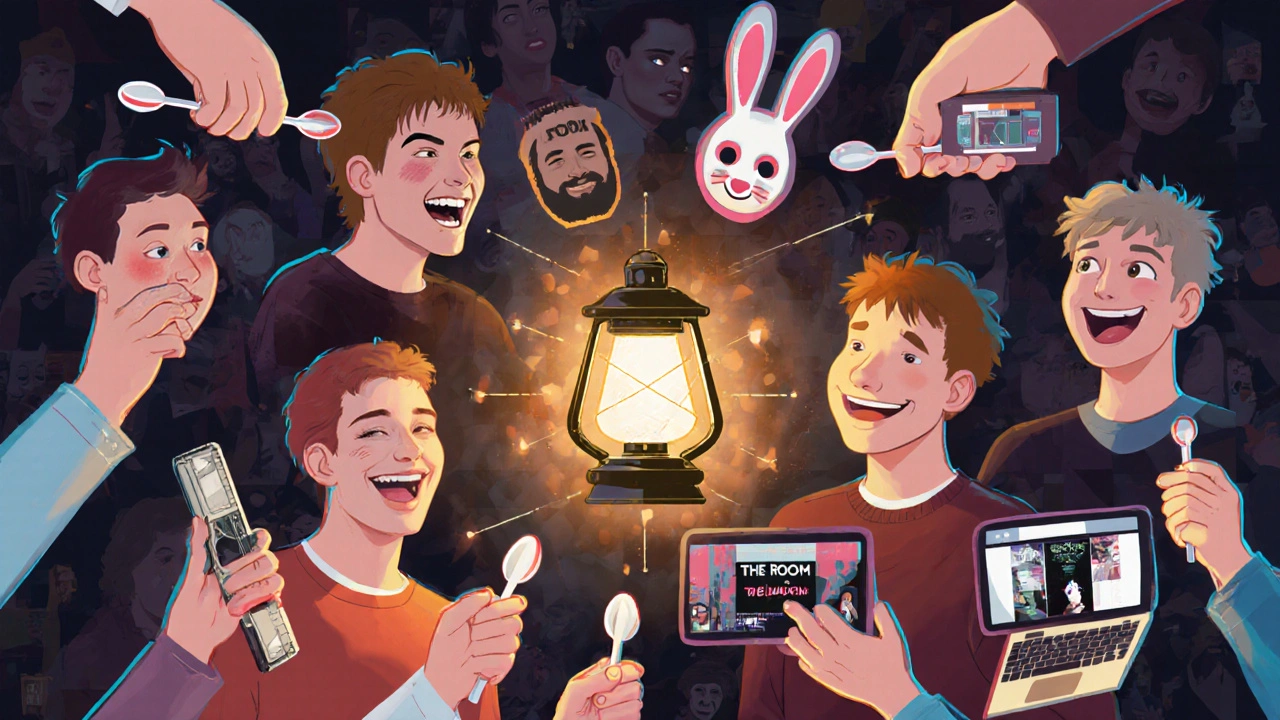
- The Room (2003) - Made for $6 million by a man who thought he was making a romantic drama. The acting is wooden. The dialogue is baffling. The plot makes no sense. And yet, thousands gather every year to watch it with plastic spoons and footballs, yelling at the screen like it’s a live comedy show.
- Repo Man (1984) - A punk rock sci-fi comedy about a car repo man who stumbles into a government conspiracy. It had no marketing. No stars. Just attitude. It became the soundtrack to alienated youth in the 80s.
- Donnie Darko (2001) - A high schooler talks to a giant bunny rabbit who tells him the world will end in 28 days. Critics ignored it. Fans didn’t. It turned into a decade-long mystery game of symbolism, timelines, and rabbit suits.
- Shaun of the Dead (2004) - A zombie movie disguised as a British rom-com. It didn’t just make people laugh. It made them feel like they’d found their people.
Each of these films failed by industry standards. But they found their people. And once they did, they became immortal.
How Cult Films Spread - Before and After the Internet
Before YouTube and Reddit, cult films lived on word of mouth. A friend whispered, “You have to see this.” Then you rented it. Then you watched it alone. Then you watched it again. Then you told three more people. That’s how Troll 2 went from a terrible Italian horror movie to the most beloved bad movie of all time.
Today, the spread is faster. TikTok clips of The Big Lebowski quotes hit millions in hours. Reddit threads dissect Princess Mononoke’s environmental themes. Twitter threads argue over whether Blade Runner is a cult film or a masterpiece. But the core hasn’t changed. It’s still about connection.
The internet didn’t create cult audiences. It just gave them a bigger room to gather. Now, instead of one midnight screening in Austin, you have 500 virtual watch parties. Instead of one guy in a suit yelling at The Room, you have a global community of people sending in their own photos of plastic spoons.
Why People Keep Coming Back
Most movies are meant to be watched once. Cult films are meant to be lived in.
People don’t just watch Fight Club. They memorize the rules. They argue about whether the ending was a triumph or a tragedy. They tattoo lines from it. They host themed parties. They don’t watch it for the story. They watch it for the feeling - the rebellion, the chaos, the release.
Cult films offer belonging. They’re the movies you watch when you feel like no one else gets you. They’re the ones you quote when you’re having a bad day. They’re the ones that feel like inside jokes with millions of strangers.
There’s comfort in repetition. In knowing every line. In hearing the same laugh at the same moment. In seeing the same face in the crowd, wearing the same shirt, screaming the same thing. That’s not obsession. That’s community.
The Dark Side of Cult Status
Not every cult film stays pure. Some get co-opted. Some become memes. Some turn toxic.
The Dark Knight was never a cult film. But Office Space was. And now, people use its “Yeah, I’m gonna need you to go ahead and just come in on Saturday” line to justify slacking off. That’s not the spirit of the movie. That’s just laziness dressed up as irony.
Some cult films attract fans who don’t get the satire. They Live is a sharp critique of consumerism. But some people watch it and think, “Yeah, aliens are real.” Others use Apocalypse Now as a backdrop for their white nationalist fantasies. That’s not the film’s fault. But it’s a risk when something becomes too popular.
Cult status can also trap filmmakers. Some directors spend their whole careers trying to replicate the magic of their one weird movie. They get stuck. Fans expect the same chaos. The studio demands the same madness. And the artist loses control.
How to Find Your Own Cult Film
You don’t need to hunt for the classics. You need to find the one that speaks to you.
Start with what you love. If you’re into punk music, check out Repo Man or Suburbia. If you like surreal humor, try Eraserhead or Brazil. If you grew up with late-night TV, explore the films of Ed Wood or John Waters.
Go to independent theaters. Ask the staff what they screen on Friday nights. Join a local film club. Watch something with a group. Talk about it afterward. The moment you find yourself quoting it to a friend who hasn’t seen it - that’s when it becomes yours.
Don’t chase what’s popular. Chase what makes you feel like you’ve found something secret. That’s the real cult experience.
What Happens When a Cult Film Goes Mainstream?
Some cult films get remade. Re-released. Turned into merch. Turned into TV shows. That’s not always bad. But it changes the game.
Beetlejuice was a weird, dark comedy about death and family. Now it’s a Broadway musical. The Nightmare Before Christmas was a stop-motion oddity. Now it’s on every Halloween display in America. The magic isn’t gone - but it’s different. It’s no longer hidden. It’s sold in Target.
When a cult film becomes a brand, it loses its edge. The rebellion becomes a logo. The outsider status becomes a marketing campaign. The community turns into a customer base.
That’s why the true cult fans often keep watching the original. The grainy VHS. The scratched DVD. The bootleg from a friend. Because that’s where the soul still lives.
Final Thought: The Lasting Power of the Weird
Cult films survive because they refuse to be ignored. They don’t ask for permission. They don’t care if you understand them. They just exist - loud, strange, and stubborn.
They’re the movies that outlive their time. That outlive their budgets. That outlive their creators.
And they do it because they gave something real to people who felt like they had nothing.






Comments(7)