Think about the last time you watched an animated movie that felt like a genuine sequel rather than a cash grab. It’s rare. We live in an era where studios are aggressively expanding their libraries with spin-offs, prequels, and reboots. But while some of these brands become cultural pillars that span generations, others vanish after one or two underwhelming entries. What separates the animation franchises that thrive from those that collapse?
The answer isn't just about budget or marketing spend. It comes down to a delicate balance between creative evolution, audience connection, and strategic brand management. When a studio treats a successful character as a static asset to be milked, the audience notices. When they treat it as a living entity that can grow, change, and surprise, the franchise earns its longevity.
The Trap of Creative Stagnation
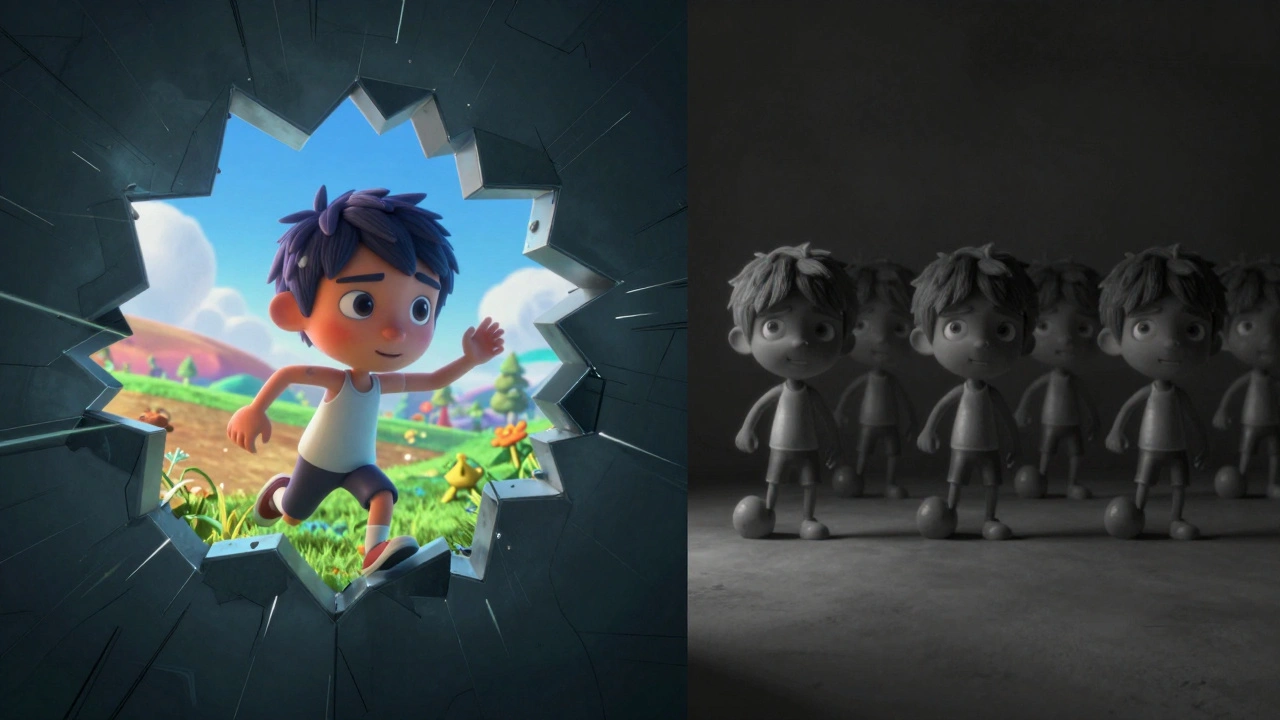
The biggest killer of animation franchises is repetition. Audiences love familiarity, but they hate predictability. A franchise that simply recycles the same plot structure, jokes, and visual style will burn out quickly. This is what we call "creative stagnation."
Consider the early days of many blockbuster series. The first film establishes the world and the characters. The second film often expands on that foundation, adding new stakes or villains. But by the third or fourth installment, if nothing changes fundamentally, fatigue sets in. Viewers start asking, "Why am I watching this again?" If the answer is only "because it's familiar," the franchise is already dying.
Successful long-running franchises avoid this by evolving their core premise. They might shift genres slightly, introduce deeper thematic layers, or allow characters to age and change. For example, a comedy series might gradually incorporate more dramatic elements as the characters face adult responsibilities. This keeps the content fresh for both new viewers who need context and loyal fans who crave progression.
Audience Connection and Emotional Investment
Longevity requires more than just entertainment; it demands emotional investment. Fans don't stick around for pretty pictures alone-they stay for the relationships. Whether it's the bond between siblings, the rivalry between heroes and villains, or the growth of a single protagonist, emotional resonance is the glue that holds a franchise together across decades.
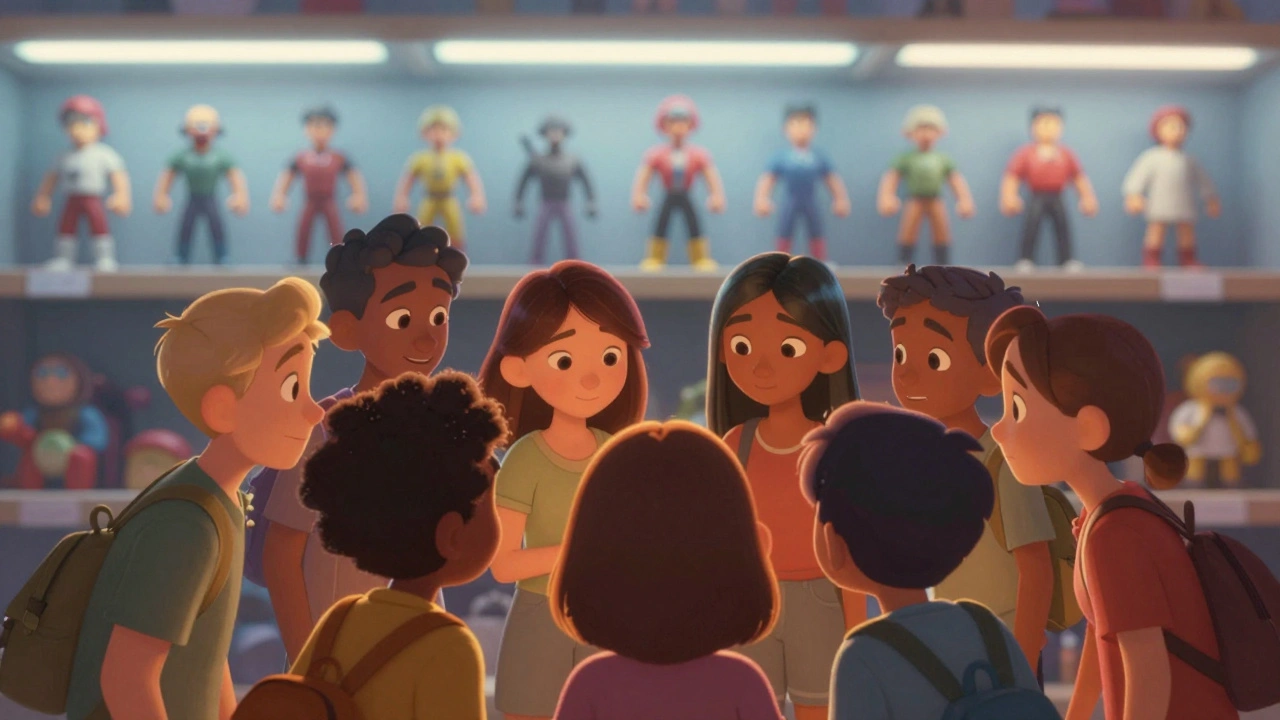
When a franchise fails to maintain this connection, it loses its most valuable asset: its fanbase. This often happens when studios prioritize merchandise sales over storytelling. If characters are designed primarily to look good on action figures rather than to feel authentic on screen, audiences sense the manipulation. The result is a hollow experience that might generate short-term revenue but destroys long-term trust.
Conversely, franchises that respect their audience's intelligence tend to survive longer. They allow for complex moral dilemmas, nuanced character flaws, and realistic consequences. This depth creates a community of fans who discuss theories, create fan art, and eagerly anticipate new releases. That organic engagement is far more powerful than any advertising campaign.
Strategic Brand Management and Expansion
Behind every successful animation franchise is a team of strategists managing the brand's expansion. This isn't just about making movies; it's about building an ecosystem. Television series, comic books, video games, and theme park attractions all play a role in keeping the brand relevant between major theatrical releases.
Brand Management is the practice of maintaining consistency and relevance across multiple media platforms. In the context of animation, this means ensuring that a character behaves consistently whether they appear in a five-minute TV episode or a two-hour feature film. Inconsistencies break immersion and confuse younger audiences, who are particularly sensitive to continuity errors.
Effective expansion also involves timing. Releasing too many products too quickly can saturate the market and lead to viewer fatigue. On the other hand, waiting too long between installments can cause the audience to lose interest. Finding the right rhythm is crucial. Many successful franchises use a "hub-and-spoke" model, where a central film release is supported by smaller, lower-budget projects that explore side stories or secondary characters. This keeps the brand visible without overwhelming the core narrative.
The Role of Technology and Visual Innovation
Animation is inherently tied to technology. As rendering engines, software tools, and hardware capabilities improve, so do the possibilities for visual storytelling. Franchises that fail to adopt new technologies often look dated compared to their competitors. This doesn't mean abandoning a signature art style, but rather enhancing it with modern techniques.
For instance, the shift from traditional 2D hand-drawn animation to computer-generated imagery (CGI) revolutionized the industry in the late 1990s and early 2000s. Studios that embraced this change early gained a competitive edge. Today, the frontier lies in real-time rendering, virtual production, and AI-assisted animation pipelines. These tools allow for greater flexibility and faster iteration, enabling creators to experiment with new visual styles without breaking the bank.
However, technology must serve the story, not overshadow it. A visually stunning film with a weak script will still fail. The best franchises use technological advancements to deepen emotional impact-whether through more expressive facial animations, dynamic lighting that reflects mood, or immersive environments that draw viewers into the world.

Case Studies in Longevity vs. Failure
To understand what works, let's look at specific examples. On the success side, consider franchises like Disney's Animated Canon, which has maintained relevance for over a century by constantly reinventing its storytelling approach while retaining core values of hope and resilience. Another example is Studio Ghibli, whose films stand alone yet share a distinct aesthetic and thematic coherence that attracts global audiences.
On the failure side, many mid-2000s CGI franchises collapsed because they relied too heavily on novelty. Once the initial excitement wore off, there was no substantive content to sustain interest. These franchises often suffered from poor writing, shallow characters, and a lack of clear vision beyond the first film.
| Factor | High Longevity Traits | Low Longevity Traits |
|---|---|---|
| Creative Direction | Evolving narratives, character growth | Repetitive plots, static characters |
| Audience Engagement | Emotional depth, community building | Merchandise-first mindset, shallow humor |
| Technological Adoption | Enhanced visuals serving story | Dated aesthetics, tech gimmicks |
| Release Strategy | Balanced pacing, multi-platform support | Oversaturation, long gaps between releases |
The Future of Animated Franchises
As we move further into the 2020s, the landscape of animation continues to shift. Streaming platforms have changed how audiences consume content, favoring binge-worthy series over theatrical events. This presents both challenges and opportunities for franchise builders. Shorter, serialized formats allow for more intricate plotting and character development, potentially leading to deeper audience connections.
Additionally, globalization plays a bigger role than ever. Successful franchises now need to resonate across cultures, not just in Western markets. This means incorporating diverse perspectives, universal themes, and varied artistic influences. Franchises that embrace this diversity tend to have broader appeal and longer lifespans.
Ultimately, the key to longevity remains unchanged: respect your audience. Create stories that matter, develop characters that feel real, and innovate responsibly. Do that, and your franchise won't just survive-it will thrive.
What makes an animation franchise last longer than others?
Longevity depends on creative evolution, emotional audience connection, strategic brand management, and technological innovation. Franchises that adapt their stories and maintain high quality across media platforms tend to survive longer.
Why do some animated sequels fail despite big budgets?
Big budgets cannot fix poor storytelling or lack of emotional depth. Sequels often fail when they rely on nostalgia without offering new insights or character growth, leading to audience fatigue.
How does technology affect animation franchise success?
Technology enhances visual appeal and production efficiency. However, it must serve the narrative. Franchises that integrate new tools to deepen emotional impact succeed, while those using tech as a gimmick often falter.
Can a franchise restart after a period of decline?
Yes, but it requires significant creative overhaul. Successful revivals usually involve returning to core themes, introducing new talent, and respecting the original material while updating it for contemporary audiences.
What role does merchandise play in franchise longevity?
Merchandise can extend brand visibility, but relying on it too heavily can damage credibility. Sustainable franchises prioritize strong storytelling first, using merchandise as a natural extension of fan engagement rather than the primary goal.




Comments(8)