Key Takeaways for Film Marketers
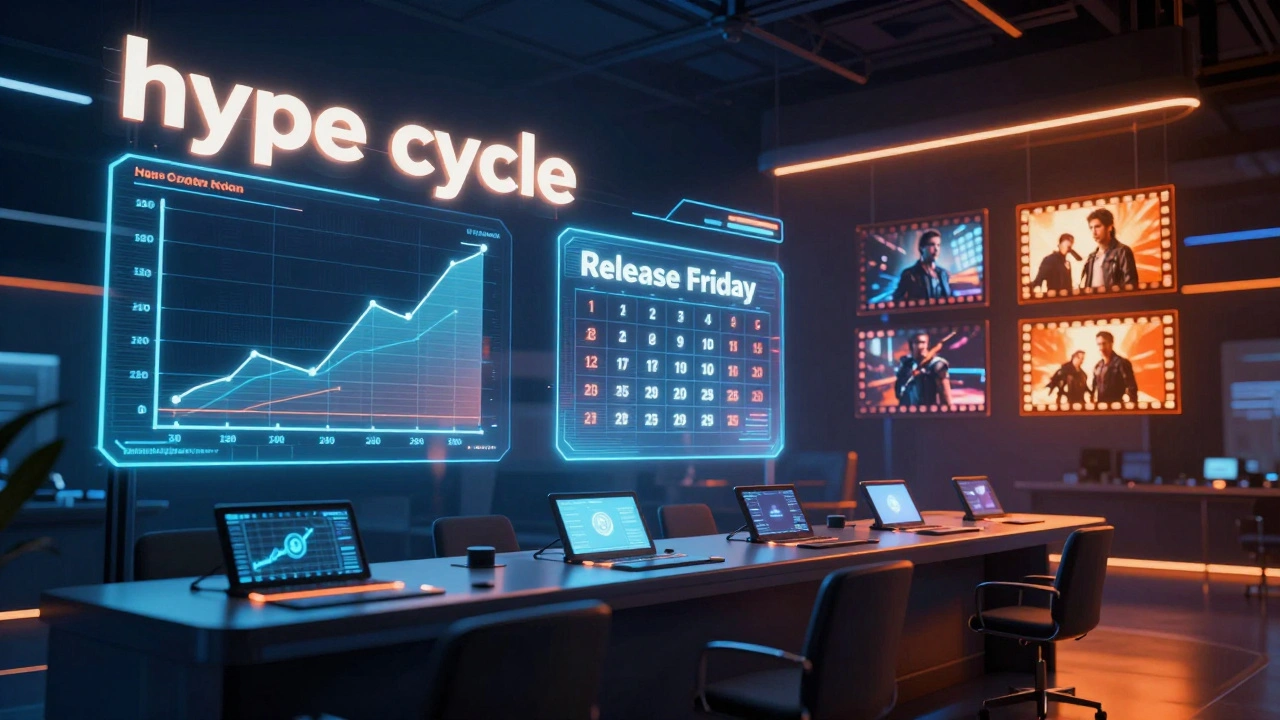
- Strategic timing of trailer drops creates an artificial 'hype cycle' that peaks exactly at release.
- Media buys shift from broad awareness (TV) to high-conversion targets (Social Media) as the date nears.
- The ' attaches' system in theaters remains a primary way to capture an already captive, movie-loving audience.
- Data-driven targeting allows studios to pivot spending based on which demographics are actually clicking 'Buy Tickets'.
The Art of the Teaser vs. The Full Trailer
Not all trailers are built for the same job. A teaser is meant to create an itch you can't scratch. It's usually short, vague, and relies on a single striking image or a bit of music. Its goal is awareness. The full trailer, however, is where the heavy lifting happens. This is where the plot is established, the stakes are raised, and the 'experience' is sold.
When a studio manages Theatrical Distribution the process of releasing a film to movie theaters through a strategic rollout of prints and digital files, they aren't just booking screens. They are coordinating a psychological campaign. For example, a horror movie won't drop its full trailer during a daytime talk show; it wants that midnight social media surge where the atmosphere is right and the conversation can go viral among Gen Z audiences.
Mastering Media Buys: Where the Money Goes
A media buy is essentially the purchase of attention. In the old days, this meant buying 30-second spots during the Super Bowl or on network TV. Today, it's a fragmented battlefield. Studios now divide their budgets into 'top of funnel' and 'bottom of funnel' spends.
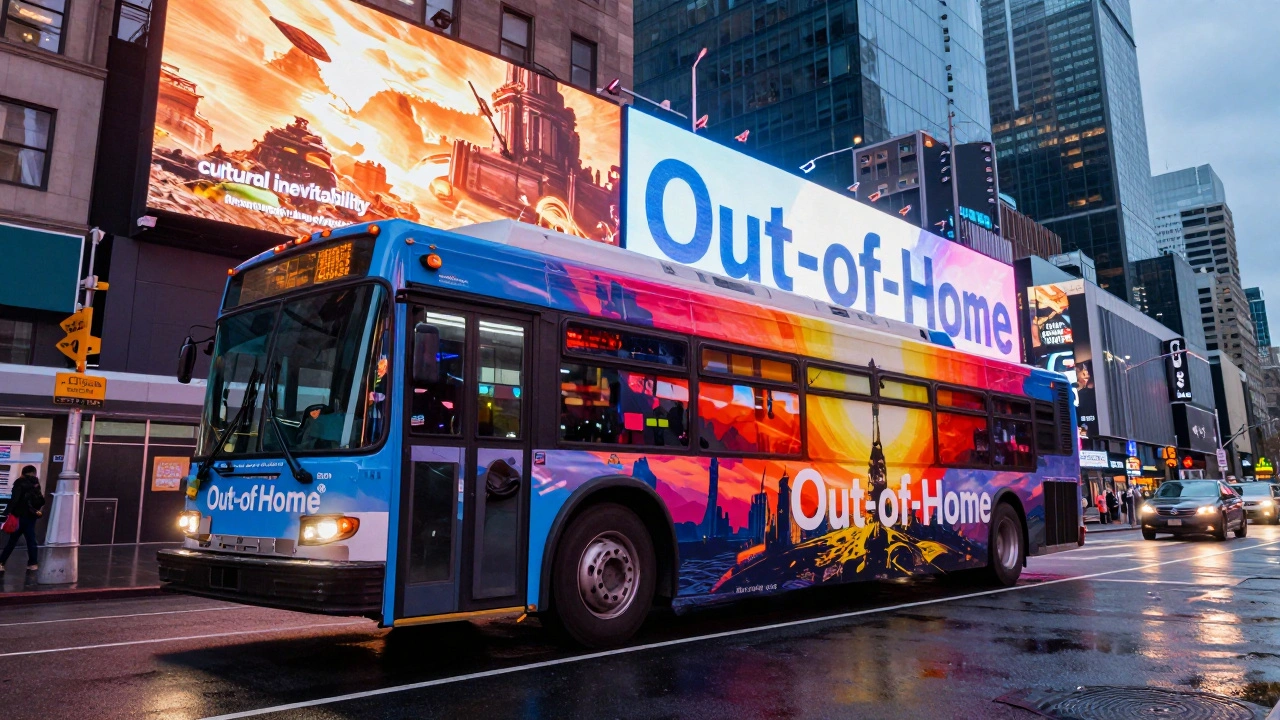
Top-of-funnel buys focus on reach. This is where Out-of-Home (OOH) Advertising billboards, transit ads, and digital signage in high-traffic urban areas comes in. Think of those massive wraps on the sides of buses in New York City. You aren't buying a ticket the moment you see a billboard, but the billboard makes the movie feel "big." It creates a sense of cultural inevitability.
Bottom-of-funnel buys are precision strikes. This is where Programmatic Advertising the automated buying and selling of online ad space in real-time takes over. If you've searched for "best sci-fi movies 2026" on Google, you'll suddenly see the trailer for the latest space epic in your Instagram feed. The studio is using behavioral data to target people who have already expressed interest, ensuring that the ad spend leads directly to a ticket purchase.
| Timeline | Primary Goal | Key Channels | Metric of Success |
|---|---|---|---|
| 6-12 Months Out | Awareness/Curiosity | Teasers, Trade Press | Social Mentions / Google Trends |
| 3-6 Months Out | Interest Building | Theatrical Attaches, TV Spots | Trailer View Counts |
| 1 Month Out | Urgency/Conversion | Social Media Ads, Influencers | Ticket Pre-sales |
| Opening Week | FOMO Generation | TikTok, YouTube Shorts | Opening Weekend Gross |
The Power of the Theatrical Attach
There is no better place to market a movie than inside a movie theater. The "attach" refers to the trailers that play before the main feature. This is a goldmine because the audience is already in the "movie-watching mindset." They are primed for storytelling and visual spectacle.
Studios often negotiate these placements based on the movie's genre. A studio wouldn't waste a high-budget action trailer in front of a quiet indie drama if they could place it before a massive blockbuster. This is a symbiotic relationship: the theater gets high-quality content to fill the pre-show, and the studio gets an audience that has a proven track record of spending money on cinema tickets.
The effectiveness of these attaches is measured through a process called Market Research the systematic gathering and interpretation of information about individuals or groups to assess interest. Studios track which trailers get the loudest reactions or the most social media chatter immediately following a screening. If a particular cut of a trailer is landing well in theaters, they'll pivot their rest of the media buy to use that specific version.
The Social Media Feedback Loop
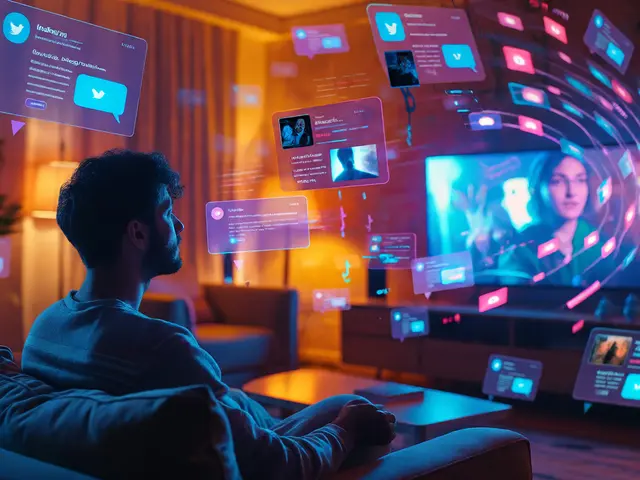
In 2026, the traditional "top-down" approach to marketing is dead. It's now a conversation. When a trailer drops, the internet reacts in real-time. This feedback loop allows studios to change their strategy on the fly. If a specific character in a trailer becomes a meme on TikTok a short-form video hosting service used heavily for viral marketing and trend-setting, the marketing team will immediately cut new 15-second clips focusing on that character.
This is called "reactive marketing." Instead of sticking to a rigid plan created six months ago, the media buy becomes fluid. They might shift $500,000 from a traditional TV spot into a series of sponsored TikTok challenges because the data shows that's where the target audience is actually engaging. This agility is what separates a "sleeper hit" from a total flop.
Calculating the Opening Weekend
The ultimate goal of all this spending is the Opening Weekend. This is the most critical metric in Box Office the total amount of money a movie earns from ticket sales performance. A huge opening weekend creates a "halo effect." It tells the general public that the movie is a "must-see," which sustains the film's legs through the following weeks.
To maximize this, studios use a strategy called "front-loading." They saturate the market with ads in the 14 days leading up to release. The idea is to create a peak of awareness that coincides exactly with the moment tickets become available. If you spend your entire budget too early, people forget the movie. If you spend it too late, they've already made plans for the weekend. The balance is a delicate science of timing and frequency.
Common Pitfalls in Modern Media Buys
Not every big spend results in a big hit. One of the most common mistakes is "over-promising" in the trailer. When a trailer shows the best jokes, the biggest plot twists, and the most spectacular action scenes, the audience feels like they've already seen the movie. This leads to high opening weekend numbers but a massive drop-off in the second week because the actual film didn't deliver more than what was in the 2-minute ad.
Another risk is ignoring the "dark zones" of the internet. Relying solely on algorithmic feeds means a studio might miss audiences who don't use those platforms. A balanced media buy must include a mix of high-tech targeting and old-school visibility to ensure the movie reaches everyone from the 15-year-old gamer to the 60-year-old cinema enthusiast.
Why do movie trailers look different in different countries?
Studios localize trailers to match cultural preferences. For instance, a trailer for the US market might focus on individual heroism and action, while a version for the East Asian market might emphasize the emotional bonds and family dynamics of the characters to better resonate with local audiences.
What is a 'paid' vs 'earned' media buy?
Paid media is when a studio pays for an ad spot (like a YouTube pre-roll). Earned media is when the public or press talks about the movie for free because it's exciting or controversial. The most successful campaigns use paid media to spark earned media conversations.
How does the 'leaked' trailer strategy work?
Sometimes studios "accidentally" leak a few seconds of footage. This creates a surge of organic interest and speculation on social media, which is often more believable and exciting to fans than a polished, corporate advertisement.
Does the length of a trailer affect ticket sales?
Generally, yes. Shorter, punchier trailers (under 2:30) tend to perform better on social media and maintain a higher completion rate. Long trailers risk boring the viewer or revealing too much of the plot, which can actually hurt long-term interest.
What is the role of influencers in a media buy?
Influencers provide social proof. When a trusted creator tells their followers a movie is amazing, it carries more weight than a studio ad. Studios buy these partnerships to reach niche communities that might ignore traditional commercials.
Next Steps for Future Releases
If you're tracking a film's trajectory, keep an eye on the "conversion window." Look at the gap between when the final trailer drops and when pre-sales open. If that gap is too wide, the momentum dies. If it's too tight, the audience hasn't had time to process the hype.
For those in the industry, the move is toward hyper-personalization. We're seeing a shift where AI might soon generate different versions of a trailer for different users based on their viewing history-showing more action to one person and more romance to another, all for the same movie.





Comments(5)