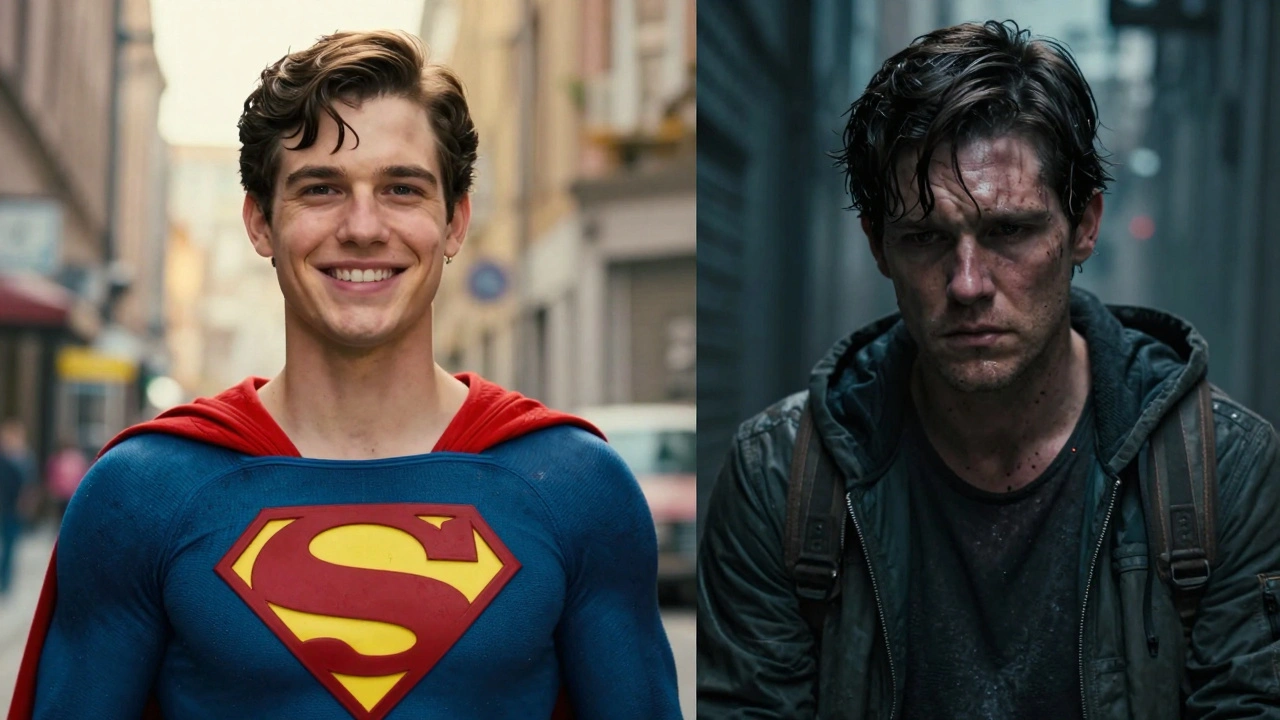
Have you ever noticed how the second movie in a trilogy often feels heavier, grittier, or more serious than the first? Or perhaps the opposite happens-a lighthearted comedy gets a sequel that tries too hard to be deep. This isn’t just creative whimsy. It is a calculated gamble by studios and directors to manipulate ratings, box office returns, and cultural relevance. When a franchise hits its stride, the pressure to evolve-or survive-kicks in.
We live in an era where audience attention spans are shorter, but expectations for quality are higher. A simple fun ride might not sustain interest for a ten-year saga. Conversely, a dark deconstruction might alienate the casual fans who bought tickets for the original. Understanding why these tonal shifts happen helps us predict what’s coming next in our favorite franchises and why some sequels succeed while others flop.
The Trap of the Successful Original
When a first film succeeds, it establishes a baseline. If that baseline is "fun," the sequel faces a specific problem: diminishing returns on novelty. What was fresh in the first act becomes repetitive in the second. Directors and writers often feel pressured to add weight to justify the existence of a sequel. They ask themselves, "What new emotional stakes can we introduce?" The answer is usually darker themes, higher consequences, or moral ambiguity.
Consider the trajectory of many superhero films. The origin story is often hopeful and bright. But once the hero is established, the narrative needs conflict that feels earned. A villain who is just "evil for the sake of being evil" stops working. To raise the stakes, writers introduce personal trauma, political corruption, or existential threats. This shift aims to deepen character development, which critics often reward with better reviews, even if general audiences miss the simpler tone.
This phenomenon creates a tension between critical acclaim and mass appeal. Critics tend to favor complexity and darkness, viewing it as artistic maturity. General audiences, however, often go to movies for escapism. When a sequel pivots too hard toward darkness, it risks becoming pretentious. The goal is to find a middle ground where the darkness serves the plot, rather than overshadowing it.
Lighter Shifts: Escapism and Brand Expansion
Not all sequels go darker. Sometimes, they go lighter. This usually happens when the original film was dense, complex, or emotionally draining. A lighter sequel acts as a palate cleanser. It invites a broader demographic, including families and younger viewers, into the franchise. This strategy is common in animated features and action-comedies.
For example, if a first film deals with heavy grief or war, the sequel might focus on adventure or humor to maintain momentum without exhausting the audience. This approach prioritizes accessibility over depth. Studios see this as a way to expand the brand’s reach. By lowering the barrier to entry, they can sell more merchandise, secure theme park attractions, and build long-term loyalty among children who grow up with the characters.
However, this shift carries its own risks. Core fans of the original may feel betrayed if the tone change feels unearned or silly. They might argue that the sequel lacks the substance of the predecessor. The challenge here is maintaining enough continuity and respect for the source material while injecting enough levity to keep the experience enjoyable. If done poorly, the sequel feels like a cash grab; if done well, it revitalizes the franchise.
The Role of Audience Fatigue
Audience fatigue is a real force in the film industry. After watching three similar movies, viewers start to crave something different. If a franchise has been consistently dark, a lighter installment can feel refreshing. If it has been consistently light, a darker turn can feel necessary. This push-and-pull dynamic is driven by consumer behavior data collected through streaming platforms and ticket sales.
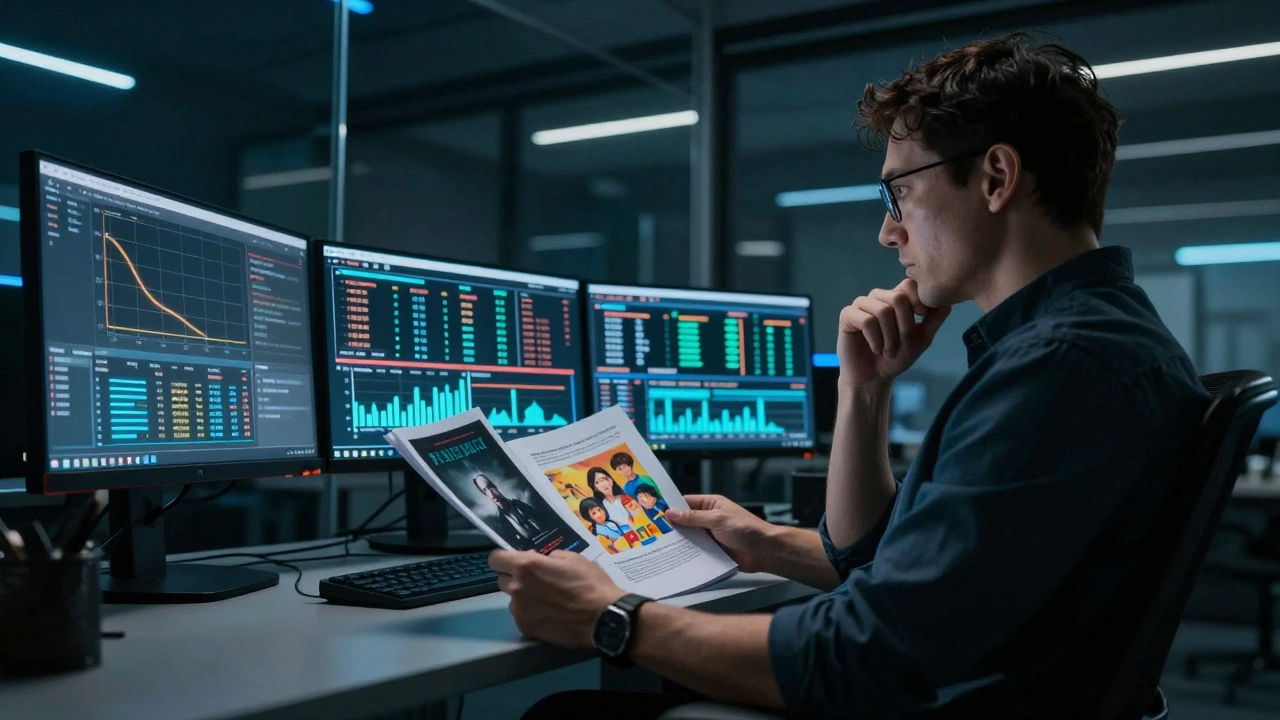
Streaming services provide detailed analytics on viewer drop-off rates and engagement levels. If data shows that audiences are skipping intense scenes or losing interest in complex plots, studios might pivot toward a more straightforward, entertaining narrative. Conversely, if viewers are praising the emotional depth of a series, the next installment will likely double down on those elements.
This data-driven approach means that tonal shifts are rarely accidental. They are responses to market feedback. Filmmakers study what worked and what didn’t, then adjust their approach accordingly. While this ensures commercial viability, it can sometimes lead to inconsistent storytelling. Fans might notice jarring transitions between episodes or films, breaking immersion.
Critical Reception vs. Box Office Performance
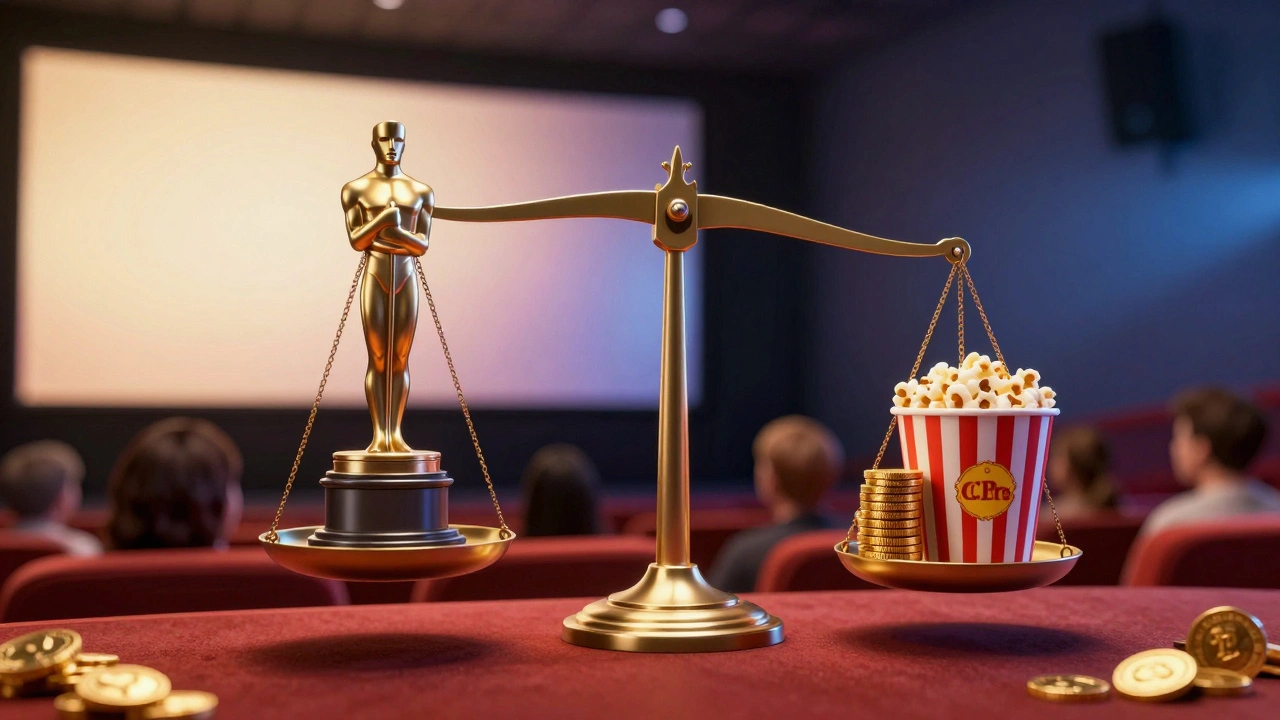
There is often a disconnect between what critics want and what audiences pay for. Critics value innovation, thematic depth, and technical achievement. Audiences value entertainment, emotional resonance, and spectacle. A darker sequel might win awards but fail at the box office if it feels too depressing. A lighter sequel might make billions but receive mediocre reviews for lacking substance.
This dichotomy forces filmmakers to make difficult choices. Do they aim for legacy or profit? Many successful franchises manage to balance both by integrating dark themes within an entertaining framework. Action sequences remain thrilling, but the underlying story explores serious issues. This hybrid approach satisfies both camps, ensuring strong ratings from critics and high turnout from general audiences.
Marketing plays a crucial role in managing these expectations. Trailers and promotional materials set the tone before the movie even releases. If a studio markets a sequel as a gritty drama, but delivers a comedy, audiences will feel misled. Accurate marketing aligns audience expectations with the final product, reducing disappointment and improving word-of-mouth recommendations.
| Strategy | Goal | Risk | Best For |
|---|---|---|---|
| Going Darker | Deepen character arcs, gain critical acclaim | Alienating casual fans, feeling pretentious | Dramas, thrillers, mature superhero films |
| Going Lighter | Expand audience, increase merchandising | Losing core fanbase, appearing shallow | Familial comedies, animated features, action-comedies |
| Maintaining Tone | Consistency, reliability | Boredom, lack of innovation | Established classics, short series |
Case Studies in Tonal Shifts
Looking at real-world examples clarifies these concepts. The *Batman* franchise frequently oscillates between dark and light tones. Tim Burton’s early films were gothic and surreal, while Christopher Nolan’s trilogy was grounded and realistic. Later iterations leaned into campiness again. Each shift reflected the director’s vision and the prevailing cultural mood. Audiences accepted these changes because each version offered a distinct experience.
In contrast, some franchises struggle with inconsistency. When a comedy suddenly introduces tragic backstory without proper buildup, it feels forced. The tonal whiplash confuses viewers and undermines the humor. Successful tonal shifts require careful foreshadowing and gradual integration. Characters must earn their darkness, and jokes must land within the new context.
Another example is the *Mission: Impossible* series. It started as a spy thriller with moderate stakes. Over time, it evolved into a high-octane action spectacle with increasingly dangerous stunts. The tone became more urgent and intense, matching the physical feats on screen. This shift worked because it enhanced the core appeal of the franchise: adrenaline and excitement.
Navigating Fan Expectations
Fans are protective of their favorite stories. They form strong opinions about character personalities, world-building rules, and thematic consistency. When a sequel deviates significantly from these expectations, backlash can be swift and severe. Social media amplifies these reactions, making it harder for studios to ignore fan sentiment.
To mitigate this, filmmakers often engage with fan communities during development. Teasers, concept art, and casting announcements generate buzz and allow for early feedback. If fans sense a direction they dislike, studios can adjust before release. However, this also creates pressure to cater to every opinion, which can dilute the creative vision.
The key is to honor the spirit of the original while allowing room for growth. Fans appreciate evolution when it feels authentic. They reject changes that seem purely commercial or disconnected from the source material. Balancing innovation with tradition is the ultimate challenge for any sequel writer.
The Future of Franchise Storytelling
As technology advances and storytelling formats diversify, the rules of sequels continue to evolve. Streaming platforms enable longer, more nuanced narratives that don’t fit neatly into two-hour blocks. This allows for subtler tonal shifts over multiple seasons rather than abrupt changes between films. Viewers have more patience for slow burns when they can binge-watch content.
Additionally, global audiences influence tonal decisions differently than domestic ones. International markets may prefer certain types of humor or dramatic intensity. Studios must consider these variations when planning worldwide releases. A tone that resonates in one country might fall flat in another, requiring localized adjustments in marketing and distribution.
Ultimately, the success of a sequel depends on its ability to connect emotionally with viewers. Whether dark or light, the story must feel meaningful. Audiences forgive imperfections if they care about the characters. They abandon franchises that feel hollow or exploitative. The best sequels remind us why we loved the original while taking us somewhere new.
Why do some sequels become darker than the original?
Sequels often go darker to add depth to character development and raise narrative stakes. After the initial novelty wears off, creators seek to explore more complex themes like trauma, morality, or consequence. This shift aims to satisfy critics and prevent the story from feeling repetitive, though it risks alienating casual fans who preferred the lighter tone.
Can going lighter hurt a franchise's reputation?
Yes, if the shift feels unearned or dismissive of the original's themes. Core fans may view a lighter sequel as a cash grab that sacrifices substance for broad appeal. However, if executed well, a lighter tone can refresh the franchise, attract new audiences, and extend its lifespan without damaging its reputation.
How do studios decide whether to go dark or light?
Studios rely on data analytics from previous installments, including audience retention rates, social media sentiment, and box office performance. They also consider the director's vision and current market trends. If viewers show signs of fatigue with intense content, a lighter approach may be chosen to re-engage them.
What is the biggest risk of changing tone in a sequel?
The biggest risk is tonal whiplash, where the shift feels abrupt and disconnected from the established narrative. This can confuse audiences and break immersion. Additionally, mismatched marketing can lead to disappointed viewers if the trailer promises one experience but the film delivers another.
Do critics prefer darker sequels?
Generally, yes. Critics tend to value complexity, thematic depth, and artistic ambition, which are often associated with darker tones. However, this preference doesn't always align with audience enjoyment. A critically acclaimed dark sequel might still underperform commercially if it fails to entertain the general public.