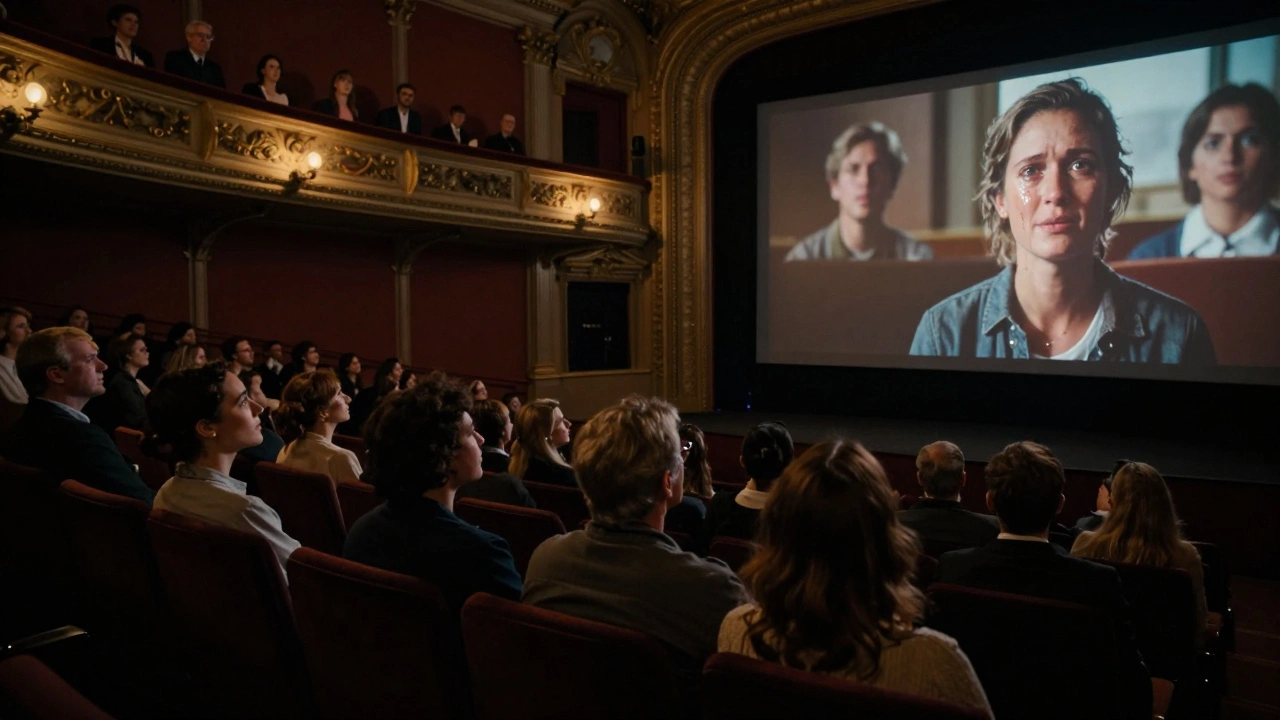
When a film opens in theaters, the real battle often starts after the lights go down. The box office numbers matter, but for many independent and mid-budget films, the real goal isn’t just opening weekend-it’s awards season. And that’s where PR workflows don’t just support the release-they become the engine that drives it.
PR Isn’t Just Press Releases Anymore
Years ago, an awards campaign meant sending out screeners to voters, scheduling a few interviews, and hoping critics noticed. Today, it’s a full-scale, tightly coordinated operation that mirrors the theatrical rollout itself. Studios now treat awards season like a second release window, with PR teams working in lockstep with distribution teams.
Take Everything Everywhere All At Once. Its theatrical run didn’t end when it left theaters-it expanded. The PR team didn’t just send out press kits. They built a narrative arc: early buzz from Sundance, targeted screenings in key cities like Los Angeles and New York, curated media events with key influencers, and a synchronized push across social platforms. Each step was timed to match theater openings in new markets. The goal? Make voters feel like they were part of a movement, not just watching a movie.
Theatrical Release as a PR Tool
Theatrical expansions aren’t just about making money-they’re about creating momentum. A film opening in 500 theaters isn’t just a commercial decision. It’s a strategic PR move. When a movie expands from 150 to 800 screens in two weeks, it’s not random. It’s calculated.
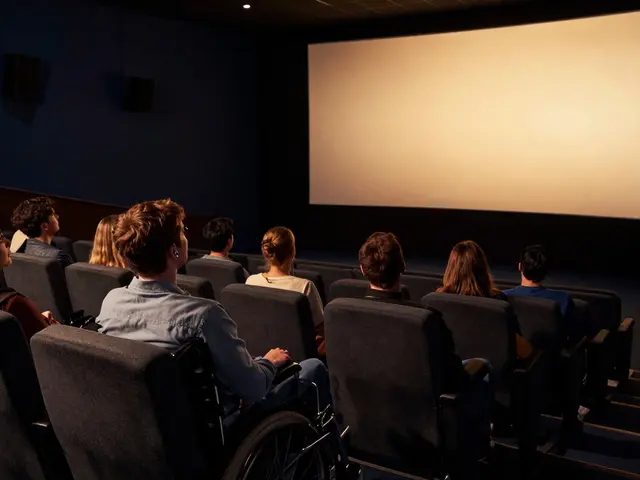
Here’s how it works: studios test reactions in a few cities. If the word-of-mouth is strong, they expand. That expansion isn’t just for revenue-it’s for visibility. More screens mean more reviews, more media coverage, and more voters seeing the film in a theater setting. Theaters become validation engines. A film that plays well in a packed NYC theater on a Tuesday night gets talked about. That talk becomes momentum. And momentum becomes awards traction.
That’s why studios now time theatrical expansions to align with key voting deadlines. For the Oscars, the final voting window closes in late February. So if a film opens in late December, it gets six weeks of theater exposure before ballots go out. That’s not an accident. It’s the core of modern awards integration.
PR Workflows That Mirror Box Office Rollouts
Modern PR workflows for awards campaigns now follow the same structure as theatrical distribution:
- Phase 1: Soft Launch - Limited screenings at festivals (Sundance, TIFF, Venice) with curated press access. No wide advertising. Just buzz.
- Phase 2: Strategic Expansion - Rollout to 10-20 major markets. PR teams coordinate with local critics, influencers, and radio stations. Screenings are followed by Q&As with directors and cast.
- Phase 3: National Push - Expansion to 500+ screens. Screeners go out to voting members. Media tours begin. Awards-specific ads launch (think: "The film that broke the mold").
- Phase 4: Final Surge - Last 10 days before voting closes. A flood of interviews, digital campaigns, and targeted events in LA and NYC. This is when the campaign turns into a cultural moment.
This isn’t theory. It’s what Oppenheimer did in 2023. The film opened in July, but its awards campaign didn’t peak until January. PR teams kept the film alive in theaters for six months, not because they needed the money, but because they needed voters to keep seeing it. They even partnered with IMAX theaters to host special Q&As every weekend-free to voters who showed proof of registration. That’s not marketing. That’s movement.
Why This Works Better Than Digital-Only Campaigns
Streaming platforms tried to replicate this with digital screenings and virtual Q&As. But awards voters still care about the theatrical experience. A vote isn’t just about the film-it’s about the feeling of being in a room with other people who are moved by it.
Studies from the Academy of Motion Picture Arts and Sciences show that voters who see a film in a theater are 47% more likely to nominate it than those who watch it at home. That’s not a small gap. It’s a decisive one.
That’s why the best campaigns don’t just push digital content-they create events. A screening at the Egyptian Theatre with a live orchestra. A panel at the Writers Guild with the director and cinematographer. A dinner for voters hosted by the lead actor. These aren’t perks. They’re strategic touchpoints designed to build emotional memory.
How Studios Coordinate PR and Distribution Teams
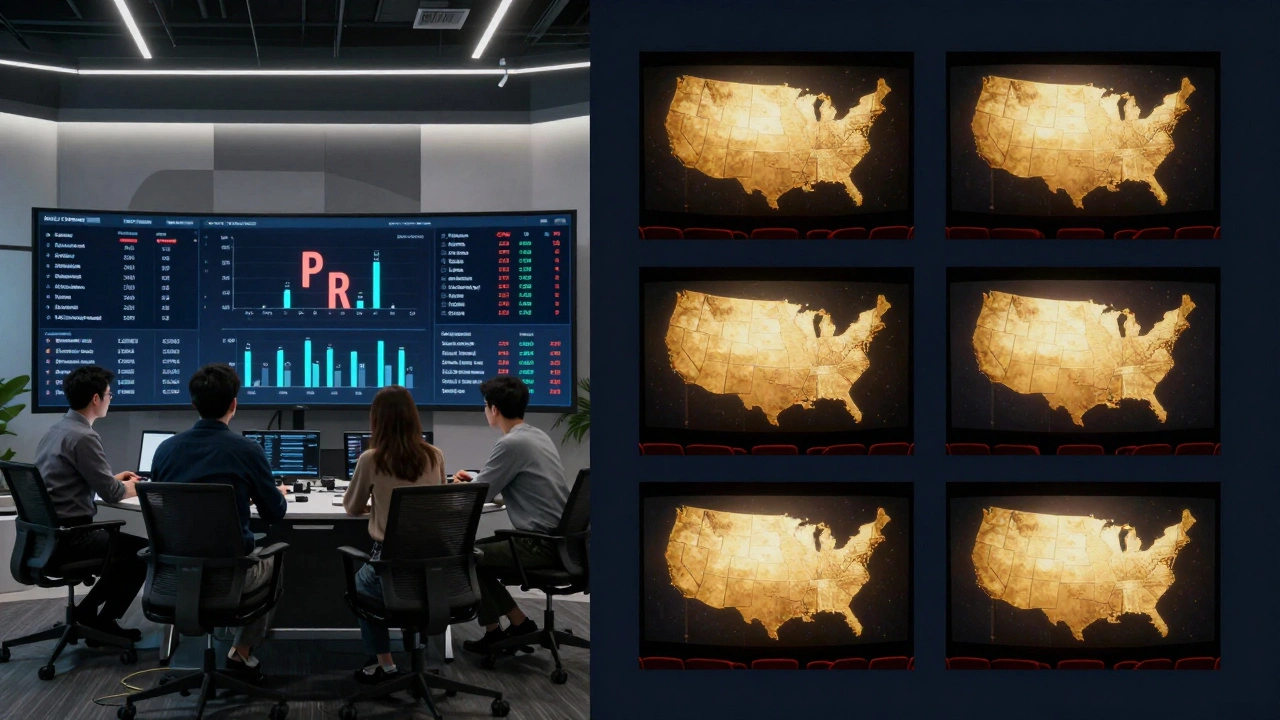
The biggest shift in the last five years? PR and distribution teams now share the same dashboard.
At companies like A24 and Neon, PR leads sit next to distribution managers. They use shared tools that track:
- Box office per market
- Press coverage volume
- Voter engagement rates
- Screening attendance
- Media sentiment (positive/negative/neutral)
If a city like Austin sees a 20% spike in ticket sales after a local critic gives a rave review, the PR team immediately books a follow-up interview with that critic. If a voter survey shows 60% of Academy members in the Northeast haven’t seen the film yet, the team books a pop-up screening at the Museum of Modern Art. No more silos. No more delays. Real-time alignment.
This level of integration is now standard for any film with awards ambitions. It’s not optional. It’s the baseline.
What Happens When PR and Distribution Don’t Align
Not every campaign works. And the ones that fail? They usually have one thing in common: misaligned timing.
Remember Amsterdam (2022)? The film opened wide on October 7. But the PR team didn’t start pushing awards messaging until mid-November. By then, voters had already seen their top contenders. The campaign felt late. The film didn’t get a single nomination.
Or The Last Voyage of the Demeter (2023). It opened in August with no festival buzz. No early screenings. No press tour. The studio hoped word-of-mouth would carry it. It didn’t. The film vanished from theaters by Labor Day. No awards. No conversation. Just a quiet exit.
These aren’t accidents. They’re failures of coordination. Awards campaigns don’t work in isolation. They need the momentum of a theatrical rollout to survive.
The New Rule: No Theatrical, No Awards
Here’s the hard truth: in 2026, if a film doesn’t have a theatrical release, it doesn’t get nominated. Not because the rules say so-but because the voters won’t see it.
The Academy’s rules still allow streaming-only films to qualify. But in practice? The voters are still theater people. They vote for films they’ve seen in a dark room, with an audience, with sound that shakes their chest.
Even Netflix, the biggest streaming giant, now releases its awards contenders in theaters first. Maestro (2023) opened in 200 theaters before hitting Netflix. The Crown spin-off films? Same thing. They know: no theater, no trophy.
What Comes Next
The future of awards campaigns isn’t bigger ads or more influencers. It’s deeper integration. Studios are now hiring former distribution executives to lead PR teams. PR agencies are opening offices in major film markets. And films are being greenlit with awards strategy baked in from day one.
That means for filmmakers: don’t think of PR as something you do after the film is done. Think of it as part of the script. Where will you screen it first? Who will you invite? What theaters will you choose? Those aren’t logistical questions-they’re narrative ones.
The best films don’t just tell stories. They create experiences. And the most powerful experiences happen in a theater-with strangers, with silence, with a shared gasp.
That’s why awards campaigns don’t just align with theatrical releases. They depend on them.
Do all films need a theatrical release to win awards?
Technically, no-the Academy allows streaming-only releases. But in practice, yes. Voters overwhelmingly prefer films they’ve seen in theaters. Data from the Academy’s 2025 voter survey shows that 83% of voters who nominated a film saw it in a theater first. Films that skip theaters rarely get nominated, even if they’re critically acclaimed.
How early should a PR campaign start for awards season?
The best campaigns start six to eight months before voting opens. That means if the Oscars are in March, the PR push begins in July or August. This allows time for festival buzz, critic screenings, and early media coverage to build momentum. Waiting until December leaves you behind.
Why do studios spend so much on awards campaigns?
Because awards drive long-term value. A film that wins Best Picture can earn $50-$100 million in additional revenue from streaming, international sales, and home video. Campaigns cost $5-$15 million, but the return is often 10x that. It’s not charity-it’s investment.
Can indie films compete with studio-backed campaigns?
Yes-but they need to be smarter. Studios have budgets. Indies have agility. Films like Parasite and Minari won because they focused on targeted screenings, authentic storytelling, and emotional connections with voters. They didn’t need 100 ads. They needed 10 powerful moments.
What’s the biggest mistake in awards PR?
Trying to force buzz. The most successful campaigns feel organic. Voters can tell when a film is being pushed too hard. The best strategy is to create real moments-screenings with the director, intimate Q&As, press that feels personal-not paid. Authenticity beats advertising every time.





Comments(6)