How Animated Films Earn Their Place at the Awards Table
Animated films don’t just entertain-they compete. Every year, studios spend millions crafting stories that move audiences, push technical boundaries, and challenge what animation can do. But getting noticed by the Academy isn’t about flashy visuals alone. It’s about storytelling that sticks, emotional depth that lingers, and a quiet kind of brilliance that makes voters pause and say, ‘I didn’t realize this was animation.’
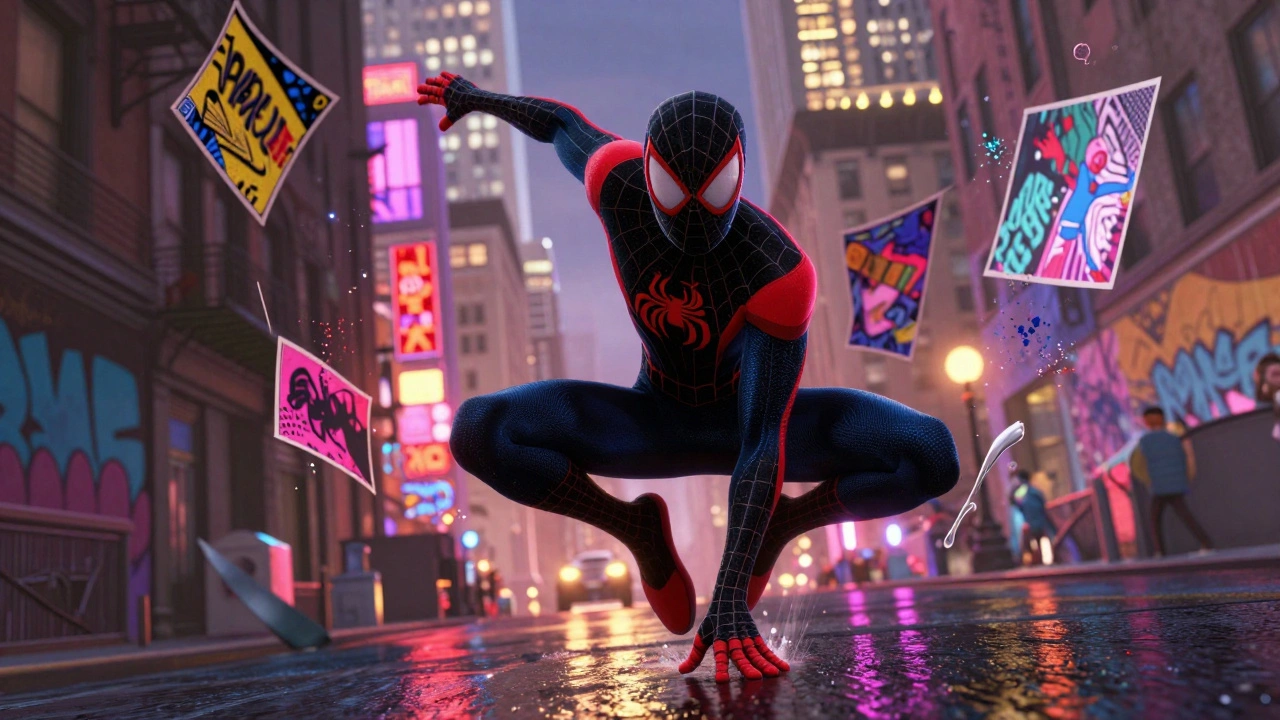
Think about Spider-Man: Into the Spider-Verse. It won the Oscar for Best Animated Feature in 2019 not just because it looked like nothing before-it did. But because it told a coming-of-age story about a kid learning to believe in himself, wrapped in a kaleidoscope of comic book styles. That’s what wins. Not the tech. Not the budget. The heart.
The Rules That Shape the Race
The Academy has strict rules for what qualifies as an animated feature. To be eligible, a film must be at least 70 minutes long, have animation in at least 75% of its running time, and have no fewer than five key creative roles filled by animators. That last part matters. A film with 80% animation but a live-action director and writer might not make the cut.
There’s also the release window. Films must have a qualifying theatrical run in Los Angeles County for at least seven consecutive days, with at least three screenings per day. No streaming-only releases. No digital premieres. That’s why studios like Disney and Netflix spend millions on limited theater runs every December-just to qualify.
And here’s the twist: the Best Animated Feature category has only existed since 2001. Before that, animated films were invisible at the Oscars. Even classics like The Lion King or Beauty and the Beast got no recognition in the top categories. Animation wasn’t seen as serious cinema. That changed when Shrek won the first award-and proved audiences and voters alike were ready for something different.
What Gets Noticed-And What Gets Overlooked
Not all animated films are treated equally. Big studio releases from Disney, Pixar, and DreamWorks dominate the nominations. Why? Because they have marketing muscle, awards campaigns, and decades of institutional trust. But independent films often get left out-even when they’re better.
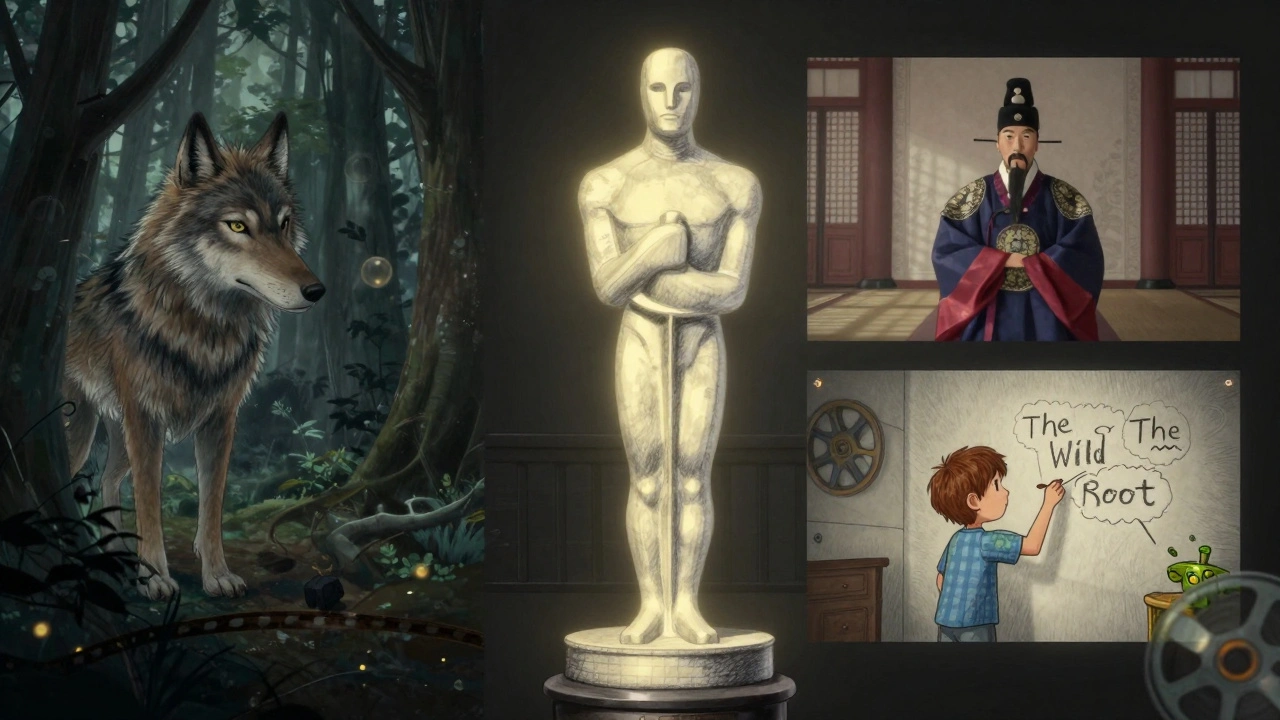
Take Wolfwalkers (2020). Hand-drawn, deeply Irish, emotionally raw. It was nominated for an Oscar but lost to Over the Moon, a Netflix film with a bigger budget and louder promotional push. Or The Breadwinner (2017), a powerful story about a girl in Taliban-controlled Afghanistan. It was nominated, but no one talked about it outside film circles. It didn’t have a viral TikTok campaign. No celebrity voice cast. Just quiet, devastating storytelling.
There’s a pattern: the Academy rewards films that feel like they could be live-action. Emotional, character-driven, with universal themes. Films that feel too experimental, too abstract, or too culturally specific often get passed over. That’s why The Triplets of Belleville (2003) never got a nomination, even though it was nominated for a Golden Globe. It didn’t fit the mold.
The Rise of the International Contender
More than ever, animated films from outside the U.S. are making waves. Japan’s Studio Ghibli has long been a quiet powerhouse, but now it’s joined by studios in France, South Korea, and Canada.
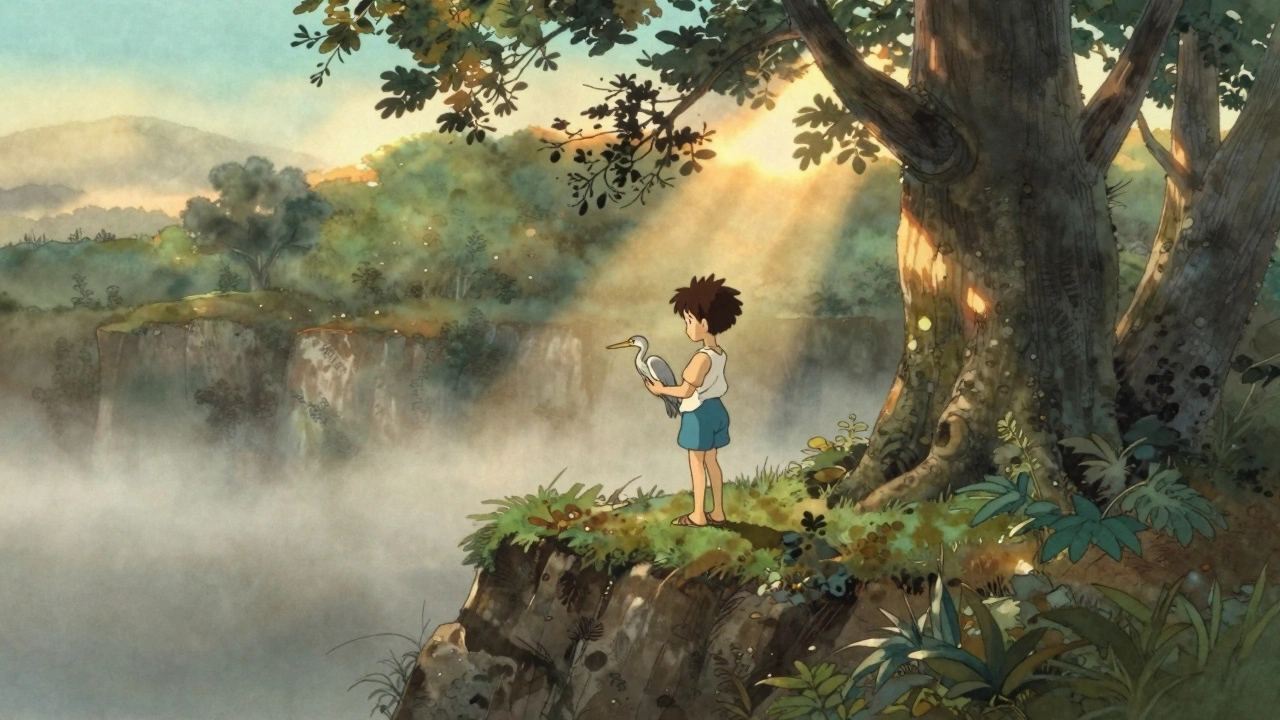
The Boy and the Heron (2023), Hayao Miyazaki’s latest, won the Oscar after a campaign that felt more like a cultural event than a marketing push. It wasn’t flashy. No celebrity interviews. No merch. Just the film-and the quiet reverence it inspired. It beat out big-budget American contenders because it felt timeless. Like it had always existed.
South Korea’s Pyongyang: The Last Days of the King (2024) made history as the first animated film from the country to be nominated. It wasn’t a fantasy epic. It was a political drama told through the eyes of a young royal. It didn’t have talking animals or musical numbers. But it had truth. And voters noticed.
These films remind us: animation isn’t just for kids. It’s a medium for complex ideas, political commentary, and raw human emotion. The more diverse the stories, the richer the category becomes.
The Campaign Machine Behind the Scenes
Behind every Oscar nomination is a team working overtime. Studios hire former Academy members as consultants. They screen films for voters in exclusive theaters. They send out physical DVDs with handwritten notes from directors. They host Q&As with animators who spent five years on one sequence.
Disney and Pixar are masters of this. Their campaigns feel like love letters to animation. They show the art, the sketches, the late nights. They make voters feel like they’re part of something special. Netflix and Amazon are catching up. They’ve started hiring Oscar-winning publicists. They’re building their own archive of behind-the-scenes footage. But they still struggle with the emotional connection. Their films feel efficient. Not sacred.
Independent studios don’t have that kind of budget. So they rely on film festivals. Sundance, Annecy, and Toronto become their battlegrounds. A win at Annecy can change everything. My Life as a Zucchini (2016) didn’t have a marketing team. But it won at Annecy. Then it got nominated for an Oscar. And suddenly, everyone wanted to see it.
Why the Category Still Feels Like a Second-Class Citizen
Even when animated films win, they’re often treated like afterthoughts. The Best Animated Feature award is handed out early in the ceremony-before the major categories. It’s rarely shown live on TV. The winner’s speech is cut short. The audience doesn’t stand. It’s a quiet moment, almost like an apology.
Compare that to live-action films. When Parasite won Best Picture, the whole world stopped. When Everything Everywhere All at Once swept the Oscars, it was a cultural moment. Animated films rarely get that. Even Spider-Verse-which broke the mold-wasn’t nominated for Best Picture. The Academy still sees animation as a genre, not a form.
There’s a stubborn bias. Some voters still think animation is for children. That it’s not ‘real’ filmmaking. That’s changing, slowly. But the system still favors films that feel safe, familiar, and marketable. It’s hard for something truly strange or personal to break through.
What’s Next for Animated Films
The future isn’t just about bigger budgets or more tech. It’s about more voices. More cultures. More stories that don’t fit the Disney formula.
AI tools are making animation cheaper and faster. That’s good for indie filmmakers. But it’s also flooding the market. Studios are churning out content. Quality is harder to find. The real challenge now isn’t making animation-it’s making animation that matters.
Look at The Wild Robot (2024). It didn’t have a massive campaign. It didn’t have a pop star singing in the credits. But it told a quiet story about belonging, loss, and what it means to be alive. It didn’t need fireworks. It just needed truth. And audiences responded.
The next Oscar winner might not come from Pixar. It might come from a small studio in Poland, or a first-time director in Mexico, or a collective of animators in Nigeria. The tools are there. The stories are waiting. The only thing left is for the Academy to stop looking for the same kind of film-and start looking for the ones they haven’t seen before.
Why This Matters Beyond the Awards
Animation isn’t just entertainment. It’s a mirror. It reflects our fears, our hopes, our dreams in ways live-action can’t always reach. When a child watches Inside Out and finally understands why they feel sad, that’s power. When a refugee watches Waltz with Bashir and sees their trauma reflected in animated memory, that’s healing.
Every time an animated film wins an award, it tells the world: stories told with pencil and pixels matter. They’re not lesser. They’re not just for kids. They’re cinema.
And maybe, just maybe, the next time the award is handed out, the whole room will stand up.
Why do animated films need a theatrical release to qualify for the Oscars?
The Academy requires a theatrical release to ensure that animated films are treated as serious cinematic works, not just streaming content. The rule forces studios to invest in real-world screenings, which helps build cultural momentum and allows voters to experience the film in a theater setting-with sound, visuals, and audience reaction as intended. This also prevents films from being buried on platforms without visibility.
Can a film with live-action elements still win Best Animated Feature?
Yes, as long as animation makes up at least 75% of the film’s total running time. Films like Spider-Man: Into the Spider-Verse and The Mitchells vs. The Machines use live-action-style effects and motion capture, but the core animation is hand-crafted and dominant. The rule focuses on the creative process, not just the final look.
Why don’t animated films get nominated for Best Picture?
The Academy hasn’t formally excluded animated films from Best Picture, but they’re rarely submitted in that category. Studios assume they won’t be taken seriously, and voters often don’t consider them. But there’s no rule against it. Up was nominated for Best Picture in 2009-making it the first animated film to do so in decades. It’s possible, but it requires a cultural moment and a campaign willing to fight for it.
Do independent animated films have a real shot at winning?
Yes, but it’s harder. Independent films often lack the budget for Oscar campaigns, which means they rely on festival buzz and critical acclaim. Films like My Life as a Zucchini and The Breadwinner made it to nominations without studio backing. Winning requires more than talent-it needs visibility. But the Academy has nominated more indie films in recent years, signaling a shift.
What’s the difference between the Oscars and the Annie Awards for animation?
The Oscars are voted on by the entire Academy of Motion Picture Arts and Sciences, which includes directors, actors, and producers from all genres. The Annie Awards are voted on by members of ASIFA-Hollywood, an organization made up almost entirely of animation professionals. That means the Annies often recognize technical innovation, artistic style, and experimental work that the Oscars overlook. Many consider the Annies the true industry award for animation.




Comments(8)