
Box office flops often stem from a fundamental disconnect between who the critics are and who actually spends money on a Friday night. Critics look for innovation, thematic depth, and technical mastery. The general public, however, often looks for escapism, familiarity, and a reason to leave the house. When a movie satisfies the first group but ignores the second, you get a "critical darling" that can't fill a theater.
The Danger of the "Prestige" Label
When a film is marketed as "important" or "elevated," it can actually scare away the average moviegoer. Imagine you're tired after a long work week. Do you want to spend $20 to see a film that feels like a homework assignment? Probably not. Prestige Cinema is a category of films designed to win awards and earn critical respect, often focusing on complex social issues or avant-garde storytelling . While these films are artistically rich, they often lack the "hook" that drives mass consumption.
Take a look at the "awards season" pipeline. Many films released in November and December are engineered for the Academy Awards, also known as The Oscars. These movies often prioritize slow pacing and psychological depth over plot momentum. For a critic, a slow burn is a sign of maturity. For a teenager in a mall cinema, it's a sign that the movie is boring. This creates a scenario where the film is praised for the very things that make it unmarketable to the masses.
Marketing Mismatches and the "Identity Crisis"
Sometimes the movie is great, and the audience is there, but the marketing team completely misses the mark. This is the "Identity Crisis" flop. It happens when a studio doesn't know how to sell a unique concept, so they try to make it look like something it isn't. If a studio markets a quirky, indie-style dramedy as a high-octane action flick, the action fans will feel cheated, and the indie fans will never buy a ticket because the trailer looked too "corporate."
Consider how Genre Blending works. When a film mixes horror with satire or a western with sci-fi, it can confuse the algorithm and the audience. Most people search for movies based on genres they already like. If a film refuses to fit into a neat box, it's harder to target via social media ads. We see this often with mid-budget films-the ones that aren't quite "blockbusters" but aren't small enough to be "hidden gems." They fall into a dead zone where the marketing budget isn't high enough to force a trend, but the concept is too weird to grow organically.
| Feature | Critical Priority (The "A") | Commercial Priority (The "B") |
|---|---|---|
| Narrative | Subversion of tropes | Satisfying payoffs |
| Pacing | Atmospheric, slow build | Fast, high-stakes momentum |
| Theme | Abstract, philosophical | Relatable, emotional |
| Cast | Performance depth/range | Star power/Brand recognition |
The Burden of the "Mid-Budget" Movie
The industry has moved toward a "barbell' economy. On one end, you have the massive Tentpole Films, which are high-budget movies intended to support the financial stability of a studio, usually based on existing IP. On the other end, you have tiny, low-budget indie projects. The middle-the $30 to $70 million movie-is nearly extinct.
Why does this matter for critical flops? Because mid-budget movies are where most of the "great" cinema lives. They have enough money to look professional but enough freedom to take risks. However, they lack the built-in audience of a Franchise like the Marvel Cinematic Universe or Star Wars. When a mid-budget movie relies solely on critical acclaim to drive ticket sales, it's fighting an uphill battle. In the 1990s, a glowing review in the New York Times could sustain a movie for months. In 2026, a review is just one of a million data points on a screen, easily drowned out by a viral TikTok trend or a celebrity scandal.

The "Saturated Market" and Decision Fatigue
We are living in an era of peak content. Between Netflix, Disney+, and Max, the cost of "going to the movies" has increased relative to the cost of staying home. For a movie to succeed commercially today, it has to offer an experience that cannot be replicated on a 65-inch OLED TV at home. This is why IMAX and 4DX are so critical now.
A critically acclaimed drama might be a 10/10 experience, but if it's a "quiet" movie, there is no incentive to pay for a theater ticket. People will simply wait for it to hit streaming. This creates a phenomenon where films aren't "flopping" in terms of viewership, but they are flopping at the Box Office, which is the traditional measure of commercial success. The "flop" label is often a failure of the theatrical business model, not the movie itself.
The Role of Audience Demographics
The people who write the reviews and the people who buy the tickets often belong to different demographic clusters. Critics are generally older, more educated in film history, and more likely to live in urban centers. The primary drivers of the box office-Gen Z and Millennials-often prioritize "social currency." They want to see the movie that everyone is talking about so they can participate in the conversation.
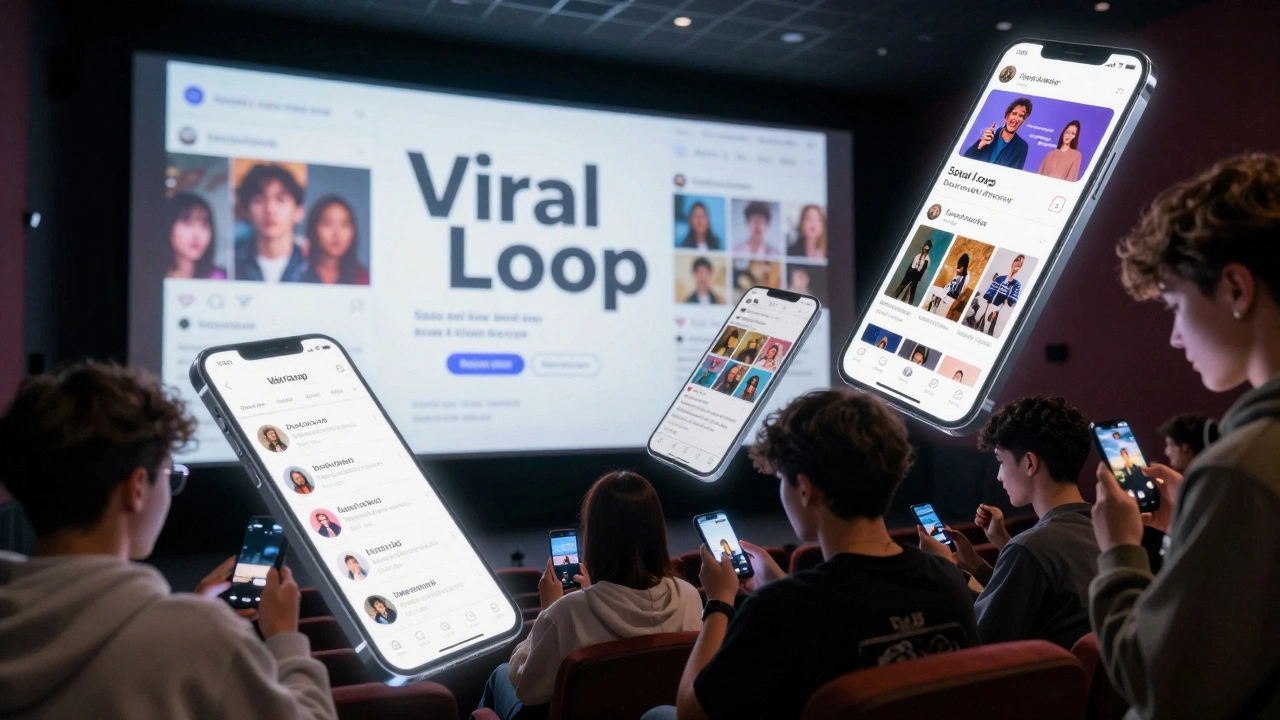
If a movie is "critically acclaimed" but doesn't generate memes, fan theories, or a "must-see" social event vibe, it fails to capture the youth market. You can have a movie that is technically perfect, but if it doesn't trigger a Viral Loop, it stays in the shadows. The "Rotten Tomatoes effect" has also led to a weird paradox: audiences sometimes distrust a 100% score, viewing it as "pretentious," and prefer a movie with a 60% score that is described as "fun" or "guilty pleasure."
How to Spot a Potential Critical-Hit/Commercial-Flop
If you're looking at a trailer and wondering if it's going to be one of those "ignored masterpieces," look for these red flags:
- The trailer focuses on "mood" and "atmosphere" rather than plot or conflict.
- The lead actor is a "serious" performer who hasn't done a commercial hit in five years.
- The plot summary uses words like "meditation," "exploration," or "study."
- There is no clear "hook" or high-concept premise (e.g., it's not "a man trapped in a room," it's "a man reflecting on his life").
None of these things make a movie bad-in fact, they often make it great. But they are the exact traits that make a film a risky bet for a studio and a "maybe later' for a casual viewer.
Does a movie have to be bad to flop at the box office?
Absolutely not. Many of the greatest films in history were box office failures upon release. A "flop" is simply a financial term meaning the movie didn't make back its production and marketing costs. Quality and profitability are two entirely different metrics.
Why do critics and audiences often disagree?
Critics typically evaluate a film based on its contribution to the art form, technical execution, and originality. Audiences generally evaluate a film based on emotional satisfaction, entertainment value, and how well it meets the expectations set by the marketing.
Can a movie recover from a box office flop?
Yes, through "cult status" or strong performance on digital platforms. Many films that failed in theaters became hits on DVD or streaming, eventually earning their money back and gaining a legacy that transcends their opening weekend numbers.
Does high critical praise actually hurt a movie?
In some cases, yes. Excessive critical praise can create a "pretentious" image, making casual viewers feel like the movie is too "intellectual" or "slow" for them, which can inadvertently alienate the mass market.
What is the "Rotten Tomatoes" effect?
It is the tendency for audiences to rely on a single percentage score rather than reading detailed reviews. This simplifies a complex piece of art into a binary "fresh" or "rotten" label, which can lead to skewed expectations.
Next Steps for Film Lovers
If you want to support the kind of movies that often flop despite being great, consider seeking out "sleeper hits" and independent cinemas. These smaller venues often program the critically acclaimed films that the big multiplexes drop after one weekend. Supporting these films ensures that directors continue to take risks rather than just churning out safe, franchise-driven content.
For those interested in the business side, keep an eye on "platform releases." This is when a movie starts in just two or three theaters in New York and LA to build critical buzz before expanding nationwide. If you see a movie with rave reviews that stays in limited release for weeks, it's likely a prestige project designed for critics, not a blockbuster designed for the masses.





Comments(9)