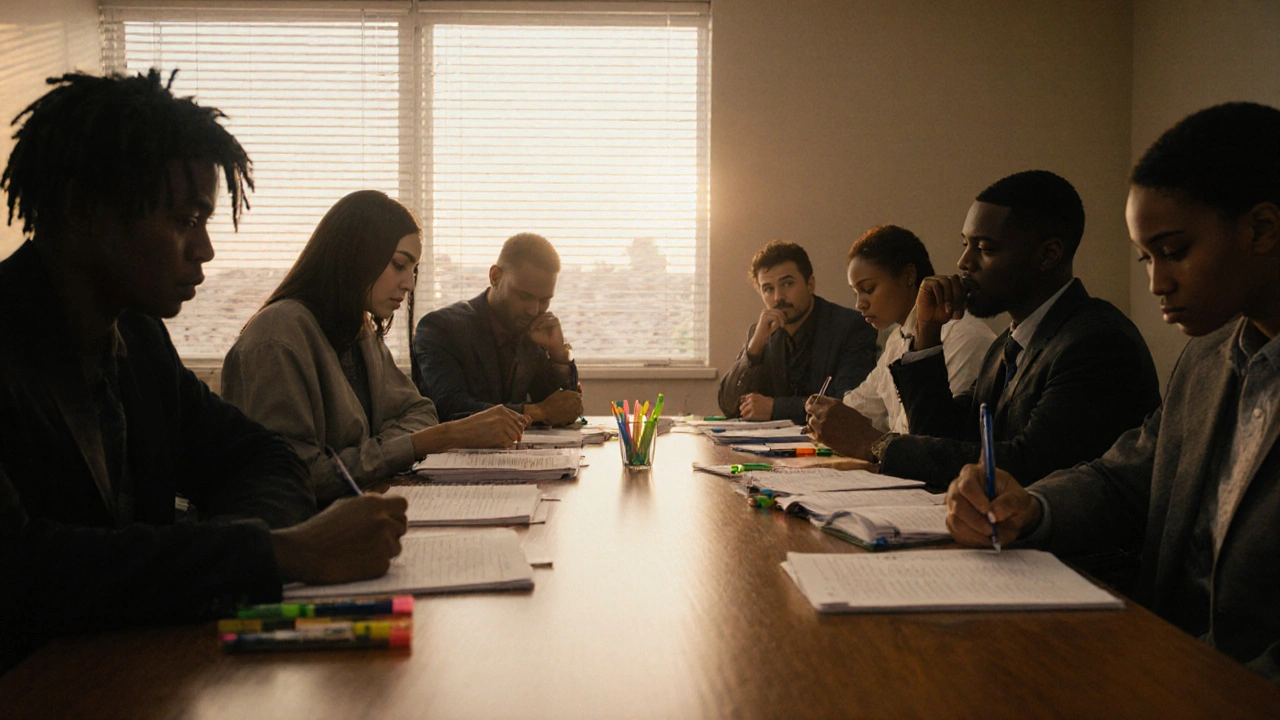
Most actors don’t realize how much of their performance is built before the camera even rolls. The real work happens in quiet rooms with scripts spread across tables, or on cold sets with directors calling out lines between takes. Two methods dominate professional film rehearsal: table reads and on-feet film work. They’re not optional extras-they’re the foundation of believable acting on screen.
What Is a Table Read, and Why Does It Matter?
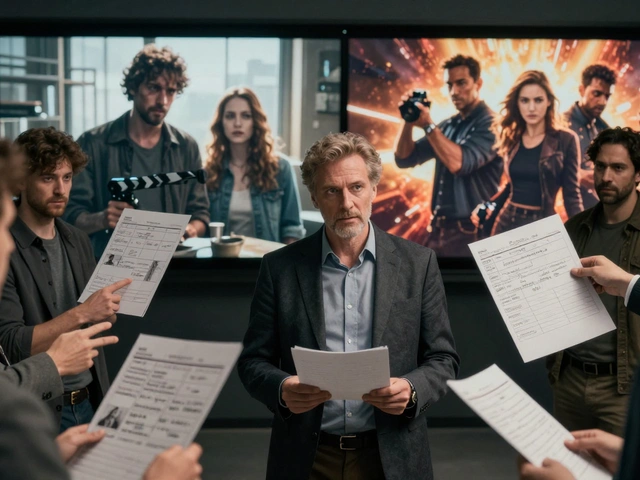
A table read is the first time the full cast and key crew sit together with the script in hand. It’s not a performance. It’s not a dress rehearsal. It’s a listening exercise. Everyone reads aloud, often with scripts in hand, sometimes with minimal blocking. The director listens. The cinematographer listens. The actors listen-to each other, to the rhythm, to the silence between lines.
At the table, you hear how a line lands-or doesn’t. You notice when a character’s motivation doesn’t match their words. You catch awkward phrasing that sounds fine on paper but trips the tongue in real time. In 2023, a study by the Actors Guild of America found that 89% of actors who participated in full table reads reported feeling more confident in their character’s arc by the first day of shooting.
It’s also where relationships start. When the lead actor laughs at the wrong moment during a dramatic scene, the room feels it. When the supporting actor hesitates on a key line, the director takes note. The table read isn’t about perfection-it’s about alignment. It’s where the script becomes a living thing, shaped by voices, pauses, and shared understanding.
How to Prepare for a Table Read
Don’t show up with just your lines circled. Show up ready to listen.
- Read the entire script at least twice before the table. Not just your scenes-every scene. You need to know what everyone else is doing.
- Mark your character’s emotional shifts. What do they want in each scene? What are they hiding?
- Bring a notebook. Write down questions, not just notes. If a line feels off, write why. You might be the first to notice a plot hole.
- Don’t rehearse your delivery. Don’t try to be funny or dramatic. Just speak the words clearly. The truth will come out if you let it.
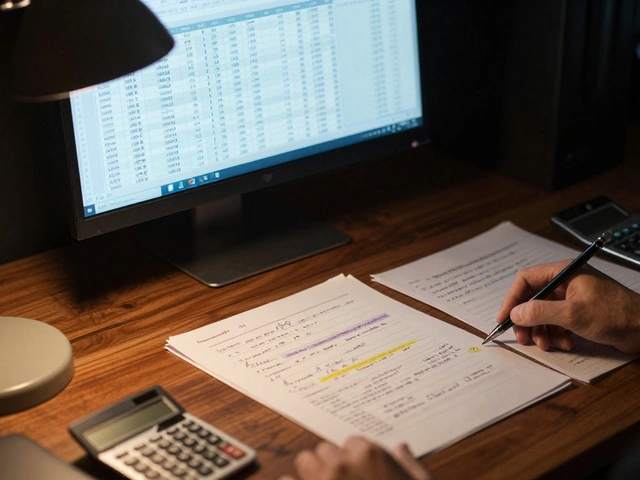
One actor I worked with, a veteran of 12 indie films, always brings a highlighter and a red pen. He highlights emotional beats in yellow and writes corrections in red. He doesn’t change the script-he flags what feels untrue. That habit earned him a rewrite on his last film because the writer didn’t realize how off the dialogue sounded until the table read.
On-Feet Film Work: When the Script Leaves the Table
After the table read, the real physical work begins: on-feet film work. This is when actors move through scenes with blocking, costumes, props, and cameras rolling. It’s messy. It’s loud. It’s unpredictable. And it’s where most actors finally discover who their character really is.
On-feet work isn’t about memorizing marks or hitting cues. It’s about reacting in real time. You’re not performing for an audience-you’re living inside a moment. The director might stop you mid-scene because your shoulder moved the wrong way. The camera operator might ask you to step left because the lens caught a reflection. The prop person might hand you the wrong coffee cup. All of it becomes part of the performance.
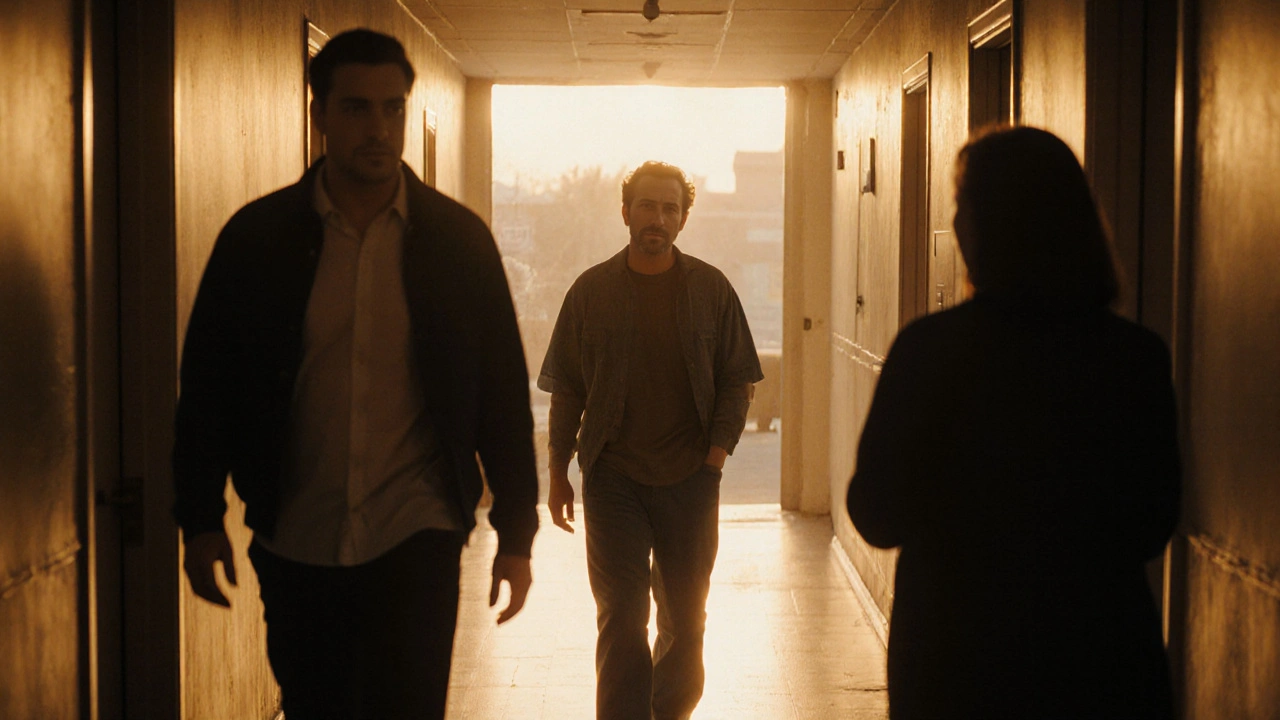
Take the 2024 film Still Water. The lead actor, a first-time lead, spent three days just walking the same hallway with his co-star, saying the same three lines over and over. No camera. Just movement. By day four, the tension between the characters wasn’t in the words-it was in the way they stopped breathing when the other turned away. That subtlety came from on-feet repetition, not rehearsal.
Why On-Feet Work Can’t Be Rushed
On-feet rehearsals are often cut short to save time and money. That’s a mistake. You can’t fake presence. You can’t fake chemistry. You can’t fake the way a character’s hand trembles when they reach for a glass-unless you’ve done it ten times, and each time, you noticed something new.
Good directors know this. They’ll block a scene slowly. They’ll ask you to repeat it with your eyes closed. They’ll have you walk the scene backward. Why? Because when you remove the usual cues-eye contact, timing, speech-you start listening with your body. That’s when the character breathes.
One director I worked with, known for minimalist films, made his entire cast sit in silence for 15 minutes before every on-feet rehearsal. No talking. No phones. Just breathing. He said, "You don’t act a scene. You enter it. And you only enter when you’re quiet enough to hear it."
The Connection Between Table Reads and On-Feet Work
Table reads and on-feet work aren’t separate stages-they’re two sides of the same coin. The table read gives you the map. On-feet work is the journey.
Think of it this way: during a table read, you learn what your character says. On-feet, you learn what they don’t say. The pause after a line. The way they look away when they lie. The way their voice cracks when they think no one’s listening.
Actors who skip the table read often struggle on set. They know their lines, but they don’t know the world around them. They react to cues, not to truth. They perform instead of exist.
On the flip side, actors who rush through on-feet work sound robotic. They’ve memorized movement but not emotion. They hit their marks but miss the heartbeat.
The best performances happen when both methods are respected. The table read builds the foundation. On-feet work builds the structure. Together, they create something real.
Common Mistakes Actors Make
Even seasoned actors fall into traps. Here are the ones I’ve seen most often:
- **Treating the table read like a performance.** You’re not auditioning. You’re listening. Don’t try to be funny, sad, or intense. Just read.
- **Ignoring other actors’ lines.** Your scene partner’s silence is as important as your words. If you don’t hear them, you won’t react to them.
- **Over-rehearsing on set.** If you run the scene 20 times before the camera rolls, you’ll lose spontaneity. Do enough to feel it. Then let it breathe.
- **Waiting for direction.** Don’t wait for the director to tell you what to do. Ask questions. Suggest ideas. You’re not a puppet-you’re a collaborator.
- **Assuming the script is final.** Scripts change. Lines get cut. Scenes get reshuffled. Stay flexible. Your job isn’t to protect the script-it’s to protect the truth of the character.
What Works for Film vs. Theater
Table reads and on-feet work exist in theater too-but they’re different. In theater, you rehearse for weeks. You build the character over time. In film, you have days, sometimes hours. You need to find the character fast.
On stage, repetition builds stamina. On screen, repetition builds nuance. In theater, you might run a scene 50 times to perfect timing. In film, you run it five times to find the one moment that feels alive.
That’s why film actors need to be more sensitive to small changes. A flicker of the eye. A half-second delay. A breath held too long. These are the details that make film acting unforgettable. And they only emerge when you’ve done the work-both at the table and on your feet.
Final Tip: Be the First to Show Up, Last to Leave
The best actors aren’t the loudest. They’re the ones who arrive early. Who stay late. Who ask, "Can we do that again?" when no one else is watching.
Rehearsal isn’t about proving you’re ready. It’s about becoming ready. It’s about showing up, day after day, until the character doesn’t feel like a role anymore. It feels like a person.
That’s the goal. Not to act. To be.
Are table reads only for big-budget films?
No. Table reads happen on every professional film set, regardless of budget. Even micro-budget indie films with $10,000 budgets hold table reads. It’s a standard part of production because it saves time and money later. Skipping it leads to confusion, wasted takes, and inconsistent performances.
Can I skip on-feet rehearsals if I’m confident in my lines?
Confidence in lines doesn’t equal confidence in performance. On-feet work is about physical truth-not memorization. You might know every word, but do you know how your character moves when they’re scared? Do you know how they react when someone touches them? Those details are discovered through movement, not repetition.
How many times should I run a scene on set?
There’s no magic number. Some scenes need five takes. Others need 20. The goal isn’t to hit a number-it’s to find the moment that feels real. If the director asks for another take, it’s not because you messed up. It’s because they’re still looking for the truth.
What if the director doesn’t allow rehearsals?
That’s rare on professional sets, but it happens on low-budget or fast-paced shoots. If that’s the case, use the moments before the camera rolls. Walk through your blocking. Take three deep breaths. Look at your scene partner. Say your line silently in your head. Even 30 seconds of quiet preparation can ground you.
Do I need to memorize everything before the table read?
No. You don’t need to memorize anything. You need to understand your character’s intentions. Read the script. Know what your character wants in each scene. Bring your script with notes. The table read is where you start to learn-not where you’re tested.




Comments(6)