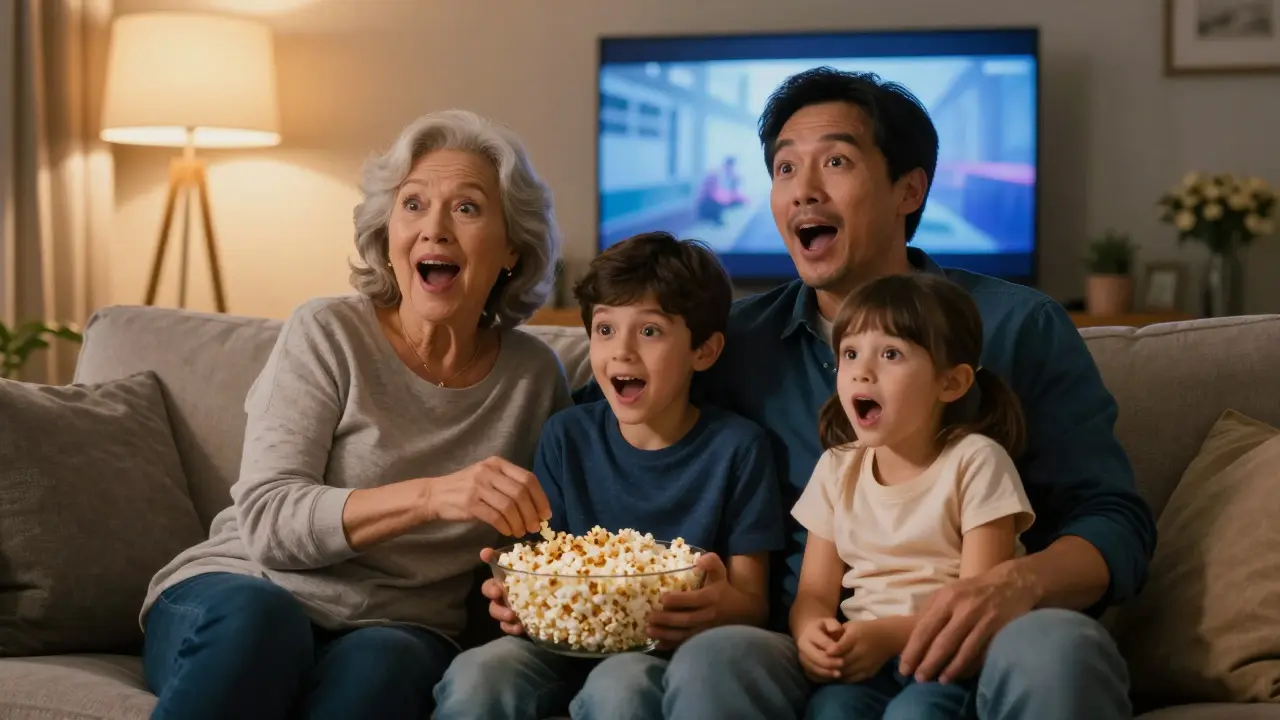
There is a specific kind of magic that happens when a grandparent watches Family Adventure Films is a genre of cinema designed to entertain multiple age groups simultaneously through themes of exploration, discovery, and moral growth. with their grandchildren. It isn't just about the plot; it’s about the shared heartbeat of excitement, fear, and triumph. In an era where screens often isolate us into individual bubbles, these movies remain one of the few cultural artifacts that still pull three generations into the same emotional space. Why does this work? And how do filmmakers craft stories that don’t feel like a lecture to the kids or a snooze-fest for the adults?
The answer lies in the concept of Cross-Generational Appeal is the ability of media content to engage audiences of different ages by balancing complex narrative layers with accessible visual storytelling.. It requires a delicate balance. The story must be simple enough for a seven-year-old to follow but layered enough for a forty-year-old to find meaning in. When done right, the film becomes a bridge rather than a barrier.
The Architecture of Shared Excitement
To understand why these films stick, we have to look at how they are built. A successful family adventure isn't just a cartoon with talking animals or a live-action quest. It relies on what psychologists call "shared attention." When a group watches a movie together, their brain waves actually synchronize. This phenomenon creates a stronger bond between viewers than if they watched separately. But for this to happen, the pacing needs to be precise.
Consider the structure of a classic journey. Most family adventures follow a hero's arc: a normal world, a call to adventure, trials, and a return with wisdom. However, modern films tweak this to include ensemble casts. Instead of one child saving the day, you might see a grandmother using her life experience to solve a puzzle while the grandson uses his tech-savviness. This mirrors real-life family dynamics. It validates the older generation's knowledge while celebrating the younger generation's energy. This dual validation is key. If the kids feel smart, they stay engaged. If the adults feel respected, they stay patient.
Nostalgia as a Narrative Tool
Nostalgia is a powerful drug, and filmmakers know it. For parents and grandparents, family adventure films often serve as a gateway to their own childhoods. Think about the visual cues. Bright colors, clear moral lines, and high-stakes chases trigger memories of Saturday morning cartoons or summer blockbusters from the 80s and 90s. This isn't accidental. Studios deliberately design soundtracks and visual palettes that evoke warmth and safety.
However, there is a risk here. If the nostalgia is too heavy, it can feel like a time capsule rather than a fresh story. The best films use nostalgia as a flavoring, not the main ingredient. They reference old tropes but subvert them. For example, the "damsel in distress" trope has evolved. Today, the character needing rescue might be the wise elder, or the rescue might come from teamwork rather than a single savior. This keeps the story feeling current for young viewers while nodding to the classics for older ones.
Visual Storytelling vs. Dialogue Density
One of the biggest pitfalls in family filmmaking is dialogue density. Adults love witty banter and philosophical monologues. Children prefer action and visual clarity. How do you reconcile these two needs? The solution is visual storytelling. Show, don't tell. A scene where a character is afraid doesn't need ten lines of dialogue explaining their fear. A trembling hand, a wide-eyed stare, and a low camera angle convey the emotion instantly. This works across all languages and all ages.
Furthermore, humor plays a crucial role in bridging the gap. Good family films use multi-layered jokes. There is the slapstick comedy that makes the six-year-old laugh out loud. Then, there is the subtle irony or wordplay that makes the parent smirk. This layering ensures that no one feels bored. If the humor is only for kids, adults get annoyed. If it's only for adults, kids get confused. The sweet spot is where both layers coexist seamlessly.
Real-World Examples of Success
Let's look at some concrete examples. Films like Moana or The Incredibles succeeded because they treated children as intelligent beings capable of understanding complex emotions, while giving adults relatable family dynamics. In Moana, the theme of identity and heritage resonated deeply with adults dealing with their own cultural roots, while the oceanic adventure kept kids hooked. Similarly, The Incredibles used superhero action to discuss marriage, parenting, and midlife crises. The car chase scenes were pure adrenaline for everyone, but the kitchen arguments felt painfully real for the grown-ups.
Another standout is the live-action adaptation of Jurassic World. While marketed heavily to kids, it contained enough tension and scientific plausibility to satisfy adult fans of the original series. The dinosaurs provided the spectacle, but the human drama provided the stakes. This combination is a recipe for box office success because it maximizes the ticket-selling potential across demographics.
How to Choose the Right Film for Your Group
If you are planning a family movie night, how do you pick the right title? Here is a practical checklist to ensure maximum engagement:
- Check the Pacing: Look for trailers that show frequent shifts in location or action. Static scenes tend to lose young attention spans quickly.
- Assess the Humor Style: Watch a short clip. If the jokes rely heavily on sarcasm or pop-culture references, kids might miss the point. If it's purely physical comedy, adults might find it shallow.
- Look for Relatable Themes: Does the story deal with friendship, courage, or family bonds? These universal themes transcend age barriers.
- Consider the Runtime: For younger children, films under two hours are safer bets. Longer films require more sustained attention, which can be challenging for pre-teens.
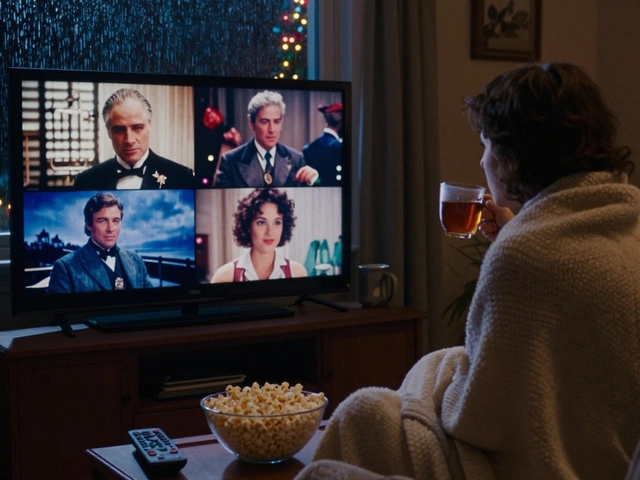
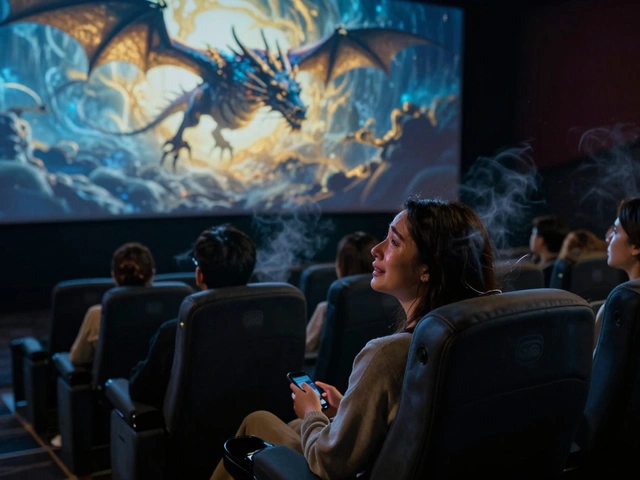
Also, consider the viewing environment. A dark theater provides immersion, but home viewing allows for pauses and discussions. Sometimes, stopping the movie to ask, "What do you think will happen next?" turns passive watching into active engagement. This interaction is often more valuable than the film itself.
The Role of Technology in Modern Viewing
Technology has changed how families consume media. Streaming services allow for instant access, but they also fragment attention. Notifications, second screens, and multitasking can dilute the shared experience. To maintain cross-generational appeal, it helps to create "tech-free zones" during movie nights. Putting phones away signals that the time is dedicated to the group. This small ritual reinforces the idea that the film is a communal event, not just background noise.
Additionally, interactive features in some streaming platforms allow viewers to choose endings or explore side stories. While fun for kids, these can disrupt the narrative flow for adults. It’s worth discussing with your group whether you want a linear story or an exploratory one. A linear story usually offers a tighter emotional payoff, which is often what strengthens family bonds after the credits roll.
Building Lasting Memories Through Cinema
Ultimately, the goal of watching family adventure films isn't just entertainment. It's memory-making. Years later, people rarely remember the specific plot points of a movie. They remember the feeling. They remember the popcorn, the laughter, and the hug after the scary part. By choosing films that balance accessibility with depth, you aren't just picking a movie; you're curating a shared experience. You are creating a common language that your family can reference for years to come. So next time you hit play, look around the room. Notice who is leaning forward, who is laughing, and who is quietly moved. That reaction is the true measure of a film's cross-generational power.
What makes a film suitable for multiple age groups?
A film is suitable for multiple age groups if it balances visual storytelling with layered dialogue. It should have simple core themes like courage or friendship, but include subtle humor or complex character motivations that appeal to adults. The pacing must be engaging enough to hold a child's attention without being so fast-paced that adults feel overwhelmed.
How does nostalgia affect the appeal of family adventure films?
Nostalgia helps connect older generations to the film by evoking memories of their own childhoods. However, it must be balanced with fresh storytelling to keep younger viewers engaged. If a film relies too heavily on outdated tropes, it may feel stale to children. The best films use nostalgic elements as a foundation but innovate on the execution.
Are animated films better for cross-generational appeal than live-action?
Not necessarily. Both formats can succeed. Animation often excels at visual exaggeration and fantasy, which appeals to children, but can handle deep emotional themes for adults. Live-action offers realism and star power, which can attract adult audiences. The key factor is not the format, but the quality of the script and the balance of tone.
How long should a family movie be to maintain attention?
For families with young children (under 10), films between 90 minutes and 1.5 hours are ideal. For mixed-age groups including teens, standard feature lengths of 2 to 2.5 hours are acceptable if the pacing is strong. Always consider the youngest viewer in the group when selecting runtime.
Can technology enhance the shared movie-watching experience?
Yes, but carefully. High-quality sound systems and large screens increase immersion. However, distracting technologies like smartphones should be minimized. Interactive streaming features can be fun but may break narrative focus. The best use of technology is to enhance the sensory experience without interrupting the collective attention of the group.




Comments(9)