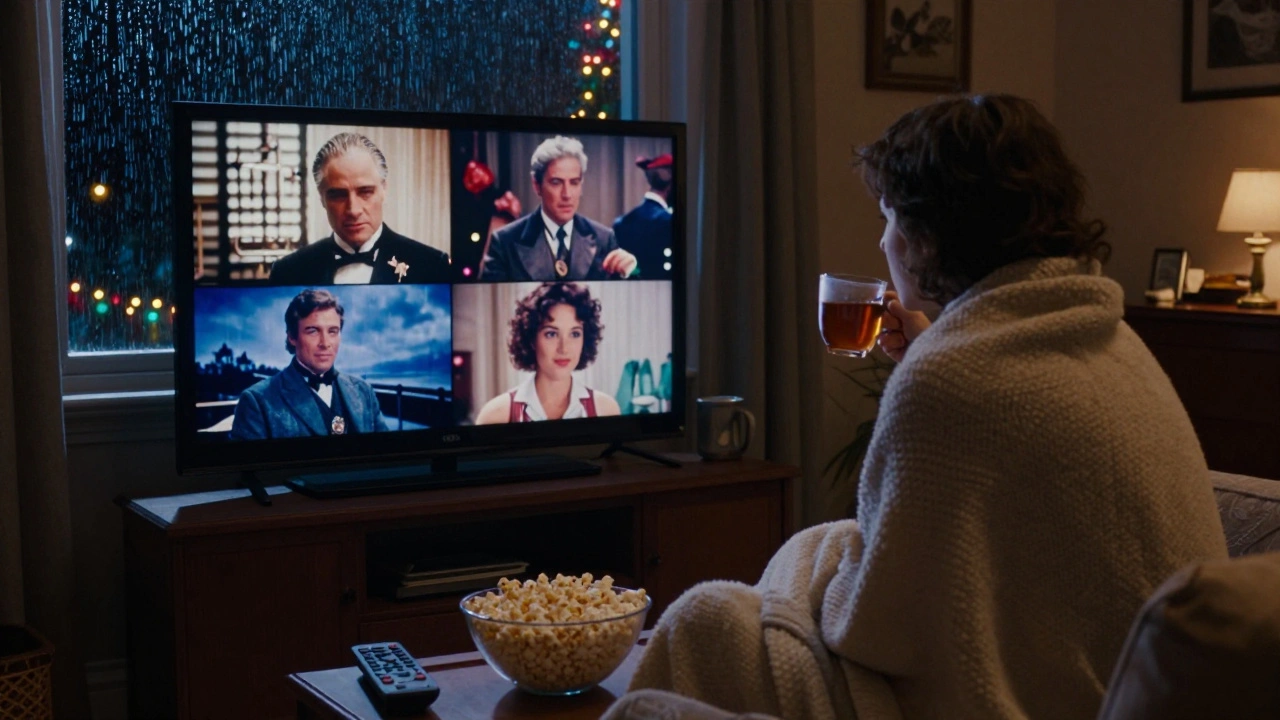
Why do streaming services keep bundling movies with TV shows? It’s not just about giving you more to watch. It’s about keeping you from leaving. The real game isn’t the new release-it’s the back catalog. A library of 10,000 films isn’t a bonus. It’s the reason you stay subscribed when the next season of your favorite show is months away.
What Exactly Is Platform Bundling?
Platform bundling means combining different types of content under one subscription. Think of it like a grocery store offering a discount when you buy cereal, milk, and eggs together. Streaming services do the same: they mix new originals, live sports, and classic films into one price. But the films? They’re the glue.Netflix didn’t become a household name because of Stranger Things. It became one because it had The Godfather, Amélie, and Seven Samurai in 2013-when people were still paying $30 a month for cable. Those films weren’t just fillers. They were the reason people canceled their HBO and Redbox subscriptions.
Today, every major streamer-Disney+, Max, Apple TV+, Paramount+-has a film library that’s bigger than most cable channels. And they’re not just licensing old movies. They’re buying entire studios. Disney bought Marvel, Lucasfilm, and 20th Century Fox. Warner Bros. Discovery kept the entire Warner Bros. film archive. Apple spent $1 billion on the rights to Shogun and The Morning Show, but also owns the rights to 1,200+ films from its partnership with Sony.
Why Films Outlast TV Shows
TV shows have expiration dates. A season drops. You binge it. You move on. But films? They last. Toy Story still draws viewers 28 years after its release. Die Hard gets 12 million views every December. Princess Mononoke finds new fans every year, even without a sequel.That’s why studios don’t just license films-they treat them like cash machines. A single film can generate revenue for decades. Disney’s 1994 version of The Lion King earned $968 million in theaters. In 2024, it pulled in another $21 million in streaming views alone. That’s not a hit. That’s a perpetual motion machine.
Compare that to a TV show like The Morning Show. It cost Apple $15 million per episode. It’s critically acclaimed. But without a global fanbase built over 20+ years, its streaming numbers drop sharply after the first season. Films? They don’t need season two. They just need to be there.
How Bundling Lowers Churn
Churn-the rate at which people cancel subscriptions-is the #1 fear for streaming companies. In 2024, the average U.S. subscriber canceled 3.2 streaming services. Why? Too many options. Too much cost. Too little value.But bundle a film library with a TV lineup, and something changes. People don’t cancel because they’re still watching Star Wars on Disney+ or Shrek on Max. They don’t cancel because they’re rewatching Goodfellas on Apple TV+ on a rainy Sunday. These aren’t occasional views. They’re habits.
A 2024 study by Consumer Intelligence Research Partners found that subscribers with access to 500+ classic films were 47% less likely to cancel within six months than those with only originals. The data doesn’t lie: film libraries act as retention anchors.
It’s why Netflix still spends $100 million a year licensing old films-even as it cuts back on expensive originals. It’s why Hulu (now part of Disney) kept its entire 20th Century Fox catalog after the merger. It’s why Paramount+ added 300+ Paramount Pictures films in 2023, including Forrest Gump and Transformers.
The Hidden Cost of Film Licensing
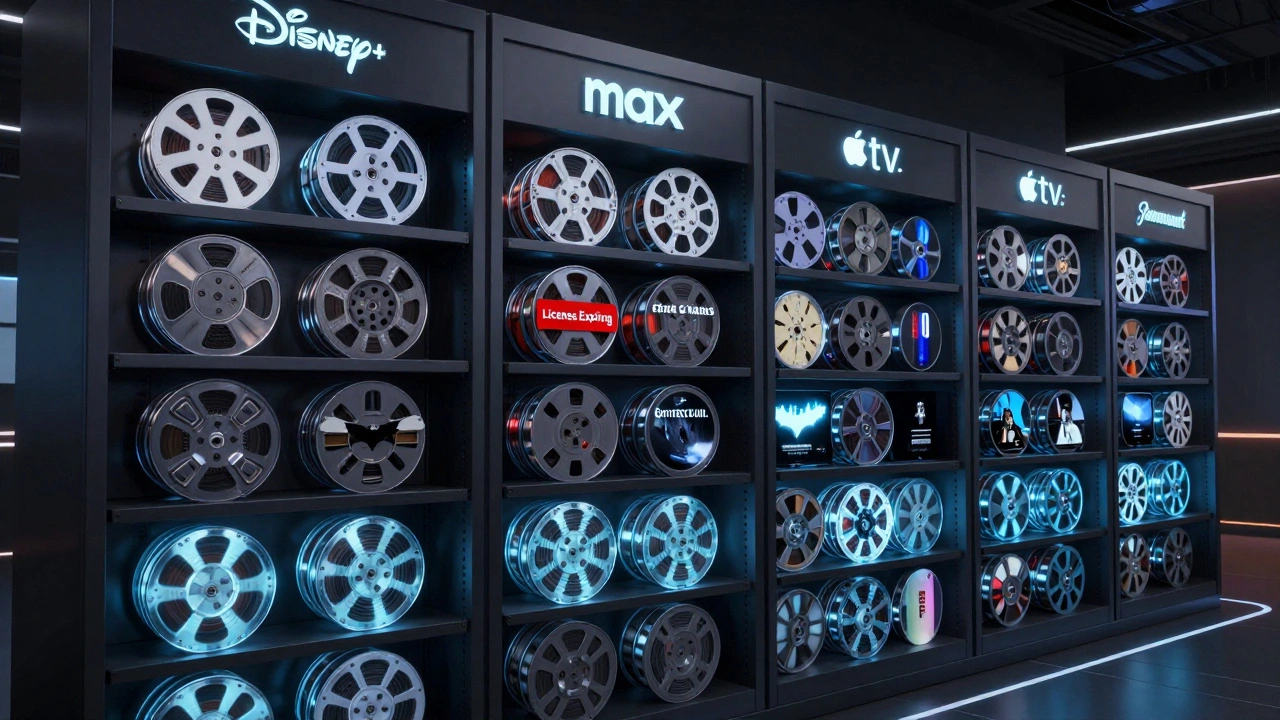
You might think licensing films is cheap. It’s not. A single classic film can cost $5 million to $20 million for a five-year license. Psycho cost Netflix $18 million in 2021. Blade Runner 2049 was $12 million. And those are just the big ones.But here’s the trick: studios don’t just sell rights-they sell exclusivity. When Apple TV+ got the exclusive streaming rights to Interstellar in 2022, it didn’t just pay for the film. It paid to make sure no one else could show it. That’s a strategic move. It turns a single movie into a subscription driver.
Smaller services can’t compete with those prices. That’s why niche platforms like MUBI or Criterion Channel survive by focusing on curated, high-value film collections. They don’t have 10,000 titles. They have 500 perfect ones. And people pay $12 a month for that precision.
What Happens When a Film License Expires?
Licensing isn’t forever. When a deal ends, the film vanishes. Remember when The Office left Netflix in 2020? Millions of people canceled. The same thing happens with films.In 2023, Harry Potter left HBO Max after Warner Bros. moved it to Peacock. Subscriptions dropped 14% in the first month. In 2024, Back to the Future left Hulu after Universal pulled the rights. Viewers didn’t just miss the movie-they questioned the whole platform’s value.
That’s why Disney owns its films. It owns the rights to 1,200+ titles from its acquisitions. It doesn’t have to worry about losing them. That’s the ultimate advantage. When you control the library, you control the subscription.
How to Choose a Streaming Service Based on Film Libraries
Not all film libraries are equal. Here’s what to look for:- Disney+: Best for animated classics, Pixar, Star Wars, and Marvel. 2,500+ films, including 1930s-2000s Disney animations.
- Max: Best for Warner Bros. films. 1,800+ titles, including The Dark Knight, Good Will Hunting, and One Flew Over the Cuckoo’s Nest.
- Apple TV+: Best for curated prestige films. 1,200+ titles, including Interstellar, Amélie, and Parasite (exclusives).
- Paramount+: Best for 2000s blockbusters. 1,100+ films, including Transformers, Top Gun, and Forrest Gump.
- Netflix: Best for variety. 800+ films, but many are older or non-exclusive. Still strong in foreign cinema and indie films.
Want to keep your subscription? Pick the one with the films you’ll rewatch. Not the ones you’ll binge once. If you love Amélie, Apple TV+ is worth it. If you watch Die Hard every Christmas, Max is your home.
What’s Next for Film Libraries?
The next wave isn’t just licensing. It’s restoration. Studios are spending millions to restore 4K versions of 1970s films. Disney restored 2001: A Space Odyssey in 2024. Warner Bros. brought back Blade Runner in 4K with 15 hours of new bonus content.Why? Because restored films feel new again. And new again means more views. More views mean more reasons to stay subscribed.
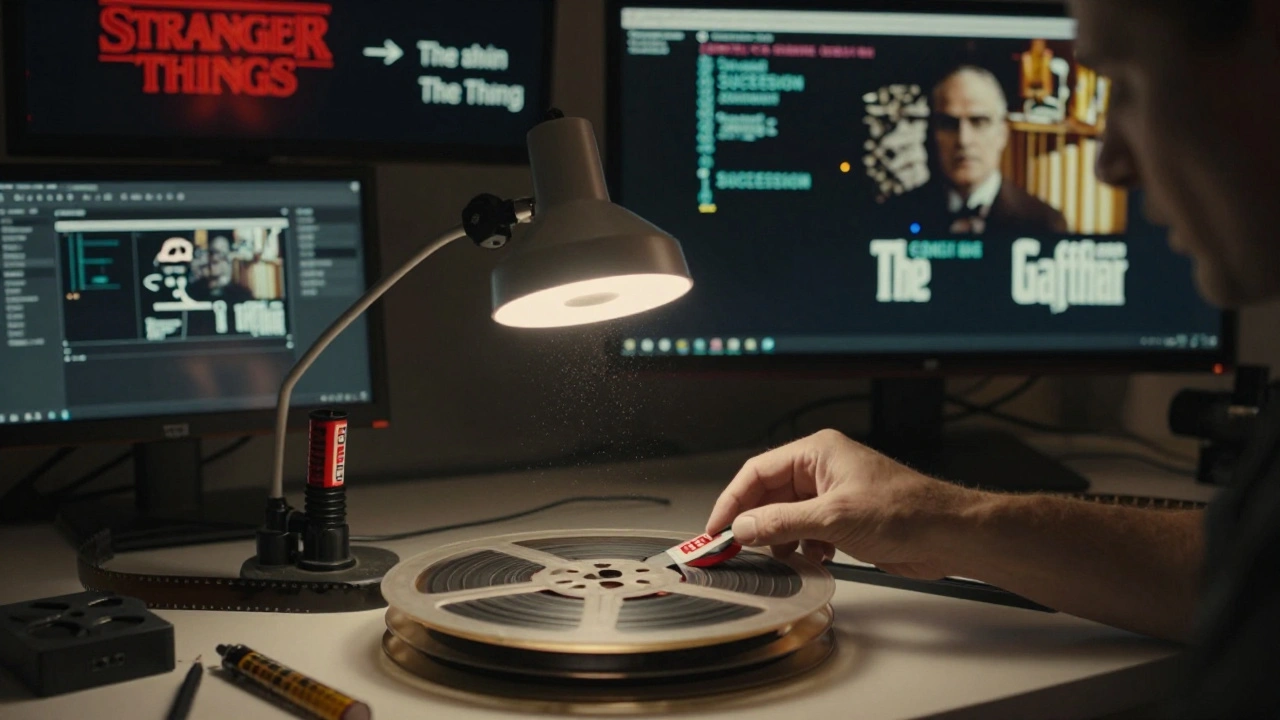
Also, AI is starting to help. Platforms now use algorithms to recommend films based on your TV show habits. Watch Stranger Things? You’ll get The Thing or Close Encounters. Watch Succession? You’ll get The Godfather or There Will Be Blood. It’s not random. It’s intentional.
The future of streaming isn’t more originals. It’s deeper libraries. Better curation. Longer ownership. The companies that win won’t be the ones spending the most on new shows. They’ll be the ones who own the most films-and know how to make you care about them again.
Why do streaming services bundle films with TV shows?
Films keep subscribers engaged during slow TV seasons. Unlike TV shows that expire after a season, films like Die Hard or Princess Mononoke get watched repeatedly over years. That repeat viewing reduces cancellations and makes the subscription feel valuable even when there’s no new content.
Which streaming service has the best film library?
It depends on what you like. Max has the deepest Warner Bros. collection, including classics like The Dark Knight and Good Will Hunting. Disney+ leads in animated and family films. Apple TV+ offers curated prestige titles like Interstellar and Parasite. Paramount+ is strongest in 2000s blockbusters. Netflix has variety but fewer exclusives.
Do film licenses expire on streaming platforms?
Yes. Most film licenses last 3-7 years. When they expire, the film disappears. That’s why Harry Potter left HBO Max and Back to the Future left Hulu. Services that own their films-like Disney and Warner Bros.-don’t face this risk, giving them a major advantage in subscriber retention.
Why are studios buying entire film libraries instead of just licensing?
Ownership means control. When Disney bought 20th Century Fox, it didn’t just get movies-it got the rights forever. That lets them restore films, bundle them into packages, and never worry about losing them. Licensing is temporary. Ownership is permanent. And in streaming, permanence equals loyalty.
Can I cancel my streaming service if a film I love leaves?
Many people do. When Harry Potter left HBO Max in 2023, subscriber cancellations rose 14% in the first month. If a film is part of your routine-like watching It’s a Wonderful Life every holiday-losing it can make the whole service feel less worth the price. That’s why services now prioritize owning, not licensing, key titles.





Comments(6)