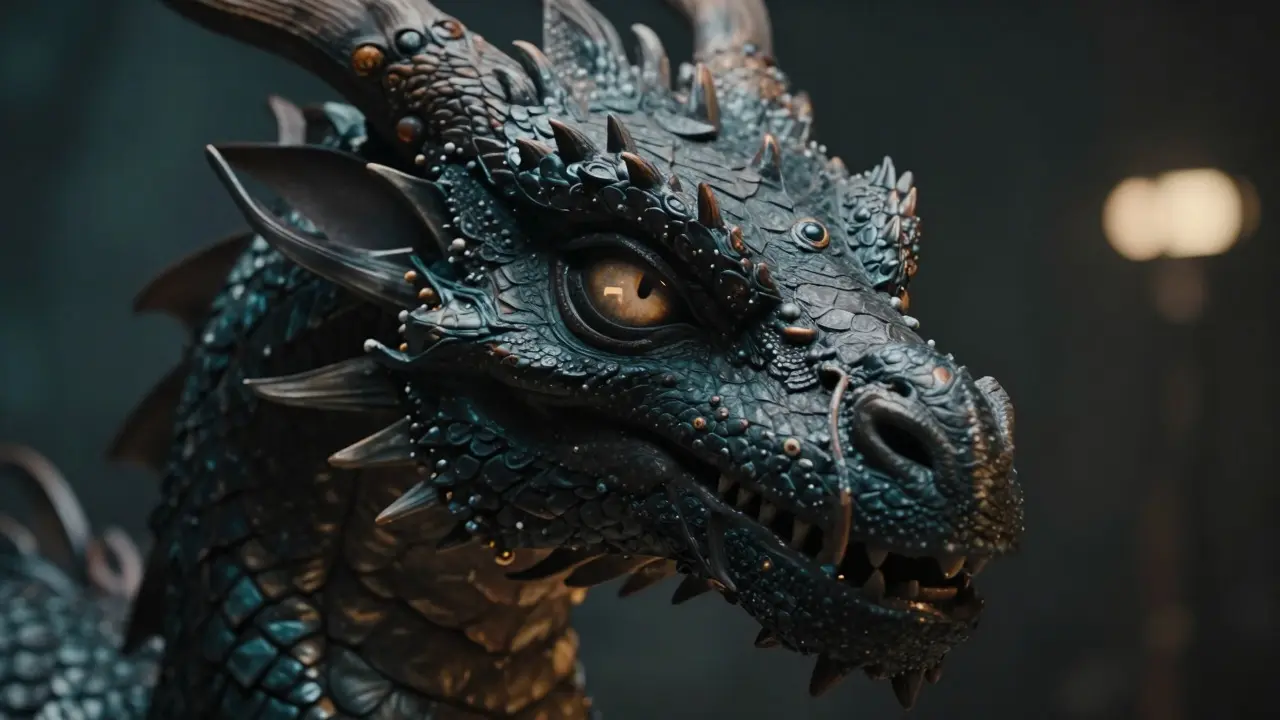
There is a specific moment in every blockbuster where the audience stops watching a movie and starts believing in a world that doesn't exist. It happens when a dragon blinks, or when a robot tilts its head with subtle hesitation. This magic isn't just about rendering pixels; it is the result of character animation, a discipline that blends art, physics, and psychology to make synthetic beings feel alive. For filmmakers, the goal is never just to show a model moving; it is to convey emotion, intent, and personality through movement.
If you have ever wondered how a creature made of polygons can make you cry or laugh, the answer lies in the invisible work done by animators who understand human behavior deeply. They don't just move limbs; they choreograph life. From the initial blocking of a scene to the final polish of eye movements, every frame is a decision about how this character feels at that exact second. Understanding this process reveals why some digital characters feel soulless while others become iconic cultural figures.
The Foundation: Blocking and Timing
Before any detail is added, an animator must establish the core action. This phase is known as blocking. Think of it like a sketch artist laying down the main lines before shading. In digital pipelines, this often involves creating keyframes that define the start, middle, and end of a movement. The timing of these keys dictates the weight and energy of the character. A heavy stone golem moves differently than a nimble elf, not because of their texture, but because of the spacing between their frames.
Timing is the heartbeat of animation. If a character jumps too quickly, they look floaty. If they land too slowly, they look dead. Animators use principles established decades ago, such as anticipation and follow-through, to ground digital entities in physical reality. For example, before a creature swings its tail, there must be a slight pull back. This anticipation tells the viewer's brain what is coming next, creating a sense of cause and effect that feels natural rather than mechanical.
Rigging: The Skeleton Behind the Skin
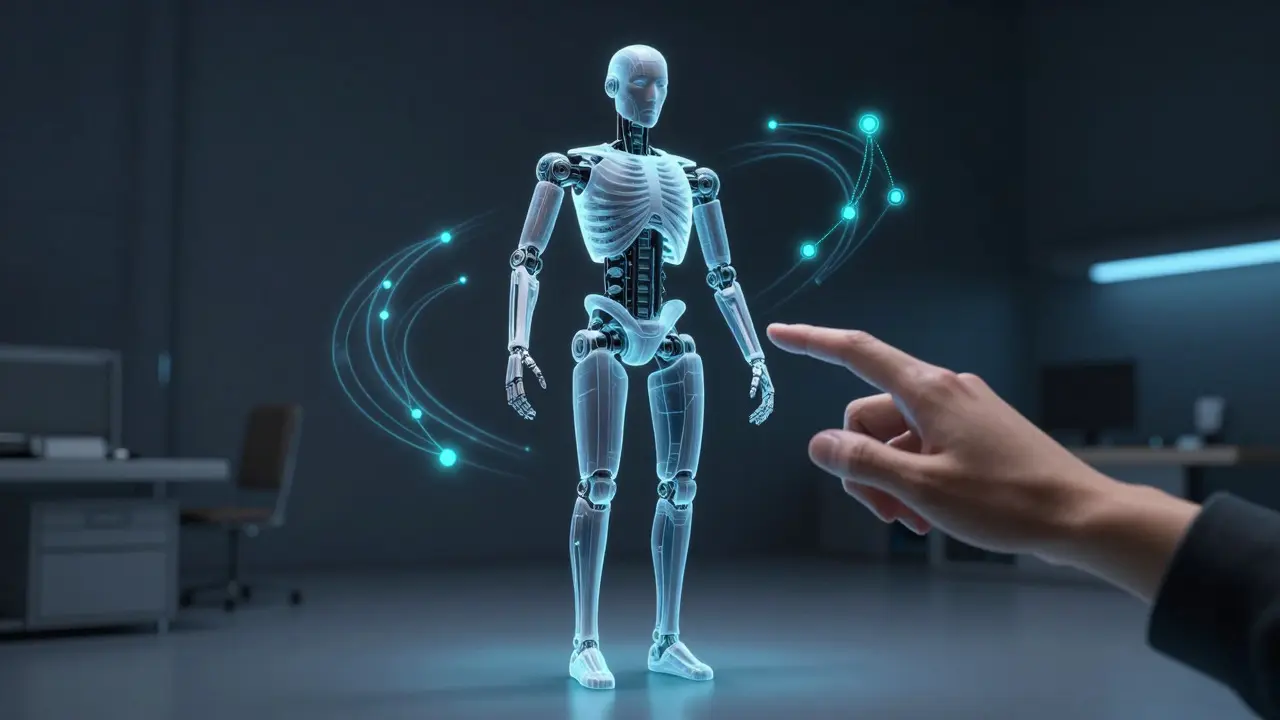
You cannot animate a character without a rig. A rig is the internal control system of a 3D model, consisting of bones, joints, and constraints. It is the bridge between the static mesh and the animated performance. Creating a rig for a complex digital creature is one of the most technical challenges in visual effects. Unlike a human character, which has a standard skeletal structure, a dragon or a alien might have dozens of extra vertebrae, flexible wings, or secondary muscles that need independent control.
Modern rigs are incredibly sophisticated. They include systems for muscle deformation, where the skin stretches and compresses realistically as the underlying bones move. They also feature blend shapes, which allow animators to morph the face into different expressions without breaking the geometry. A well-built rig gives the animator intuitive controls, allowing them to focus on acting rather than fighting with software limitations. If the rig is stiff or confusing, the animation will suffer, no matter how talented the artist is.
Motion Capture vs. Keyframe Animation
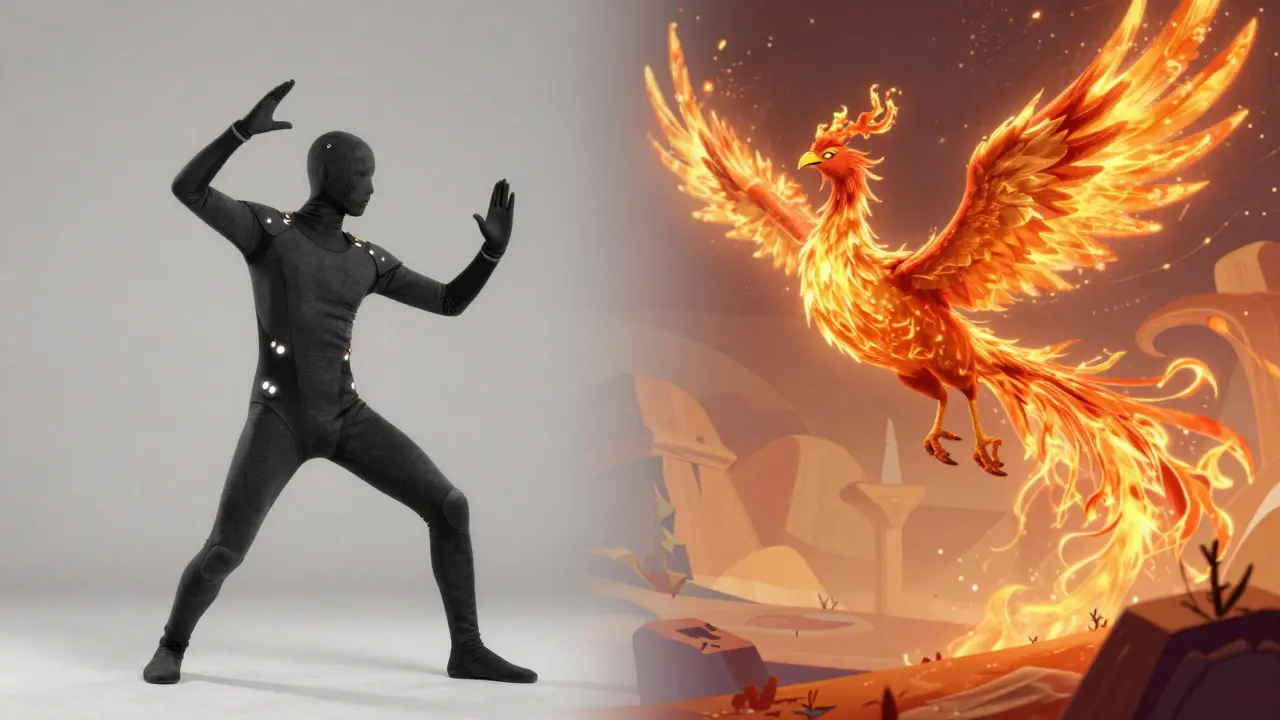
A common question among fans is whether digital actors are always created using motion capture (mocap). The truth is that both methods coexist, each serving different needs. Motion capture records the movement of real humans wearing sensors. This data provides authentic body language, subtle weight shifts, and natural gestures that are difficult to replicate manually. It is particularly effective for humanoid characters, where the audience expects realistic proportions and behaviors.
However, keyframe animation remains essential for non-humanoid creatures. Imagine trying to capture the flight path of a phoenix or the slithering motion of a snake with human actors. It’s impossible. Keyframe animation allows artists to exaggerate movements, defy gravity, or create entirely new forms of locomotion. Often, a hybrid approach is used: mocap provides the base body movement, while keyframing handles the hands, face, and unique creature features. This combination ensures the character feels grounded yet fantastical.
Facial Expression and the Uncanny Valley
The face is the window to the soul, even for a digital beast. Facial animation is arguably the hardest part of bringing a character to life. Humans are hyper-aware of facial cues. A slight twitch in an eyebrow or a change in pupil size communicates volumes. When these cues are off, viewers experience the uncanny valley-a feeling of unease or revulsion caused by something looking almost, but not quite, human or natural.
To avoid this trap, animators study real-life references extensively. They record themselves performing emotions, observing animals, or studying theater techniques. Eye contact is critical. Where does the character look? How long do they hold gaze? These micro-decisions build trust with the audience. In recent years, facial tracking technology has improved dramatically, allowing high-fidelity capture of facial performances. Yet, raw data rarely works alone. Animators must clean up the data, removing noise and enhancing emotional beats to ensure the performance lands correctly on screen.
Lighting, Rendering, and Final Polish
Once the animation is complete, the character enters the lighting and rendering stage. This is where the material properties come into play. Fur, scales, wet skin, or metallic armor all react differently to light. Global illumination simulates how light bounces around the environment, adding depth and realism. Shadows are not just black shapes; they carry information about the time of day and the mood of the scene.
Rendering engines like Arnold or RenderMan calculate these interactions in real-time or offline, producing the final images. But rendering is not the end. Compositors integrate the character into the live-action footage, matching color grading, grain, and lens distortion. If the lighting on the creature doesn’t match the background, the illusion breaks. This final integration is what makes the digital entity feel like it belongs in the same space as the actors and sets.
| Technique | Best For | Strengths | Limitations |
|---|---|---|---|
| Keyframe Animation | Non-humanoids, exaggerated actions | Total creative control, stylization | Time-consuming, requires high skill |
| Motion Capture | Humanoids, realistic body language | Authenticity, speed of production | Limited to human-like movements, expensive hardware |
| Procedural Animation | Crowds, repetitive motions | Efficiency, consistency | Lacks nuance, can look robotic |
The Role of Physics Simulation
Digital creatures are not just solid objects; they interact with their environment. Hair, cloth, and fluids require physics simulation. When a character runs, their hair should fly based on wind speed and inertia. When they jump, dust should kick up from the ground. These simulations add a layer of believability that pure manual animation struggles to achieve efficiently.
Software tools simulate these forces using mathematical models. However, simulated results often need cleanup. An animator might tweak the hair strands to ensure they flow beautifully rather than chaotically. The balance between automated simulation and manual adjustment is crucial. Too much automation leads to messy, unpredictable results. Too much manual control kills efficiency. Finding the sweet spot is a hallmark of professional VFX teams.
Challenges in Modern Pipelines
As technology advances, so do audience expectations. Viewers today notice flaws that were acceptable a decade ago. Higher resolutions, like 8K, expose imperfections in textures and rigging. Cloud computing has changed how studios render massive scenes, allowing for faster iteration times. Yet, the core challenge remains: making the artificial feel organic.
Artists must stay updated with new tools while maintaining artistic intuition. The best digital creatures are not just technically perfect; they are emotionally resonant. They have flaws, quirks, and distinct personalities. Whether it’s a friendly robot or a terrifying monster, the success of the character depends on the animator’s ability to infuse code with soul. This blend of technology and artistry continues to push the boundaries of what is possible in cinema.
What is the difference between 2D and 3D character animation?
2D animation draws characters flatly, often using traditional drawing or vector graphics. 3D animation creates volumetric models that can be rotated, lit, and textured in three-dimensional space. 3D is dominant in modern film VFX due to its reusability and consistency across camera angles, while 2D offers a distinct stylistic aesthetic often seen in indie films and games.
How long does it take to animate a single shot?
It varies wildly based on complexity. A simple walk cycle might take a few days, while a complex dialogue scene with facial close-ups can take weeks or months per animator. Factors include the number of characters, the length of the shot, and the level of detail required for the creature's design.
Do animators use reference videos?
Yes, constantly. Animators record themselves acting out scenes, watch documentaries about animal behavior, or study sports footage to understand weight and momentum. Reference is the primary tool for grounding digital performance in reality, ensuring that movements feel physically plausible.
What software is used for character animation?
Industry standards include Maya, Houdini, and Nuke. Maya is widely used for modeling and keyframe animation. Houdini excels at procedural workflows and simulations like fluid and destruction. Nuke is primarily for compositing, integrating the rendered character into the final image. Other tools like ZBrush are used for sculpting detailed assets.
Can AI replace human animators?
Currently, AI assists in tasks like retargeting motion data or generating rough drafts, but it lacks the artistic judgment needed for nuanced emotional performances. Human animators provide the intent, timing, and storytelling context that algorithms struggle to replicate. The future likely involves AI handling repetitive tasks, freeing humans to focus on high-level creative decisions.