The Power Couple Dynamics of Modern Cinema
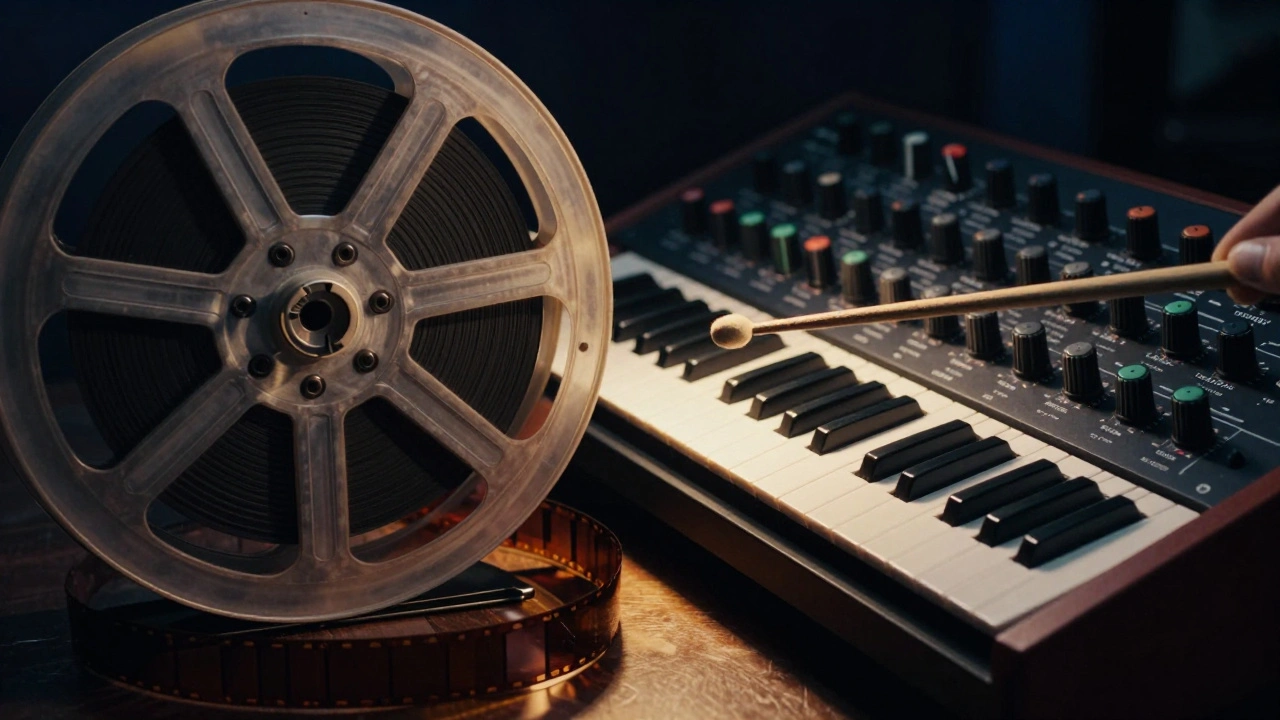
The most successful films aren't just directed; they're composed. When we talk about film scoring, we aren't just talking about background music. We're talking about a psychological tool used to manipulate how you feel about a character before they even speak. For instance, Christopher Nolan is a director known for his non-linear storytelling and preference for sonic landscapes over traditional melodies. His long-term partnership with Hans Zimmer transformed the modern blockbuster by replacing sweeping violins with massive, distorted synth pulses that make your chest rattle in the theater.
But the new wave of collaborations is getting even more experimental. Directors are now hiring composers not just at the end of production, but during the writing phase. This means the music actually shapes the edit. If a composer creates a haunting three-note motif during pre-production, the director might change the pacing of a scene to fit that mood. It's a recursive loop where the sound dictates the sight, and the sight informs the sound.
Experimental Pairings Breaking the Mold
We're seeing a huge surge in "genre-clashing." Directors of horror films are ditching the jump-scare strings for ambient industrial noise. Think about the rise of Mica Levi , who uses microtonal compositions to make the viewer feel physically uneasy. When a director pairs with a composer like Levi, they aren't looking for a "pretty" score; they're looking for sonic discomfort. This is a calculated move to heighten the psychological tension in a way that a standard orchestra simply can't achieve.
| Collaboration Type | Sonic Goal | Typical Instruments | Emotional Effect |
|---|---|---|---|
| The Auteur Bond | Consistent brand identity | Custom synth rigs, full orchestra | Epic, cohesive, predictable |
| The Experimentalist | Subverting expectations | Found sounds, distorted electronics | Anxiety, curiosity, disorientation |
| The Minimalist | Adding breathing room | Single piano, silence, subtle pads | Intimacy, loneliness, grief |
The Rise of the Hybrid Score
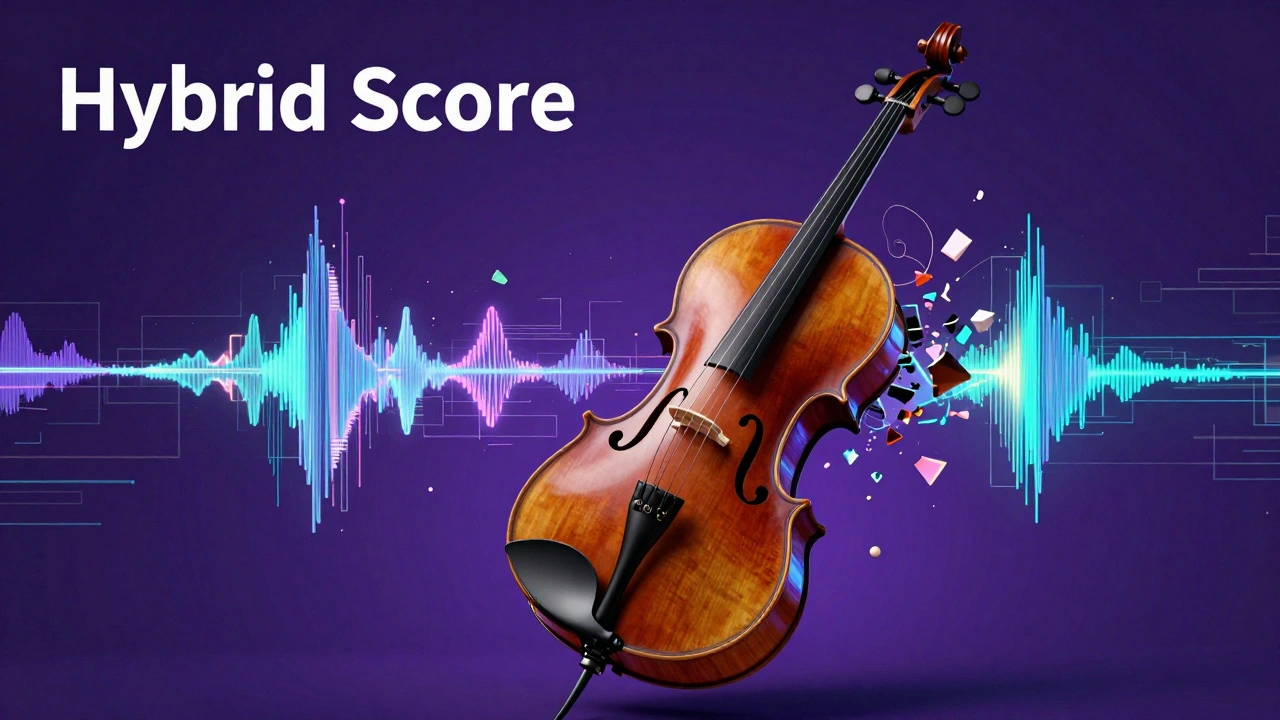
One of the biggest shifts in current upcoming projects is the "Hybrid Score." This is where Electronic Music isn't just an additive-it's the foundation. Composers are using Digital Audio Workstations (DAWs) like Ableton Live or Logic Pro to warp live recordings of cellos or horns into something that sounds alien. This allows directors to bridge the gap between a period piece and a futuristic feeling. Imagine a Victorian drama, but the score has a subtle, low-frequency thrum that hints at the character's internal panic. That's the hybrid approach in action.
This technique requires a high level of trust. The director has to be okay with the music occasionally fighting against the imagery. If the screen shows a peaceful meadow but the music sounds like a factory collapsing, it creates a cognitive dissonance that forces the audience to question the reality of the scene. This is a sophisticated way of storytelling that avoids the "on-the-nose" emotion of traditional scoring.
Sourcing Talent: From Concert Halls to Bedrooms
The way directors find their collaborators has changed. They aren't just looking at the credits of the last big hit. Many are scouting SoundCloud or following underground modular synth artists. The goal is authenticity. If a director is making a movie about a marginalized community in a specific city, they'll hire a local musician from that area rather than a seasoned Hollywood pro. This brings a level of cultural accuracy to the soundscape that can't be faked in a studio in Burbank.
This "hyper-local" sourcing is creating a new breed of composer who doesn't know the "rules" of cinema. And that's exactly why directors love them. They don't fall into the trap of using the same chords for "sadness" or "triumph." Instead, they bring a fresh musical language to the screen, which prevents the movie from feeling like a generic product. It turns the soundtrack into a character in its own right.
The Technical Friction of the Creative Process
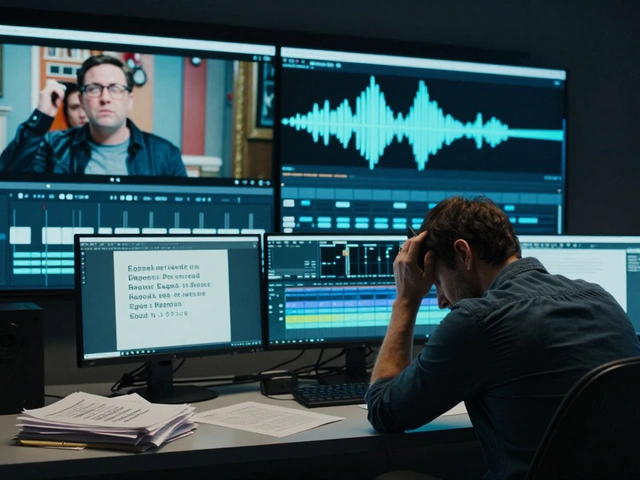
It's not all smooth sailing. The collaboration between a director and a composer is often a battle of wills. A director might ask for a scene to feel "more blue" or "less heavy," which are useless terms for a musician. This is where the "translation" phase happens. A great composer knows how to turn a vague emotional request into a specific musical choice-like changing a major key to a minor seventh or adding a layer of white noise to simulate claustrophobia.
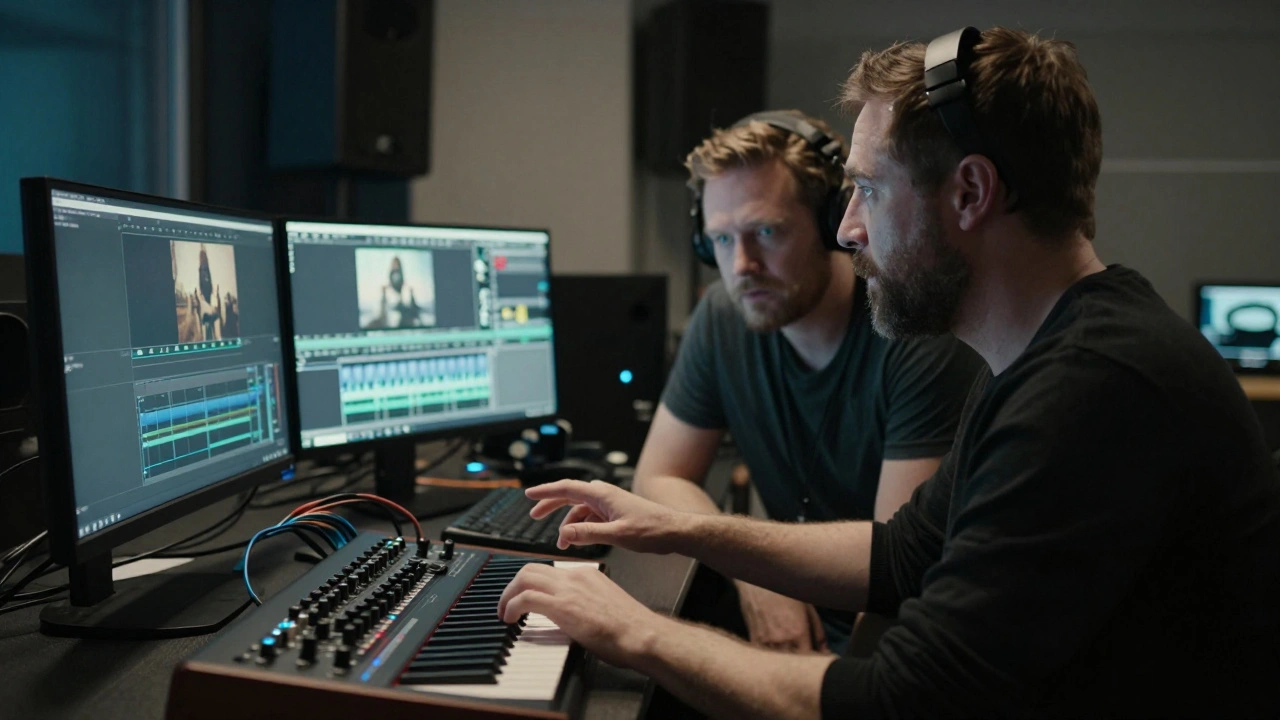
With the advent of Remote Collaboration Tools , this process has sped up. Composers can send a rough sketch via cloud storage, and the director can leave time-stamped comments. However, some argue that this loses the magic of the "room." The best scores often come from the composer sitting in the editing bay with the director, tweaking the music in real-time as they watch the footage. That organic feedback loop is where the most daring musical risks are taken.
Why do some directors work with the same composer for years?
It's all about shorthand. When a director and composer have a long-term partnership, they develop a shared musical language. The composer understands the director's visual rhythm, and the director knows exactly how to trigger the composer's creativity. This trust allows them to take bigger risks because they aren't spending time explaining basic expectations.
What is a 'temp track' and how does it affect the final score?
A temp track is a piece of existing music (from other movies or albums) that editors use as a placeholder during the first cut. The danger is that directors get too attached to the temp music. This can lead to "temp love," where the composer is pressured to mimic the temp track rather than creating something original. The best collaborations happen when the director is willing to scrap the temp tracks and let the composer build a unique sound from scratch.
Does the composer write the music before or after the film is edited?
Traditionally, scoring happens in post-production after a "picture lock" (the edit is mostly finished). However, many modern directors now involve composers during the shooting phase. Some even record music first and then edit the film to the beat of the music, which creates a much more synchronized, rhythmic experience for the viewer.
What's the difference between a score and a soundtrack?
The score is the original music composed specifically for the film, usually intended to support the emotion and narrative. A soundtrack is a broader term that includes the score plus any licensed songs (pop, rock, jazz) that play during the movie. While the score is about the story, the soundtrack often includes a curated list of tracks that fit the mood or time period.
Can AI replace film composers in the future?
AI can handle the "utility" music-think corporate training videos or generic chase scenes. But cinema is about human emotion and subverting expectations. AI works on patterns; it doesn't know how to be "intentionally wrong" to create a specific psychological effect. The deep, intuitive collaboration between a director and a human composer is something a machine can't replicate because it doesn't experience the story.
What to Watch For Next
Keep an eye on the credits of the next few indie hits. You'll likely see a rise in composers who are primarily sound designers. The line between "sound effects" and "music" is blurring. When the sound of a wind turbine slowly morphs into a cello melody, that's not just a trick-it's a new way of storytelling. For the audience, it means movies will feel more immersive and less like a movie and more like a dream.



Comments(8)