The Clean Slate Approach
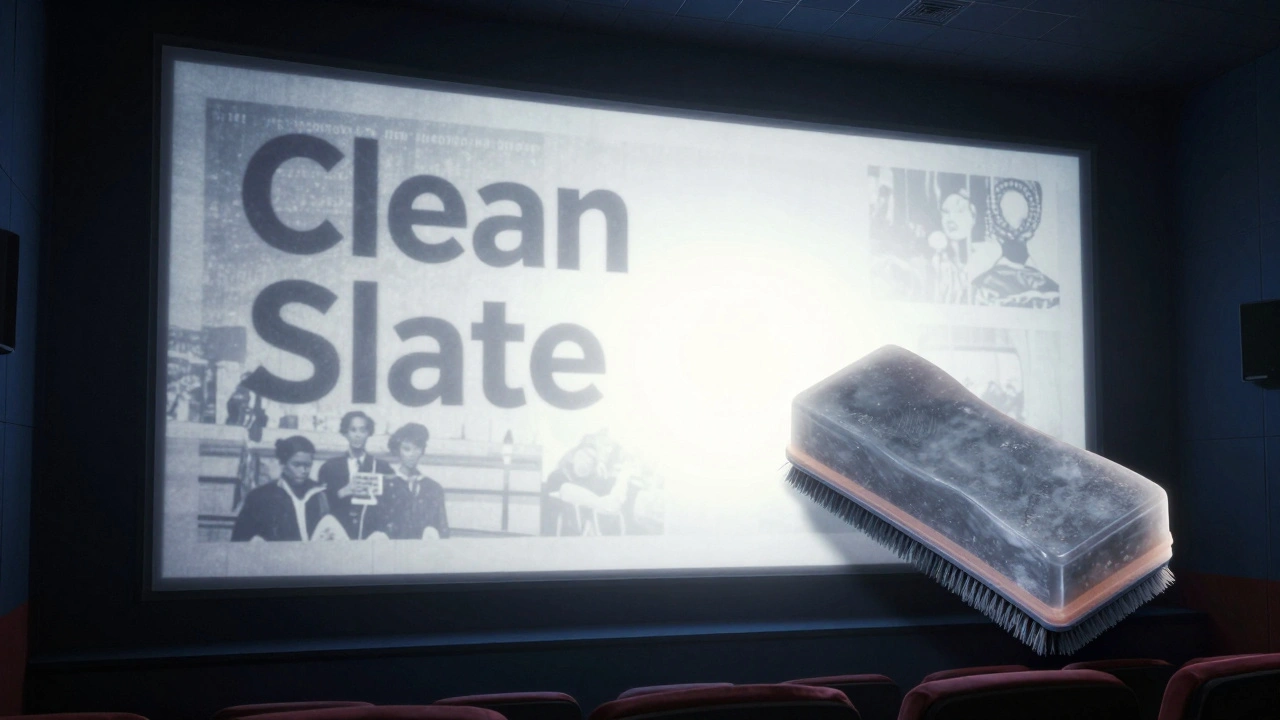
When a studio chooses a reboot, they are essentially admitting that the original timeline is too cluttered or outdated to work today. Imagine trying to bring back a series where the characters are now 70 years old, but the core appeal of the franchise is youth and high-energy action. A reboot wipes the board. It lets the studio treat the IP like a new product that happens to have a famous name attached. Take a look at how Batman has been handled. Every time a new director takes over, they usually start over. They don't care that the previous version existed; they want to redefine the character for a new generation. This is a powerful tool for fixing a brand that has become too niche or a series that ended on a sour note. If the last movie in a trilogy was a disaster, a reboot is the only way to scrub that failure from the audience's mind. But there is a trap here. If you change too much, you lose the "brand equity." If you reboot a horror movie but remove the specific monster or the atmosphere that made it famous, you're just making a generic movie with a famous title. The goal is to keep the soul of the property while killing the baggage.The Bridge to the Past: Legacy Sequels
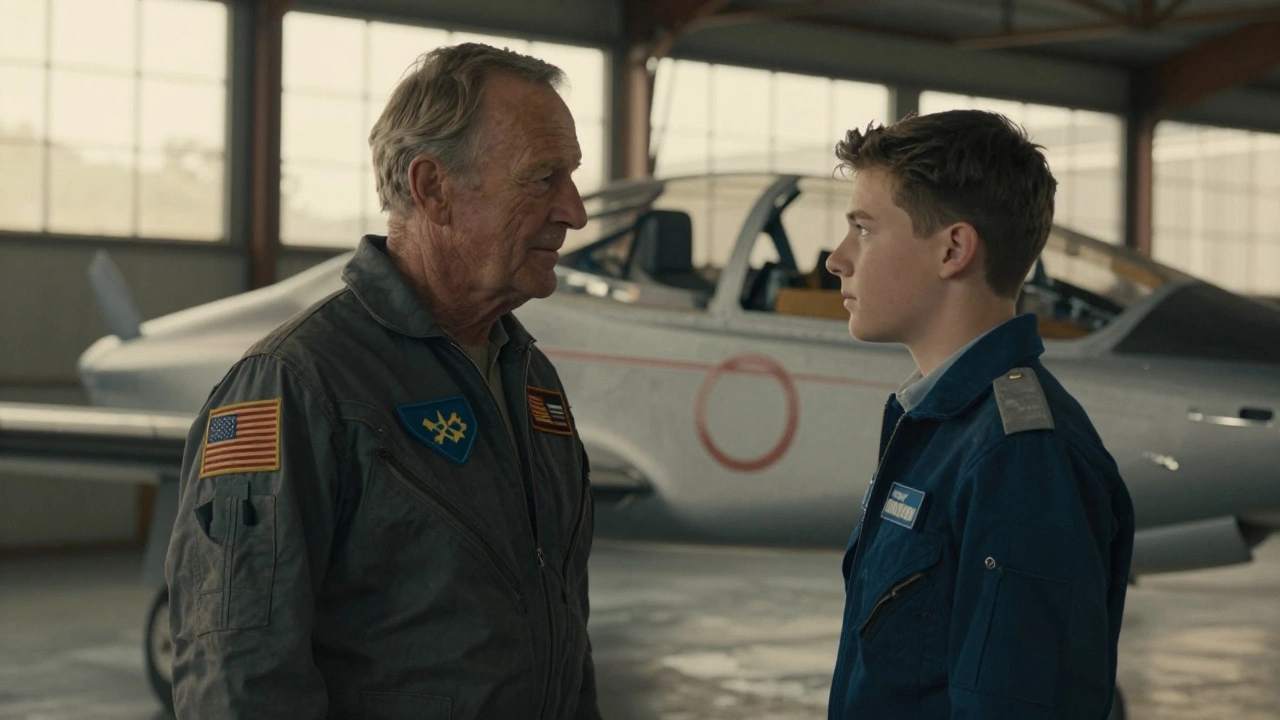
Unlike a reboot, a Legacy Sequel is a film that ignores the immediate previous sequels or jumps forward in time to reconnect the original cast with a new generation of characters. It doesn't erase history; it leverages it. This is the "nostalgia play." Instead of telling you that the old movies didn't happen, the studio tells you that they happened a long time ago and still matter. Think about the strategy used in Top Gun: Maverick. They didn't want to reboot the story of a young pilot; they wanted to see what happens when that pilot becomes the teacher. This creates a dual-track audience: older fans who remember the 1986 original and young viewers who are seeing the world for the first time. This strategy is often safer than a reboot because it guarantees a baseline of emotional investment. You aren't asking people to learn a new version of a character; you're asking them to reunite with an old friend. The risk here is "nostalgia fatigue." If the movie relies entirely on "remember this scene?" moments without adding new stakes, the audience will see through it immediately.| Feature | Reboot | Legacy Sequel |
|---|---|---|
| Continuity | Discarded / Reset | Preserved / Extended |
| Primary Goal | Modernization | Nostalgia & Expansion |
| Risk Level | High (Alienates old fans) | Medium (Can feel dated) |
| Cast Strategy | Entirely New | Originals + Newcomers |
| Typical Timeline | Irrelevant | Decades later |
How Studios Actually Make the Choice
Studio executives don't just vibe-check a project. They look at specific data points. First, they check the "Cultural Resonance." Is the property still talked about on social media? Are the old DVDs still selling or the original streaming numbers holding steady? If the IP is loved but the plot is too confusing for a new viewer, they go for a reboot. If the characters are iconic and the world is still believable, they go for a legacy sequel. Another huge factor is the Intellectual Property (IP) rights. Sometimes, a studio only owns the rights to the original movie and not the sequels. In that case, a legacy sequel that ignores the later films (essentially a "soft reboot") is the only legal path forward. This is why you see so many movies that act as "the real sequel" to a movie from 30 years ago, skipping over the sequels that came out in the 90s. They also weigh the "Star Power" of the original cast. If the lead actor is still alive, healthy, and willing to return for a reasonable fee, a legacy sequel is almost always the preferred choice. The marketing budget is significantly lower when you can put the original lead on the poster. You don't have to explain who the character is; you just have to announce that they're back.The Middle Ground: The Soft Reboot
There is a sneaky third option: the soft reboot. This is where the studio keeps the continuity but changes the focus so drastically that it feels like a new start. They don't explicitly say "the old movies didn't happen," but they also don't require you to have seen them to understand the plot. This is a way to hedge their bets. By keeping the old timeline, they don't anger the hardcore fans. By ignoring the old plot, they don't scare away the casual viewers. It's a tactical move to widen the net. It allows a studio to introduce a new protagonist while keeping a veteran character in a mentoring role, effectively transitioning the franchise from the old guard to the new guard without a jarring break in the story.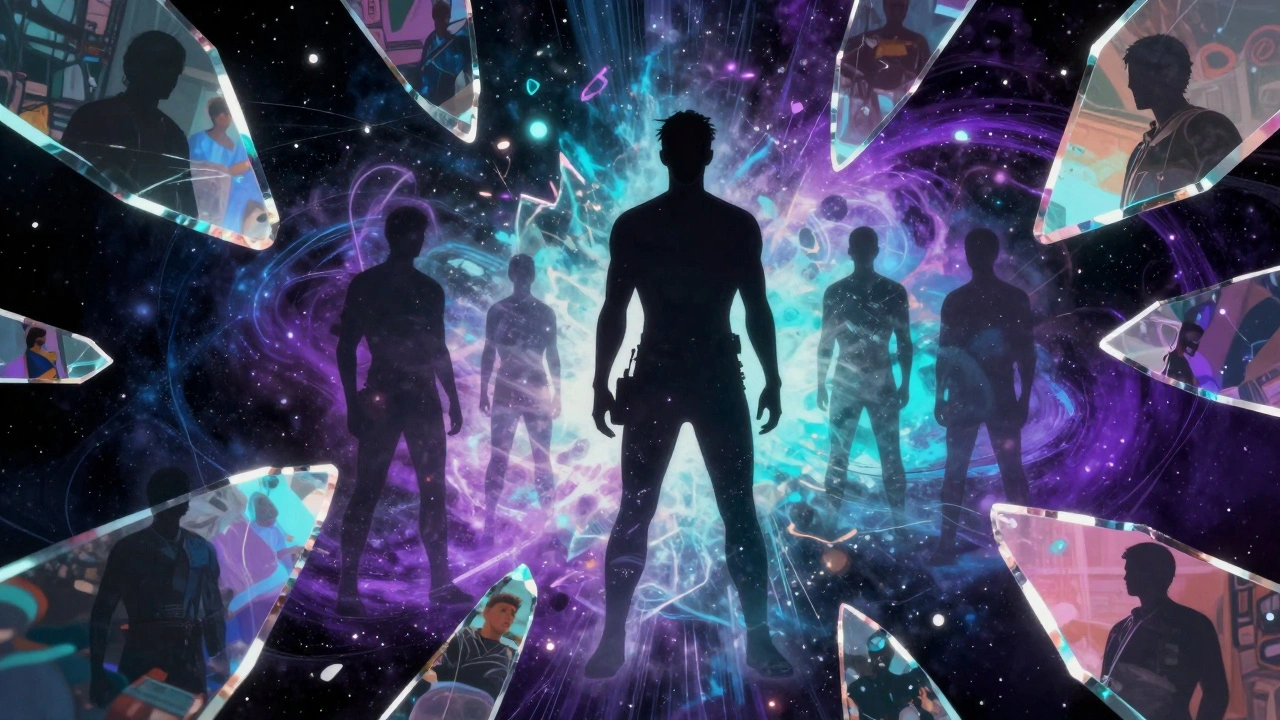
Common Pitfalls in IP Revival
Many studios fall into the trap of "The Brand Trap." This happens when they prioritize the logo over the story. You've seen it: a trailer that is just a series of slow-motion shots and a deep voiceover, promising a "return to the roots" but offering no actual plot. When a studio focuses on the Film IP as a product rather than a piece of art, the movie usually feels hollow. Another mistake is the "Over-Correction." This happens during reboots. A studio decides the original was too campy or too simple, so they make the reboot incredibly dark and gritty. While this worked for some properties in the mid-2000s, audiences today are starting to push back. People want the spirit of the original, not a joyless reimagining that strips away everything that made the IP special in the first place. Lastly, there is the issue of "Canon Conflict." In legacy sequels, writers often struggle to reconcile the original ending with the new beginning. If the first movie ended with the villain being blown up in space, and the sequel brings them back because "they survived," it feels cheap. It undermines the emotional weight of the original film just to facilitate a sequel. The best revivals find a way to evolve the story without cheating the audience's memory.The Future of Franchise Management
As we move deeper into the 2020s, we are seeing a shift toward the "Multiverse" model. This is the ultimate solution to the reboot vs. legacy sequel debate. Why choose one when you can have both? By introducing parallel dimensions or timelines, studios can keep the original cast in one universe and launch a rebooted version in another. While this solves the continuity problem, it creates a new one: emotional dilution. If there are ten versions of the same character, none of them feel unique. The challenge for the next decade won't be about how to bring back old IPs, but how to keep them meaningful. A story only has value if there are consequences. If a studio can just reboot a character every time they fail, the stakes disappear.What is the main difference between a reboot and a legacy sequel?
A reboot completely resets the story and timeline, treating the IP as a fresh start with no connection to previous films. A legacy sequel maintains the original continuity, often jumping forward in time to bring back original characters while introducing new ones.
Why do studios prefer legacy sequels over reboots?
Legacy sequels are generally less risky because they capitalize on nostalgia. They attract both the original fan base and new audiences, and the return of original cast members provides a built-in marketing engine that reboots lack.
When is a reboot the better choice?
A reboot is better when the previous continuity is too convoluted, the original tone is completely outdated, or the brand has been damaged by poor sequels. It allows the studio to modernize the property without being hindered by old plot points.
What is a soft reboot?
A soft reboot is a middle-ground strategy. It keeps the existing continuity (so it's technically a sequel) but shifts the focus to new characters and a new plot, making it accessible to people who haven't seen the previous movies.
Do legacy sequels usually perform better at the box office?
Statistically, legacy sequels often have a higher floor because of the nostalgia factor. However, a successful reboot has a higher ceiling because it can potentially launch a massive, long-term new franchise without the constraints of 40-year-old plot points.


Comments(5)