You’ve booked your flight to Austin. You’ve cleared your work calendar for March. But if you’re heading to the SXSW Film Festival in 2026 without a plan, you’re going to burn out by day two. The South by Southwest (SXSW) isn’t just a movie screening; it’s a chaotic, high-energy collision of tech, music, and independent cinema that rewards the prepared and punishes the passive.
Why does this matter? Because unlike Cannes or Venice, where the red carpet is the main event, SXSW is about discovery. It’s where the next big streaming hit gets its first buzz, where indie directors network with A-list producers over breakfast tacos, and where you might catch a documentary that changes how you see the world before it hits Netflix. Here is exactly what you need to know to navigate the 2026 edition without losing your mind-or your wallet.
The Vibe Shift: What Changed for 2026
If you went to SXSW five years ago, you remember the sheer volume of parties and the overwhelming noise. The 2026 iteration has tightened up. Organizers have pivoted hard toward curated experiences rather than shotgun-style access. The Austin Convention Center remains the hub, but the focus has shifted from massive industry mixers to smaller, invite-only panels and targeted networking lounges.
This shift means fewer random encounters and more intentional connections. You won’t stumble into a party with 500 people who don’t know why they’re there. Instead, you’ll find focused gatherings based on genre, technology, or production stage. For attendees, this is good news. It cuts down on the fatigue factor. You can actually talk to someone instead of shouting over bass-heavy EDM tracks in a warehouse district venue.
Where to Watch: Venues and Logistics
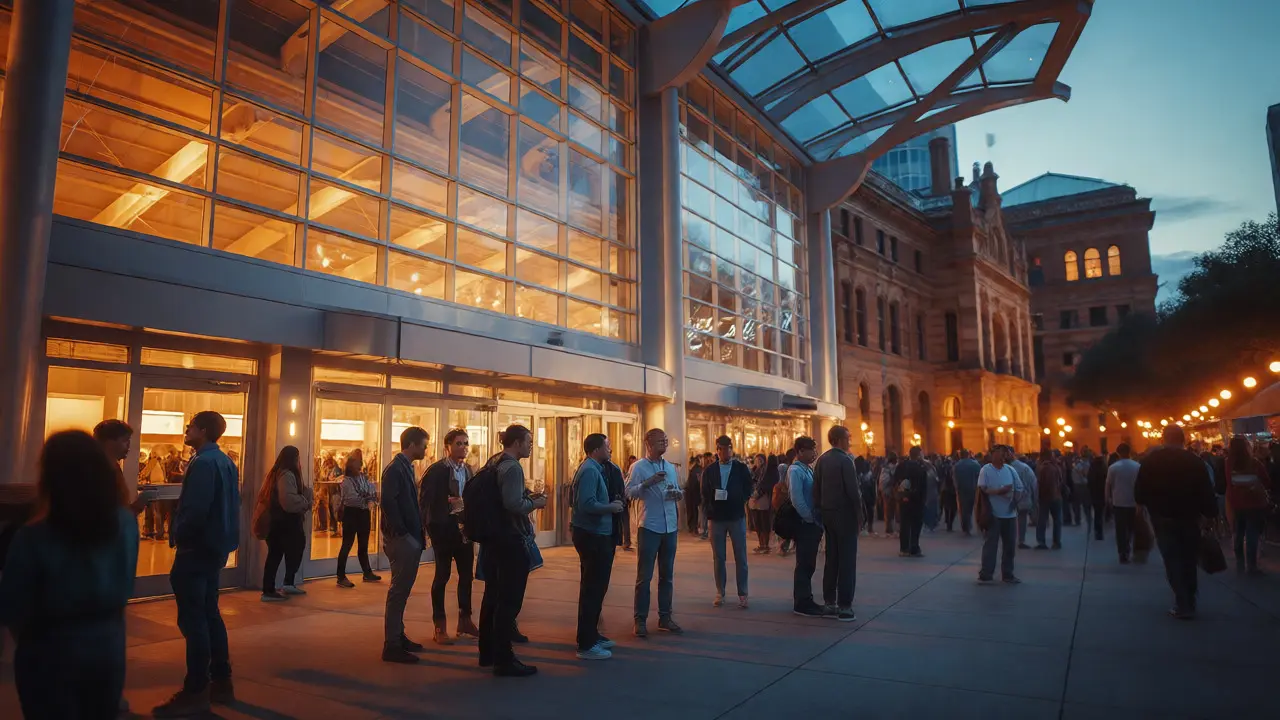
Austin traffic is legendary for a reason. Do not underestimate the time it takes to move between venues. The festival spreads across downtown Austin, but the core film screenings happen in three primary zones:
- The Alamo Drafthouse Downtown: This is the spiritual home of SXSW Film. If you want prestige premieres and high-profile Q&As, start here. It’s walkable from most hotels in the central district.
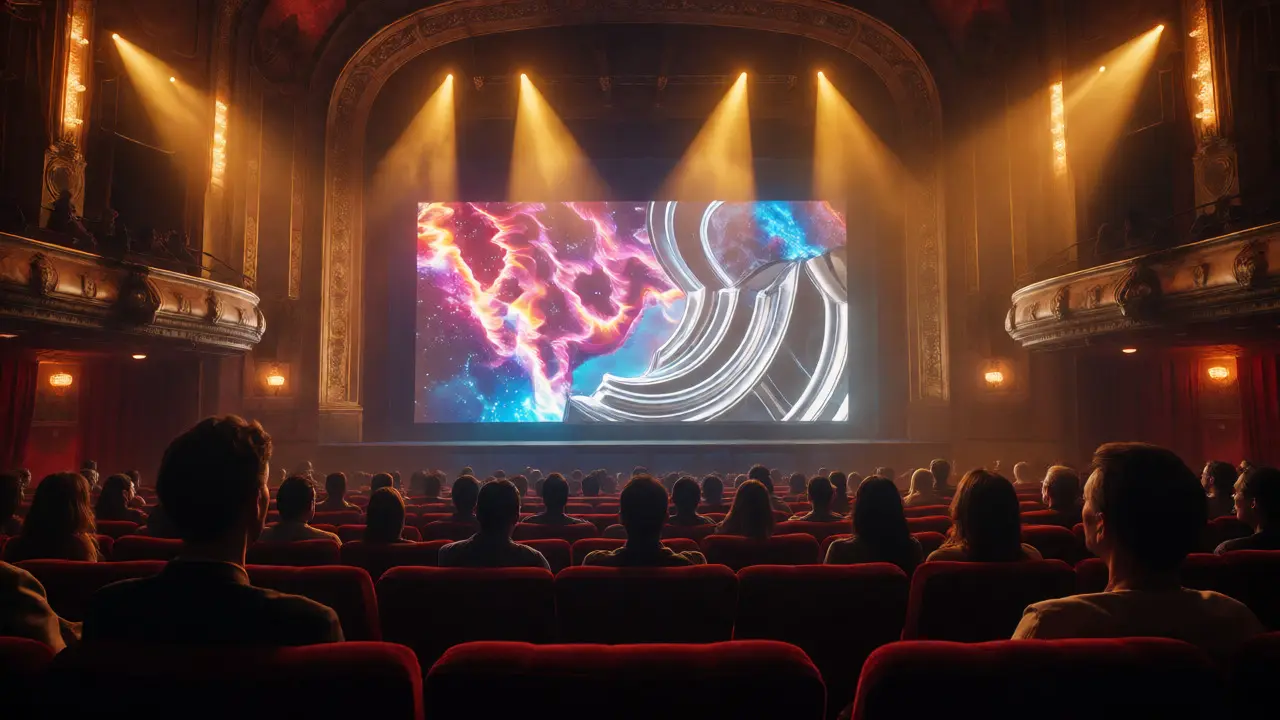
- The Paramount Theatre: Located on Congress Avenue, this historic venue hosts the larger gala screenings. Expect longer lines and stricter bag checks.
- The Texas Theatre: In Oak Cliff, this is for the grittier, more experimental selections. It’s a short ride-share away, so plan accordingly.
Pro tip: Buy your tickets early. General admission passes sold out within hours last year. If you miss out, look for "rush" tickets released daily at noon, but be ready to camp online.
The Programming Trends Dominating 2026
What are filmmakers actually making right now? The 2026 lineup reflects a post-pandemic maturity. We aren’t seeing the same wave of low-budget horror slashers that dominated 2018-2020. Instead, three distinct trends are taking center stage:
| Trend | Description | Why It Matters |
|---|---|---|
| AI-Assisted Narrative | Films using generative AI for background art or dialogue refinement, not replacement. | Shows the industry finding practical uses for new tech without losing human touch. |
| Hyper-Local Stories | Narratives set in specific US regions (Appalachia, Rust Belt) with authentic dialects. | Audiences crave specificity over generic global settings. |
| Hybrid Genres | Documentaries that use scripted reenactments or sci-fi elements. | Blurs the line between truth and storytelling, challenging traditional categories. |
Don’t skip the shorts program. SXSW shorts are often better than the features. They are tight, punchy, and frequently win distribution deals before the festival ends. If you only have time for one block of films, pick the Shorts Block 4.
Networking Without the Awkwardness
Everyone hates forced networking. SXSW tries to fix this with structured events like the "Speed Dating" sessions for filmmakers and investors. These are 7-minute rotations where you pitch your project or ask questions. It’s intense, but effective.
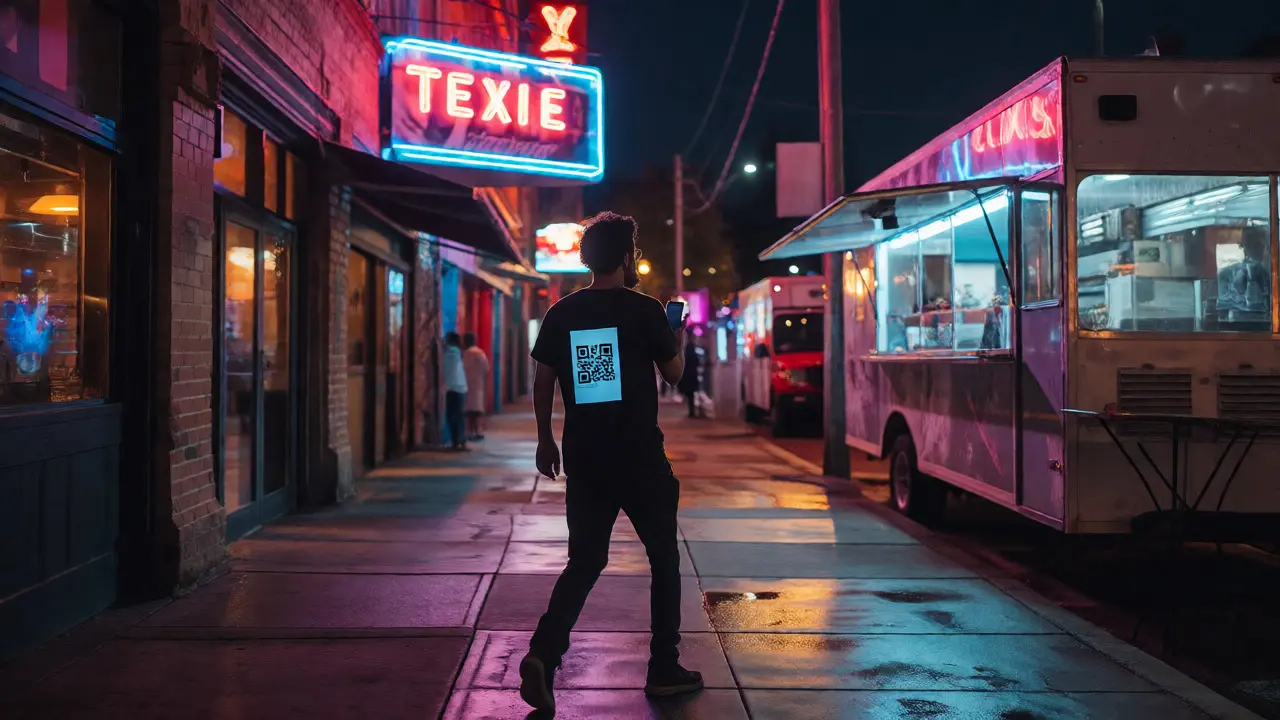
Here’s the rule of thumb: Don’t carry a stack of business cards. No one wants them. Have a QR code on your phone lock screen that links to your portfolio or LinkedIn. When you meet someone, scan their code. It’s faster, less wasteful, and shows you’re digitally literate-a crucial trait in modern filmmaking.
Also, leverage the app. The official SXSW app allows you to filter events by "Industry," "Music," or "Film." Set alerts for panels featuring directors whose work you admire. Showing up to a panel because you genuinely care about the topic makes conversation easier later. You already have common ground.
Budgeting for the Experience
Austin is expensive during SXSW. Hotel rates triple. Food costs rise. Here is a realistic breakdown for a solo attendee attending for four days:
- Accommodation: $1,200-$1,800 (if you didn’t book six months ago). Look for Airbnb rooms in East Austin for cheaper options.
- Food & Drink: $300-$400. Breakfast tacos are cheap ($10), but dinner at trendy spots adds up fast. Stick to food trucks for lunch.
- Transportation: $150. Rideshares surge in price after midnight. Walking is free and often faster in downtown grids.
- Badges: $500-$1,000 depending on tier. Full Access badges grant entry to all film screenings and many industry events.
Total estimated cost: $2,150-$3,300. If that stings, consider the "Film Only" badge. It’s cheaper and still gets you into every screening, though you’ll miss some exclusive industry mixers.
Survival Tips from the Trenches
I’ve walked these streets enough times to know the traps. First, hydration. You will drink too much coffee and not enough water. Carry a reusable bottle; there are filling stations everywhere. Second, comfortable shoes. You will walk 15,000 steps a day. Dress shoes are a mistake. Sneakers are mandatory.
Third, manage your FOMO (Fear Of Missing Out). You cannot see everything. There are always two great films playing at the same time. Pick one. Commit to it. Leaving a screening halfway through to chase another rumor usually results in missing both. Stay present. Engage with the film you chose. That’s where the real value lies-not in the quantity of content consumed, but in the depth of connection made.
Do I need an industry badge to attend SXSW Film Festival?
No. General audience badges allow you to purchase individual tickets for film screenings. However, industry badges provide guaranteed seating for popular films and access to exclusive networking events and parties. If you are a filmmaker or working in the industry, the badge pays for itself in opportunities.
How difficult is it to get tickets for premiere screenings?
Extremely difficult for major premieres. Tickets for headline films often sell out within minutes of release. Rush tickets are available but competitive. Your best strategy is to buy tickets as soon as the schedule drops or arrive at the venue very early for standby lists.
Is SXSW suitable for casual movie fans?
Yes, but with caveats. The atmosphere is intense and crowded. Casual fans should focus on the general admissions screenings and avoid the high-pressure industry mixers. It’s a unique way to see new movies before anyone else, but it requires planning and stamina.
What is the dress code for SXSW Film events?
There is no strict dress code, but "Smart Casual" is the safe bet. For galas, wear something stylish. For daytime screenings and panels, comfort is key. Most attendees wear jeans, t-shirts, and sneakers. Avoid formal wear unless you have a specific invitation to a black-tie event.
Can I watch SXSW films remotely?
In recent years, SXSW has offered hybrid models. Some panels are livestreamed, and select films may have virtual screenings. Check the official website closer to the date for current remote access policies, as these change annually based on demand and platform partnerships.