There is a specific feeling that hits you when the protagonist finally gets what they deserve. It’s not just satisfaction; it’s a release of tension that has been building since the opening credits. In cinema, Revenge is a narrative mechanism where a character seeks retribution for a perceived wrong, serving as the primary driver of plot progression. It transforms passive suffering into active agency. When we watch a hero or anti-hero hunt down their tormentor, we aren’t just watching violence; we are watching the restoration of moral order through personal action.
Why does this trope remain so dominant? Because real life rarely offers clean resolutions. The legal system can be slow, biased, or ineffective. Films use revenge to compress time and consequence, allowing the audience to experience immediate cause and effect. This article breaks down how rage functions as fuel, how justice is defined on screen, and why these stories continue to grip audiences from classic noir to modern thrillers.
The Anatomy of Cinematic Rage
Rage in film is rarely spontaneous. It is usually the result of accumulated grievances that have crossed a threshold. Writers construct this emotion through a specific sequence of events known as the "inciting incident." For the revenge arc to work, the audience must first believe the victim was powerless. If the protagonist could have easily fixed the problem earlier, the need for violent retribution feels unnecessary.
- The Wrong: Must be significant enough to justify extreme measures (murder, betrayal, loss).
- The Failure of Systems: Police, courts, or family often fail to provide relief, isolating the protagonist.
- The Transformation: The character shifts from victim to hunter. This change in demeanor signals to the viewer that the rules of engagement have changed.
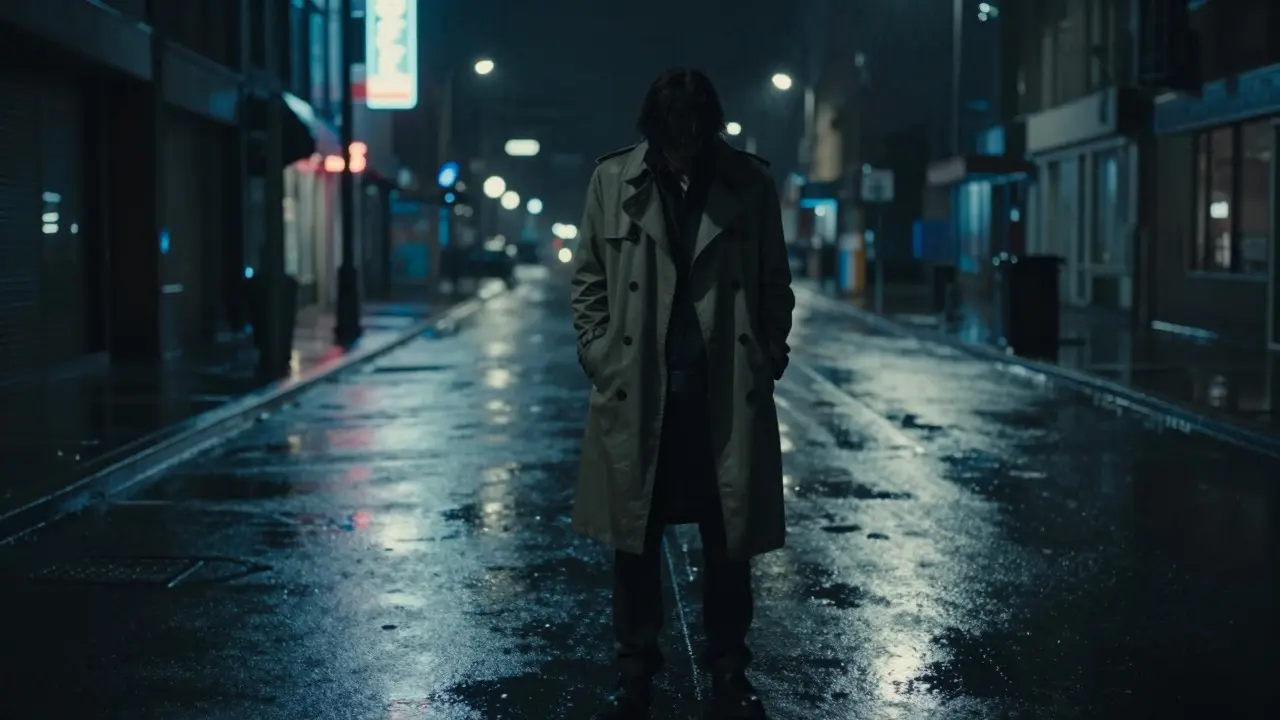
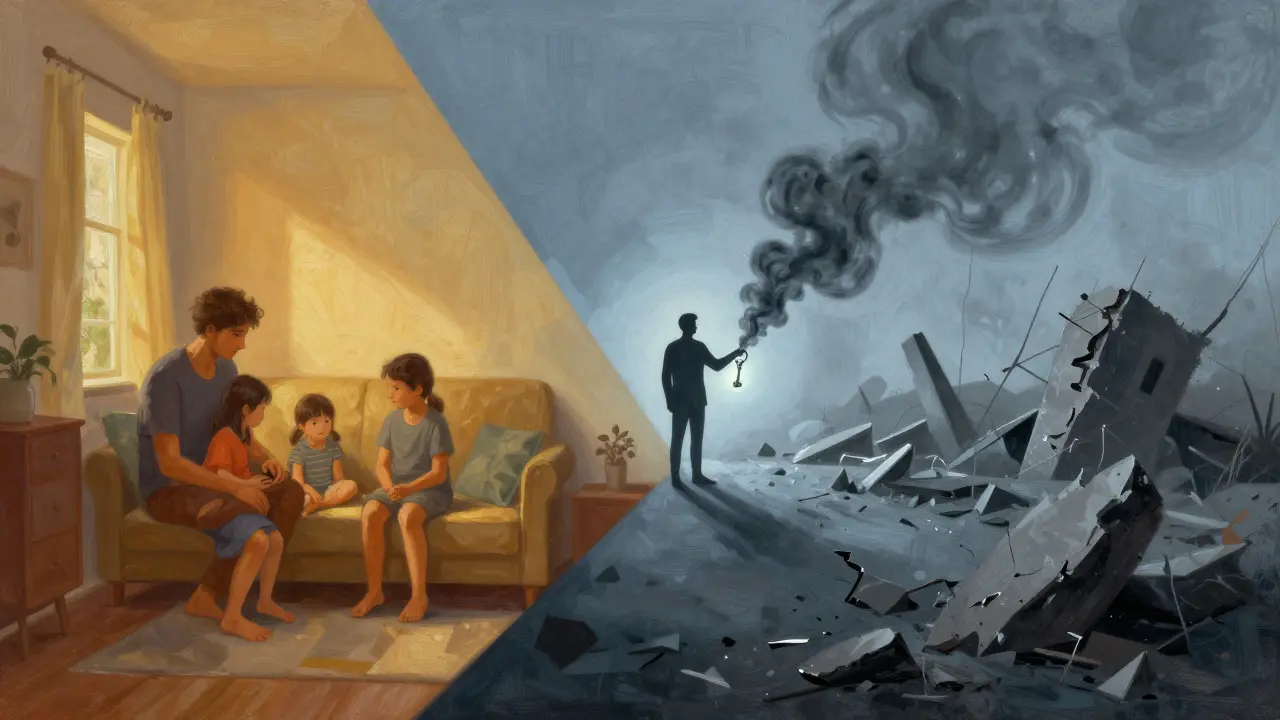
Consider the shift in tone. Before the rage takes over, scenes are often quiet, domestic, or mundane. After the trigger event, the color grading might become colder, the music more dissonant, and the editing faster. These visual cues tell us that the character is no longer playing by society’s rules. They are operating under the law of the self.
Justice vs. Vengeance: A Critical Distinction
A common misconception is that all revenge films are about vengeance. In narrative terms, there is a distinct difference between seeking justice and seeking vengeance. Justice implies a balanced restoration of order, often involving accountability. Vengeance is purely reactive and often disproportionate.
| Aspect | Justice-Driven Plot | Vengeance-Driven Plot |
|---|---|---|
| Motivation | Restoring balance/truth | Pain infliction/retribution |
| Protagonist State | Often rational, focused | Often unstable, emotional |
| Outcome | Closure, societal repair | Empty victory, new trauma |
| Example Archetype | The Vigilante Judge | The Avenging Ghost |
Films that lean into justice tend to have more sympathetic protagonists. Think of characters who methodically dismantle a corrupt organization rather than just killing one person. The audience roots for them because they feel like agents of correction. Conversely, pure vengeance stories often explore the psychological cost of holding a grudge. Does getting even actually make you feel better? Many directors argue no, using the ending to show that the cycle of violence consumes the avenger just as much as the victim.
Structural Beats of the Revenge Arc
Most successful revenge narratives follow a predictable but effective structural pattern. Understanding these beats helps explain why certain films feel satisfying while others feel rushed or unsatisfying.
- The Status Quo: Establishes the normal life and relationships of the protagonist.
- The Trauma: The inciting event that shatters the status quo.
- The Search for Resolution: The protagonist tries standard methods (police, lawyers) and fails.
- The Commitment: The decision to take matters into their own hands. This is the point of no return.
- The Hunt: A series of escalating confrontations with lower-level antagonists before reaching the main villain.
- The Climax: The final confrontation where the score is settled.
- The Aftermath: The emotional or physical cost of the revenge.
The "Hunt" phase is crucial for pacing. If the protagonist goes straight to the big bad, the story lacks texture. By defeating minor threats first, the film builds the protagonist's competence and raises the stakes. Each small win validates the decision to seek revenge, making the final climax feel earned.
Visual Language and Sound Design
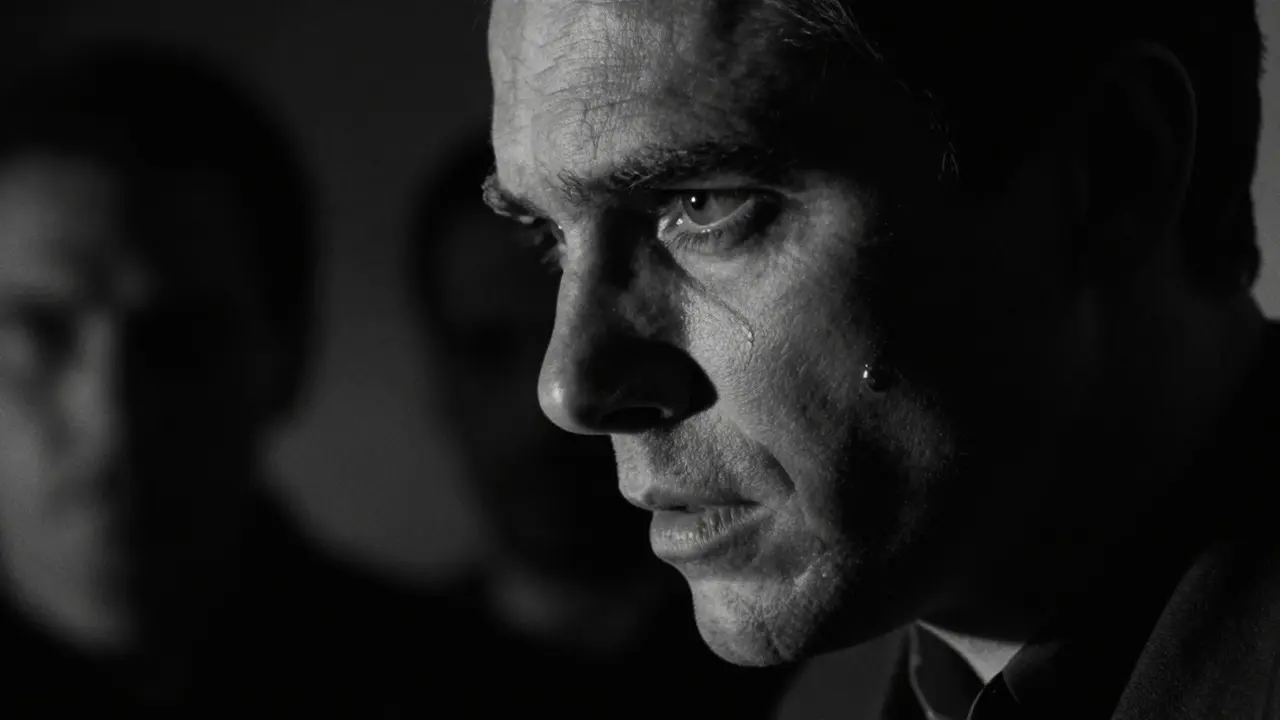
How a revenge story looks and sounds is just as important as the script. Directors use visual language to externalize internal rage. In older black-and-white films, shadows were used to obscure the face, symbolizing the moral ambiguity of the act. In modern cinema, we see this through desaturated colors and handheld camera work that creates a sense of instability and immediacy.
Sound design plays a pivotal role in signaling the shift from peace to war. Silence is often used before a strike, creating anticipation. Then, the sound of impact is exaggerated, almost visceral, to mirror the audience's desire for catharsis. Music scores in these films often move from melodic and warm themes to percussive, rhythmic patterns that mimic a heartbeat or footsteps, keeping the tension high throughout the chase sequences.
Modern Twists on an Ancient Trope
While the core structure remains similar, contemporary films often subvert expectations. We are seeing more female-led revenge stories that challenge traditional gender dynamics, where the protagonist uses intelligence and social manipulation rather than just brute force. There is also a growing trend of meta-revenge, where the film itself comments on the nature of revenge tropes.
Some recent works focus less on the physical fight and more on the economic or social destruction of the antagonist. Burning someone's reputation or draining their bank accounts can be just as powerful as a physical altercation. This shift reflects a changing audience that is increasingly interested in systemic failures rather than individual duels. The enemy is no longer just a person; it is an institution, a corporation, or a social norm.
Why We Keep Watching
Ultimately, we watch revenge films because they offer a controlled environment for exploring chaos. In daily life, our actions have long-term, unpredictable consequences. In film, the clock runs out, the credits roll, and the world resets. It allows us to simulate the ultimate power fantasy without bearing the real-world risk. Whether the ending is happy or tragic, the journey provides a clear path from pain to resolution, which is something many viewers find deeply comforting in an uncertain world.
What makes a revenge story satisfying to watch?
A revenge story is satisfying when the audience believes the punishment fits the crime and the protagonist's journey feels earned. Key factors include the failure of legitimate systems, a clear transformation of the protagonist, and a climax that resolves the central conflict decisively.
Is revenge always portrayed as good in movies?
No. While early genre films often framed revenge as heroic, modern cinema frequently explores the moral ambiguity of the act. Many films show that revenge comes at a high personal cost, leaving the protagonist isolated or traumatized, suggesting that vengeance is a destructive force rather than a healing one.
How does revenge differ from vigilante justice in film?
Vigilante justice typically involves a character acting to uphold broader societal laws or morals, often protecting others. Revenge is more personal and reactive, driven by specific grief or anger against a particular individual. Vigilantes often maintain a code of ethics, whereas avengers may abandon morality entirely to achieve their goal.
What role does the antagonist play in a revenge narrative?
The antagonist serves as the obstacle that forces the protagonist's hand. They must be compelling enough to justify the extreme measures taken against them. Often, the antagonist represents a systemic flaw or a specific type of corruption that the protagonist cannot navigate through normal channels, making them a necessary barrier to the protagonist's closure.
Why do directors use silence in revenge scenes?
Silence is used to create tension and focus the audience's attention on the protagonist's internal state. By removing background noise and music, the director emphasizes the isolation of the moment. It highlights the weight of the decision being made and amplifies the impact of the subsequent action or dialogue.