
You know that feeling when you watch a movie and realize the scriptwriter actually understood what it’s like to be different? For decades, LGBTQ+ family stories were either tragic endings or punchlines. But things have shifted. We’re seeing complex narratives where queerness isn’t the problem-it’s just part of the fabric of life. If you are looking for films that explore how love builds families outside the traditional mold, you need more than just a list of titles. You need context on why these stories matter right now.
This guide breaks down the essential films that tackle queer parenthood, chosen families, and intergenerational conflict. Whether you want to cry over a coming-of-age tale or cheer for a couple navigating adoption laws, there is a specific narrative here for you. Let’s look at the movies that changed the conversation.
The Evolution of Queer Parenting Narratives
Early queer cinema often focused on the struggle for acceptance within biological families. Think of the heartbreak in Love, Simon (2018), where the protagonist fears rejection from his parents. While powerful, this trope dominated the genre for years. The real shift happened when filmmakers started asking: What if the queer person is the parent?
Movies like The Kids Are All Right (2010) forced audiences to confront the reality of same-sex households. Here, two mothers raise children who seek out their biological father. It wasn’t about whether they could be good parents; it was about the messy, human dynamics of co-parenting. This film proved that lesbian family dramas could hold up against any straight relationship story.
Then came the nuance of race and class. Pariah (2011) didn’t just show a Black teenager coming out; it showed her mother trying to protect her from a world that punishes difference. These layers make the stories richer. They aren’t just about being gay; they are about survival, identity, and the definition of home.
Chosen Families: Finding Your People
Not every family comes with DNA. For many in the community, "family" means the friends who stay when relatives leave. This concept of the chosen family is central to modern queer cinema. It validates the networks we build ourselves.
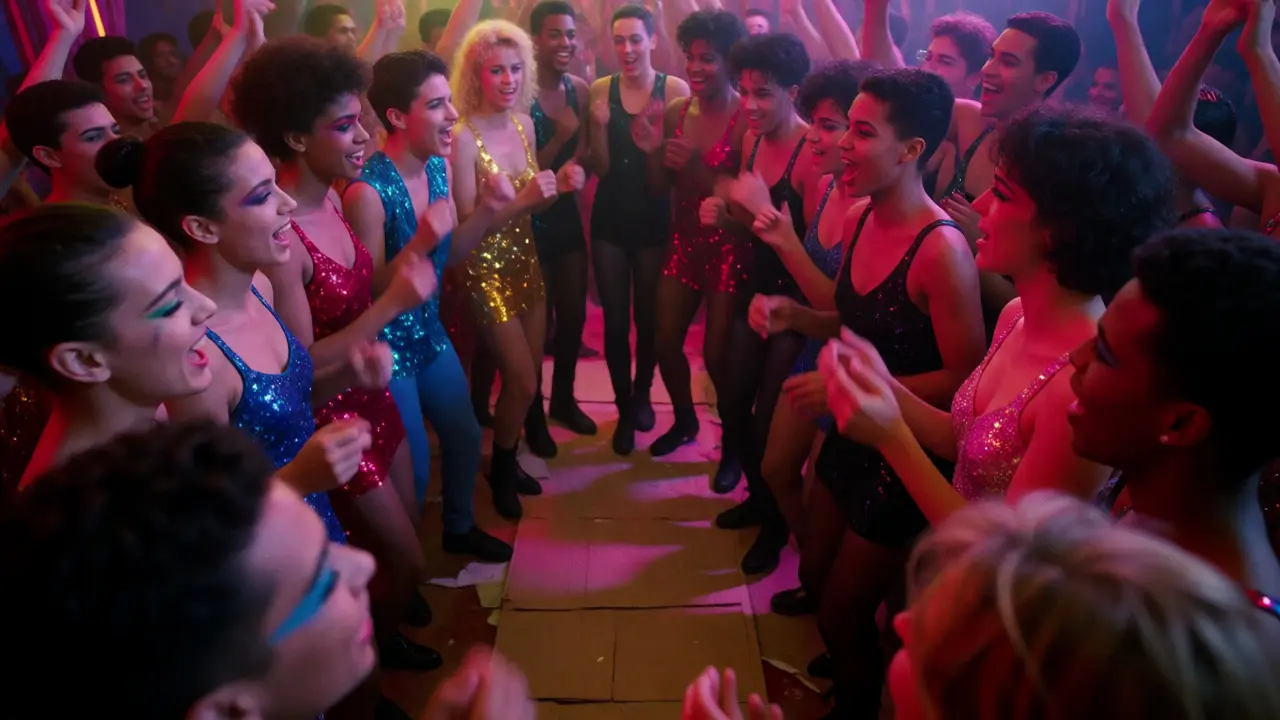
Paris Is Burning (1990) remains the gold standard here. It documents the ballroom scene in New York City during the 1980s. House mothers and fathers provided structure, discipline, and love to youth rejected by their homes. Watching these individuals create hierarchies and rituals shows us that family is a verb, not just a noun. It’s something you do.
More recently, Tangerine (2015) offered a raw, handheld look at friendship and survival among transgender sex workers in Los Angeles. The bond between Sin-Dee and Alexandra is fierce. They fight, they forgive, and they protect each other. This isn’t a polished Hollywood romance; it’s a testament to loyalty under pressure. If you want to understand the strength of non-biological bonds, start here.
Intergenerational Conflict and Reconciliation
The tension between older generations and younger queer identities provides some of the most dramatic material in film. How do parents reconcile their beliefs with their child’s truth? How do grandparents navigate pronouns and new names?
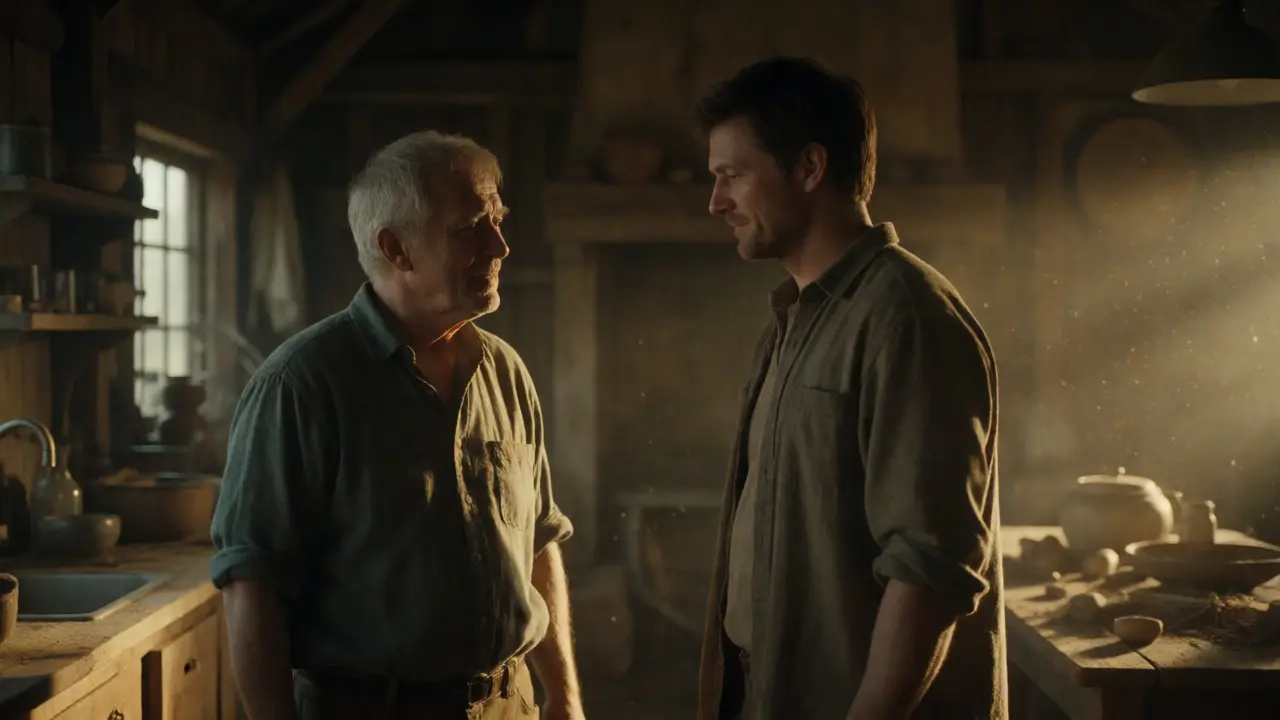
God’s Own Country (2017) touches on this through the lens of rural isolation. Johnny Saxby struggles with his father’s declining health and his own repressed sexuality. The arrival of a Romanian migrant worker changes everything. It’s a slow burn that highlights how physical labor and emotional openness can heal old wounds. The father-son dynamic is strained but ultimately hopeful.
Contrast that with Portrait of a Lady on Fire (2019). While primarily a romance, the family unit plays a crucial role. Marianne’s mother hires Héloïse’s mother to paint a portrait for an arranged marriage. The women in this household operate in a matriarchal space where men are absent. This absence allows for a unique exploration of female autonomy and artistic expression. It shows that family structures can exist entirely outside patriarchal norms.
| Film Title | Primary Family Structure | Core Conflict | Resolution Tone |
|---|---|---|---|
| The Kids Are All Right | Same-sex couple + bio dad | Identity confusion / Infidelity | Realistic / Compromised |
| Paris Is Burning | Chosen Family (Ballroom Houses) | Social exclusion / Poverty | Documentary / Resilient |
| Call Me By Your Name | Supportive Nuclear Family | Internalized shame / Loss | Bittersweet / Growth |
| Boy Erased | Religious Conservative Family | Conversion therapy trauma | Healing / Distance |
| Tomboy | Nuclear Family (Gender Non-Conforming) | Peer acceptance / Misunderstanding | Ambiguous / Hopeful |
Transgender Parenthood and Identity
For a long time, transgender characters were sidekicks or victims. Recently, they’ve become protagonists with full lives, including careers and children. This visibility matters because it normalizes trans existence beyond transition narratives.
Disclosure (2020) is a documentary that analyzes how Hollywood has portrayed trans people. It critiques the "trans panic" trope and celebrates moments of genuine representation. But for narrative fiction, look at Laurence Anyways (2012) by Xavier Dolan. It spans ten years, following a man who transitions while maintaining his relationship with his partner. The film explores how a romantic partnership evolves into a familial bond when gender shifts. It’s visually stunning and emotionally exhausting in the best way.
Another key title is Being Mary Jane’s creator’s work, but specifically, let’s talk about My Days of Mercy (2017). While not strictly about parenting, it deals with deep familial ties complicated by ideology. However, for actual parenting, And Then There Was Light or smaller indie hits like Disobedience (2017) show how religious families grapple with queer daughters returning home. These films don’t offer easy answers. They sit in the discomfort, which is exactly where growth happens.
How to Choose Your Next Watch
With so many options, picking the right film depends on your mood and what aspect of family dynamics interests you. Do you want a tearjerker? A thriller? A historical piece?
- For pure emotion: Watch Call Me By Your Name. The final monologue by the father is one of the most supportive parental speeches in cinema history.
- For social commentary: Pick Do the Right Thing (though less queer-focused) or Pride (2014). Pride shows the alliance between gay activists and Welsh miners. It’s funny, uplifting, and historically significant.
- For realistic parenting: Go with The Kids Are All Right or Modern Family (if you prefer TV). These show the mundane arguments about chores and school runs, not just coming-out scenes.
- For international perspectives: Try Weekend (UK) for short-term intimacy or Happy Together (HK) for toxic codependency. Different cultures frame family obligations differently.
Remember that no single film represents the entire community. A white, wealthy couple’s experience differs vastly from a working-class trans mom’s journey. Seek variety. Check director backgrounds. Often, films made by queer creators themselves carry an authenticity that outsiders miss.
Why These Stories Still Matter in 2026
You might wonder why we still need these films. Haven’t we moved past the struggle? Look at recent legislative battles across the United States regarding drag bans and bathroom bills. Representation isn’t just art; it’s political armor.
When a mainstream audience sees a queer family handling a crisis-like a death in the family or a financial hardship-they stop seeing "the gay issue." They see people. That normalization reduces prejudice faster than any protest sign. Films like Rocketman or Bohemian Rhapsody brought queer icons to mass audiences, but independent films keep the intimate, everyday truths alive.
Supporting these films helps fund future projects. Streaming algorithms favor engagement. When you watch, rate, and discuss these movies, you signal to studios that diverse family stories sell. It’s a small action with a tangible impact on what gets greenlit next.
Are there any recent films about trans parents?
Yes, though they are rarer. Laurence Anyways covers the transition within a long-term partnership. More recently, series like Pose have expanded this ground significantly. For feature films, look for emerging indie directors focusing on non-binary parenting roles.
What is the best film for understanding chosen families?
Paris Is Burning is the definitive documentary on this topic. For a fictional narrative, Tangerine offers a gritty, realistic look at how friends become family in high-stress environments.
Do all LGBTQ+ family films end happily?
No. Many classic films ended in tragedy due to censorship codes. Modern films tend toward bittersweet or realistic endings rather than purely happy ones. Brokeback Mountain is a famous example of a tragic ending, while Love, Simon offers a hopeful one.
Which films address religious families and queerness?
Boy Erased tackles conversion therapy in a Baptist family. God’s Own Country deals with rural Christian conservatism. Disobedience explores Orthodox Jewish traditions clashing with queer identity.
Is there a good comedy about gay dads?
Two Dads (TV series) is popular, but for films, The Birdcage (1996) is a classic comedy featuring a gay couple raising a son. It’s campy but heartfelt.







Comments(9)