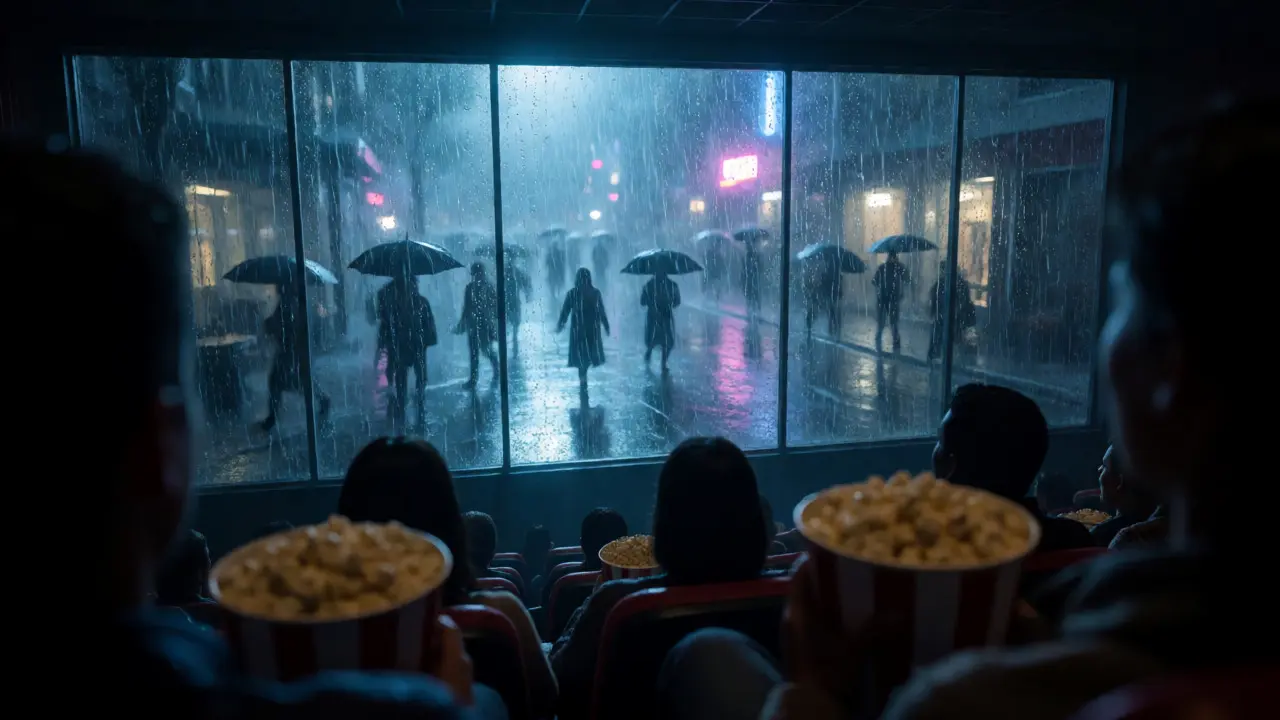
You’re sitting in a darkened theater, the popcorn bucket halfway to your mouth, when you realize the rain is hammering against the windows outside. Or maybe it’s a blistering heatwave, and the only place with air conditioning within a ten-mile radius is the local multiplex. It’s a common thought among moviegoers and studio executives alike: does bad weather actually sell tickets? The short answer is yes, but it’s not as simple as "rain equals profit." The relationship between weather and box office revenue is a complex dance of psychology, logistics, and timing.
When we talk about the Box Office, we aren’t just talking about raw ticket sales. We are looking at consumer behavior under pressure. If you’ve ever wondered why a blockbuster like Avatar might perform differently on a sunny Saturday versus a rainy one, you’re touching on one of the most studied variables in entertainment economics. Let’s break down how atmospheric conditions influence our decision to leave the couch and enter the cinema.
The Rainy Day Effect: A Statistical Reality
It sounds counterintuitive. Shouldn’t people stay home when it’s pouring? Actually, data suggests the opposite for specific genres. When the weather turns nasty-specifically heavy rain or snow-people who were already planning to go out often choose the cinema because it offers shelter and entertainment in one package. This is what industry analysts call the "substitution effect." You can’t play golf in a storm. You can’t hike. But you can watch a movie.
However, this benefit isn’t universal. Light drizzle might encourage a walk to the theater, but a full-blown hurricane warning will keep everyone indoors regardless of their desire for escapism. The sweet spot seems to be moderate inclement weather. According to historical data from major markets like Los Angeles and New York, ticket sales for action and horror films tend to spike by 10-15% during days with significant precipitation compared to clear, mild days. Why? Because these genres offer high-intensity experiences that justify the hassle of dealing with wet shoes and traffic.
Heatwaves and Cold Snaps: The Comfort Factor
If rain drives people to theaters for convenience, extreme temperatures drive them there for survival-or rather, comfort. In July and August, when temperatures soar above 90°F (32°C) in many US cities, cinemas become essential cooling centers. This phenomenon is particularly strong in regions without widespread residential central air conditioning or where electricity costs make running AC all day prohibitive.
Conversely, deep freezes in northern climates have a similar effect. Walking through sub-zero winds is miserable; sitting in a heated auditorium is pleasant. Studies from Canada and the Northern US indicate that family-oriented films see a notable uptick during cold snaps. Parents looking for indoor activities for children find the cinema to be a safe, warm alternative to playgrounds or outdoor malls. The key metric here isn’t just temperature, but the perceived discomfort of being outdoors. If leaving the house feels like a chore, the cinema becomes a sanctuary.
| Weather Condition | Primary Impact | Affected Genres | Magnitude of Change |
|---|---|---|---|
| Heavy Rain/Snow | Substitution Effect | Action, Horror, Thriller | +10-15% Sales |
| Extreme Heat (>90°F) | Comfort Seeking | Family, Comedy, Animation | +8-12% Sales |
| Extreme Cold (<32°F) | Shelter Seeking | Family, Drama, Musicals | +5-10% Sales |
| Sunny/Mild | Opportunity Cost | All Genres | -5-10% vs Inclement |
| Severe Storm Warning | Cancellation | All Genres | -20%+ Sales |
The Opportunity Cost of Sunshine
Here is the flip side. Beautiful weather is the biggest competitor to the movie theater. When the sun is shining, temperatures are perfect, and the weekend forecast looks great, people want to be outside. They go to parks, beaches, hiking trails, and outdoor festivals. This creates an "opportunity cost" for staying indoors. Why spend two hours in a dark room when you could be enjoying nature?
This dynamic disproportionately affects smaller independent films and dramas. These movies rely on a more deliberate audience choice. Action blockbusters might still draw crowds because they are event-driven, but a quiet indie romance needs a reason for people to stay inside. On a perfect 75°F day with blue skies, box office numbers for non-blockbuster titles often dip. Studios know this. That’s why many prestige dramas and awards-season contenders are released in late winter or early spring, avoiding the direct competition with peak outdoor leisure seasons.

Regional Differences: Not All Markets Are Equal
You cannot apply a single weather rule globally. The impact of weather varies drastically by geography. In Seattle, where rain is a constant companion, a rainy Tuesday doesn’t send anyone rushing to the cinema. It’s just Tuesday. However, in Phoenix, Arizona, a sudden drop in temperature from 110°F to 85°F might actually cause a slight dip in attendance because people suddenly feel comfortable going outside again.
Coastal cities present another challenge. Hurricanes and typhoons don’t just change the mood; they shut down infrastructure. During Hurricane Ian in Florida, entire regional box offices went dark for days. The financial loss wasn’t just about missed tickets; it was about marketing budgets wasted on ads that no one saw because power was out. Conversely, in London, a typical gray drizzle is so normalized that it has negligible impact on attendance patterns compared to the dramatic swings seen in desert or tropical climates.
How Studios Leverage Weather Data
Modern studios don’t just guess. They use sophisticated algorithms that blend meteorological forecasts with historical sales data. Companies like Rentrak (now Comscore) track real-time data that allows distributors to adjust marketing spends dynamically. If a major storm is predicted to hit the Midwest over a holiday weekend, studios might pull back advertising dollars in those regions and shift them to unaffected areas like the Southwest.
Furthermore, release dates are chosen with climate in mind. Summer releases target the "heatwave crowd," while fall releases aim for the "back-to-school" routine combined with increasingly unpleasant autumn weather. The goal is to align the viewing experience with the environmental context. Watching a chilling horror movie like The Conjuring feels more impactful when it’s already gloomy outside. The atmosphere bleeds into the screen, enhancing the immersion.

Streaming Services: The Indoor Competitor
We can’t discuss weather and box office without addressing the elephant in the living room: streaming. Platforms like Netflix and Disney+ also thrive in bad weather. So, if it’s raining, do people go to the theater or stay home and stream?
The distinction lies in the "event" factor. Bad weather encourages consumption of content, but it doesn’t automatically mean theatrical attendance. For casual viewers, a rainy night means Netflix. For fans of big-screen spectacles, it means IMAX. Theaters compete with streaming on scale and social experience. If the weather makes leaving the house difficult, the barrier to entry for the theater rises. People need a stronger motivation-like a highly anticipated sequel-to brave the elements. This has led to a bifurcation where huge blockbusters survive weather dips better than mid-budget films, which struggle to convince people to deal with traffic and parking in a downpour.
Practical Takeaways for Industry Insiders
If you’re working in film distribution or marketing, understanding these dynamics can save money and boost visibility. Here are a few actionable insights:
- Monitor Local Forecasts: Don’t just look at national averages. Regional weather anomalies can skew opening weekend numbers significantly.
- Adjust Ad Spend: Shift digital ad budgets away from areas facing severe weather disruptions and toward regions with favorable cinema-going conditions.
- Genre Alignment: Promote horror and thrillers more aggressively during gloomy months. Highlight family comedies during extreme heat or cold periods.
- Real-Time Response: Use social media to engage audiences during unexpected weather events. A tweet saying "Escape the rain with us tonight" can drive last-minute ticket sales.
Ultimately, weather acts as a filter. It filters out casual viewers who prefer low-effort entertainment options and retains those with higher intent. While it can’t create demand out of thin air, it certainly shapes the curve of that demand. As climate patterns shift and extreme weather events become more frequent, understanding this correlation will only become more critical for predicting box office success.
Does rain always increase box office sales?
No, not always. Moderate rain often boosts sales for action and horror films due to the substitution effect. However, severe storms or hurricanes can lead to closures and significant drops in attendance across all genres.
Why do hot days help family movie sales?
Extreme heat drives families indoors seeking air-conditioned environments. Cinemas provide a cool, safe space for children and parents, making family-friendly films particularly popular during heatwaves.
How does sunshine affect movie attendance?
Sunny, mild weather typically decreases box office attendance because consumers prefer outdoor activities. This "opportunity cost" makes it harder for theaters to attract casual viewers unless the film is a major event.
Do studios use weather data for marketing?
Yes, modern studios use predictive analytics that combine weather forecasts with historical sales data to optimize advertising spend and release strategies regionally.
Which genres benefit most from bad weather?
Action, horror, and thriller genres often see increased attendance during rainy or snowy conditions because these films offer high-energy escapism that justifies traveling in poor weather.