Ever wondered why the coffee on a movie set is so good? It’s not just for the actors. Craft services is a dedicated service that provides beverages, snacks, and light meals to cast and crew throughout a production day. While it sounds simple, managing this aspect of Film production involves complex logistics, strict health regulations, and careful budget management. Get it wrong, and you risk tired actors, slow workdays, or even health code violations. Get it right, and you boost morale, keep energy levels high, and ensure the shoot stays on schedule.
The Core Difference: Catering vs. Craft Services
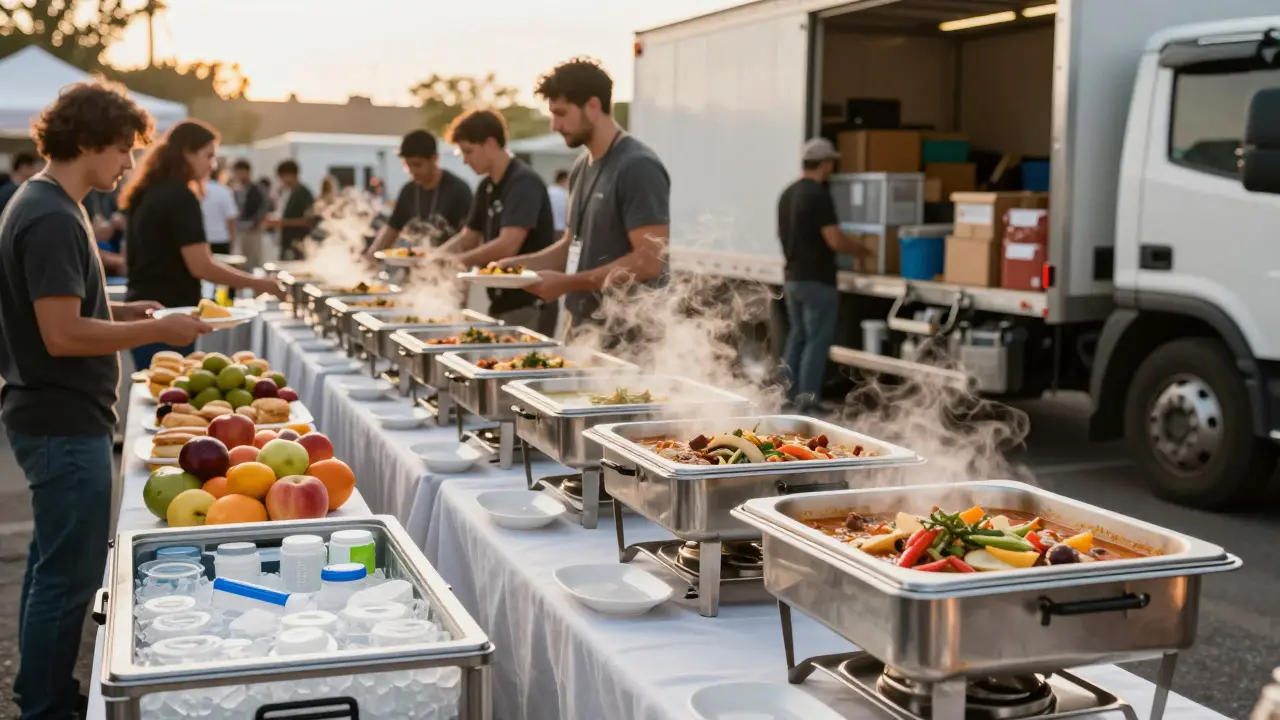
Many people use these terms interchangeably, but they serve distinct purposes on a working set. Understanding the difference is the first step in planning effectively. On-set catering typically refers to full hot meals served at specific times, usually lunch and dinner. In contrast, craft services are available all day long. They include coffee, tea, water, fruit, pastries, and sometimes sandwiches or soups.
Think of it this way: Catering is the scheduled meal break where everyone sits down together. Craft services are the constant fuel station that keeps the engine running between breaks. A standard 12-hour shoot might have one main catering lunch and one dinner, but craft services operate from the moment the first person arrives until the last one leaves. This distinction matters because it affects how you budget and how you staff your kitchen team.
Health Standards and Food Safety
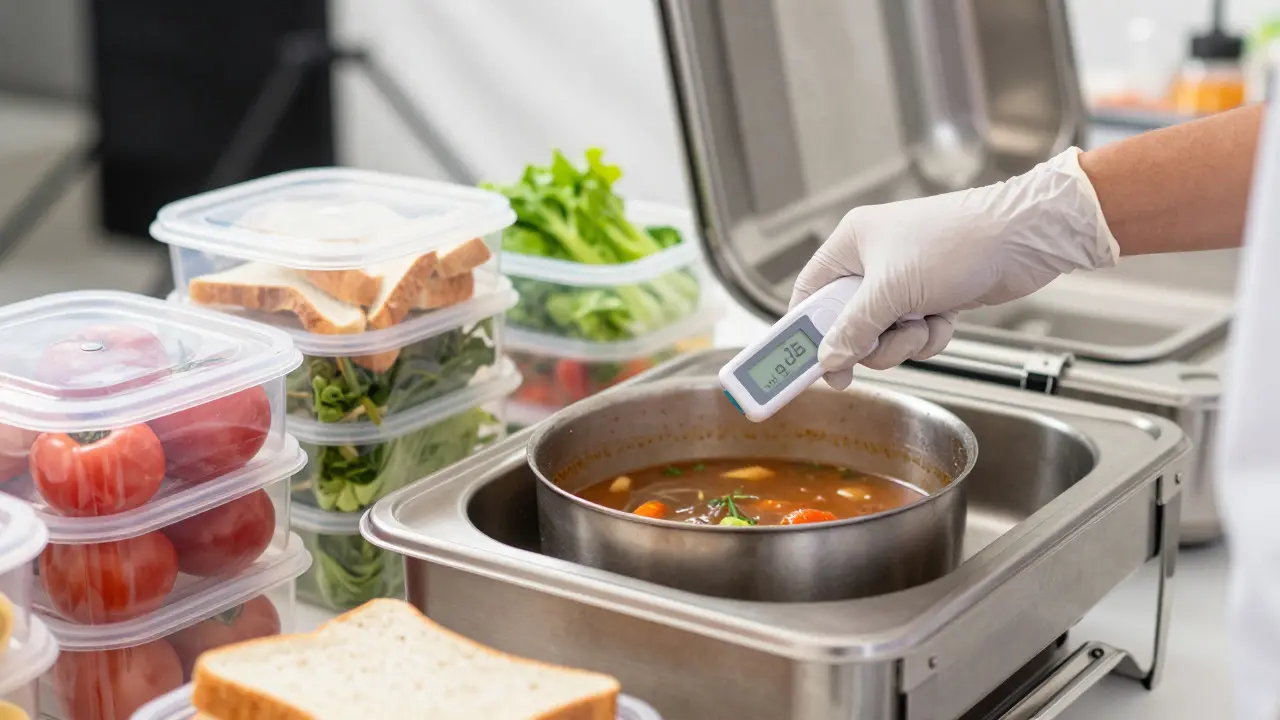
Food safety isn’t just about avoiding sick actors; it’s about legal compliance and protecting the production investment. When serving hundreds of people in varying conditions-from hot outdoor locations to cold indoor stages-hygiene is critical. The primary concern is temperature control. Perishable foods must stay below 40°F (4°C) or above 140°F (60°C) to prevent bacterial growth. This is known as the "danger zone."
To manage this, production teams rely on Chafing dishes for hot food and Ice chests for cold items. Every dish should be labeled with the date prepared and the time it was taken out of storage. If a soup has been sitting out for more than two hours, it’s usually safer to throw it away than risk a case of food poisoning that could halt the entire shoot.
Allergen awareness is another huge factor. With diverse crews, knowing who has nut allergies, dairy sensitivities, or gluten intolerances is essential. Labeling ingredients clearly on every dish helps prevent accidental reactions. Some productions now hire dietitians or consult with them to ensure balanced nutrition, especially for long shoots that can last 14 hours or more.
Logistics: Planning the Supply Chain
Logistics is where most catering plans fail. You need the right amount of food at the right time, in the right place. Over-ordering leads to waste and higher costs. Under-ordering means hungry crew members and lost productivity. The key is accurate headcount forecasting.
Start by confirming the daily call sheet. How many actors, directors, crew members, and extras will be present? Extras often eat differently than the core crew, so segmenting your orders helps. For example, if you have 50 extras and 30 core crew, you might order bulk sandwiches for the extras and premium options for the core team. Timing is equally important. Food should arrive before the break starts, not during it. Delays in delivery can cause bottlenecks, making the break longer and throwing off the shooting schedule.
Transportation is another logistical hurdle. Moving hot food from a central kitchen to a remote location requires insulated containers. If the drive is over 30 minutes, consider using mobile kitchens or ordering directly from a local vendor near the set. This reduces transit time and keeps food quality high.
Budgeting and Cost Management
Catering is a significant line item in any production budget. Typically, it accounts for 2-5% of the total production cost, depending on the scale and duration of the project. To manage this, producers often negotiate package deals with vendors. These packages usually include per-person rates for meals and flat fees for equipment like chafers and ice.
Keep an eye on hidden costs. Delivery fees, service charges, and tips can add up quickly. Negotiate these into the contract upfront. Also, consider the value of morale. While saving money is important, skimping too much on food quality can lead to fatigue and lower performance. A well-fed crew works faster and makes fewer mistakes, which can save far more money in reshoots or overtime later.
Special Considerations: Location and Environment
The shooting location dictates your catering strategy. Filming on a beach in summer requires different solutions than filming in a soundstage in winter. Outdoor sets face challenges like wind, dust, and extreme temperatures. Using covered stations and fly screens can protect food from insects and debris. Indoor sets may lack space for large kitchens, requiring compact setups and efficient waste management.
Remote locations pose unique difficulties. If you’re shooting in a forest or a rural area, access to reliable power and water might be limited. Generators and water tanks become essential infrastructure. Vendors experienced in remote productions know how to set up self-sufficient units that don’t rely on local utilities. Always scout the location for power sources and parking space for delivery trucks early in the pre-production phase.
Building Relationships with Vendors
Your relationship with your caterer is crucial. A good vendor understands the pace of film production. They know that schedules change last minute, that actors might need special diets, and that speed is everything. Look for vendors who have experience with Television production or similar fast-paced environments. Ask for references from other producers or unit managers.
Communication is key. Establish a clear chain of command. Who does the caterer report to? Usually, it’s the Production Manager or the Unit Publicist. Ensure there is a single point of contact to avoid mixed messages. Regular check-ins during pre-production help align expectations regarding menu preferences, dietary restrictions, and service styles.
Common Pitfalls to Avoid
Even experienced teams make mistakes. Here are some common pitfalls to watch out for:
- Ignoring Dietary Restrictions: Failing to label allergens or provide vegetarian options can lead to unhappy crew members and potential health issues.
- Poor Temperature Control: Leaving food out too long is a major health risk. Use thermometers regularly.
- Inadequate Staffing: Not having enough servers can lead to long lines and wasted break time.
- Lack of Waste Management: Accumulating trash on set creates hygiene issues and can attract pests. Have regular trash collection schedules.
- Underestimating Portion Sizes: Hungry people eat more. Better to have a little extra than run out mid-break.
Enhancing Morale Through Food
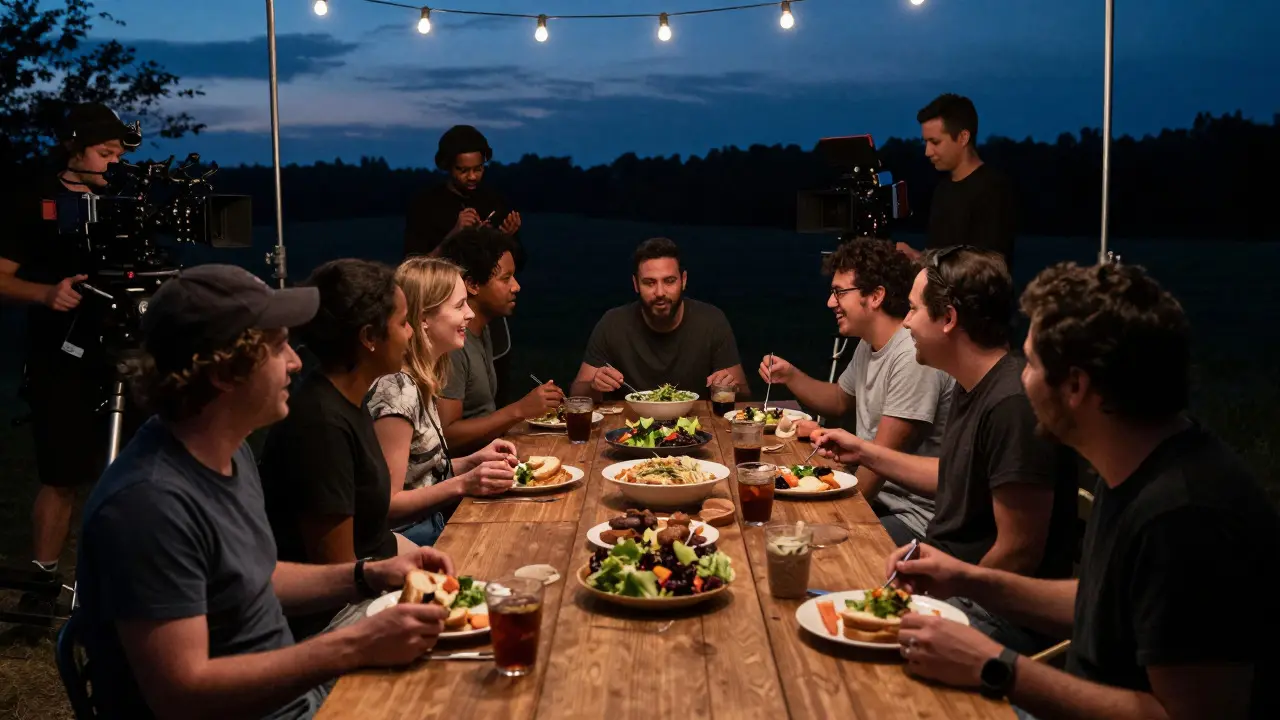
Food is more than fuel; it’s a social glue. Shared meals bring people together, fostering teamwork and camaraderie. Offering variety keeps things interesting. Rotate menus weekly to prevent boredom. Include seasonal fruits and fresh baked goods. Sometimes, a small treat like dessert after a particularly tough scene can lift spirits significantly.
Consider the cultural background of your crew. Including international flavors or familiar comfort foods from different regions can make the set feel more inclusive. This attention to detail shows that you care about the people behind the camera, which translates into better work and a positive set culture.
| Feature | On-Set Catering | Craft Services |
|---|---|---|
| Timing | Scheduled meals (Lunch/Dinner) | All-day availability |
| Content | Hot entrees, sides, salads | Coffee, tea, fruit, snacks, pastries |
| Purpose | Main nutritional intake | Energy maintenance and hydration |
| Staffing | Large team for setup/service | Small team for restocking |
| Budget Impact | Higher per-person cost | Lower per-person cost, continuous expense |
Next Steps for Producers
If you’re planning your next shoot, start by defining your needs early. Identify your headcount, location constraints, and budget limits. Reach out to three or four vendors for quotes and compare their offerings. Don’t just look at price; look at their experience and flexibility. Once you’ve chosen a partner, establish clear communication protocols. Schedule a tasting session if possible, especially for large productions. Finally, monitor the service daily. Adjust portions and menus based on feedback. Good catering is invisible when it works perfectly-it just keeps the show moving.
How much should I budget for on-set catering?
A general rule of thumb is to allocate 2-5% of your total production budget to catering and craft services. However, this varies based on the number of people, the duration of the shoot, and the complexity of the menu. Always get detailed quotes from vendors to refine this estimate.
What are the biggest health risks associated with set catering?
The primary risks are foodborne illnesses due to improper temperature control and cross-contamination. Keeping cold foods below 40°F and hot foods above 140°F is critical. Additionally, failing to label allergens can lead to severe allergic reactions among crew members.
How do I handle dietary restrictions on a diverse set?
Collect dietary information during the casting and hiring process. Clearly label all dishes with ingredients and potential allergens. Offer a variety of options, including vegetarian, vegan, and gluten-free choices. Communicate with your caterer to ensure they can accommodate specific medical diets if needed.
Can I use the same vendor for both catering and craft services?
Yes, and it’s often recommended. Using a single vendor simplifies logistics, billing, and communication. They understand the full scope of the production’s needs and can coordinate timing and resources more efficiently. Just ensure their contract covers both services clearly.
What happens if the weather changes during an outdoor shoot?
Have a contingency plan. If it rains, move the craft services tent to a covered area. If it gets extremely hot, increase the supply of cold drinks and ice. Your caterer should be flexible enough to adjust the menu or setup based on real-time weather conditions. Keep extra tarps and heating elements on hand.