Ten years ago, if you wanted to make a documentary about climate change in the Arctic, you’d knock on the door of a TV network. Today, you send a pitch to a streaming platform. The rules of who pays for real stories have changed-and fast.
Who Used to Pay for Documentaries?
For decades, public broadcasters like the BBC, PBS, ARD, and France Télévisions were the backbone of documentary funding. They didn’t chase clicks. They chased impact. A documentary about indigenous land rights in Canada might get a $500,000 budget because it aligned with their public service mission, not because it had viral potential. These networks had dedicated documentary units, editorial teams, and long-term archives. They took risks on slow-burn films that might never make a profit but could win Oscars or change policy.
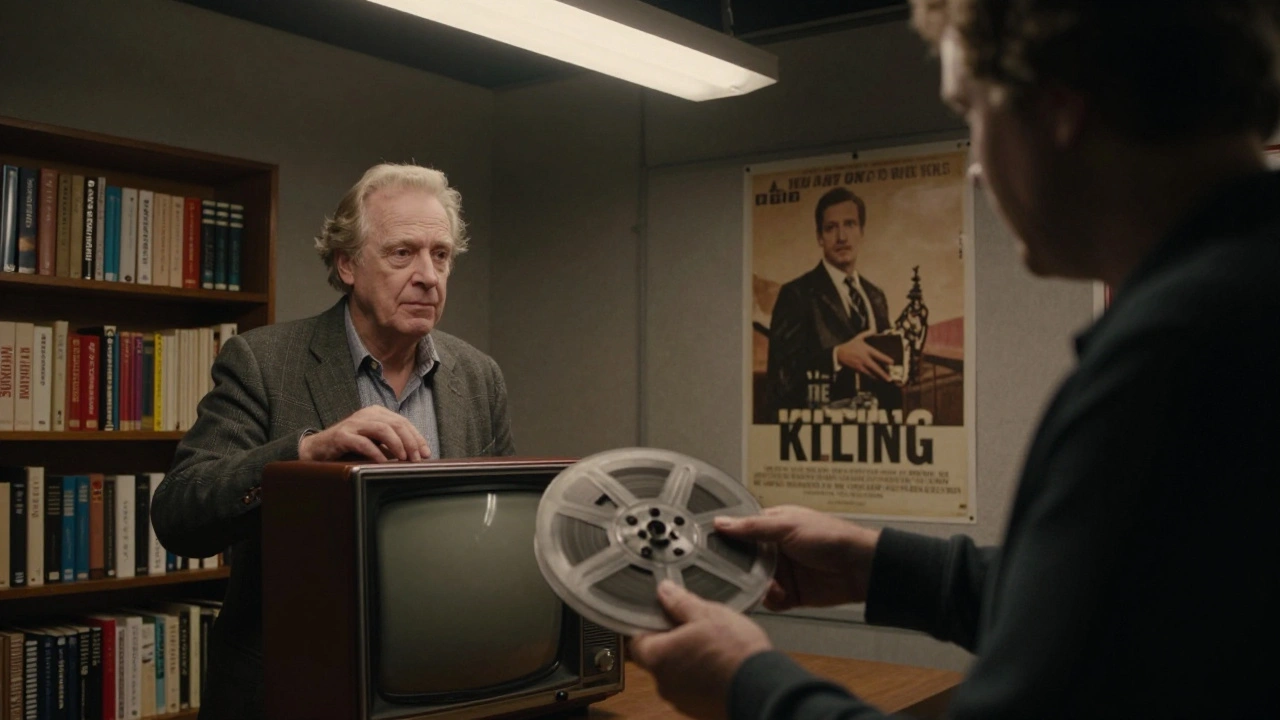
Take The Act of Killing (2012). It was co-funded by the BBC and Danish National TV. It didn’t have celebrities, no action scenes, just haunting interviews with former death squad leaders. It made $1.2 million globally. That’s not a blockbuster. But it was enough because the broadcasters saw its value beyond box office numbers.
How Streamers Changed the Game
Then came Netflix, Amazon, Hulu, and Apple TV+. They didn’t just enter the space-they rewrote it. Streaming platforms didn’t have legacy budgets or public mandates. They had algorithms, subscriber growth targets, and global reach. Their goal wasn’t to inform a nation-it was to keep people watching.
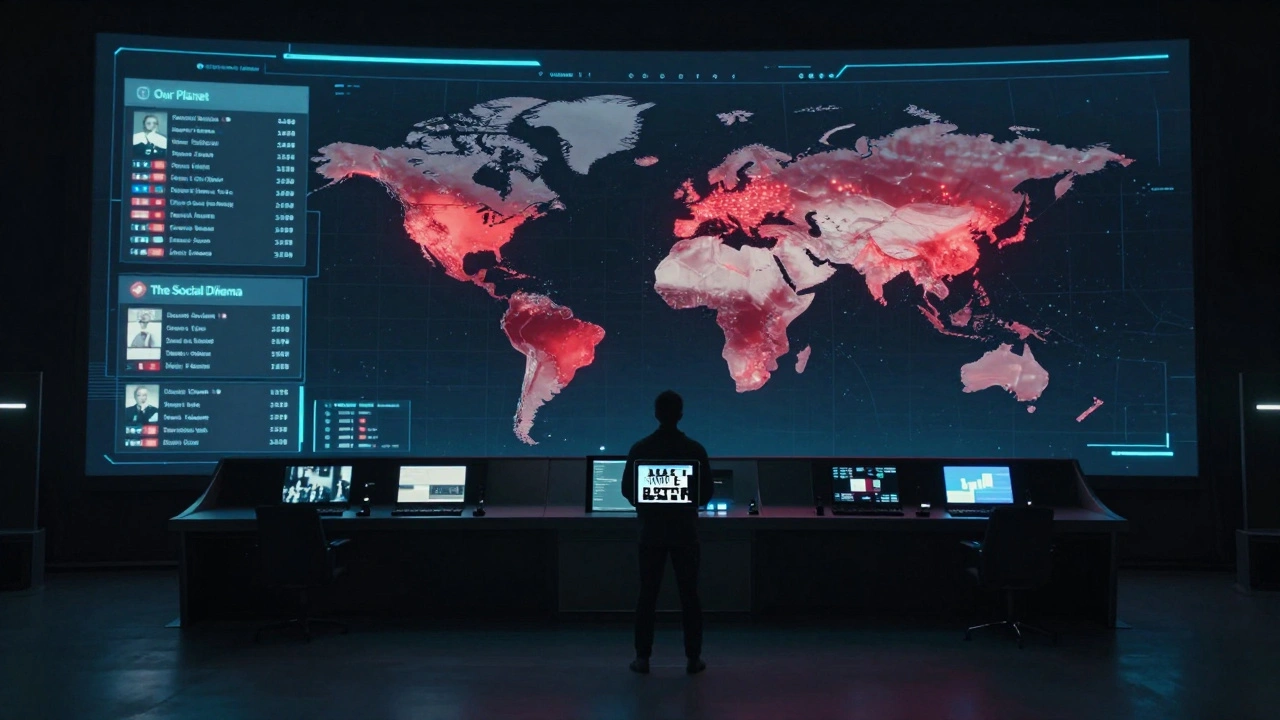
Netflix spent over $1 billion on documentaries in 2023 alone. That’s more than the entire BBC documentary budget for the year. They didn’t fund 20 small films. They funded 5 big ones with massive marketing pushes: Our Planet, The Social Dilemma, Don’t Look Up (yes, even the fictional ones got labeled as docs by some viewers). These weren’t just films-they were events.
Streamers also brought new types of stories. A documentary about a TikTok dance trend? Done. A deep dive into a crypto scam that ruined 10,000 people? Done. A 10-part series on the rise of a cult leader in rural Texas? Done. Streamers didn’t care if it was “prestige.” They cared if it was bingeable.
Money Talks: The Numbers Behind the Scenes
Let’s get specific. A typical broadcaster-funded documentary in 2015 might have had a budget of $300,000 to $800,000. That covered 18 months of filming, travel, editing, and legal clearances. The broadcaster owned the rights and aired it once or twice on TV.
Today, a Netflix-funded documentary can start at $2 million and go up to $15 million for a high-profile series. That’s not just production-it’s global licensing, multilingual subtitles, AI-driven recommendations, and a marketing campaign that includes billboards in London, ads on Instagram, and influencer partnerships.
But here’s the catch: streamers often demand exclusive global rights. That means a filmmaker can’t sell the film to a local TV station in Brazil or Germany after Netflix airs it. The broadcaster model let you split rights. You could sell to BBC for the UK, ARD for Germany, and CBC for Canada. Streamers take it all.
Who Gets the Money-and Who Gets Left Behind
Not all filmmakers benefit equally. Big-name directors with proven track records? They get six-figure deals before they even shoot. First-time filmmakers with a powerful story but no name? They’re stuck.
Public broadcasters still fund emerging talent. The BBC’s New Documentary Fund gave 17 grants in 2024 to first-time directors. Each got $150,000. No pitch deck needed. Just a solid story and a plan. That kind of support doesn’t exist on Netflix. Their acquisition team doesn’t review 500 unsolicited pitches a week. They look for trends, data, and hooks.
Even when streamers do fund new voices, they often demand creative control. A director might be told to shorten a 90-minute film to 45 minutes because “the algorithm favors shorter content.” Or to add a narrator with a famous voice because “audiences trust celebrities more.” That’s not storytelling. That’s product optimization.
The Rise of Hybrid Models
Smart filmmakers aren’t choosing between broadcasters and streamers anymore. They’re combining them.
Take 20 Days in Mariupol (2023). It was co-funded by the BBC, PBS, and Apple TV+. The BBC handled European distribution, PBS aired it in the U.S., and Apple streamed it globally. The film won an Oscar. Everyone got exposure. The filmmakers kept partial rights and licensing control.
This hybrid approach is becoming the new standard. Broadcasters still offer credibility and local reach. Streamers offer scale and money. Together, they can fund ambitious projects that neither could do alone.

What’s Lost in the Shift
There’s a quiet cost to this change. Documentaries used to be about depth. Now they’re often about speed. The pressure to release a film within 6 months of filming-because the story is “hot”-means less time for fact-checking, deeper interviews, or letting a subject trust the camera.
And when a streamer owns the rights forever, those films vanish from public archives. A BBC documentary from 1998 is still available on their website. A Netflix doc from 2022? It disappears if it doesn’t hit a viewership threshold. No one knows how many documentaries have been quietly deleted from their servers.
There’s also the issue of diversity. Broadcasters still fund films about rural communities, small-town politics, or obscure historical events. Streamers need global appeal. A film about a coal miner in West Virginia? Only if it ties into climate change or Trump. A film about a fishing village in the Philippines? Only if it’s about plastic waste and has a dramatic drone shot of a tsunami.
Who Should You Pitch To?
If you’re a filmmaker asking who to approach today, here’s the real answer:
- Pitch to broadcasters if your story is local, niche, or requires deep research. If you need time, editorial freedom, or want to be part of a public archive, they’re still your best bet.
- Pitch to streamers if your story has mass appeal, emotional hooks, and a clear “why now?” factor. If you want global reach, big money, and a marketing push, they’ll pay-but you’ll lose control.
- Combine both if you can. Approach a broadcaster first to get development funding, then use that credibility to attract a streamer. It’s harder, but it’s the safest path to both impact and income.
There’s no right answer. Only trade-offs. Money or freedom. Scale or substance. Reach or rights.
The Future Is Neither
One thing’s clear: the old model is gone. The new model isn’t stable either. More filmmakers are turning to crowdfunding, grants from foundations like the Sundance Institute or the Ford Foundation, or even direct viewer subscriptions via Patreon.
Some are forming collectives-groups of 5-10 directors pooling resources to fund each other’s films. Others are partnering with universities or museums to access archives and equipment. A few are even selling physical copies of their films at film festivals, with QR codes that link to digital versions.
The documentary isn’t dying. It’s just changing hands. The question isn’t whether broadcasters or streamers will win. It’s whether we still want stories that challenge us-or just ones that entertain us.
Do broadcasters still fund documentaries today?
Yes, but less than before. Public broadcasters like the BBC, PBS, and ARD still fund documentaries, especially those with educational, cultural, or public interest value. They often support first-time filmmakers and niche topics that streamers ignore. However, their budgets are smaller, and they rarely offer global exclusive rights.
Do streamers pay more than broadcasters for documentaries?
Absolutely. Netflix, Amazon, and Apple spend millions per documentary, often 5 to 10 times more than traditional broadcasters. A typical broadcaster budget is $300K-$800K. A streamer deal starts at $2M and can exceed $15M for high-profile projects. But that money comes with strings-global rights, creative input, and tight deadlines.
Can independent filmmakers still get funded without a streamer or broadcaster?
Yes. Many are turning to grants from foundations like Sundance, Ford, or the MacArthur Foundation. Crowdfunding platforms like Kickstarter and Seed&Spark are also viable. Some filmmakers use university partnerships, museum collaborations, or direct viewer support via Patreon. These routes take more work but preserve creative control and rights.
Why do streamers demand exclusive global rights?
Streamers need to control distribution everywhere to maximize subscriber retention and global advertising revenue. If a documentary airs on local TV in Brazil after Netflix releases it, viewers there might cancel their subscription. Exclusive rights ensure the platform is the only place to watch it, keeping users locked in.
Are documentaries becoming more sensational to get funded?
Yes. Streamers prioritize stories with high emotional stakes, clear villains or heroes, and fast pacing. Documentaries about conspiracy theories, celebrity scandals, or viral events get funded faster than slow, reflective films on policy or history. This shifts the type of stories being told-and what audiences believe is important.
What happens to documentaries after they’re released on streamers?
Many disappear. If a documentary doesn’t hit a viewership target within 6-12 months, streamers often remove it from their libraries to make room for new content. Unlike public broadcasters, who archive films for decades, streamers treat documentaries like disposable content. That means important stories can vanish from public access without warning.
If you’re trying to tell a real story today, you need to know who holds the purse strings-and what they’re really buying. It’s not just about money anymore. It’s about who gets to decide what truth gets seen.


Comments(8)