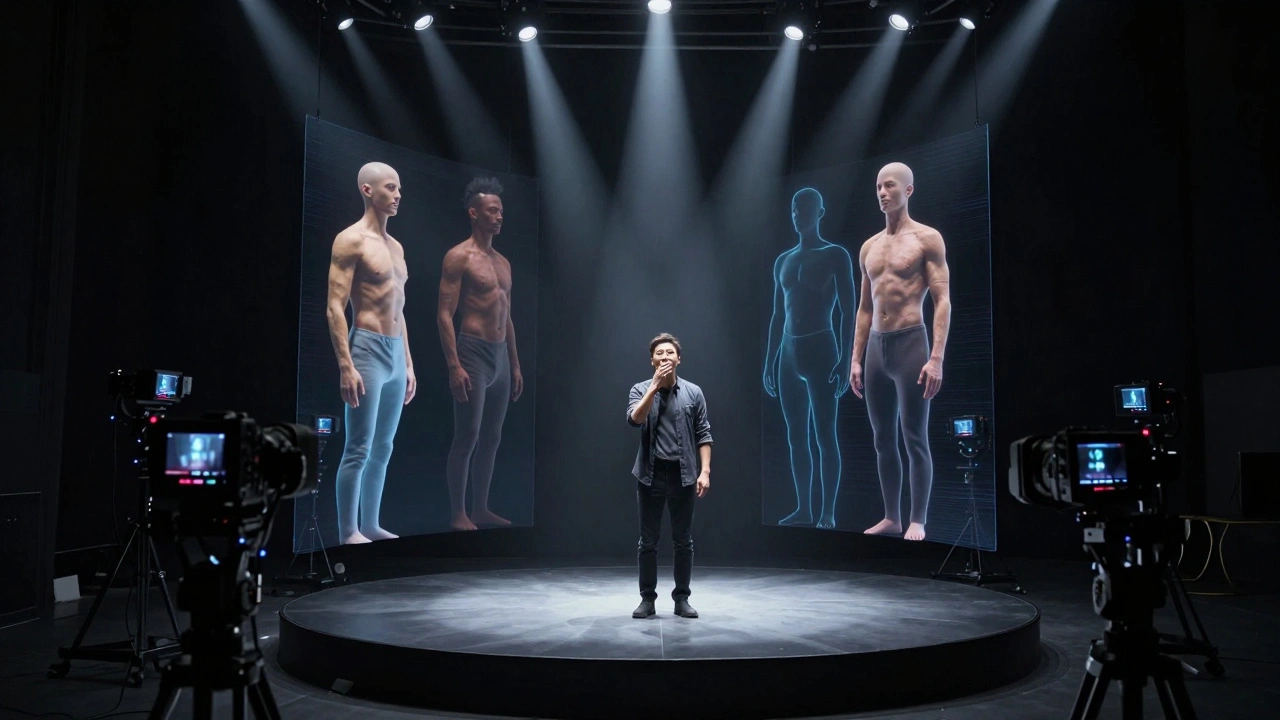
Imagine watching a movie where an actor’s performance isn’t just filmed-it’s volumetrically captured, then projected as a living, breathing hologram on screen. No green screens. No motion capture suits. No CGI guesswork. Just the raw, nuanced presence of a human being, rendered in 3D space, seen from any angle, alive in the frame. This isn’t science fiction anymore. It’s happening now in cinemas, and it’s changing everything.
What Is Volumetric Capture?
Volumetric capture is the process of recording a person-or object-in full three dimensions using multiple high-resolution cameras and sensors. Unlike traditional motion capture, which tracks points on a body, volumetric capture records the entire surface of the subject. It captures not just movement, but texture, lighting, skin tone, and even subtle shifts in muscle and expression. The result? A digital twin that behaves exactly like the real person.
Companies like Microsoft’s Mixed Reality Capture Studios, NVIDIA’s Omniverse, and startups like DeepMotion and Volumetric have been refining this tech since 2018. By 2024, systems could capture a single actor in 8K resolution from 60+ camera angles simultaneously, producing a 3D model with 10 million polygons per frame. That’s more detail than most AAA video games use for entire characters.
How Holographic Performances Work in Film
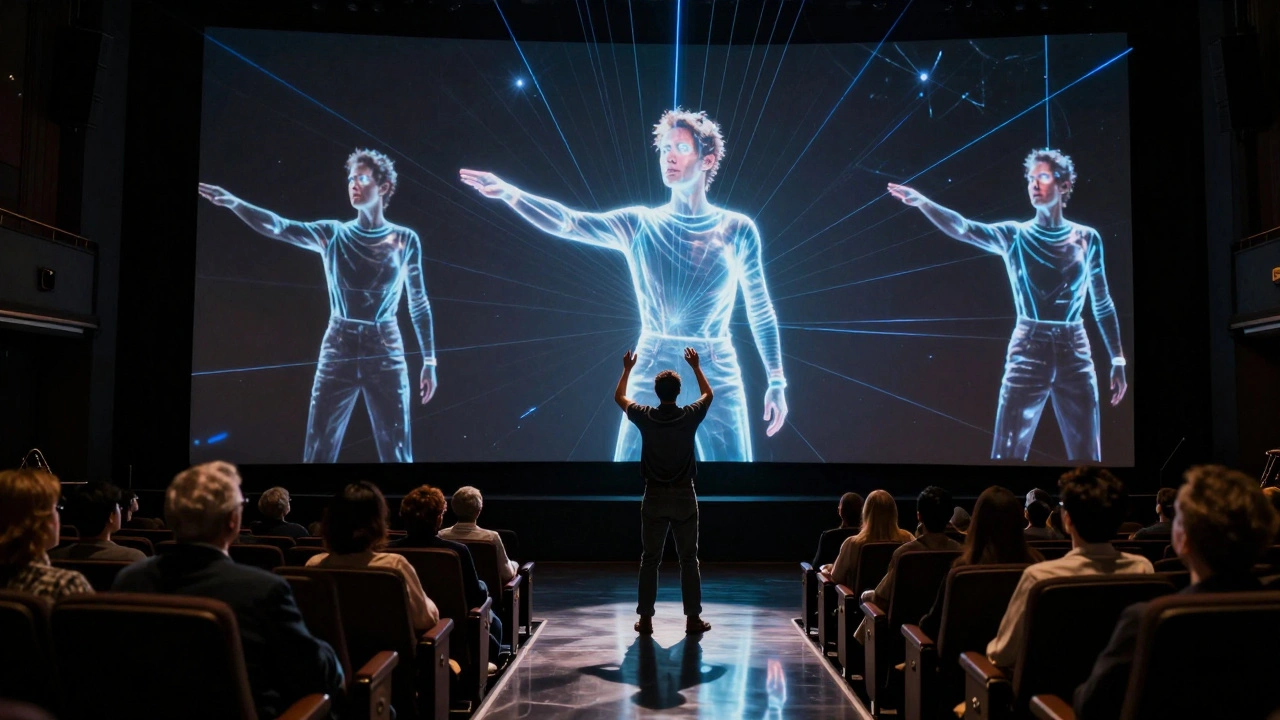
Holographic performances take volumetric data and project it into cinematic space using advanced rendering engines. The actor’s performance isn’t flattened into a 2D image. Instead, the digital twin exists in 3D space within the scene. Lighting interacts with it naturally. Shadows fall correctly. Reflections appear on surfaces around it. Directors can move the camera around the actor as if they were physically present on set.
In 2025, the film Echoes of Tomorrow became the first feature-length movie to use holographic performances for its lead actor. The actor, a veteran stage performer, was captured over three days using a custom array of 72 RGB-D cameras and 16 infrared motion sensors. His performance-down to the slight tremor in his hands during emotional scenes-was preserved. The film was projected in theaters using laser-based holographic displays developed by RealD and Dolby, allowing audiences to see the actor from any seat without needing glasses.
Why This Changes Cinematography Forever
Traditional filmmaking relies on fixed camera angles, controlled lighting, and physical sets. Volumetric capture breaks all of that.
- You can shoot a scene in a studio, then place the actor in a virtual Himalayan summit, a Martian colony, or a 1920s Paris street-all with perfect lighting and scale.
- Actors don’t need to be on set at the same time. A performance recorded in London can be composited into a scene shot in Tokyo, with perfect spatial alignment.
- Post-production becomes about refining lighting and interaction, not rotoscoping or fake CGI limbs.
For cinematographers, it means rethinking the entire workflow. Lenses aren’t just about focus anymore-they’re about spatial fidelity. Depth of field must account for volumetric data, not just physical distance. Lighting teams now work with real-time rendering engines like Unreal Engine 5 to match virtual environments to captured performances.
Real Examples Already in Theaters
It’s not just experimental. Here’s what’s already out:
- The Last Performance (2024) - Used volumetric capture for a deceased actor’s final role, allowing his daughter to watch his performance in 3D at home via a holographic tablet.
- Ghost of the Opera (2025) - Featured a holographic opera singer whose performance was captured live on stage and rendered in real-time during cinema screenings.
- Requiem for a Star (2025) - A sci-fi epic where the protagonist is a digital clone of a real astronaut, created from volumetric scans taken during her 18-month mission to Mars.
These aren’t gimmicks. They’re storytelling tools. A director can now show a character’s emotional breakdown from behind, from above, from inside a mirror reflection-all with the same authentic performance.
The Technical Challenges
It’s not magic. It’s hard.
First, data size. One minute of volumetric footage can generate 2 terabytes of data. That’s 100 times more than a 4K video. Studios now use AI-powered compression tools like NVIDIA’s DLSS 4.0 and Intel’s OpenVINO to reduce file sizes by 80% without losing detail.
Second, rendering. Most theaters still use 2D projectors. Only a handful of premium theaters in New York, Los Angeles, Tokyo, and London have holographic displays. But that’s changing fast. By 2026, 150 IMAX theaters worldwide will have upgraded to laser volumetric projection systems.
Third, performance capture still requires the actor to perform live. No amount of AI can replicate the micro-expressions of a real human. That’s why studios are now hiring performance capture directors-specialists who guide actors through volumetric sessions like they’re directing a play in zero gravity.
What This Means for Actors
Some fear this will replace actors. It won’t. It elevates them.
Instead of shooting 50 takes for one emotional scene, an actor now records one perfect take that can be used from any angle. The physical toll of stunts, weather, or long hours is reduced. A 70-year-old actor can play a 25-year-old version of themselves without prosthetics or CGI de-aging.
But it demands new skills. Actors now train in volumetric studios, learning how their movements translate in 3D. A gesture that looks natural on camera might distort in volumetric space. A slight head tilt can break the illusion. Top performers now work with motion choreographers and spatial awareness coaches.
Where This Is Headed
By 2027, we’ll see the first fully volumetric film-shot entirely in a studio, with no physical sets, no costumes, no props. Everything will be digital, but every actor, every object, every shadow will be real. The director will walk through the scene in VR, adjusting lighting and camera angles before the first frame is rendered.
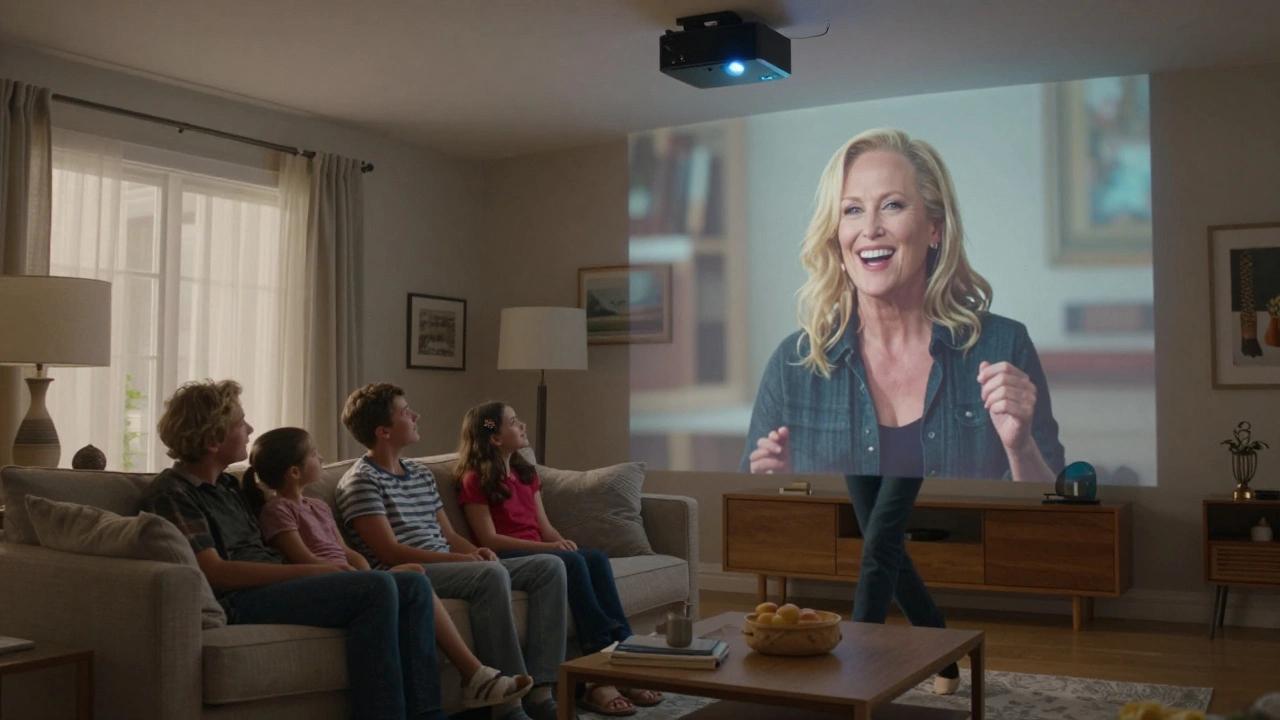
Home viewing will follow. Apple and Meta are developing consumer-grade volumetric displays for living rooms. Imagine watching a movie where your favorite actor walks around your couch.
And for the first time in cinema history, a performance won’t be tied to a single moment in time. A child in 2040 could watch a holographic performance of Meryl Streep from 2026, and see the exact way her eyes crinkled when she laughed-not a recreation, but the real thing, preserved in space and light.
Why It Matters
This isn’t just about better effects. It’s about preserving humanity in a digital age. Volumetric capture doesn’t fake emotion-it records it. It doesn’t simulate presence-it preserves it. When an actor’s voice cracks, when their breath catches, when they look away just a second too long-that’s real. And now, it’s immortalized.
Cinema was once about capturing light on film. Now, it’s about capturing presence in space. And that’s a revolution.



Comments(9)