What Your Character Wears Tells You More Than Their Lines
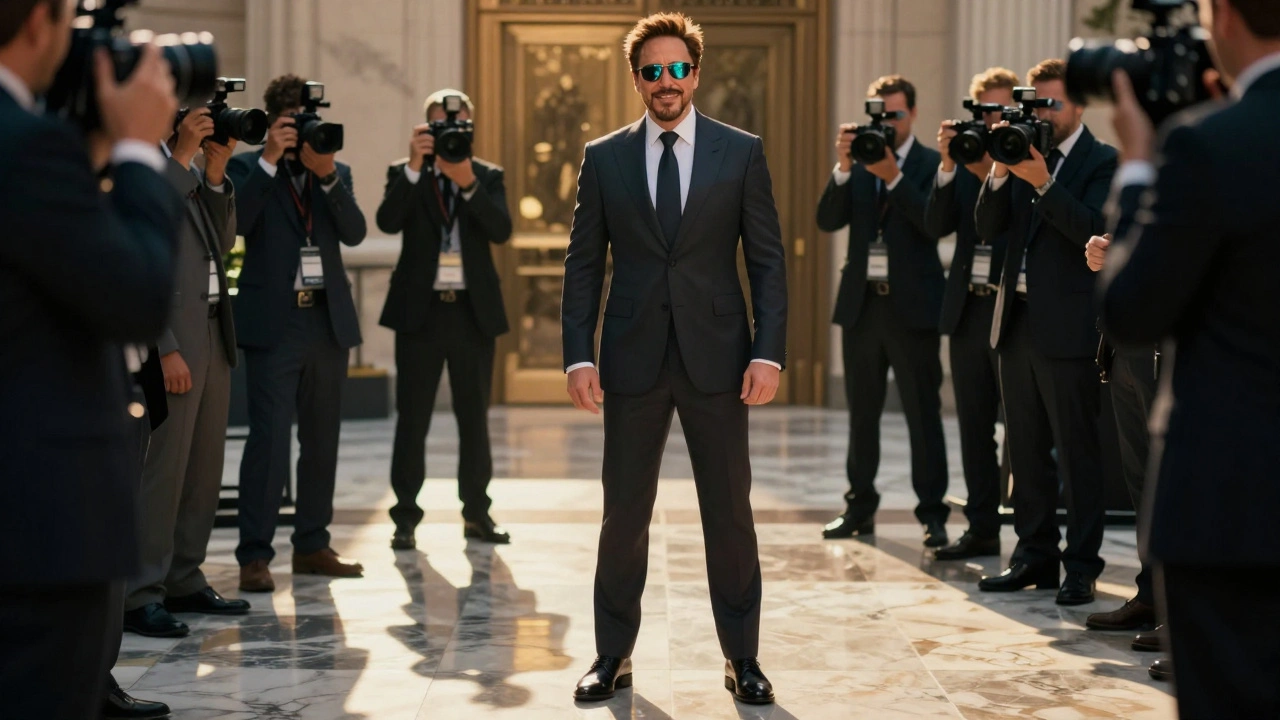
Think about the first time you saw Tony Stark in Iron Man. He walks into a press conference in a tailored suit, sunglasses, and a smirk. No dialogue needed. You already know he’s rich, confident, and doesn’t care what you think. That’s costume design at work. It’s not just about making actors look good-it’s about building a character’s identity before they even speak. In film, clothing is silent storytelling. Every stitch, color, and tear carries meaning.
Color Tells You Who They Are-Before the Script Does
Color isn’t chosen randomly. It’s a psychological tool. In The Great Gatsby, Daisy Buchanan wears white dresses not because she’s pure, but because she’s pretending to be. White here is a mask. Meanwhile, Gatsby’s pink suit? That’s not a fashion choice-it’s a cry for attention, a desperate attempt to fit into a world that never accepted him. The costume designer didn’t just pick fabric; they picked emotional language.
Think about the villains. Hannibal Lecter in The Silence of the Lambs wears a plain, dark prison jumpsuit. No embroidery, no logos. That uniform makes him more terrifying because it strips away identity. He’s not a man in a costume-he’s a force wearing nothing but confinement. Contrast that with the Joker in The Dark Knight. His purple coat, mismatched suit, and smeared makeup scream chaos. He doesn’t hide behind clothes-he weaponizes them.
Wear and Tear Is a Timeline
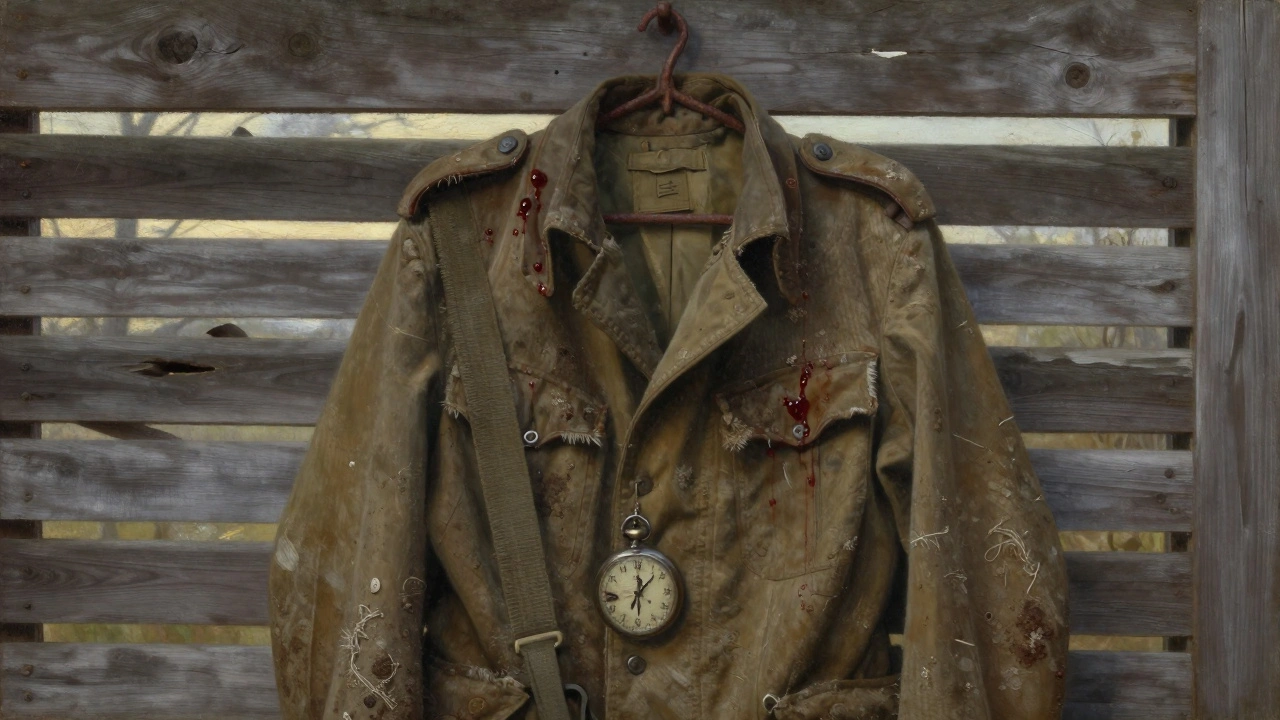
Costumes don’t stay fresh. Real characters get dirty. In The Revenant, Hugh Glass’s outfit starts as a thick fur-lined jacket and ends as a tattered, bloodstained rag. You don’t need a voiceover to know he’s been through hell. The costume designer tracked his journey in thread count and dirt. Each tear, each mud stain, each missing button is a timestamp on his survival.
Compare that to Mad Max: Fury Road. Furiosa’s mechanical arm and leather harness aren’t just post-apocalyptic fashion-they’re proof she’s been fighting for years. Her clothes are patched, scarred, and reinforced. You can tell she’s not waiting to be rescued. She’s built her armor out of necessity. The costume isn’t decoration-it’s biography.
Class, Culture, and Control in Clothing
Who gets to choose what a character wears? Often, it’s not the character themselves. In Parasite, the Kim family wears hand-me-downs and wrinkled clothes that barely fit. The Park family? Crisp linen, perfect tailoring, muted tones. The difference isn’t accidental. It’s a class system stitched into fabric. When the Kims sneak into the Park home and try on their clothes, it’s not comedy-it’s tragedy. They’re trying on a life they’ll never live.
Costumes can also show control. In The Handmaid’s Tale, the red robes and white wings aren’t costumes-they’re uniforms of oppression. The color red doesn’t mean passion; it means fertility under surveillance. The women don’t choose their clothes. The state does. And that’s the point. The clothing isn’t about identity-it’s about erasure.
Transformation Through Clothing
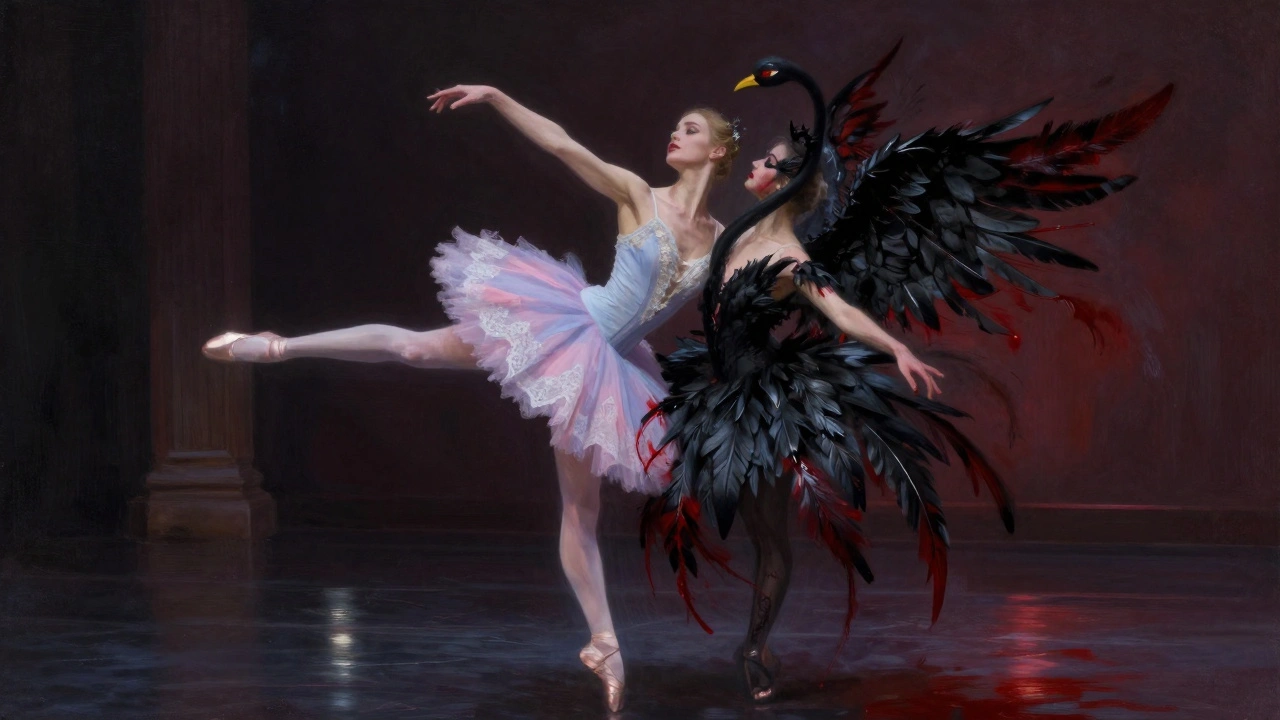
Some of the most powerful moments in film happen when a character changes their clothes-and with them, their fate. In Black Swan, Nina starts in soft pastels and lace, looking like a child playing at being a ballerina. As her obsession grows, her costumes shift: darker fabrics, tighter fits, sharper lines. By the end, she’s wearing a black swan costume that looks more like armor than dancewear. The change isn’t just visual-it’s psychological. The costume doesn’t follow her transformation. It drives it.
Same thing happens in American Psycho. Patrick Bateman starts in perfectly matched suits, every button in place. As his psyche unravels, his clothes stay the same-but the way he wears them changes. The precision becomes unnatural. The perfection becomes a mask cracking under pressure. The costume doesn’t change. But the man inside it does. And that’s what makes it chilling.
Costume Designers Are Unseen Psychologists
Most people don’t realize how much work goes into a single outfit. A costume designer might spend weeks researching historical fabrics, talking to actors about their character’s habits, even washing and distressing clothes to make them look lived-in. In Marie Antoinette, the designer used modern fabrics like neon sneakers and cotton candy-colored wigs not to be silly-but to show how isolated and performative the queen’s life was. The anachronisms weren’t mistakes. They were metaphors.
These designers don’t just follow the script. They rewrite it. In Blade Runner 2049, the costume team gave K a beige trench coat because they wanted him to look invisible. Not because he’s a killer-but because he’s been trained to disappear. That coat became his emotional state. It wasn’t just clothing. It was his loneliness made visible.
What Happens When the Costume Gets It Wrong?
Bad costume design doesn’t just look off-it breaks the story. In John Carter, the lead wears a leather vest and pants that look like they came from a Renaissance Faire. The world is alien, futuristic, and brutal. His outfit doesn’t fit the planet, the culture, or the stakes. The audience doesn’t believe he belongs. The costume didn’t support the character-it sabotaged him.
Even big-budget films get it wrong. In Justice League, Batman’s suit looked like it was assembled from spare parts. No texture, no history, no weight. You couldn’t tell if he’d been fighting for weeks or just bought it off the rack. That’s the danger of treating costume as decoration instead of character development.
Real Examples, Real Impact
Let’s look at one more: 1917. The two soldiers wear identical muddy uniforms, but their clothing tells two different stories. Schofield’s jacket gets torn in a trench, soaked in blood, and covered in dirt. It’s a physical record of his journey. Blake’s uniform stays cleaner longer-until it doesn’t. The moment his clothes become stained with his own blood, you feel the finality. The costume doesn’t just show where they’ve been-it shows what they’ve lost.
Or take Little Women (2019). Jo’s oversized coat and men’s boots aren’t just tomboy style. They’re rebellion. When she finally puts on a dress at the end, it’s not a surrender. It’s a choice. The costume designer made sure the dress was different-softer, less structured-so you could see she wasn’t becoming someone else. She was becoming herself.
Costume Is Character
There’s no such thing as a neutral outfit in film. Every button, every fold, every faded seam is a clue. A character’s wardrobe isn’t just what they wear-it’s who they are, who they were, and who they’re trying to become. The best costume designers don’t make clothes. They make memories. They make emotions tangible. They turn fabric into fate.
Next time you watch a movie, pause right after a character walks in. Look at their shoes. Look at their sleeves. Look at how the light hits their collar. Ask yourself: what is this telling me that the script didn’t? The answer might surprise you.
How do costume designers decide what a character should wear?
Costume designers start by reading the script and studying the character’s background, personality, social status, and emotional arc. They work with the director and production designer to match the film’s visual tone. Then they research historical periods, cultural details, and even real-life people who resemble the character. They often test fabrics, colors, and fits with actors to see how movement and lighting affect the look. It’s a mix of research, intuition, and collaboration.
Can a character’s costume change their performance?
Absolutely. Many actors say the costume changes how they move, speak, and even think. In The Favourite, Olivia Colman wore heavy corsets that forced her to walk differently-making her character feel more trapped and powerful at the same time. In Black Swan, Natalie Portman said wearing the tight ballet leotards made her feel more vulnerable and controlled. The costume doesn’t just reflect the character-it can shape the actor’s embodiment of them.
Why do period films sometimes use modern fabrics?
Sometimes, modern fabrics are used because historical ones are too fragile, expensive, or hard to source. But more often, it’s intentional. In Marie Antoinette, Sofia Coppola used synthetic fabrics and sneakers to show how disconnected the queen was from reality. The anachronisms weren’t errors-they were commentary. Modern materials can make historical characters feel more immediate, more human, or more absurd.
Do costumes affect how audiences remember a character?
Yes. Think of Darth Vader’s black suit and helmet. Or Indiana Jones’ fedora and whip. These aren’t just outfits-they’re icons. Audiences remember characters by their clothing because it’s visual shorthand. A single image of a costume can trigger the entire story. That’s why costume designers are often the unsung heroes of iconic roles. Their work becomes part of the character’s legacy.
Can a character be believable without a detailed costume?
It’s possible, but rare. Even minimalist costumes carry meaning. In Manchester by the Sea>, Casey Affleck’s character wears the same flannel shirt and jeans throughout. That repetition isn’t lazy-it’s deliberate. It shows his emotional stagnation. The lack of change is the story. Sometimes, what a character doesn’t wear says more than what they do.



Comments(10)