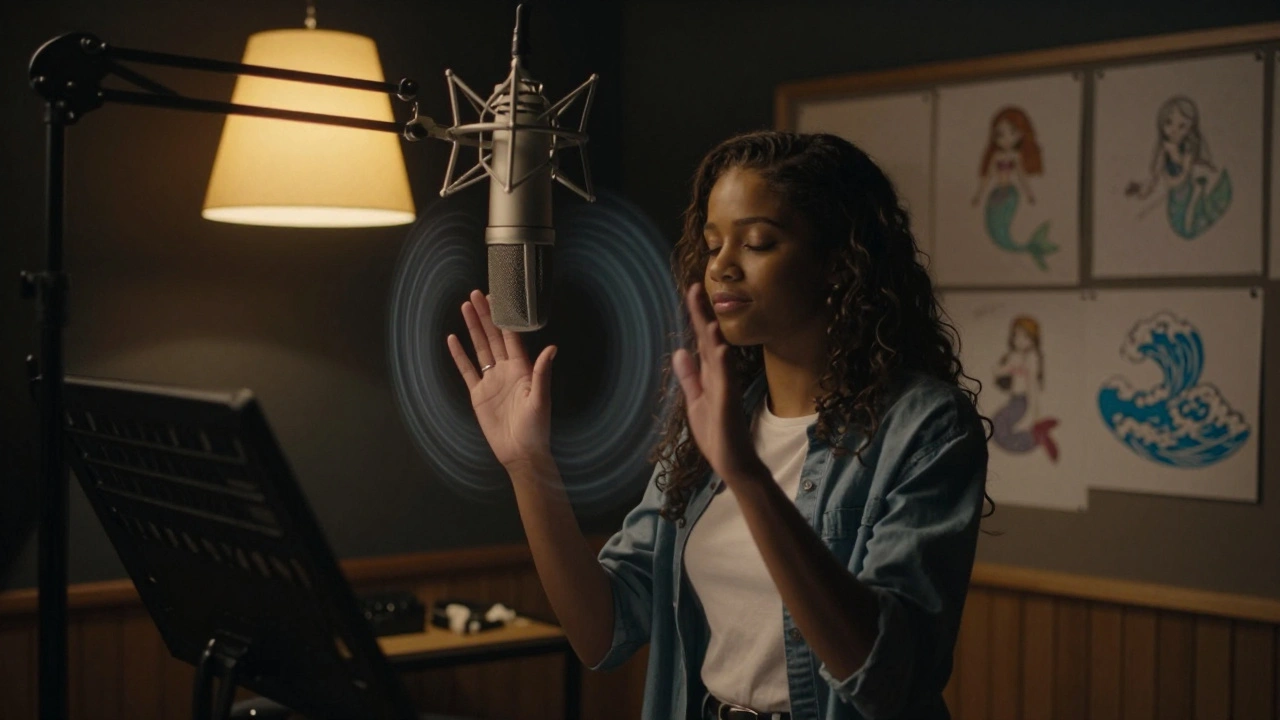
When Disney, Pixar, or DreamWorks drop a voice casting announcement, it doesn’t just get shared on social media-it becomes a moment. Fans don’t just react to the names. They picture the character. They hear the voice in their head. They remember the last time that actor brought a cartoon to life. That’s the power of voice casting in animated features. It’s not just hiring someone to read lines. It’s matching a soul to a character.
Why Voice Casting Matters More Than You Think
Think about it: in live-action films, actors wear costumes, use makeup, and move in real space. In animation, the voice is everything. The character’s personality, emotion, humor, even their physicality comes from the vocal performance. A wrong voice can make a hero seem dull. A perfect one can turn a side character into a cultural icon.
Take Bob Peterson as Dug in Up. He didn’t just voice the dog-he shaped the whole tone of the film. His bumbling, over-enthusiastic delivery made Dug lovable, not annoying. That choice wasn’t accidental. It came from months of testing voices, recording dozens of takes, and watching animators react to each one. The animation team didn’t start drawing Dug until they had the right voice.
That’s why studios don’t just pick famous names. They look for vocal texture, timing, emotional range, and chemistry with other cast members. Sometimes, they find someone no one’s heard of. Like Tina Fey as Morticia Addams in The Addams Family (2019). She wasn’t the first name people guessed. But her dry wit, perfect pauses, and subtle sarcasm made the character feel fresh.
How Casting Decisions Are Made
It’s not like auditioning for a TV show. Animated film casting is a multi-layered process.
- Character breakdowns are sent to agents. These aren’t just “funny dog” or “wise old wizard.” They include emotional arcs, vocal quirks, even physical traits tied to voice-like a character who’s always out of breath or speaks with a lisp because of a missing tooth.
- Actors record scenes without visuals. They often don’t see the final design. They’re given rough sketches, mood boards, or even just a paragraph describing the character’s backstory.
- Multiple actors test for the same role. Sometimes, a studio will record 10-15 different voices before deciding.
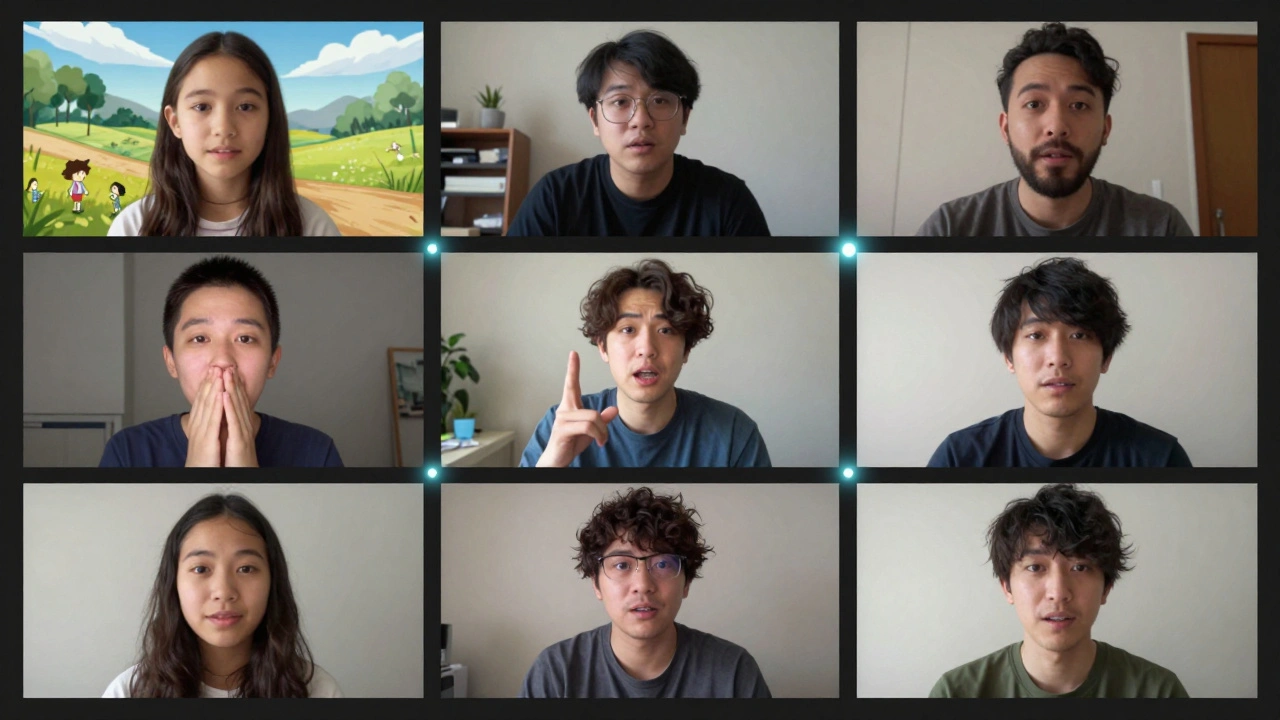
- Chemistry reads happen. If two characters are meant to be best friends or rivals, the actors record together-even if they’re in different cities. Zoom sessions, studio calls, and remote mic setups are now standard.
- Animators get involved. They watch the recordings and adjust the character’s movements to match the rhythm of the voice. A pause in speech might mean a longer blink. A laugh might trigger a full-body wobble.
Some studios, like Laika (creators of Coraline and Kubo and the Two Strings), even have voice actors record while wearing motion capture suits. They want to capture not just the voice, but the body language behind it. That’s how they get such expressive, human-like animations from characters that are clearly puppets.
Recent Major Casting Announcements (2025-2026)
Just last year, several big animated features dropped casting news that sent fans into overdrive.
- Disney’s The Little Mermaid II: The Return announced Zendaya as the voice of Ariel’s teenage daughter, Lira. This isn’t a sequel-it’s a reimagining. Zendaya’s voice, with its breathy vulnerability and sudden bursts of confidence, was chosen to reflect a new generation of mermaid heroines.
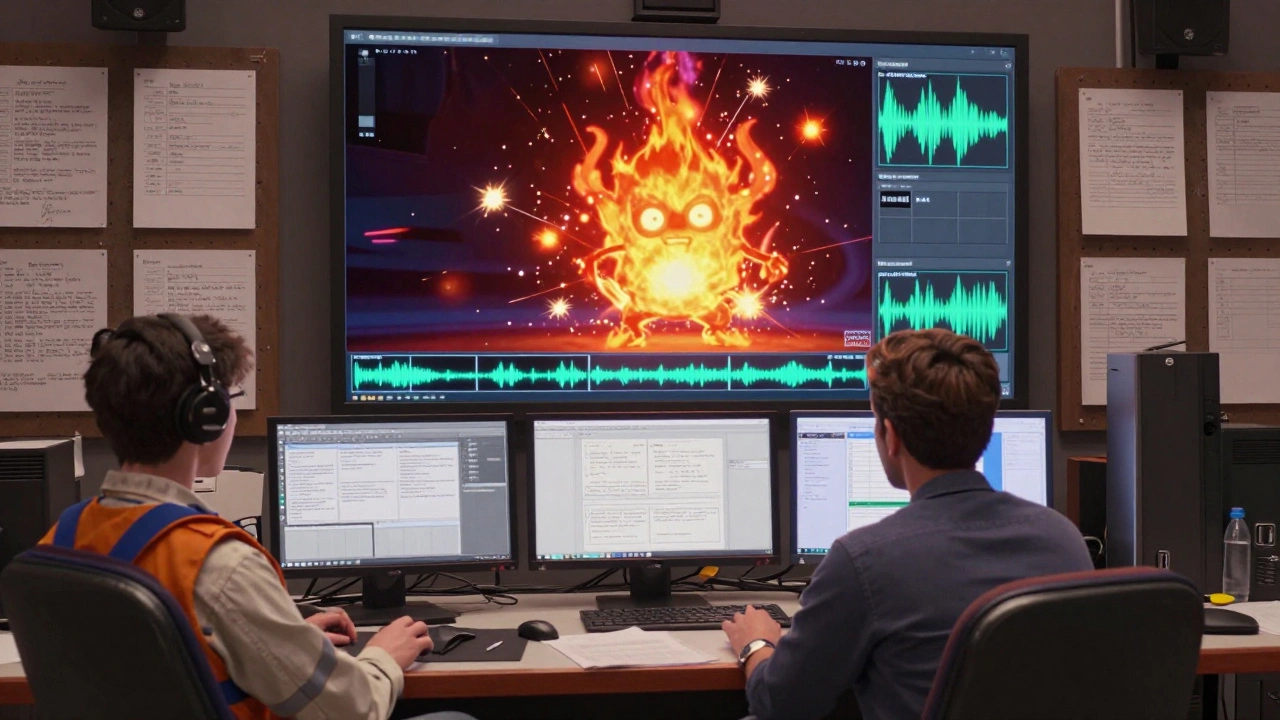
- Pixar’s Elemental sequel revealed John Mulaney as the new fire spirit, Blaze. Mulaney’s high-energy, fast-talking delivery was a deliberate contrast to the calm, water-based protagonist. Animators spent six months designing Blaze’s movements to match his speech patterns-every word triggered a flicker, a spark, or a tiny explosion.
- Netflix’s The Dragon Prince: Rise of the Dark Dragon brought back Jason Marsden as Callum, but added Stephanie Beatriz as a new dragon queen. Beatriz’s voice, known for its warmth and authority from Buzz Lightyear, was used to make the queen feel both ancient and deeply human.
These aren’t random celebrity picks. Each one was chosen after dozens of auditions, vocal tests, and feedback loops with directors and animators. Zendaya wasn’t chosen because she’s famous. She was chosen because her voice could carry the emotional weight of a girl torn between two worlds-land and sea.
The Rise of Non-Traditional Casting
More studios are moving away from the old model: “star + voice = box office.” Now, they’re casting based on authenticity.
Universal’s My Hero Academia: The Movie cast real Japanese voice actors for the English dub, not Hollywood stars. The result? A performance that felt true to the original anime, not a watered-down version.
Netflix’s Wish (2025) cast a 14-year-old girl from rural Ohio as the lead. She’d never acted before. But her voice had a raw, unpolished quality that matched the film’s fairy-tale tone. The animators loved it. They kept her natural breaths, coughs, and stumbles in the final cut.
Even Studio Ghibli-long known for using Japanese voice actors-has started experimenting. Their upcoming English adaptation of The Wind Rises features a deaf actor who uses sign language to inform her vocal performance. The animators translated her hand movements into subtle facial twitches and shoulder shifts.
What Happens After the Announcement?
Once the casting is announced, the real work begins. Actors spend 6-12 weeks in recording sessions. Each session lasts 4-6 hours. They record lines multiple times-happy, angry, crying, whispering, shouting. Sometimes, they’ll record a single line 50 times.
Directors often ask actors to improvise. They want surprises. In Spider-Man: Across the Spider-Verse, Hailee Steinfeld was told to scream “No!” in every possible way. They ended up using 17 different versions in the final cut.
And then, there’s the music. Voice actors often record while listening to background tracks. They time their lines to the beat. A pause might be held for exactly 0.8 seconds to match a drum hit. It’s not acting. It’s singing.
What’s Next for Voice Casting?
AI voice cloning is here. Studios can now generate voices that mimic actors. But they’re not using it to replace humans. They’re using it to test ideas faster.
For example, if a director wants to try a voice that’s “halfway between Morgan Freeman and a child,” they can blend two existing recordings. Then, they bring in a real actor to match the vibe. The AI isn’t the voice. It’s a tool to find the right human voice.
Also, global casting is expanding. Studios now hold auditions in Mexico City, Seoul, Nairobi, and Manila. They’re not just translating scripts-they’re rethinking characters for different cultures. A wise old owl in one country might be a sassy parrot in another.
The future of voice casting isn’t about fame. It’s about truth. The right voice doesn’t need to be famous. It just needs to feel real.
How do studios choose voice actors for animated films?
Studios don’t just pick big names. They hold extensive auditions, often recording 10-15 different voices for one character. They look for vocal texture, emotional range, timing, and chemistry with other cast members. Animators often get involved, adjusting character movements to match the rhythm of the voice. Sometimes, actors record without seeing the final design-just based on a character description.
Do voice actors get to see the animated characters before recording?
Usually not. Most voice actors record based on rough sketches, mood boards, or written backstories. Some studios, like Laika, even use motion capture suits so the actor’s physical performance informs the animation. The final character design often evolves based on the voice performance, not the other way around.
Why are some animated films casting non-actors or unknowns?
Because authenticity beats fame. A real 14-year-old from rural Ohio brought a raw, unpolished voice to Wish that matched the film’s fairy-tale tone better than any professional actor could. Studios now prioritize unique vocal qualities over name recognition. Even deaf actors are being cast-using sign language to inform vocal expression.
Can AI replace human voice actors in animation?
No-not yet, and not likely. AI can generate voice samples to test ideas, like blending Morgan Freeman’s tone with a child’s pitch. But the final performance always comes from a human actor. Studios use AI to find the right voice faster, not to replace it. Emotion, nuance, and spontaneity still require a living performer.
Are voice casting announcements always accurate?
Most are, but not always. Sometimes, actors are announced early for marketing, but later replaced due to scheduling conflicts or creative changes. In rare cases, like Spider-Man: Across the Spider-Verse, actors were kept secret until the film’s premiere. Studios sometimes delay announcements to avoid spoilers or to surprise fans.


Comments(10)