Every year, dozens of independent films vanish without a trace. They screen at tiny theaters, get a few reviews, and disappear into the digital void. But then there are the ones that don’t just survive-they explode. Independent film box office hits like Paranormal Activity, The Blair Witch Project, and Get Out didn’t have studio backing, massive ad campaigns, or A-list stars. Yet they made hundreds of millions. How? It’s not luck. It’s strategy.
What Makes an Indie Film a Box Office Breakout?
Most indie films shoot on budgets under $1 million. Some under $100,000. They don’t have the marketing muscle of Warner Bros. or Disney. So when one of them rakes in $100 million, people assume it’s magic. But magic doesn’t scale. What actually happens is a mix of timing, audience hunger, and smart grassroots tactics.
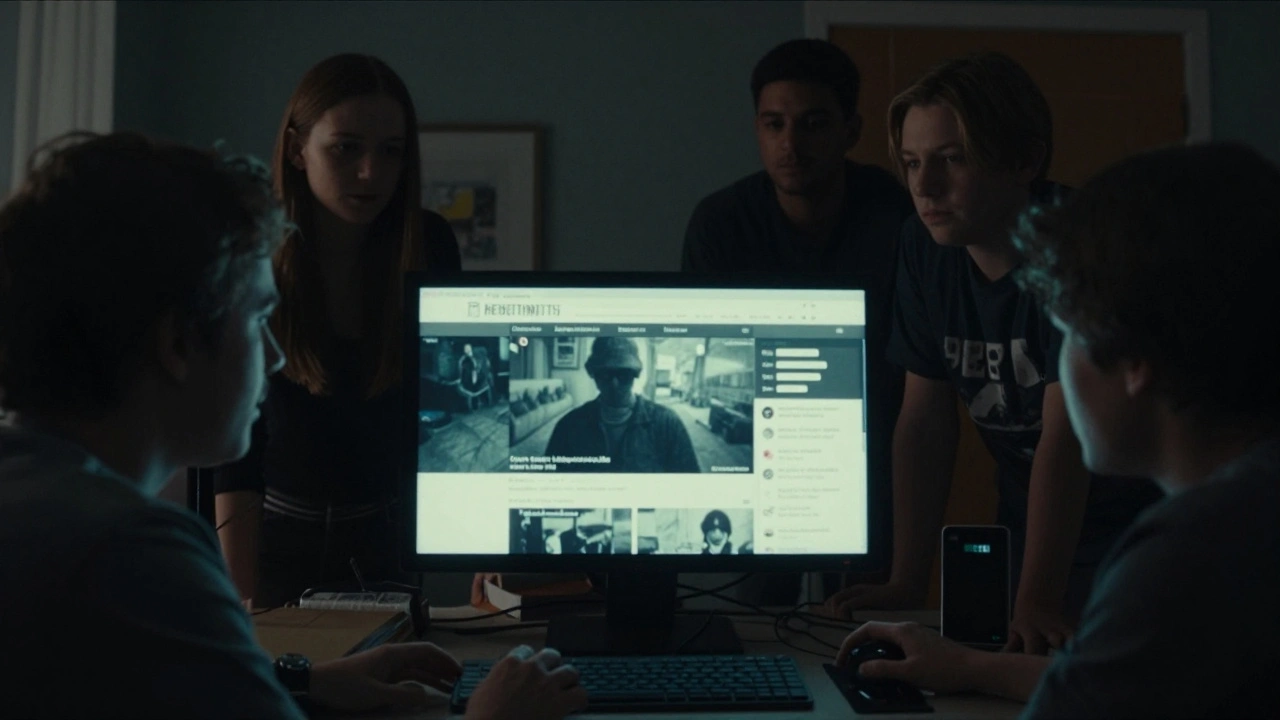
Take The Blair Witch Project (1999). It cost $60,000 to make. Its entire marketing budget? $150,000. The creators didn’t buy TV ads. They built a fake documentary website, planted fake news reports, and let online forums spiral into conspiracy theories. People didn’t just watch it-they debated whether it was real. That’s how you turn a low-budget film into a cultural event.
Fast forward to 2017. Get Out had a $4.5 million budget. Universal Pictures gave it a modest release. But Jordan Peele’s script tapped into a deep, unspoken tension around race in America. Audiences didn’t just show up-they brought friends. They posted about it on social media. They turned it into a shared experience. By week three, it was playing in 2,700 theaters. It made $255 million worldwide. That’s not an accident. That’s resonance.
The Role of Film Festivals
Film festivals aren’t just showcases. They’re launchpads. Sundance, TIFF, SXSW, and Cannes don’t just give indie films exposure-they give them credibility. When a film wins a prize or even gets a standing ovation, distributors notice. Buyers show up. Deals get made.
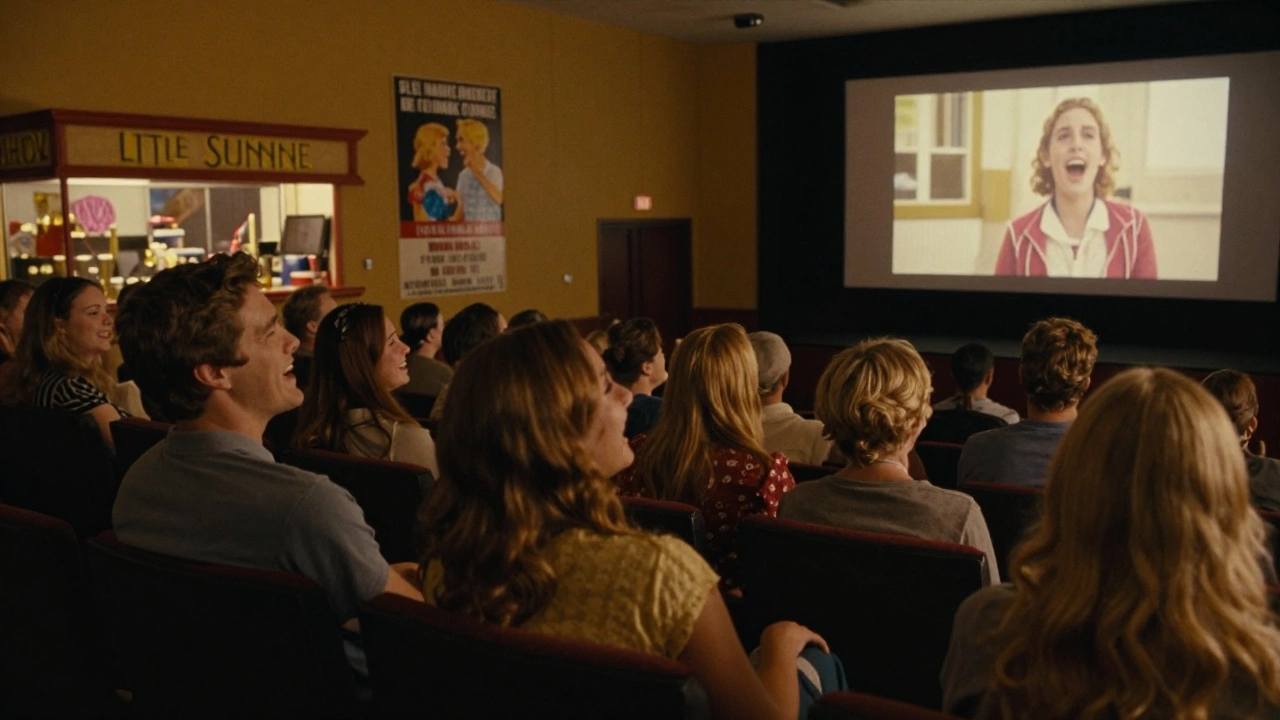
But winning isn’t enough. You need momentum. Little Miss Sunshine (2006) premiered at Sundance and sold for $10.5 million-the biggest deal in festival history at the time. But what made it explode? The studio didn’t just release it. They tailored the rollout. They started in 12 theaters. They tracked word-of-mouth. They waited until buzz peaked before expanding. By the end of its run, it had made over $100 million. That’s the playbook: small start, slow burn, let the audience build the hype.
How Social Media Turns Niche Films Into Blockbusters
Before social media, indie films relied on critics and word-of-mouth over coffee. Now, a single TikTok clip or Twitter thread can send a film viral overnight.
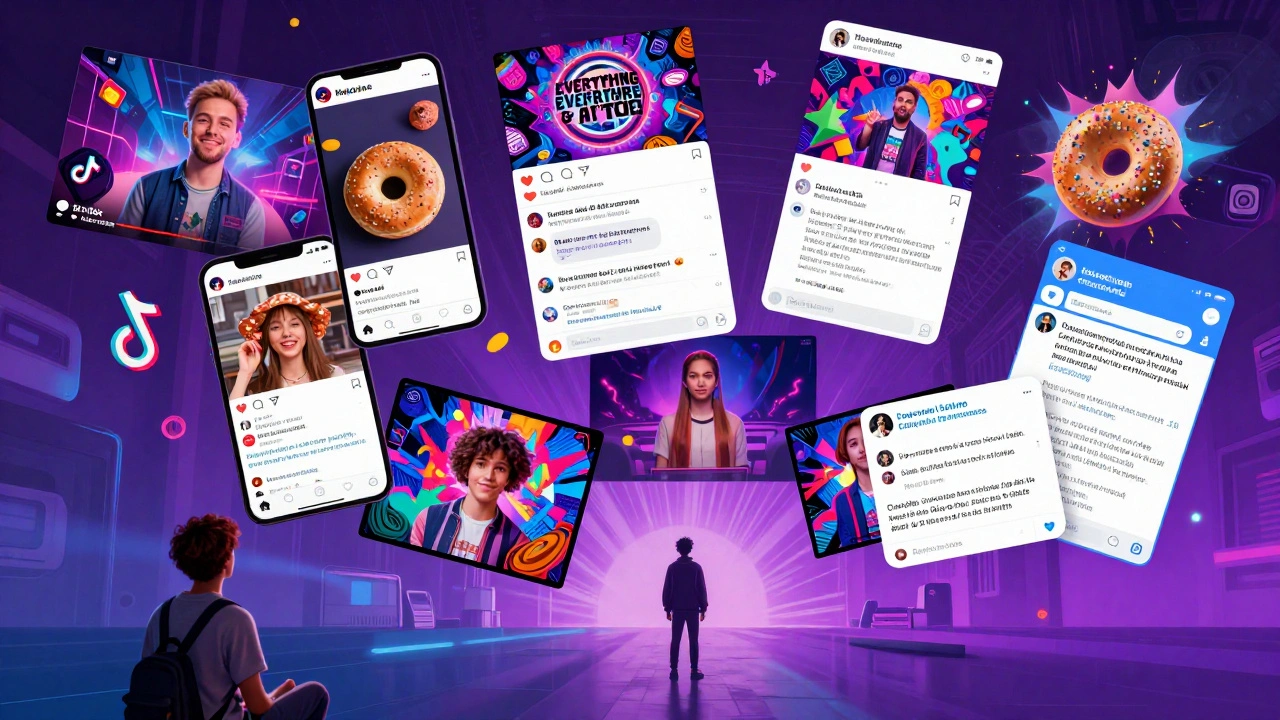
Everything Everywhere All At Once (2022) had a $25 million budget-modest for a global release. But its marketing leaned into memes. Fans made edits of the multiverse scenes. They turned the bagel scene into a metaphor for existential dread. People didn’t just watch it-they dissected it. Reddit threads exploded. Instagram reels went viral. By the time it hit wide release, it had already been seen by millions online. It went on to earn over $140 million.
Platforms like TikTok and Instagram don’t just promote-they transform. A scene that’s weird, emotional, or visually wild gets repurposed. Suddenly, a film about a Chinese-American laundromat owner battling multiverse versions of herself becomes a universal story about identity, grief, and family. That’s the power of social media: it turns niche into mainstream.
Marketing Without a Marketing Budget
Most indie filmmakers don’t have PR teams. So how do they get noticed?
- Target the right audiences. Don’t try to appeal to everyone. Train to Bus (2023) was a horror film about a bus driver in rural Texas. It didn’t go mainstream. But it crushed in Texas, Oklahoma, and Louisiana. Why? Because it spoke to rural audiences who rarely see themselves on screen. The filmmakers partnered with local radio stations, held screenings at small-town theaters, and gave out free popcorn. It made $18 million on a $200,000 budget.
- Use real people, not actors. My Big Fat Greek Wedding (2002) was made by a real Greek-American family. The cast was mostly non-professionals. That authenticity showed. Audiences felt like they were watching their own families.
- Let the audience help. The Passion of the Christ (2004) had no studio marketing. Mel Gibson’s team relied on churches. They gave free DVDs to pastors. They held Q&A sessions. Within weeks, it was the highest-grossing R-rated film ever. It wasn’t about Hollywood-it was about community.
Why Most Indie Films Fail (And How to Avoid It)
90% of indie films never turn a profit. Why? Three reasons:
- They think a good story is enough. A great script doesn’t guarantee an audience. You need to get it in front of people who care.
- They release too wide too fast. Opening in 2,000 theaters with no buzz is a death sentence. Start small. Prove it works. Then expand.
- They ignore data. Today, you can track who’s watching, where, and when. Use platforms like Fandango, Letterboxd, or even Google Trends. If your film is trending in Ohio but not in California, focus on Ohio first.
Look at Blair Witch again. They didn’t just make a movie. They built a myth. They didn’t just market a film-they created a movement. That’s the difference.
The Future of Indie Box Office
Streaming changed everything. More indie films now go straight to Netflix or Hulu. But here’s the twist: some of the biggest indie hits still come from theaters.
Why? Because theaters create shared experiences. People don’t just watch Get Out at home-they talk about it the next day. They go back for the jump scares. They rewatch to catch the details. That’s what keeps a film alive.
Platforms like AMC Theatres and Alamo Drafthouse are now partnering with indie distributors to create exclusive weekend runs. They host Q&As with directors. They sell limited-edition posters. They turn a screening into an event.
The indie film box office isn’t dying. It’s evolving. The filmmakers who win aren’t the ones with the biggest budgets. They’re the ones who understand their audience. They know when to go quiet. When to go loud. When to let the audience tell the story for them.
Real Examples That Changed the Game
Here are five indie films that turned tiny budgets into massive returns:
- Paranormal Activity (2007) - Budget: $15,000. Box office: $193 million. How? A viral YouTube teaser. A midnight screening in L.A. that sold out for weeks. The studio waited until demand exploded before expanding.
- Whiplash (2014) - Budget: $3.3 million. Box office: $49 million. Won three Oscars. Its success? A Sundance premiere that left audiences stunned. The studio didn’t rush-it let the buzz build for months.
- Shoplifters (2018) - Budget: $1.5 million. Box office: $32 million. A Japanese film with no English stars. It won the Palme d’Or. Its spread? Word-of-mouth through film societies and university screenings.
- Minari (2020) - Budget: $5 million. Box office: $23 million. A quiet story about a Korean-American family farming in Arkansas. It made its money through targeted outreach to Asian-American communities and faith-based groups.
- Barbie (2023) - Wait, Barbie? Yes. It was marketed as a studio film, but its roots are indie. It was developed by a small team at Warner Bros. with no corporate pressure. Its cultural explosion? A grassroots feminist movement that turned a toy movie into a global phenomenon.
Each of these films had one thing in common: they didn’t try to please everyone. They spoke to someone. And that someone told ten others.
What You Can Learn
If you’re a filmmaker, a distributor, or just someone who loves indie films-here’s the truth:
Box office success isn’t about money. It’s about connection. The most successful indie films don’t just tell stories. They become part of a conversation. They spark debates. They live in memes. They get quoted in dorm rooms and coffee shops. They feel personal.
That’s what you can’t buy. You can’t buy a movement. You can’t buy authenticity. But you can build it. Start small. Know your people. Let them lead. And when the moment hits-don’t hold back. Let it explode.
Can an indie film with a $50,000 budget make it to the box office?
Yes. Films like Paranormal Activity and The Blair Witch Project were made for under $100,000 and earned over $100 million. Success depends less on budget and more on how well the film connects with a specific audience and how smartly it’s marketed. A compelling story, strong word-of-mouth, and targeted releases can turn a micro-budget film into a phenomenon.
Do indie films need to go to film festivals to succeed?
Not always, but festivals like Sundance, TIFF, and SXSW are still the most reliable way to get noticed by distributors and critics. They provide credibility and exposure. However, some films-like Get Out and Everything Everywhere All At Once-gained traction through social media and audience buzz before or without a festival premiere. Festivals help, but they’re not the only path.
Why do some indie films do better in theaters than on streaming?
Theaters create a shared, immersive experience. Films that rely on surprise, tension, or emotional impact-like horror, thrillers, or character-driven dramas-often hit harder on the big screen. When audiences watch together, they react in real time. That energy fuels word-of-mouth. Streaming is convenient, but it doesn’t create the same cultural moment. That’s why films like Barbie and Get Out made more money in theaters than on streaming platforms.
What’s the biggest mistake indie filmmakers make?
Trying to release too wide too soon. Many filmmakers think more theaters = more money. But if no one’s talking about your film, opening in 1,000 theaters just wastes money. The smartest indie releases start in 5-15 theaters, track audience reactions, and expand slowly based on real data-not hope.
Are indie box office hits still possible in 2026?
Absolutely. In fact, they’re more possible than ever. With social media, targeted advertising, and niche streaming platforms, you can reach specific audiences without a studio. Recent hits like The Holdovers and May December proved that quiet, character-driven stories can still break out if they resonate deeply. The tools are there-you just need to use them the right way.


Comments(6)